based on 270 reviews

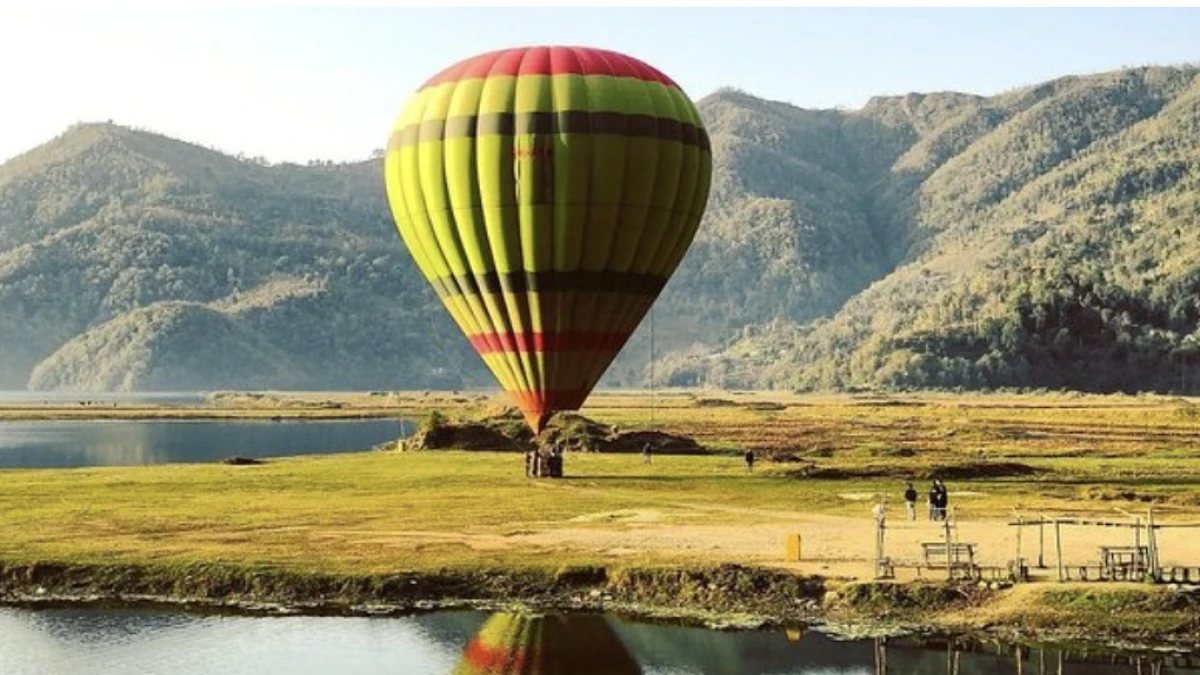
There is a moment, somewhere around 800 feet above Phewa Lake, when the noise of Pokhara completely disappears. No engine, no wind rushing past our ears, no chatter — just the occasional soft hiss of the burner and the whole Annapurna range sitting right there in front of us, close enough to touch. That silence is the thing nobody tells us about before we book a hot air balloon ride in Pokhara, and it's the reason this has quietly become one of the most talked-about things to do in the city.
In this guide, we break down the real cost of hot air ballooning in Pokhara, what the experience actually feels like from pickup to landing, and the practical details — best season, safety, what to wear, how to book, that most listings skip over.
What Is Hot Air Ballooning in Pokhara?
Hot air ballooning is one of Pokhara's newer adventure activities, and unlike paragliding or zip-lining, it is built entirely around stillness rather than adrenaline. We are lifted in a large wicker basket, carried underneath an enormous balloon filled with hot air, and simply float — rising to around 1,000 feet above the Pokhara Valley. There is no free fall, no sudden movement, just a slow, quiet ascent that gives us a genuine bird's-eye view of Phewa Lake, the surrounding hills, and the Himalayas beyond.
It's the kind of activity that works for almost anyone: adventure seekers who want a calmer morning after paragliding, couples celebrating an anniversary or engagement, families with older kids, and photographers chasing that perfect sunrise shot over the Annapurna range.
Hot Air Balloon in Pokhara: Cost Breakdown
Pricing depends on the operator, the season, and whether we book a shared group flight or a private one. Here's roughly what to expect:
| Package | Duration | Approx. Price (Foreigners) |
|---|---|---|
| Standard / "Eagle Eye" shared flight | 30–40 minutes | USD 100–150 per person |
| Extended / "Magical Voyage" flight | 40–60 minutes | Higher tier, varies by operator |
| Private balloon (up to 6–7 people) | 40–60 minutes | Around USD 1,000–1,150 total (full basket) |
For regional context, some operators list pricing that varies by nationality — SAARC citizens (India, Bangladesh, Bhutan, Sri Lanka, etc.) and Nepali citizens are often charged a lower rate than international travelers from outside the region. It's worth asking directly when booking, since this is common practice for adventure activities in Nepal.
What's usually included:
- Hotel pickup and drop-off within Pokhara (typically within a set radius of Lakeside)
- Pre-flight briefing and refreshments
- The balloon flight itself
- A flight certificate
What usually costs extra:
- Professional in-flight photos or a time-lapse video of your flight
- Private/personalized bookings for proposals, birthdays, or anniversaries
- Transport if your hotel is outside the standard pickup zone
Our honest advice: book directly with the operator or a reputable local agency and confirm exactly what's included before paying, since "extra for photos" is a common add-on that can catch first-timers off guard.
What the Experience Actually Feels Like
The Pickup
Flights leave early, most operators pick guests up from Lakeside well before sunrise, since ballooning depends entirely on calm morning air. Expect a 45–60 minute drive out toward the launch site, typically near Dhampus, Pame, or Landruk, depending on wind direction that day.
Watching the Balloon Inflate
This part alone is worth the early wake-up call. Watching a balloon this size go from a flat sheet of fabric on the ground to a fully upright, glowing structure in under fifteen minutes is genuinely impressive, and the crew usually lets guests get close enough to watch the whole process.
Takeoff
There's a short safety briefing before boarding — how to stand, how to hold the basket rails, and what to do on landing. Then, almost without warning, the ground just... falls away. There's no big jolt like a plane takeoff. One second we're standing in the basket on solid ground, and the next we're rising.
In the Air
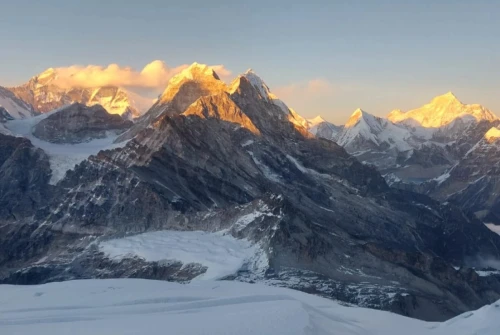
For the next 30 to 60 minutes, depending on the package, we drift above the valley taking in Machhapuchhre (Fishtail), Annapurna, Dhaulagiri, Hiunchuli, and Lamjung Himal, with Phewa Lake and Pokhara's patchwork of farmland, forest, and rooftops spread out below. The pilot has some control over altitude but very little over direction — the wind decides where we go, which is part of what makes it feel so different from every other adventure activity in Nepal.
Landing
Most flights land near the banks of the Phewa or Mardi river, and the touchdown itself is far smoother than most people expect — a light bump, maybe a short skid, and then the ground crew is there to help everyone out. Some operators offer a small celebratory toast or refreshment after landing, which is a nice touch if it's included in your package.
Best Time to Fly
Hot air balloon flights in Pokhara run from September through May, and are not operated during the monsoon months (June–August) due to rain, wind, and low visibility. Within that window:
- October to December tends to offer the clearest post-monsoon skies and sharpest mountain views
- March to April brings warmer weather and blooming rhododendron across the hillsides
- Flights are also weather-dependent day to day, if wind or cloud cover isn't right, operators will reschedule rather than fly, and most offer a full refund or free rebooking if a flight is cancelled for weather.
Is It Safe?
Yes, hot air ballooning in Pokhara is operated by licensed pilots using certified equipment, with pre-flight safety briefings and weather-based go/no-go decisions built into every flight. That said, as with any adventure activity, it's worth booking with an established operator rather than the cheapest listing you find, and confirming insurance coverage is included.
What to Bring and Wear
- Layered clothing; mornings at altitude are cold, even though Pokhara itself warms up quickly
- Closed-toe shoes for boarding and landing
- A light jacket or windbreaker
- Your camera or phone (fully charged; you will take more photos than you expect)
- Passport, if required for booking confirmation with your operator
Frequently Asked Questions About Hot Air Ballooning in Pokhara
How much does a hot air balloon ride cost in Pokhara? Standard shared flights typically cost USD 100–150 per person, while private full-basket bookings run significantly higher, often around USD 1,000+ depending on group size and operator.
How long does the hot air balloon flight last? Most flights run 30 to 60 minutes in the air, not counting the pickup, drive to the launch site, and pre-flight preparation, which adds another hour or more to the full experience.
Where does the hot air balloon in Pokhara take off from? Launch sites are typically Dhampus, Pame, or Landruk, chosen day-of based on wind direction, with landings usually near the Phewa or Mardi riverbanks.
Is hot air ballooning safe in Pokhara? Yes, flights are operated by licensed, experienced pilots with certified equipment, and are only flown in suitable weather conditions.
What is the best season for hot air ballooning in Pokhara?September through May is the flying season, with October–December and March–April offering the clearest skies and best mountain visibility. Flights don't operate during the monsoon (June–August).
Can children join a hot air balloon ride? Most operators allow children above a certain age (commonly around 5 years old), while infants and toddlers below 2 are generally not permitted for safety reasons. It's best to confirm the age policy directly with your chosen operator.
Do I need to book in advance? Yes — since flights depend on weather and balloon availability is limited, it's strongly recommended to book at least a few days ahead, especially during peak autumn and spring travel seasons.
What happens if the flight is cancelled due to weather? Reputable operators offer a full refund or free rescheduling if your flight is cancelled due to poor weather conditions.
Is hot air ballooning available in Kathmandu too, or only Pokhara? Commercial hot air ballooning in Nepal currently operates only in Pokhara, making it a destination-specific experience rather than something available valley-wide.
Final Thoughts: Is It Worth the Cost?
We'll be honest a hot air balloon ride isn't the cheapest activity in Pokhara, and it's easy to look at the price next to paragliding or a boat ride on Phewa Lake and hesitate. But there's a specific kind of stillness up there, drifting silently above the lake with the entire Annapurna range laid out in front of you, that none of Pokhara's other adventure activities quite replicate. If you have one morning to spend on something memorable in Pokhara, this is a strong contender for it.


.webp)
.webp)