based on 270 reviews

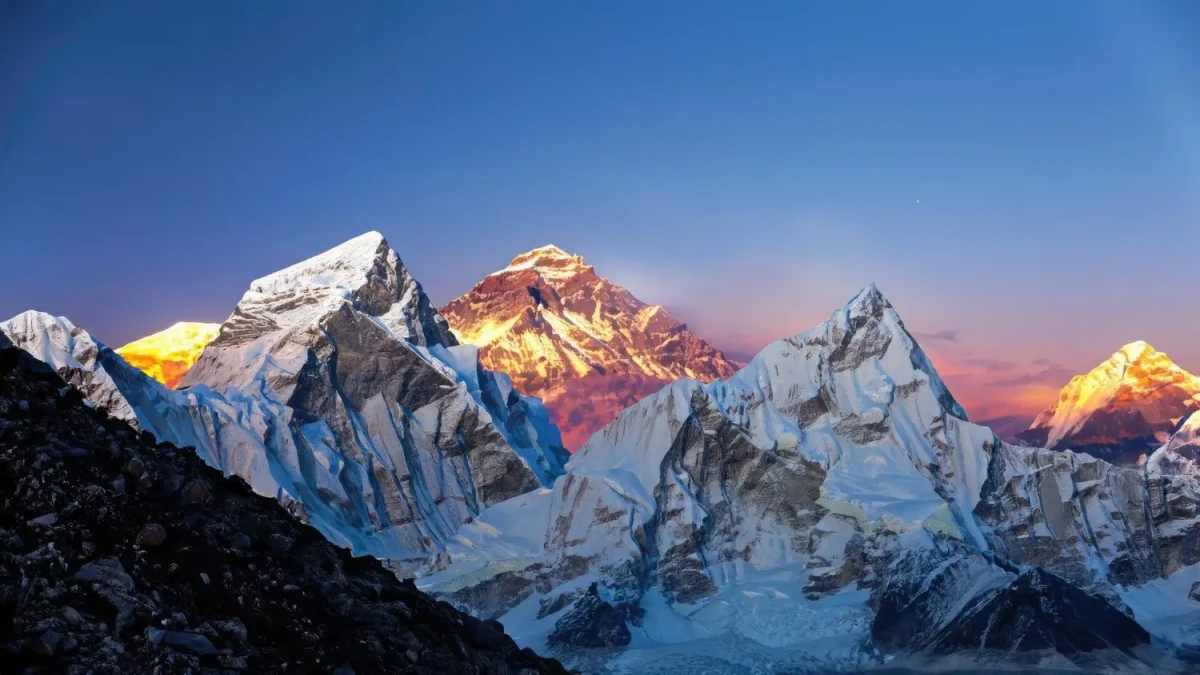
Climbing Mount Everest (8,848 meters / 29,030 feet) is often treated like the ultimate outdoor dream. But if you ask anyone who has actually stood on the mountain, they will tell you the same thing: it is not a fun, fast-paced Hollywood adventure.
Climbing Everest is a slow, exhausting, and mentally draining test that takes almost two months of your life. Technically, some parts of Everest are simpler than steep rock faces like K2. However, the mix of extreme altitude, harsh weather, freezing cold, and weeks of waiting makes it one of the toughest challenges on Earth.
This guide breaks down exactly what makes Everest so difficult, what the risks are, and what it really takes to reach the top.
What Actually Makes Climbing Mount Everest So Hard?
It is rarely just one thing that stops a climber. Instead, small difficulties pile up day after day until your body and mind are completely worn down.
1. Extreme Altitude and Thin Air
As you climb higher, the atmospheric pressure drops, meaning there are fewer oxygen molecules in every breath.
- At sea level, your body gets 100% available oxygen.
- At Base Camp (around 5,364 m to 5,600 m), oxygen levels drop to roughly 50%.
- At the summit (8,848 m), oxygen drops to just 33% of what you breathe at sea level.
At that height, simple tasks like tying your boots or putting on gloves can leave you gasping for air. Most climbers must use supplemental bottled oxygen just to keep their brain and organs functioning.
2. The Death Zone (Above 8,000 Meters)
Any elevation above 8,000 meters (26,247 feet) is known as the Death Zone. Human bodies cannot adapt or heal at this height; they slowly deteriorate.
Without enough oxygen, climbers risk serious conditions like High-Altitude Cerebral Edema (HACE, brain swelling) and High-Altitude Pulmonary Edema (HAPE, fluid in the lungs). In the Death Zone, you are on a ticking clock. Climbers must reach the summit and descend as quickly as possible before their oxygen tanks run dry.
3. The Unstable Khumbu Icefall
Located just above Base Camp, the Khumbu Icefall is widely considered one of the scariest parts of the South Col route. It is a moving river of cracked ice. Giant blocks of ice (seracs) can topple without warning, and bottomless cracks (crevasses) open up suddenly.
Climbers must step across these drops using shaky aluminum ladders strapped together with ropes while wearing heavy boots and crampons. What makes it worse: you have to pass through the Khumbu Icefall multiple times during acclimatization rotations.
4. Extreme Cold and Violent Winds
Temperatures on Everest drop as low as -36°C (-33°F) to -40°C in the upper camps. High-altitude hurricane-force winds can top 100 to 200 miles per hour. Exposed skin can freeze in minutes, making hypothermia and frostbite daily threats.
5. Mental Fatigue and Waiting
An Everest expedition takes about 6 to 8 weeks (roughly 60 to 70 days round-trip from Kathmandu).
Most of those weeks are not spent climbing. They are spent sitting in cold tents, eating simple food, battling coughs, and waiting for your blood to build extra red blood cells. The waiting, cold hands, bad sleep, and constant fear break more people than the steep slopes do.
What is the Success Rate and Danger Level?
- Success Rate: In recent commercial seasons, roughly 60% to 70% of climbers who attempt the summit succeed. Weather windows, good Sherpa guides, and supplemental oxygen play huge roles in success.
- The Other 30%–40%: These climbers turn back due to severe altitude sickness, frostbite, physical exhaustion, running out of oxygen, or storms closing in.
- Fatality Risks: Over 330 climbers have lost their lives on Everest since records began. Most deaths are caused by avalanches, falls, altitude illness (HAPE/HACE), and collapse from exhaustion inside the Death Zone.
Can a Complete Beginner Climb Everest?
No. A beginner cannot safely climb Mount Everest.
Reputable guiding agencies will reject applicants who have never climbed above 6,000 meters. Trying to learn how to walk on crampons, use an ice axe, or ascend fixed ropes on the slopes of Everest is dangerous for you and for the team around you.
Who Should Attempt It:
- Climbers with proven experience on 6,000m and 7,000m peaks (such as Mera Peak, Island Peak, or Aconcagua).
- People who have trained their bodies for a year or more on long, weighted mountain hikes.
- People with the mental discipline to turn around when conditions turn unsafe.
Who Should Not Attempt It:
- People looking for a quick social media photo or bragging rights.
- Anyone with heart or serious respiratory problems.
- People who struggle with patience, isolation, and basic living conditions for weeks at a time.
Best Time of Year to Climb
Everest is almost exclusively climbed during the pre-monsoon spring window, primarily in May.
During May, a short break occurs between the harsh winter jet stream winds and the arrival of the summer monsoon rains. This creates short "weather windows" where winds drop, giving teams a chance to make their summit push. Climbing during monsoon season brings wet, slippery trails and severe avalanche risk, while winter brings brutal cold and heavy snow.
How to Prepare If You Want to Try
If standing on the highest point on Earth is your lifelong goal, start with a step-by-step roadmap:
- Build True Mountain Stamina: Gym machines alone won't prepare you. Hike steep hills for 6 to 8 hours carrying a 15–20 kg backpack. Build strong legs, core stability, and deep cardiovascular endurance.
- Learn Technical Mountain Skills: Take mountaineering courses to master rope handling, crevasse rescue, and moving on ice with crampons.
- Climb Progression Peaks: Do not go straight to 8,848 meters. Trek to Everest Base Camp first. Next, climb 6,000-meter peaks like Island Peak or Lobuche East, followed by a 7,000m or 8,000m peak like Manaslu.
- Choose a Certified Local Team: The quality of your expedition company and your Sherpa climbing guide makes all the difference. Experienced local operators manage oxygen supply, safety gear, emergency radios, and camp logistics so you can focus on moving safely.
Climbing Mount Everest remains one of the greatest endurance tests known to humanity. If you respect the mountain, build real climbing skills over years, and prepare your mind for the quiet grinding days, the journey can transform you. But never underestimate the climb—Everest never gives guarantees, and safety must always come first.
Not Ready for the Summit? Start with Everest Base Camp
Standing on the summit of Mount Everest requires years of technical climbing experience, extreme physical risk, and tens of thousands of dollars. But you don't need to risk your life in the Death Zone to experience the raw power and beauty of the world's tallest peak.
For most adventure travelers, hiking to Everest Base Camp (5,364 m) is the ultimate way to walk the exact same historic trails without the extreme dangers of technical climbing. You will hike through iconic Sherpa villages like Namche Bazaar, visit the historic Tengboche Monastery, and stand beneath the Khumbu Icefall.
At All Nepal Hiking, we specialize in guided, safety-focused trekking across the Himalayas. Our government-registered team and licensed local guides manage all permits, domestic Lukla flights, and cozy teahouse stays with built-in acclimatization days.
- Want to stand at the foot of the world's highest peak? Explore our complete Everest Base Camp Trek itinerary.
- Looking to test your high-altitude limits on an introductory summit? Check out our 6,000-meter climbs like Lobuche and Island Peak Climbing.