based on 270 reviews

The Mani Rimdu Festival is one of the most spectacular and spiritually significant celebrations in the Everest region of Nepal, drawing Buddhist pilgrims, trekkers, and cultural travelers from around the world. Celebrated by the Sherpa community, this centuries-old festival combines sacred Tibetan Buddhist rituals, masked dances, and community celebration into a single, unforgettable event. We have prepared this detailed guide to help travelers understand the history, rituals, and practicalities of experiencing Mani Rimdu in Nepal.
What Is Mani Rimdu?
Mani Rimdu is a multi-day Buddhist festival rooted in the Nyingma tradition of Tibetan Buddhism, celebrated primarily by monasteries in the Solukhumbu district, home to the Sherpa people and the gateway to Mount Everest. The festival commemorates the triumph of Buddhism over the ancient Bon religion, symbolizing the victory of compassion and wisdom over ignorance and harmful forces. At its core, Mani Rimdu is both a religious ceremony and a public celebration, blending private monastic rituals with vibrant, open-air performances that the entire community and visiting travelers can witness.
The Meaning Behind the Name
The name "Mani Rimdu" combines two important elements of the festival. "Mani" refers to the sacred mani pills, blessed during the ceremony and believed to grant spiritual and physical benefits to those who receive them. "Rimdu" refers to the masked dances performed by monks throughout the public days of the festival. Together, these two elements represent the festival's dual purpose of spiritual empowerment and community engagement.
Where and When Mani Rimdu Is Celebrated
Mani Rimdu is celebrated at three main monasteries in the Everest region:
- Tengboche Monastery — the most famous and most visited site for Mani Rimdu, typically held in October or November, coinciding with the peak Everest trekking season.
- Chiwong Monastery — celebrated slightly earlier in the calendar, usually in November.
- Thame Monastery — celebrated in May, offering a quieter alternative for travelers seeking a less crowded experience.
The exact dates shift each year according to the Tibetan lunar calendar, so we recommend confirming dates with local monasteries or trekking agencies several months in advance.
The Rituals of Mani Rimdu
Preparation and Sand Mandala
The festival begins days before the public celebrations with private rituals inside the monastery. Monks construct an intricate sand mandala, a symbolic representation of the universe created using colored sand, grain by grain, over several days. This meditative practice is considered a sacred offering and a demonstration of impermanence, a central concept in Buddhist philosophy.
Wang: The Empowerment Ceremony
The first public day of Mani Rimdu is known as Wang, the empowerment ceremony. During this ritual, the head lama distributes blessed mani pills and grants spiritual empowerment to all attendees, regardless of their faith or background. This ceremony is considered essential for those seeking the festival's spiritual benefits.
Cham: The Masked Dance Performances
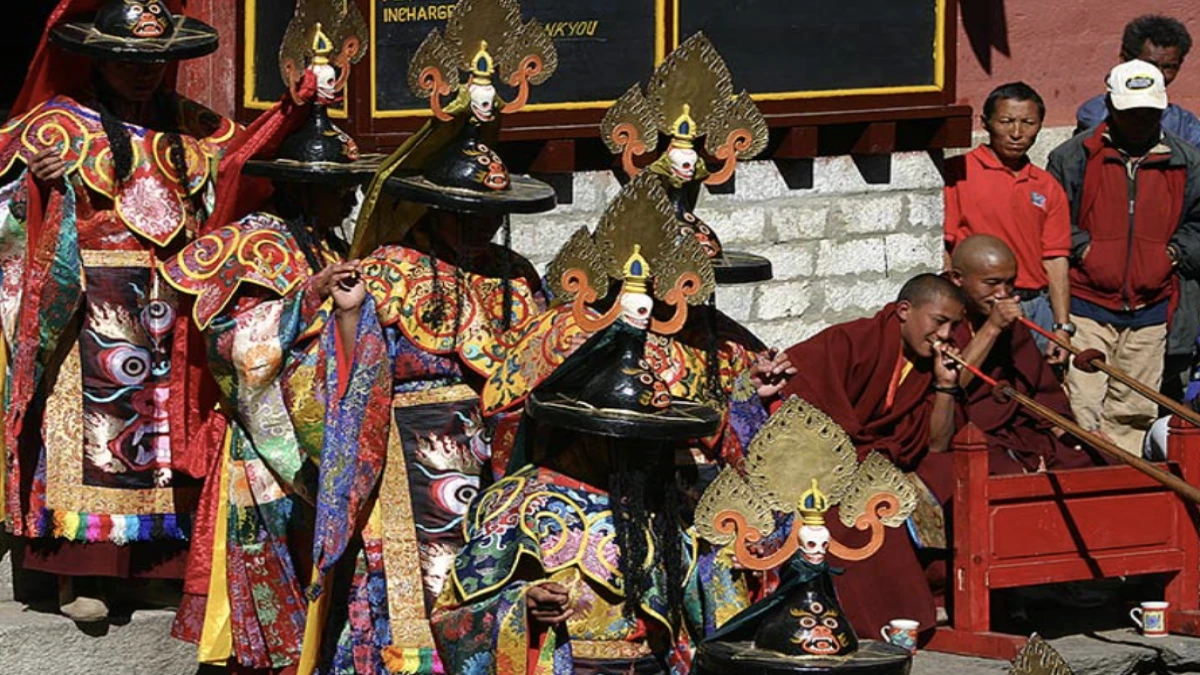
The most visually striking part of the festival is Cham, the sacred masked dance performed by monks dressed in elaborate costumes representing deities, protectors, and demons. Each dance tells a symbolic story of the struggle between good and evil, ultimately depicting the triumph of Buddhist teachings. The dances are accompanied by traditional Tibetan horns, cymbals, and drums, creating an atmosphere that is both dramatic and deeply spiritual.
Fire Puja: The Final Ritual
The festival concludes with a fire puja, a ceremonial fire offering intended to destroy negative forces and purify the surrounding environment. This closing ritual is considered essential to sealing the spiritual benefits of the entire festival.
Why Trekkers and Pilgrims Attend Mani Rimdu
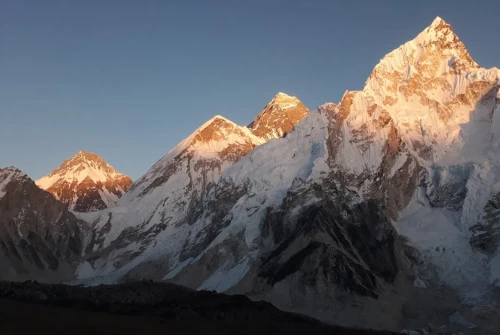
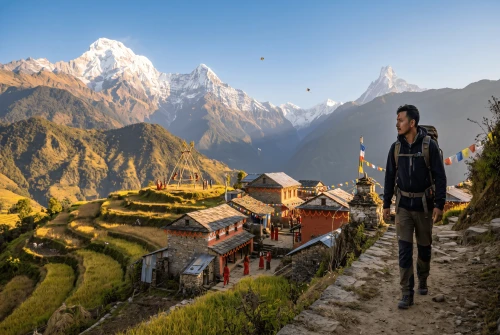
For many travelers, Mani Rimdu offers a rare opportunity to combine a trek to Everest Base Campor the surrounding region with an authentic cultural and spiritual experience. Witnessing the festival at Tengboche Monastery, set against a backdrop of towering Himalayan peaks including Ama Dablam and Everest itself, is often described by visitors as one of the most memorable moments of their entire Nepal journey.
How to Attend Mani Rimdu
Trekking Route: Most visitors reach Tengboche Monastery as part of the classic Everest Base Camp trek, flying into Lukla and trekking through Namche Bazaar before reaching Tengboche, a journey of approximately 4 to 5 days.
Accommodation: Teahouses and lodges throughout the Khumbu region offer basic accommodation, though we strongly recommend booking well in advance during festival dates, as demand rises significantly.
Permits Required: Travelers will need a Sagarmatha National Park entry permit and a local Khumbu Pasang Lhamu Rural Municipality permit, both obtainable in Kathmandu or at checkpoints along the trekking route.
Best Time to Attend: The Tengboche celebration in October or November coincides with the clearest skies and most stable weather of the year, making it the most popular choice among international visitors.
Respecting Local Customs During the Festival
We encourage all visitors to observe respectful conduct throughout the festival, including dressing modestly, refraining from loud behavior during rituals, and seeking permission before photographing monks or ceremonies up close. Sitting quietly in designated visitor areas allows both pilgrims and monks to carry out the sacred rituals without disruption.
Frequently Asked Questions About Mani Rimdu
What does Mani Rimdu celebrate? Mani Rimdu celebrates the historical victory of Buddhism over the pre-Buddhist Bon religion, symbolizing the triumph of compassion and wisdom over ignorance.
How long does the Mani Rimdu festival last? The full festival, including private preparatory rituals, typically spans 19 days, though the main public celebrations, including the masked dances, usually take place over 3 days.
Can tourists attend Mani Rimdu? Yes, Mani Rimdu is open to travelers of all backgrounds, and the public days, especially the masked dance performances, are widely attended by trekkers and cultural visitors.
Which monastery is best to see Mani Rimdu?Tengboche Monastery is the most popular choice due to its accessibility along the Everest Base Camp trekking route and its dramatic mountain backdrop, though Chiwong and Thame monasteries offer quieter alternatives.
Do I need to trek to attend Mani Rimdu? Yes, since all three monasteries hosting Mani Rimdu are located in the mountainous Solukhumbu district, reaching them requires trekking, typically after a flight into Lukla.
Final Thoughts on Experiencing Mani Rimdu
The Mani Rimdu Festival offers travelers a rare and powerful window into Sherpa Buddhist culture, set against the world's highest mountains. Beyond its visual spectacle of masked dances and monastery rituals, the festival carries deep spiritual meaning for the communities who have preserved these traditions for centuries. We encourage every traveler planning a Himalayan journey to consider timing their trek around this remarkable celebration, as few experiences in Nepal combine culture, spirituality, and natural beauty so completely.