based on 270 reviews

Janai Purnima, also known as the Sacred Thread Festival, is one of Nepal's most important Hindu festivals, celebrated every year on the full moon day (Purnima) of the Nepali month of Shrawan (July–August). It is a unique festival that combines religious rituals, family traditions, pilgrimages, and cultural celebrations, making it a fascinating experience for travelers visiting Nepal.
For locals, Janai Purnima is a day of spiritual renewal and protection. For tourists, it offers the chance to witness ancient Hindu ceremonies, observe colorful temple gatherings, taste traditional festival foods, and explore Nepal's rich religious heritage. Whether you are interested in culture, spirituality, photography, or local traditions, Janai Purnima provides an authentic glimpse into Nepalese life.
What is Janai Purnima?
Janai Purnima is a sacred Hindu festival observed across Nepal. On this day:
Brahmin and Chhetri men who have undergone the sacred thread ceremony replace their Janai, a holy cotton thread worn across the shoulder.
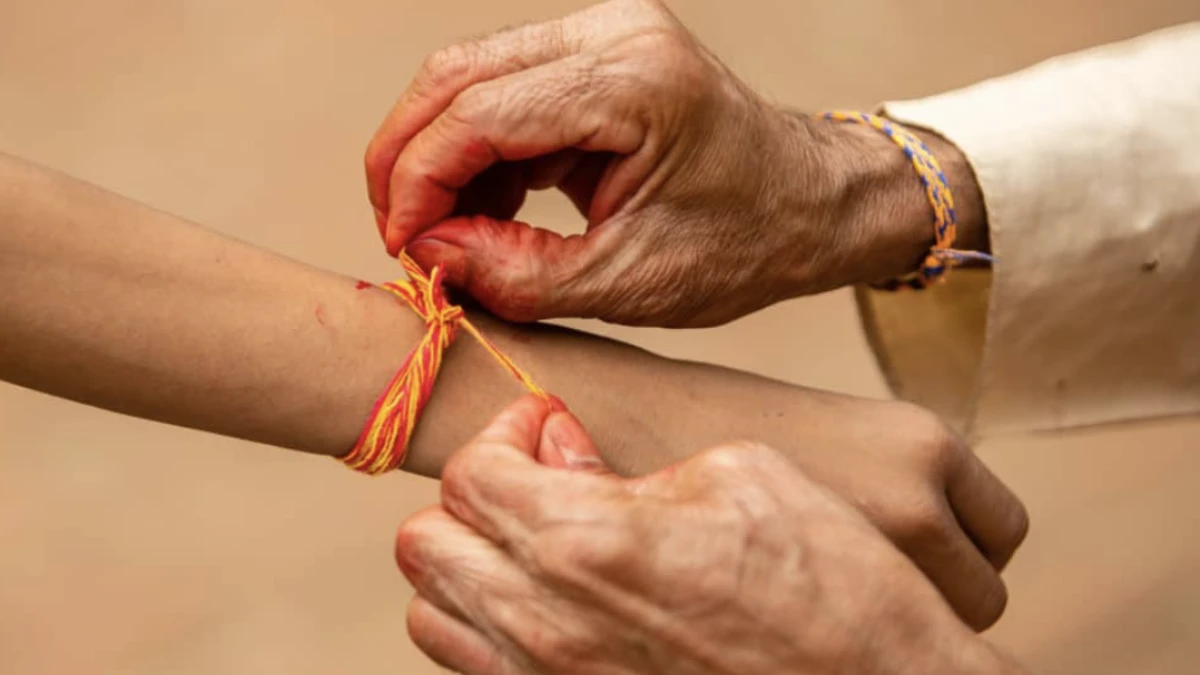
Priests tie a colorful sacred protection thread, known as Doro or Rakshya Bandhan, around the wrists of devotees as a symbol of protection and blessings.
Families visit temples, perform religious rituals, and gather for festive meals.
Thousands of pilgrims undertake a challenging journey to Gosaikunda Lake, one of Nepal's holiest alpine lakes.
The festival represents purification, spiritual renewal, divine protection, and gratitude.
The Religious Significance of Janai Purnima
According to Hindu beliefs, Janai Purnima marks a time to renew one's commitment to righteousness and spiritual discipline.
The sacred thread symbolizes:
- Purity
- Responsibility
- Knowledge
- Religious duty
- Protection from negative forces
The protective thread tied around the wrist is believed to bring blessings, good health, prosperity, and protection throughout the year.
After several months, many people remove the sacred thread during Tihar, placing it into rivers or sacred water as part of another religious ritual.
Janai Purnima and Raksha Bandhan
In many parts of Nepal, Janai Purnima is also celebrated as Raksha Bandhan.
Sisters tie a decorative thread (Rakhi) around their brothers' wrists as a symbol of:
- Love
- Care
- Lifelong support
- Family unity
- Protection
Brothers, in return, give gifts and promise to protect and support their sisters.
This beautiful tradition strengthens family bonds and adds a joyful atmosphere to the festival.
The Sacred Pilgrimage to Gosaikunda Lake
One of the most remarkable aspects of Janai Purnima is the pilgrimage to Gosaikunda Lake, located at an altitude of approximately 4,380 meters in Langtang National Park.
According to Hindu mythology, Lord Shiva created Gosaikunda by striking the mountains with his trident to obtain water after swallowing poison during the churning of the cosmic ocean.
Thousands of pilgrims hike for several days to reach the lake, where they take a holy dip believed to cleanse sins and bring spiritual purification.
For adventurous travelers, this pilgrimage offers an unforgettable combination of:
- Himalayan landscapes
- Alpine lakes
- Religious devotion
- Mountain trekking
- Cultural immersion
The journey is physically demanding but highly rewarding.
Best Places to Experience Janai Purnima in Nepal
1. Pashupatinath Temple, Kathmandu
The most famous destination during Janai Purnima is Pashupatinath Temple, Nepal's holiest Shiva temple.
Visitors can witness:
- Sacred thread changing ceremonies
- Priests tying protective wrist threads
- Devotional chanting
- Temple rituals
- Religious processions
- Pilgrims offering prayers
Although the temple's inner sanctum is reserved for Hindus, non-Hindu visitors can observe many ceremonies from the surrounding temple complex.
2. Gosaikunda Lake
The annual pilgrimage to Gosaikunda attracts thousands of devotees and trekkers.
Highlights include:
- Sacred alpine lakes
- Mountain scenery
- Pilgrim camps
- Religious ceremonies
- Himalayan photography
- Traditional mountain villages
This is one of Nepal's most unique spiritual trekking experiences.
3. Budhanilkantha Temple
Located on the northern edge of Kathmandu, Budhanilkantha Temple attracts large crowds of devotees seeking blessings during Janai Purnima.
The temple is famous for its magnificent reclining statue of Lord Vishnu.
4. Kumbeshwar Temple, Patan
The historic Kumbeshwar Temple becomes especially lively during Janai Purnima.
Pilgrims visit the temple to receive blessings, tie sacred threads, and participate in traditional ceremonies.
5. Local Temples Across Nepal
Almost every town and village celebrates Janai Purnima.
Visitors can enjoy:
- Community prayers
- Family gatherings
- Religious music
- Local festivals
- Traditional markets
Smaller temples often provide a more intimate cultural experience.
Traditional Rituals During Janai Purnima
The day begins early as devotees bathe, wear clean clothes, and visit temples.
Common rituals include:
Changing the Janai
Eligible Hindu men replace their sacred thread during special ceremonies led by priests.
Receiving the Sacred Thread
Priests tie colorful protective threads around devotees' wrists while reciting sacred mantras.
Temple Worship
Families offer flowers, fruits, incense, milk, and prayers to Hindu deities, especially Lord Shiva and Lord Vishnu.
Family Gatherings
Relatives come together to celebrate, share meals, and strengthen family bonds.
Traditional Foods of Janai Purnima
No Janai Purnima celebration is complete without Kwati, Nepal's famous festival soup.
Kwati
Kwati is a nutritious soup prepared from nine different sprouted beans, including:
- Black gram
- Green gram
- Chickpeas
- Soybeans
- Kidney beans
- Cowpeas
- Field peas
- Black-eyed peas
- White beans
The soup is rich in protein and is believed to boost immunity during Nepal's rainy season.
Other festive foods include:
- Rice
- Lentil soup (Dal)
- Seasonal vegetables
- Yogurt
- Homemade pickles
- Fruits
- Traditional sweets
Trying Kwati is one of the highlights for food-loving travelers.
Photography Opportunities
Janai Purnima offers countless opportunities for photographers.
Capture:
- Priests performing rituals
- Colorful sacred threads
- Temple architecture
- Pilgrims in traditional attire
- Himalayan pilgrims trekking to Gosaikunda
- Religious offerings
- Families celebrating together
Always ask permission before taking close-up portraits and avoid interrupting religious ceremonies.
Travel Tips for Tourists
To enjoy Janai Purnima respectfully:
Visit temples early in the morning.
- Dress modestly.
- Remove shoes where required.
- Carry drinking water.
- Respect worshippers during rituals.
- Hire a local guide for cultural insights.
- Book accommodation early if visiting Kathmandu or trekking to Gosaikunda.
- Prepare for rain, as the festival falls during Nepal's monsoon season.
Can Foreign Tourists Participate?
Yes. Foreign visitors are welcome to observe the celebrations, visit temple complexes, enjoy local food, and learn about Nepalese traditions.
While some religious rituals are reserved for Hindus, tourists can respectfully experience much of the festival and often receive a protective thread from local priests if offered.
Cultural Etiquette
To make the most of your visit:
Dress conservatively.
- Speak softly in temples.
- Avoid touching sacred objects without permission.
- Ask before photographing people.
- Follow instructions from temple staff.
- Respect local customs and traditions.
Being respectful ensures a meaningful and enjoyable cultural experience.
Why Janai Purnima is Worth Experiencing
Janai Purnima beautifully combines spirituality, family traditions, Himalayan pilgrimage, and cultural heritage. From the sacred rituals at Pashupatinath Temple to the breathtaking pilgrimage to Gosaikunda Lake, the festival showcases Nepal's deep religious roots and warm community spirit.
For travelers seeking authentic cultural experiences beyond sightseeing, Janai Purnima offers a unique opportunity to witness living traditions that have been preserved for centuries. Whether you explore ancient temples, enjoy a bowl of traditional Kwati, receive a sacred thread, or photograph the colorful ceremonies, the festival provides unforgettable memories and a deeper understanding of Nepalese culture.
Frequently Asked Questions (FAQs)
When is Janai Purnima celebrated?
Janai Purnima is celebrated on the full moon day of the Nepali month of Shrawan, usually falling in August.
Can non-Hindus visit the celebrations?
Yes. Non-Hindus can visit temple complexes, observe ceremonies from public areas, and enjoy the cultural atmosphere.
What is Kwati?
Kwati is a traditional Nepalese soup made from nine varieties of sprouted beans and is the signature dish of Janai Purnima.
What is the significance of the sacred thread?
The sacred thread symbolizes protection, spiritual renewal, responsibility, and blessings for the coming year.
Where is the best place to experience Janai Purnima?
Pashupatinath Temple in Kathmandu is the most famous location, while Gosaikunda offers a remarkable spiritual trekking experience for adventurous travelers.
Celebrate Nepal's Sacred Festivals with All Nepal Hiking
Discover the spiritual and cultural richness of Nepal with All Nepal Hiking. From experiencing the sacred rituals of Janai Purnima and trekking to the holy Gosaikunda Lake to exploring ancient temples and Himalayan landscapes, we create authentic journeys that connect you with Nepal's living traditions. Let us help you experience the country's festivals, heritage, and natural beauty in one unforgettable adventure.


.webp)