based on 270 reviews

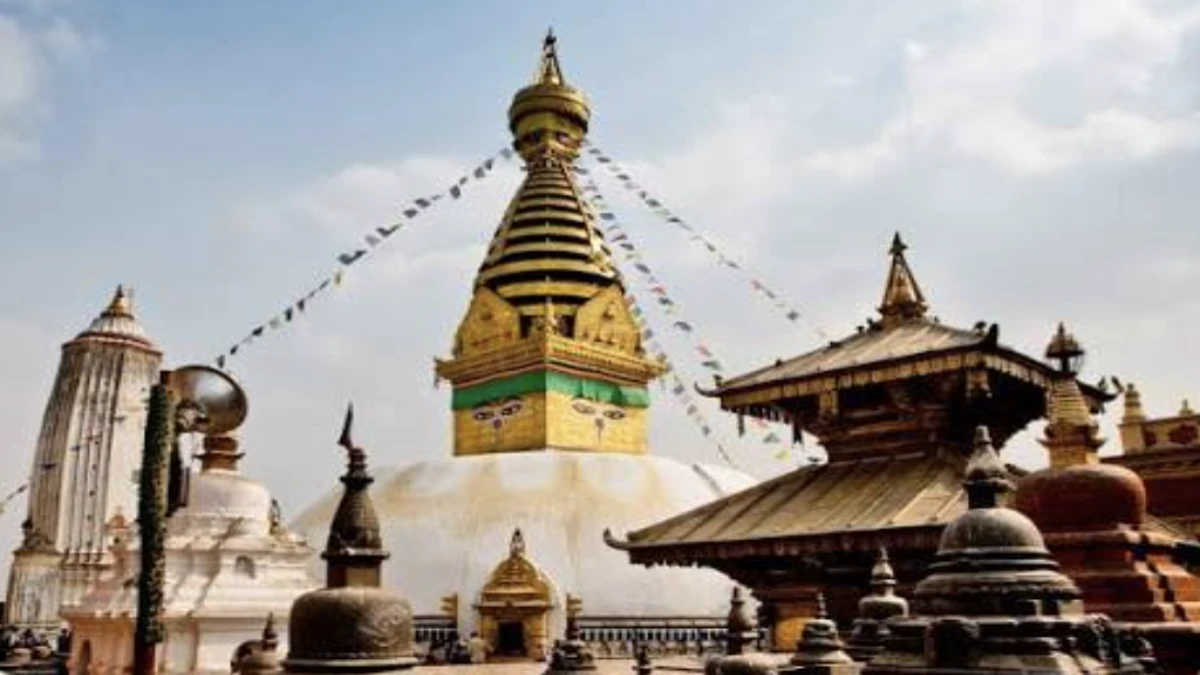
Swoyambhunath Stupa, popularly known as the Monkey Temple, is one of Nepal's oldest, most sacred, and most visited UNESCO World Heritage Sites. Perched atop a lush hill overlooking the Kathmandu Valley, this magnificent Buddhist monument has stood for over 1,500 years, offering breathtaking panoramic views, deep spiritual significance, fascinating history, and a unique cultural experience.
Whether you are a pilgrim seeking spiritual blessings, a history enthusiast, a photographer, or a traveler exploring Nepal for the first time, Swoyambhunath promises an unforgettable journey into Nepal's rich religious and cultural heritage.
What is Swoyambhunath Stupa?
Swoyambhunath Stupa is an ancient Buddhist religious complex located approximately 3 kilometers west of Kathmandu Durbar Square. It is one of the oldest religious monuments in Nepal and holds immense significance for both Buddhists and Hindus.
The name "Swoyambhu" means "self-existent" or "self-created." According to ancient Buddhist scriptures, the hill emerged naturally from a sacred lotus that blossomed in a vast lake that once covered the Kathmandu Valley.
Today, Swoyambhunath is not only a spiritual destination but also one of Nepal's most photographed landmarks, attracting hundreds of thousands of visitors every year.
History of Swoyambhunath Stupa
The origins of Swoyambhunath date back more than 1,500 years, making it one of the world's oldest Buddhist stupas.
Historical records suggest that the stupa was built during the reign of King Manadeva in the early 5th century CE, although legends indicate its spiritual significance stretches back even further.
Throughout centuries, the stupa has survived earthquakes, invasions, and political changes while remaining one of Nepal's most revered religious monuments.
Following the devastating 2015 Nepal Earthquake, restoration efforts carefully preserved its original architecture while strengthening the structure for future generations.
Today, the monument symbolizes Nepal's resilience, faith, and cultural harmony.
The Legend Behind Swoyambhunath
One of the most fascinating aspects of Swoyambhunath is its legendary origin.
Ancient Buddhist texts describe the Kathmandu Valley as a massive lake. In the center of this lake bloomed a radiant lotus flower that emitted divine light.
The Bodhisattva Manjushri, while traveling from China or Tibet according to various traditions, witnessed the miraculous lotus. He sliced open the Chobar Gorge with his sword, allowing the lake to drain and making the valley habitable.
The lotus transformed into the sacred hill where Swoyambhunath now stands, giving birth to one of Nepal's holiest pilgrimage sites.
This legend remains central to the religious identity of the Kathmandu Valley.
Religious Importance of Swoyambhunath
Swoyambhunath serves as an important pilgrimage destination for followers of both Buddhism and Hinduism, making it a remarkable symbol of Nepal's religious harmony.
For Buddhists, the stupa represents:
- Enlightenment
- Wisdom
- Compassion
- Liberation from suffering
For Hindus, the complex houses several temples dedicated to Hindu deities, allowing devotees of both religions to worship side by side.
This peaceful coexistence reflects Nepal's centuries-old tradition of religious tolerance.
UNESCO World Heritage Site
Swoyambhunath was designated a UNESCO World Heritage Site in 1979 as part of the Kathmandu Valley cultural heritage listing.
The site is recognized for:
- Exceptional Buddhist architecture
- Historical significance
- Religious importance
- Cultural diversity
- Artistic masterpieces
- Living spiritual traditions
Its preservation ensures future generations can continue experiencing this extraordinary monument.
Architecture of Swoyambhunath Stupa
The architecture of Swoyambhunath combines symbolism, sacred geometry, and artistic excellence.
The White Dome
The large white dome represents the entire universe and symbolizes purity and enlightenment.
The Golden Spire
Above the dome rises a magnificent gilded tower consisting of thirteen levels, representing the thirteen stages toward enlightenment in Buddhist philosophy.
The Buddha Eyes
Perhaps the most recognizable feature is the pair of enormous Buddha Eyes painted on all four sides of the tower.
The eyes symbolize:
- Universal awareness
- Compassion
- Wisdom
- Constant vigilance
Between the eyes appears a Nepali symbol resembling a nose, which actually represents the number "one," symbolizing unity and the single path toward enlightenment.
Prayer Flags
Colorful prayer flags stretch across the hill, carrying prayers into the wind according to Buddhist belief.
The vibrant colors create one of the most photogenic scenes in Kathmandu.
Climbing the Famous 365 Steps
Visitors traditionally reach the main stupa by climbing 365 stone steps, symbolizing one step for every day of the year.
The staircase is lined with:
- Prayer wheels
- Stone carvings
- Small shrines
- Monasteries
- Vendors selling souvenirs
- Monkeys roaming freely
The climb offers numerous opportunities to admire Kathmandu's expanding skyline.
Why is Swoyambhunath Called the Monkey Temple?
Swoyambhunath earned its nickname, Monkey Temple, because hundreds of monkeys inhabit the surrounding forest and temple grounds.
According to local beliefs, these monkeys are considered sacred.
Visitors should remember:
- Avoid feeding monkeys.
- Secure loose belongings.
- Do not carry visible food.
- Maintain a respectful distance.
- Never provoke or chase them.
Although generally harmless, monkeys can become aggressive when seeking food.
Major Attractions Inside Swoyambhunath Complex
The complex includes numerous monuments beyond the main stupa.
Harati Temple
Dedicated to the Buddhist goddess Harati, this temple attracts families praying for children's health and protection.
Vajra (Thunderbolt)
A massive bronze Vajra stands before the stupa, symbolizing spiritual power and indestructibility.
Anantapur Temple
One of the oldest temples within the complex, showcasing beautiful pagoda-style architecture.
Pratappur Temple
Located beside Anantapur Temple, this shrine houses numerous Buddhist deities and prayer halls.
Prayer Wheels
Rows of beautifully engraved prayer wheels surround the stupa.
Visitors traditionally spin each wheel clockwise while walking around the monument.
Monasteries
Several Tibetan monasteries provide opportunities to observe monks chanting prayers and practicing Buddhist rituals.
Panoramic Views from Swoyambhunath
One of the biggest reasons travelers visit Swoyambhunath is the spectacular panoramic view.
From the hilltop, visitors can enjoy views of:
- Kathmandu City
- Lalitpur
- Bhaktapur (on clear days)
- Shivapuri Hills
- Nagarjun Forest
- Himalayan ranges during clear weather
Sunrise and sunset are particularly magical times for photography.
Best Time to Visit Swoyambhunath
The ideal seasons include:
Autumn (September to November)
- Crystal-clear mountain views
- Pleasant temperatures
- Major Nepalese festivals
- Excellent photography conditions
Spring (March to May)
- Blooming flowers
- Comfortable weather
- Clear skies
- Vibrant cultural atmosphere
Early morning visits provide peaceful surroundings and beautiful golden light.
Opening Hours
Swoyambhunath remains accessible throughout the day.
Typical visiting hours:
Open: Early morning
Close: Evening
Pilgrims often begin arriving before sunrise for morning prayers.
Swoyambhunath Entrance Fee
International visitors generally pay an entrance fee, while Nepali citizens can enter free of charge.
Current fees may change periodically, so visitors should confirm updated ticket prices before visiting.
Photography Tips
Swoyambhunath is one of Nepal's finest photography locations.
Best photo opportunities include:
- Buddha Eyes
- Prayer flags
- Golden spire
- Kathmandu Valley panorama
- Monkeys
- Sunset skyline
- Temple architecture
- Butter lamps
- Monks during prayer
Early morning offers softer lighting and fewer crowds.
Festivals Celebrated at Swoyambhunath
Several important festivals transform the temple into a vibrant spiritual center.
Major celebrations include:
- Buddha Jayanti
- Gunla Festival
- Losar (Tibetan New Year)
- Lhosar celebrations
- Various Buddhist prayer ceremonies
Thousands of devotees gather to perform rituals, light butter lamps, and offer prayers.
Travel Tips for Visiting Swoyambhunath
To enjoy a memorable visit:
Wear comfortable walking shoes.
- Dress modestly and respectfully.
- Carry drinking water.
- Keep valuables secure.
- Respect religious ceremonies.
- Walk clockwise around the stupa.
- Remove shoes before entering temples where required.
- Avoid disturbing monks during prayer.
- Visit early to avoid crowds.
- Bring a camera for panoramic views.
Nearby Attractions
Swoyambhunath is conveniently located near several popular attractions in Kathmandu.
Popular nearby destinations include:
- Kathmandu Durbar Square
- Thamel
- Kathmandu Museum
- Garden of Dreams
- Hanuman Dhoka
- Asan Bazaar
- Boudhanath Stupa
- Pashupatinath Temple
Many travelers combine these attractions into a full-day Kathmandu sightseeing tour.
How to Reach Swoyambhunath
Visitors can reach Swoyambhunath using several transportation options.
By Taxi
The fastest and most convenient option from central Kathmandu.
By Local Bus
Budget-friendly buses operate from different parts of Kathmandu.
By Private Vehicle
Private cars and motorcycles can access parking near the western entrance.
On Foot
Walking from Thamel takes approximately 30–40 minutes, making it a pleasant route for travelers exploring Kathmandu.
Why Every Traveler Should Visit Swoyambhunath
Swoyambhunath offers far more than a sightseeing experience. It combines spirituality, architecture, history, mythology, photography, wildlife, and breathtaking scenery into one unforgettable destination. From the iconic Buddha Eyes watching over Kathmandu to the peaceful chants of monks and the colorful fluttering prayer flags, every corner of the complex tells a story that has endured for centuries.
Whether you seek cultural discovery, spiritual reflection, or simply one of the best panoramic viewpoints in Nepal, Swoyambhunath Stupa delivers an experience that captures the timeless essence of the Kathmandu Valley. It remains one of Nepal's most treasured landmarks and an essential stop on every visitor's itinerary.
Conclusion
Swoyambhunath Stupa stands as one of Nepal's most remarkable spiritual and cultural landmarks. Its ancient history, legendary origins, magnificent architecture, sacred atmosphere, and sweeping views over Kathmandu make it an unmissable destination for travelers from around the world. Whether you're climbing the iconic 365 steps, spinning prayer wheels, admiring the Buddha Eyes, or watching the sunset over the valley, a visit to Swoyambhunath is an experience that beautifully reflects Nepal's rich heritage and enduring spirit.
Planning your trip to Nepal? Let our experienced local team help you explore Swoyambhunath Stupa and other iconic destinations with customized tours, expert guides, and unforgettable travel experiences. Contact us today to start your Nepal adventure!


.webp)