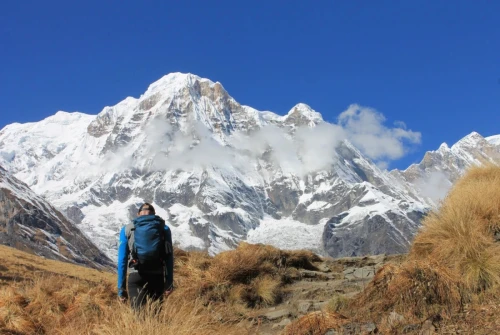
Geography of Nepal
Nepal is relatively small, covering just 147,516 square kilometers, its geography is incredibly diverse, featuring some of the most breathtaking landscapes on Earth. The country is divided into three major regions: the Himalayan region, the hill region, and the Terai plains, each offering unique natural beauty, cultural experiences, and adventure opportunities. From the towering peaks of the Himalayas and glacial valleys to the lush hills and terraced farmlands, and down to the fertile lowlands and dense subtropical forests of the Terai, Nepal’s compact size hides a world of stunning vistas, vibrant ecosystems, and authentic travel experiences.
The Himalayan region lies in the northern part of Nepal and is home to the world’s tallest mountains, including Mount Everest (8,848.86 meters), Kanchenjunga, Annapurna, Dhaulagiri, and Manaslu. This region occupies roughly 15% of Nepal’s total area and is sparsely populated due to its harsh climate and rugged terrain. It is famous for high-altitude trekking, mountaineering, glacial landscapes, and alpine biodiversity. Trekkers from around the world are drawn to routes such as the Everest Base Camp Trek, Annapurna Circuit Trek, and Manaslu Circuit Trek, which offer unmatched adventure and panoramic mountain views.
The hill region, also known as the Pahad, stretches across central Nepal and covers about 68% of the country’s total area. This region includes the Kathmandu Valley, Pokhara, and other scenic hill towns, offering a combination of moderate trekking, cultural exploration, terraced farming landscapes, and adventure activities like paragliding and hiking. The hill region is densely populated and rich in culture, serving as the economic, spiritual, and social hub of Nepal. Visitors can explore traditional villages, ancient temples, and breathtaking mountain viewpoints.
The Terai plains occupy the southern lowlands of Nepal and account for roughly 17% of the country’s area. This fertile region is known for its agriculture, dense forests, and diverse wildlife. Major national parks such as Chitwan and Bardiya offer visitors the chance to experience jungle safaris, wildlife spotting, and birdwatching, while local communities such as the Tharu people preserve traditional lifestyles and festivals. The Terai is also home to Nepal’s major rivers, including the Koshi, Gandaki, and Karnali, which provide opportunities for white-water rafting, kayaking, and fishing.
Nepal’s remarkable geography, from its soaring mountains to lush hills and fertile plains, makes it a unique destination for adventure tourism, eco-tourism, cultural exploration, and nature photography. The combination of land and water features allows travelers to experience diverse ecosystems, breathtaking landscapes, and authentic Nepalese culture, all within a single journey.

Wildlife and Nature: Nepal Safari Adventures
Nepal is one of the world’s most biodiverse countries, making it a paradise for wildlife enthusiasts, jungle safari seekers, and nature photographers. The country’s varied ecosystems, from the high Himalayas to the subtropical Terai plains, support a wide range of flora and fauna that cannot be found anywhere else.
Some of Nepal’s most famous national parks and wildlife reserves include Chitwan National Park, Bardiya National Park, Langtang National Park and Sagarmatha National Park. These protected areas are home to iconic and endangered species such as Bengal tigers, one-horned rhinoceroses, snow leopards, red pandas, and Asian elephants, providing visitors with unforgettable wildlife encounters.
Bird watchers will be delighted by Nepal’s over 900 bird species, making it a top destination for birding tours in the Himalayas, mid-hill forests, and Terai wetlands. From colorful Himalayan monals to rare vultures and migratory waterbirds, Nepal offers unparalleled birdwatching opportunities.
Nepal’s strong commitment to wildlife conservation has earned it global recognition. Efforts such as community-based conservation programs, anti-poaching initiatives, and successful rhino protection measures have made Nepal a model for responsible eco-tourism. Travelers visiting Nepal can enjoy sustainable wildlife experiences while supporting the protection of its unique biodiversity.
Climate and Seasons: Best Time to Visit Nepal
Nepal’s climate is as diverse as its landscapes, ranging from the tropical Terai plains in the south to the alpine Himalayan regions in the north. This unique variation makes Nepal a year-round destination for trekking, adventure tourism, cultural exploration, and eco-tourism. Understanding the best time to visit Nepal is essential for planning an unforgettable trip in 2026.
The spring season (March to May) is considered one of the best times for Nepal trekking and mountain adventures. During this period, rhododendrons bloom across the hills, temperatures are moderate, and skies are generally clear, offering breathtaking panoramic views of the Himalayas. This season is perfect for popular treks such as the Everest Base Camp Trek, Annapurna Circuit Trek, and Langtang Valley Trek.
The autumn season (September to November) is another peak travel period, featuring crystal-clear skies, vibrant cultural festivals, and ideal trekking conditions. Autumn is the perfect time to experience Everest and Annapurna treks, cultural tours in Kathmandu and Bhaktapur, and wildlife safaris in Chitwan National Park. Travelers also enjoy photography, paragliding in Pokhara, and mountain biking adventures during this season.
The monsoon season (June to September) brings heavy rainfall to the hills and Terai plains, transforming Nepal into a lush green paradise. While some trekking routes may be slippery, this period is ideal for eco-tourism, off-the-beaten-path treks, waterfall visits, and nature photography. Monsoon is also less crowded, making it a peaceful time for cultural exploration and jungle adventures.
The winter season (December to February) is perfect for travelers who want to enjoy cultural tours in Kathmandu, sightseeing in Pokhara, and snow trekking in high-altitude regions. While temperatures drop in the mountains, clear skies and serene landscapes make winter a great time for photography, meditation retreats, and Himalayan sightseeing.
By planning your trip according to Nepal’s climate and seasonal travel guide 2026, you can enjoy the best trekking experiences, eco-tourism adventures, cultural exploration, and Himalayan mountain views, ensuring an unforgettable Nepal travel experience.
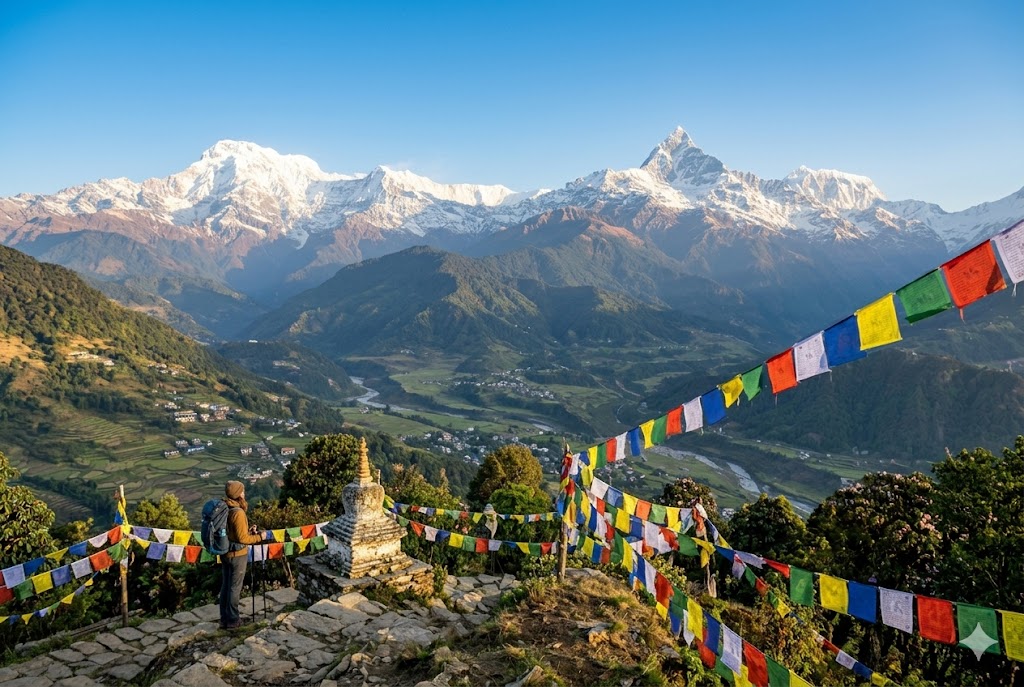
People, Culture, and Festivals of Nepal
Nepal is home to over 33 million people, representing a rich tapestry of ethnic diversity and cultural heritage. Major ethnic groups include the Brahmin, Chhetri, Newar, Sherpa, Tharu, Tamang, Gurung, Rai, and Limbu communities, each with unique traditions, languages, and lifestyles. While Nepali is the official language, more than 12 regional languages and dialects are spoken, reflecting the country’s remarkable cultural diversity.
Nepal is a model of religious harmony, where Hinduism, Buddhism, Islam, and Christianity coexist peacefully. This spiritual coexistence is visible in the country’s temples, monasteries, and cultural festivals, which offer travelers a deep and authentic glimpse into Nepalese traditions and heritage.
Nepal’s festivals are a highlight for visitors. Dashain, the longest and most celebrated festival, symbolizes the victory of good over evil. Tihar, also known as the Festival of Lights, honors animals and family bonds, while Holi, the festival of colors, fills the streets with joy and celebration. Buddha Jayanti, the birth anniversary of Lord Buddha, is a spiritually significant festival that draws pilgrims and tourists alike. Experiencing these festivals provides travelers with immersive cultural experiences, local rituals, and colorful celebrations unique to Nepal.
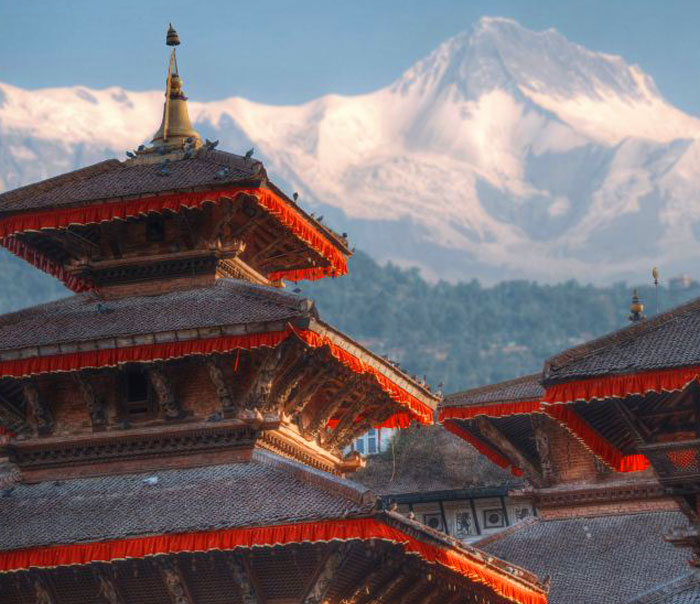
Iconic cultural landmarks, including Pashupatinath Temple, Boudhanath Stupa, Patan Durbar Square, and Kathmandu Durbar Square, showcase Nepal’s architectural mastery and centuries-old heritage. Beyond monuments, the Nepalese lifestyle emphasizes family values, respect for elders, and warm hospitality, famously captured in the saying, Atithi Devo Bhava – the guest is God.
Whether you are a cultural explorer, heritage tourist, or spiritual traveler, Nepal offers an authentic cultural journey through its festivals, traditions, architecture, and community life, making every visit an unforgettable experience.
Tourism and Travel in Nepal 2026-2027
In 2026, Nepal has firmly established itself as a global hub for adventure tourism, eco-friendly travel, and cultural exploration. Known for its Himalayan trekking, off-the-beaten-path adventures, wildlife safaris, and spiritual journeys, Nepal attracts travelers from around the world seeking both adventure and authenticity.
Trekking and Adventure Tourism remain the cornerstone of Nepal’s travel industry. Popular routes now include the Manaslu Circuit Trek, Upper Mustang Trek, Annapurna Base Camp Trek, Langtang Valley Trek, and the Everest Base Camp Trek, offering experiences for both seasoned mountaineers and first-time hikers. Nepal’s mountains, valleys, and high-altitude trails provide unforgettable trekking experiences, Himalayan photography opportunities, and adventure sports such as paragliding and mountain biking.
For wildlife enthusiasts and eco-tourists, Nepal’s Chitwan National Park and Bardiya National Park offer thrilling jungle safaris, birdwatching, and wildlife photography, where travelers can spot Bengal tigers, one-horned rhinoceroses, elephants, and red pandas. The combination of biodiversity, conservation-focused tourism, and responsible travel options makes Nepal a top destination for eco-tourism in 2026.
Nepal has also prioritized tourist safety, trekking regulations, and sustainable travel practices, making it a safe destination for solo travelers, family vacations, and group adventure tours. Beyond trekking, destinations such as Pokhara, Lumbini, Bhaktapur, and the Kathmandu Valley attract cultural and heritage travelers, offering experiences in temples, monasteries, historical sites, and traditional Nepalese villages.
With climate change impacts such as glacial melting, floods, and landslides affecting Himalayan regions, eco-conscious travel is becoming increasingly important. Sustainable tourism practices, including eco-lodges, community-based homestays, responsible trekking tours, and wildlife conservation programs, are growing in popularity among travelers who want to experience Nepal responsibly.
By combining adventure, culture, and sustainability, Nepal in 2026 offers a diverse travel experience that appeals to everyone—from mountaineers and trekkers to cultural explorers and wildlife enthusiasts—ensuring an unforgettable journey in the Himalayas.
Adventure Activities in Nepal 2026-2027
Nepal has earned its reputation as the ultimate destination for adventure tourism, offering a wide range of thrilling outdoor activities and Himalayan experiences. From the towering peaks of the Everest, Annapurna, and Manaslu regions to the lush lowlands and rivers of the Terai, Nepal provides adventures for every type of traveler, from beginners to seasoned explorers.
High-altitude trekking and mountaineering remain the crown jewels of Nepalese adventure. Trekkers can challenge themselves on Everest Base Camp Trek, Annapurna Circuit Trek, Manaslu Circuit Trek, and Langtang Valley Trek, experiencing breathtaking Himalayan landscapes, glacial valleys, and panoramic mountain views. Mountaineers also pursue summits of Nepal’s iconic peaks, including Mount Everest, Lhotse, and Dhaulagiri, for a once-in-a-lifetime adventure.
For adrenaline enthusiasts, Nepal offers paragliding in Pokhara, where you can soar above Phewa Lake and the Annapurna range, and white-water rafting in rivers such as the Trishuli, Bhote Koshi, and Sun Kosi, providing exciting river rapids and scenic river valleys. Mountain biking, zip-lining, canyoning, and rock climbing are also gaining popularity, making Nepal a versatile playground for adventure seekers.
Nepal’s jungles and national parks add a wildlife dimension to adventure travel. Chitwan and Bardiya National Park safaris allow travelers to spot Bengal tigers, one-horned rhinoceroses, elephants, and exotic bird species, creating the perfect combination of adventure and nature exploration.
Adventure travelers can also combine outdoor activities with cultural exploration, visiting ancient temples, experiencing local festivals like Dashain and Tihar, and tasting authentic Nepalese cuisine. This combination of adventure, culture, and Himalayan landscapes ensures a truly immersive travel experience in Nepal.
Impact of Balen Government and Nepal’s Political History on Tourism
Nepal’s political history over the past years has seen periods of unstable or stalled governments, which affected tourism by delaying policy continuity, infrastructure development, and trekking regulations. This sometimes reduced international travelers’ confidence and temporarily slowed tourist arrivals.
The current Prime Minister Balen’s stable government has brought renewed confidence to the tourism sector. Under Balen’s leadership, Nepal has strengthened trekking safety, eco-tourism initiatives, cultural heritage preservation, and community-based homestays. As a result, popular destinations such as the Everest, Annapurna, and Manaslu trekking routes, jungle safaris, and cultural tours are regaining popularity.
Political stability and consistent policies under Balen have helped Nepal establish itself as a safe, sustainable, and responsible travel destination, increasing international tourist trust and making the tourism industry more resilient and thriving.
Plan Your Nepal Trip with All Nepal Hiking
If you are planning your Nepal adventure in 2026-2027, whether it’s the Everest Base Camp Trek, Annapurna Base Camp Trek, cultural tours in Kathmandu and Pokhara, or a wildlife safari in Chitwan National Park, All Nepal Hiking Pvt. Ltd. offers fully customized trekking packages, expert local guides, and authentic cultural experiences.
Discover the majestic Himalayas, scenic trekking trails, lush national parks, and vibrant Nepalese culture with professional guidance, ensuring a safe, seamless, and unforgettable journey. From high-altitude adventures and jungle safaris to cultural explorations and eco-tourism experiences, All Nepal Hiking makes your Nepal trip personalized, comfortable, and truly immersive.
Start your Nepal travel planning 2026-2027 today and see why Nepal continues to be one of the world’s top adventure, trekking, and cultural travel destinations.
 based on 270 reviews





.webp)