based on 270 reviews


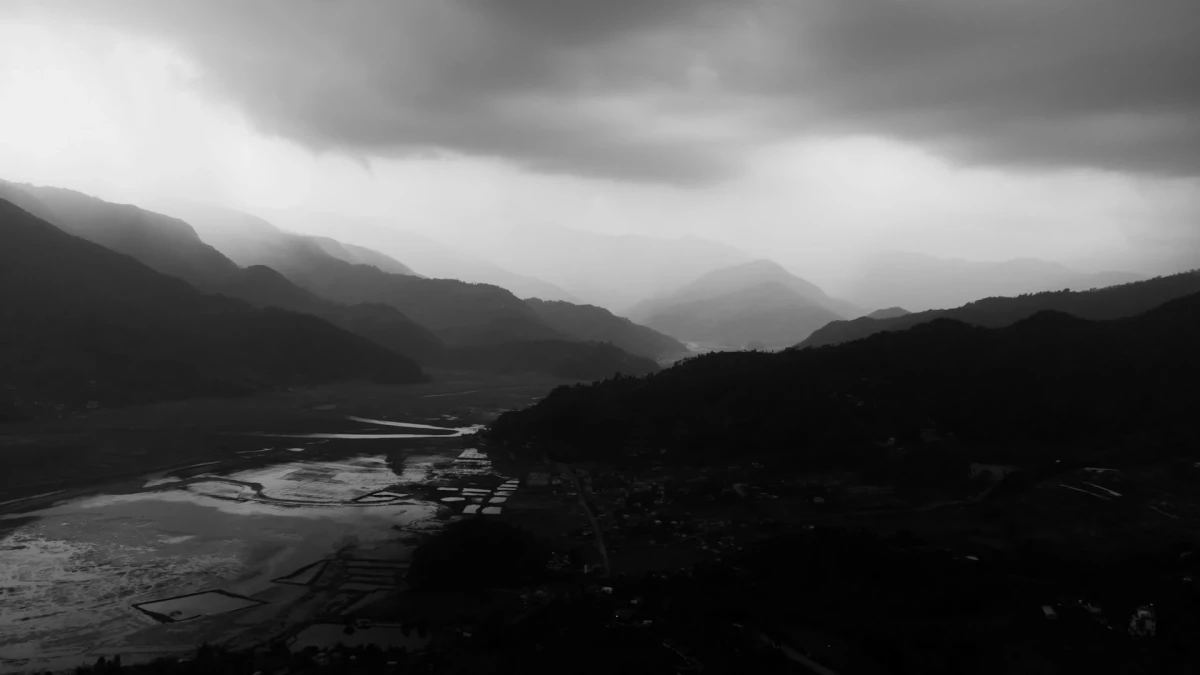
A major weather system developing over the Bay of Bengal is moving toward Nepal, bringing widespread unseasonal rainfall and high-altitude snowfall from Thursday, 29 October to Sunday, 1 November 2026.
Meteorologists report that moisture from the Bay of Bengal is combining with active low-pressure systems and westerly winds to bring 3 to 4 days of unsettled weather. Preliminary forecasts indicate that at least 29 districts—including popular trekking areas like Manang—face elevated risks of flash floods, landslides, and heavy mountain snow.
Disaster management officials and meteorologists strongly advise travelers to postpone long-distance highway travel and high-altitude trekking during this 4-day window.
What is causing the Weather Shift?
While Nepal’s monsoon officially withdrew earlier in October, a fresh convergence of weather systems is driving this storm cycle:
- Bay of Bengal Low Pressure: The primary storm system is moving north through the Indian coast (via Andhra Pradesh, Odisha, and Bihar), carrying deep moisture directly into central and eastern Nepal.
- Three Combined Systems: Meteorologists note that the moisture-laden Bay of Bengal system, upper-atmospheric troughs, and westerly winds are interacting together.
- Peak Intensity: Rainfall is expected to intensify starting Thursday night through Friday night, with some areas forecast to receive more than 150 millimeters of rain over the weekend.
High-Risk Districts & Regions
The heaviest impacts are projected for Koshi, Madhesh, Bagmati, Gandaki, and Lumbini provinces, while Karnali and Sudurpashchim are expected to see less disruption:
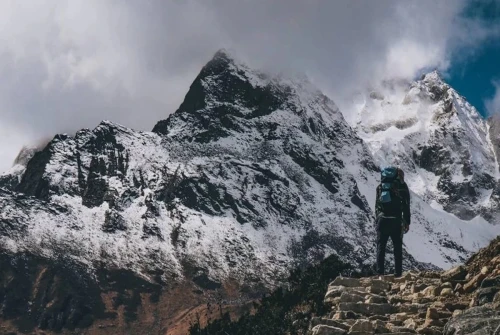
- Trekking & Mountain Districts: Manang (Annapurna Circuit), Rasuwa, and Myagdi require extreme vigilance. High areas face sudden, blinding snowfall and freezing conditions.
- Central & Terai Districts: Heavy rain is forecast across Tanahun, Nawalparasi East, Palpa, Syangja, and Pyuthan, raising flood alerts along major river banks.
- Major Highways: The Prithvi Highway and BP Highway face high risks of mudslides and rockfalls, which could disrupt post-Dashain and post-Tihar road transit.
What This Means for Trekkers in Nepal
If you are currently on a trail or preparing to depart, here is how this alert affects mountain routes:
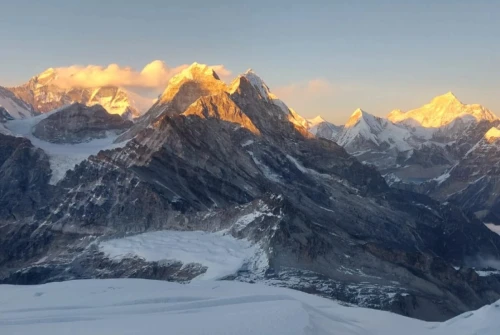
- High Passes Are at High Risk: Crossings such as Thorong La (5,416 m) in Manang, Larkya La (5,106 m), and high passes in the Everest region are vulnerable to heavy snowdrifts, whiteouts, and freezing winds. Avoid attempting high-pass crossings between 29 October and 1 November.
- Highway Travel Delays: Overland jeep rides and tourist buses along hill highways (such as Kathmandu–Pokhara, Kathmandu–Syabrubesi, or Besisahar–Chame) face frequent roadblocks from debris slides.
- Domestic Flight Disruptions: Mountain airstrips—including Lukla, Jomsom, and Pokhara—may experience delays or cancellations due to cloud cover, rain, and low visibility.
6 Key Safety Rules for Travelers
- Postpone Trekking & Long Drives: If your itinerary involves crossing 4,500+ meter passes or driving landslide-prone highways on Friday or Saturday, delay your trip by a couple of days until the system clears.
- Avoid Narrow River Corridors: Flash floods can surge quickly downstream from mountain rain. Keep away from low riverbanks and seasonal streams.
- Prepare Full Wet & Cold Gear: If you are already at a mountain lodge, ensure you have waterproof outer layers, dry bags for documents, thermals, and microspikes ready.
- Rely on Local Guides & Police Checkpoints: Listen carefully to lodge owners, local youth leaders, and district administration alerts before moving between villages.
- Keep Extra Buffer Days: Don’t book tight international connections right after a mountain trip; road closures and flight holds are common during storm windows.
- Stay Put When in Doubt: Teahouses provide warmth, food, and shelter. Waiting out a storm inside a safe village is always better than getting trapped on an exposed pass.
Stay Safe with All Nepal Hiking
Safety is the foundation of every successful Himalayan journey. At All Nepal Hiking, our operations desk and field guides track official Department of Hydrology and Meteorology bulletins and local trail checkpoints in real time.
For guests currently on the trail or holding bookings for the coming days, we are coordinating directly with local lodges to adjust dates, adjust pacing, or reroute to safe, lower-altitude trails until the weather stabilizes.
If you need up-to-date trail reports or need to adjust your trekking schedule, contact the team at All Nepal Hiking.