Why Nepalese Cuisine Is Gaining Global Attention
In recent years, Nepalese cuisine has gained international recognition among food lovers, travelers to Nepal, and culinary tourists. Unlike heavily processed modern diets, traditional Nepali food emphasizes fresh vegetables, lentils, grains, herbs, and locally sourced ingredients, highlighting Nepal’s rich agricultural traditions. This cuisine perfectly balances nutrition, flavor, and sustainability, making it increasingly popular among health-conscious travelers.
The growing global popularity of iconic Nepali dishes such as Momos, Dal Bhat, Thukpa, and Newari cuisine has helped establish Nepal as an emerging culinary destination in Asia. From bustling Kathmandu street food scenes to high-altitude trekking meals, traditional Nepalese food continues to attract international visitors eager to experience authentic flavors.
Top Traditional Nepalese Dishes You Must Try
Dal Bhat: Nepal's National Dish
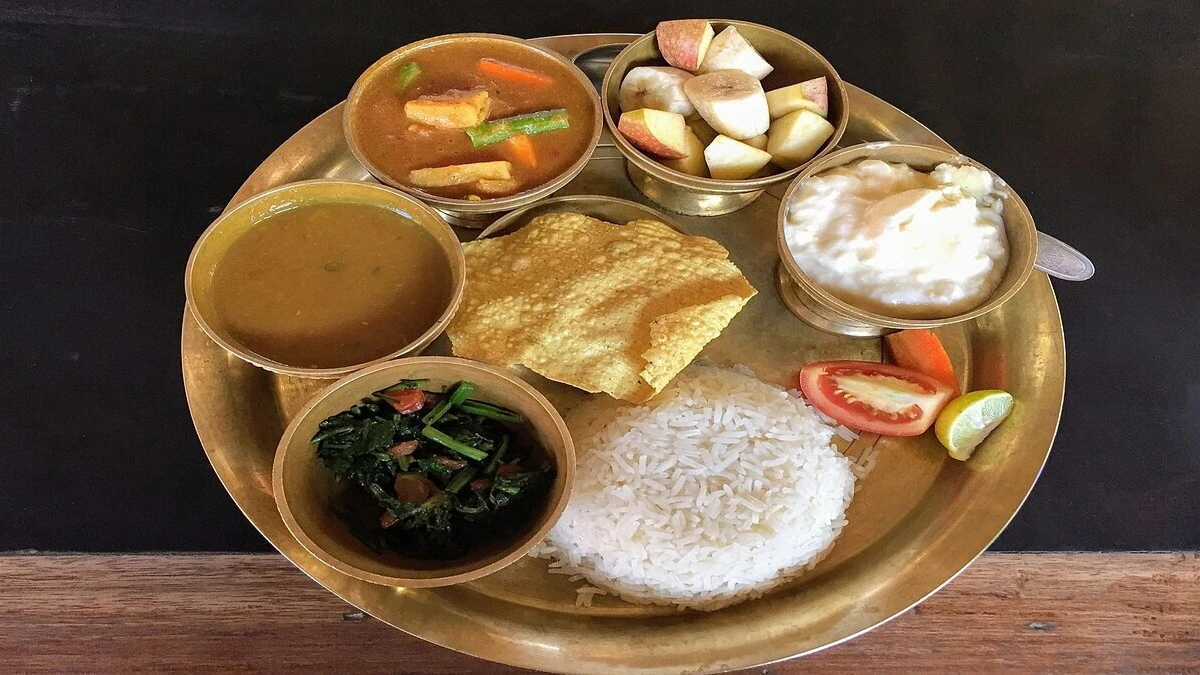
No Nepal food guide would be complete without Dal Bhat, the most popular and widely consumed traditional Nepalese dish. Often referred to as the heart of topical Nepali cuisine, Dal Bhat is a nutritious and satisfying meal enjoyed daily by millions of people across Nepal.
A traditional Dal Bhat meal typically consists of:
Steamed rice (Bhat)
Lentil soup (Dal)
Vegetable curry (Tarkari)
Pickles (Achar)
Leafy greens
Optional chicken, mutton, or buffalo meat curry
As Nepal's national meal, Dal Bhat plays an important role in the country's food culture. Whether you're dining in a local village, a family home, a restaurant in Kathmandu, or a tea house along a Himalayan base camp trekking route, you'll find this iconic dish served almost everywhere.Many travelers quickly become familiar with the famous trekking slogan:
"Dal Bhat Power, 24 Hour."
The phrase reflects the meal's reputation for providing long-lasting energy. Rich in carbohydrates, protein, fiber, vitamins, and minerals, Dal Bhat is especially popular among trekkers exploring destinations such as Everest Base Camp Trek, Annapurna Circuit, Manaslu Trek and Langtang Valley Tour. Many trekking lodges even offer unlimited refills, making it one of the most affordable and value-packed meals in Nepal.
Why Travelers Love Dal Bhat ?
- Highly nutritious and energy-rich
- One of the best traditional Nepali foods for trekking
- Affordable and widely available throughout Nepal
- Provides a balanced combination of protein, carbohydrates, and vegetables
- Served fresh in restaurants, villages, and mountain tea houses
- An authentic cultural experience for visitors exploring Nepalese cuisine
For anyone visiting Himalayas Nepal, trying an authentic plate of Dal Bhat is an essential culinary experience and one of the best ways to connect with Nepal's rich food traditions.
Momos: Nepal's Most Famous Street Food
Ask any traveler about the most memorable Nepali food, and chances are they'll mention Momos. These delicious dumplings have become the face of Nepalese cuisine and are widely considered Nepal's most popular street food. Found everywhere from bustling streets in Kathmandu to mountain tea houses along trekking routes, Momos are a must-try dish for every visitor.Momos are soft dumplings filled with a variety of ingredients, including:
Chicken
Buffalo meat (Buff)
Pork
Fresh vegetables
Cheese (Paneer)
Traditionally, Momos are served with a spicy and flavorful tomato-based achar (dipping sauce) that enhances their taste and adds a signature Nepali touch. Depending on your preference, they can be prepared in several different styles, making them one of the most versatile dishes in traditional Nepalese food.
Types of Momos to Try
Steamed Momos:The classic version, featuring soft dumpling wrappers filled with juicy meat or vegetables.
Fried Momos:Deep-fried until golden and crispy, offering a crunchy twist on the traditional recipe.
Jhol Momos:Served in a rich, spicy, soup-like sauce made with tomatoes, sesame seeds, and local spices.
Chili Momos:Stir-fried with onions, peppers, and spicy sauces for a bold and flavorful experience.
Kothey Momos:Pan-fried on one side and steamed on the other, combining crispy and soft textures in every bite.
Why Travelers Love Momos ?
- One of the most iconic Nepal street foods
- Affordable and available throughout Nepal
- Available in vegetarian and non-vegetarian options
- Perfect as a snack, lunch, or dinner
- Packed with flavor and served with delicious homemade achar
- A must-try dish when exploring Nepalese cuisine
Momos continue to dominate Nepal's food culture and remain the country's favorite comfort food. Whether you're exploring local restaurants in Kathmandu valley , visiting Pokhara, or trekking through the Himalayas, tasting authentic Momos is an essential part of any Nepal travel food guide and a culinary experience you won't forget.
Thakali Khana Set: A Premium Nepali Meal
The Thakali people of the Mustang region in Nepal have developed one of the country's most refined culinary traditions. Known for its balance, flavor, and variety, the Thakali Khana Set is considered a premium version of the famous Dal Bhat, offering travelers a more elaborate and culturally rich dining experience.A traditional Thakali Set typically includes:
Steamed rice
Lentil soup (Dal)
Vegetable curries (Tarkari)
Pickles (Achar)
Meat dishes (chicken, buffalo, or goat)
Yogurt
Ghee
This meal is carefully designed to provide a complete balance of carbohydrates, protein, and vitamins, making it both nutritious and satisfying. Its variety of flavors from the spiced curries to the tangy pickles offers a unique culinary insight into traditional Nepali cuisine.
Why Travelers Should Try the Thakali Khana Set
- Premium, authentic Nepali meal experience
- Offers a perfect balance of nutrition and taste
- Showcases the rich food culture of the Mustang region
- Ideal for travelers seeking local culinary traditions
- Often paired with local beverages for a full cultural experience
Whether you are exploring Pokhara valley, trekking in Mustang valley, or visiting cultural restaurants in Kathmandu, the Thakali Khana Set provides a memorable way to taste the authentic flavors of Nepal. For food enthusiasts, this meal is a must-try when following any Nepal travel food guide 2027.
Thukpa: Himalayan Comfort Food
Thukpa is a warm, hearty noodle soup that has its roots in Tibetan cuisine and has become a beloved staple throughout Nepal’s mountain regions. Known for its comforting flavors and nutritional value, Thukpa is the perfect dish for travelers seeking warmth and energy after a day of trekking or exploring high-altitude villages.A traditional Nepali Thukpa is made with:
Noodles (egg or wheat)
Fresh vegetables (cabbage, carrots, spinach)
Chicken or mutton
Garlic and ginger
Himalayan spices (turmeric, chili, cumin)
Why Thukpa Is Loved by Travelers
- Provides warmth and nourishment in cold Himalayan weather
- Popular among trekkers in Nepal for its energy-boosting properties
- Easy to find in mountain tea houses, local restaurants, and street stalls
- Vegetarian and non-vegetarian versions available
- Reflects the Tibetan influence on Nepalese cuisine
Whether you’re trekking the Annapurna Circuit, Trek to Langtang Valley, or exploring remote Nepalese villages, enjoying a hot bowl of Thukpa is an essential Nepal food experience. It’s a flavorful reminder of the region’s Himalayan culture and the comfort of traditional Nepali noodle dishes.
Sel Roti: Nepal's Traditional Sweet Bread
Sel Roti is one of Nepal’s most cherished traditional foods, known for its unique taste and cultural significance. This ring-shaped, deep-fried bread is made from fermented rice flour batter, giving it a slightly sweet flavor and a light, airy texture. Crispy on the outside and soft on the inside, Sel Roti is both a snack and a festive treat.
Sel Roti is commonly enjoyed during major Nepali festivals such as Dashain and Tihar, and it holds a special place in the hearts of locals and travelers alike. It’s often served alongside other traditional dishes or simply eaten on its own.
Best Pairings for Sel Roti
Yogurt – balances sweetness with a creamy texture
Milk tea (Chiya) – a classic Nepali breakfast or snack combination
Vegetable curry – adds savory depth to the meal
Many travelers compare Sel Roti to a cross between a donut and a bagel, but its unique flavor and cultural context make it truly one-of-a-kind. Trying Sel Roti is a must for anyone exploring Nepalese cuisine in 2027, especially during festive seasons when it is freshly prepared and widely available.
Why Travelers Test Sel Roti
Traditional and authentic Nepali snack
Perfect for breakfast, tea time, or festival celebrations
Widely available in local markets, street stalls, and restaurants
Offers a taste of Nepal’s rich culinary heritage
Ideal for pairing with Chiya or light curries
Sampling Sel Roti gives travelers not only a delicious treat but also a glimpse into Nepalese food culture and festival traditions.
Dhido: The Ancient Superfood
Dhido is one of Nepal’s oldest and most traditional dishes, often called the ancient superfood of the Himalayas. Before rice became widely available, Dhido was a staple in the hills and mountain regions of Nepal, providing sustenance and energy to locals for generations.
This hearty dish is made from nutritious flours such as:
Millet flour
Buckwheat flour
Maize flour
Dhido is naturally gluten-free, high in fiber, and packed with essential nutrients, making it increasingly popular among health-conscious travelers seeking authentic and wholesome Nepalese cuisine. Its simple preparation masks a deeply satisfying texture, slightly chewy and firm, perfect for scooping up accompanying dishes.
How Dhido Is Served
Dhido is traditionally served with:
This combination creates a balanced meal of protein, fiber, and vitamins, ideal for trekking in the mountains or experiencing rural Nepalese village life.
Why Travelers Should Try Dhido
- Ancient and authentic Nepali dish
- Gluten-free and nutritious, appealing to health-conscious visitors
- Provides a traditional experience of rural Nepalese food culture
- Served with flavorful curries and pickles for a wholesome meal
- Perfect for those wanting to explore unique Himalayan foods
For travelers, tasting Dhido is not only a culinary adventure but also a connection to Nepal’s rich history and mountain traditions. It’s a must-try for anyone looking to experience the authentic flavors of Nepal beyond the popular street foods.
Gundruk: Nepal's Famous Fermented Dish
Gundruk is one of the most unique and traditional foods in Nepalese cuisine, especially popular in the hill and mountain regions of Nepal. It is made by fermenting leafy green vegetables such as mustard leaves, radish leaves, or spinach, creating a distinct tangy flavor that is deeply rooted in rural Nepali food culture.
Rich in probiotics, fiber, and essential nutrients, Gundruk is valued not only for its taste but also for its health benefits. It is a staple in many Nepali households and an important part of traditional mountain diets.Gundruk can be enjoyed in several ways:
As a soup – warm, sour, and comforting, especially in cold weather
As a side dish – served with rice, lentils, or Dhido
As a pickle (Achar) – adding a tangy kick to meals
Why Travelers Should Try Gundruk
- One of the most authentic traditional Nepalese foods
- Rich in probiotics, supporting digestive health
- Offers a unique fermented flavor unlike most global cuisines
- Common in rural Nepalese villages and mountain regions
- A key part of Himalayan food culture
For travelers exploring Nepal in 2027, tasting Gundruk is a great way to experience the depth of Nepali food traditions beyond popular dishes like Momos and Dal Bhat. It represents the creativity and resourcefulness of Nepalese mountain cuisine, where fermentation has long been used to preserve food for harsh seasons.
Newari Cuisine: Nepal's Hidden Culinary Treasure
The Newar community of the Kathmandu Valley has cultivated one of South Asia’s most sophisticated and flavorful food cultures. Known for its diversity, creativity, and ceremonial significance, Newari cuisine is a must-try for travelers seeking an authentic Nepalese culinary experience.Some of the most popular Newari dishes include:
Chatamari – The Nepali Pizza: A thin rice-flour crepe topped with eggs, minced meat, or vegetables, and seasoned with aromatic spices. Often served as a snack or appetizer, Chatamari is a street food favorite in Kathmandu.
Yomari – Sweet Festival Dumplings: Steamed rice dumplings filled with molasses or sweet milk solids, traditionally prepared during festivals like Yomari Punhi. Yomari offers a sweet taste of Newar culinary traditions.
Bara – Savory Lentil Pancakes: Protein-packed lentil pancakes that are soft, flavorful, and commonly eaten as a snack or side dish. Bara highlights the Newars’ mastery of legumes in their cuisine.
Choila – Spiced Grilled Meat: A signature Newari meat dish, Choila features grilled meat (usually buffalo or chicken) marinated with spices, mustard oil, and chili. It is often served as part of a larger feast or with rice and beaten rice.
Samay Baji – Ceremonial Feast: A traditional Newari platter consisting of beaten rice, eggs, beans, meat, pickles, and greens. Samay Baji is served during special occasions and festivals, offering a complete and flavorful cultural dining experience.
Why Should Try Newari Cuisine during a Nepal Trip ?
- Offers one of the richest culinary traditions in Nepal
- Unique combination of flavors, textures, and festive foods
- Available in restaurants, local eateries, and festival celebrations in Kathmandu Valley Nepal
- Provides insight into the cultural and historical significance of Nepalese food
- Perfect for travelers seeking authentic and diverse Nepali dishes
Exploring Newari cuisine is like uncovering a hidden treasure of Nepalese gastronomy, making it an essential part of any Nepal food guide for 2027. Travelers will enjoy the combination of street foods, ceremonial dishes, and sweet treats, all while experiencing the heart of Kathmandu Valley’s culinary heritage.
Sukuti: Nepal's Dried Meat Delicacy
Sukuti is a traditional Nepali dried meat delicacy that has been enjoyed in the Himalayan and hill regions of Nepal for generations. Usually made from buffalo or goat meat, Sukuti is preserved through air-drying, making it a flavorful and protein-rich snack for locals and travelers alike.Depending on preparation, Sukuti can be:
Smoked – giving the meat a deep, rich flavor
Grilled – perfect for a smoky outdoor treat
Stir-fried with spices – adding aromatic Nepali seasonings for extra taste
Sukuti is especially popular among trekkers exploring the Annapurna and Everest regions, as its dried, flavorful meat provides a satisfying, long-lasting snack. For travelers in 2027, tasting Sukuti is a must for anyone wanting to experience the rich variety of Nepalese cuisine, from street snacks to hearty mountain foods.
Aloo Tama: Nepal's Tangy Curry Delight
Aloo Tama is one of Nepal’s most distinctive and unique dishes, combining potatoes, fermented bamboo shoots (Tama), and black-eyed beans to create a tangy, flavorful curry. Popular across the Kathmandu Valley,Chitwan and beyond, this dish reflects Nepal’s love for combining simple ingredients into complex, satisfying flavors.
The fermented bamboo shoots give Aloo Tama its signature sourness, balanced by the hearty potatoes and protein-rich black-eyed beans. It is often served with steamed rice (Bhat), making it a filling and wholesome meal.
Why Travelers Should Try Aloo Tama
- Offers a unique flavor experience unlike typical South Asian curries
- Represents authentic Nepalese vegetarian cuisine
- Widely served in homes, local restaurants, and traditional Newari meals
- High in nutrients, combining protein, fiber, and carbohydrates
- Perfect for adventurous eaters seeking authentic Nepalese dishes
For travelers exploring Nepal in 2027, Aloo Tama is a must-try for its distinctive taste and cultural significance. It’s a perfect example of how Nepalese cuisine transforms simple local ingredients into memorable meals that reflect the country’s rich culinary traditions.
Tibetan Bread: A Trekker’s Favorite
Tibetan bread is a staple in Nepal’s mountain regions, especially along popular trekking routes. Influenced by Tibetan cuisine, this bread is hearty, filling, and easy to prepare, making it a perfect energy source for trekkers. Tibetan bread is usually:
Fried or baked until golden and slightly crispy
Made from wheat flour or a mix of local flours
Often served with butter, jam, or curry
Why Travelers Love It
- Provides a quick, filling snack during treks
- Easy to digest and keeps well at high altitudes
- Pairs well with tea, milk, or soup
- Readily available in teahouses and mountain lodges
Tibetan bread is more than just a snack; it’s a cultural culinary experience, reflecting the cross-cultural influences between Nepal and Tibet. For trekkers in 2027, it’s a must-try alongside other staple trekking meals like Dal Bhat and Thukpa.
Best Nepalese Street Foods in 2027
Nepal street food is an essential part of the country’s vibrant Nepalese cuisine, offering travelers a quick, affordable, and flavorful way to experience local culture. From bustling markets in Kathmandu to fewa lakeside stalls in Pokhara, street food in Nepal is everywhere and loved by locals and visitors alike.
These popular Nepali street foods are easy to find and packed with bold flavors:
Momos – Nepal’s most famous dumplings served steamed, fried, or in spicy soup
Chatpate – a spicy, tangy mix of puffed rice, vegetables, and crunchy snacks
Panipuri – crispy hollow puris filled with spicy, sour water and chickpeas
Sekuwa – traditional grilled meat skewers marinated in Nepali spices
Aloo Chop – spiced mashed potato fritters, crispy and filling
Samosa – deep-fried pastry filled with potatoes and spices
Pakoda – crispy fried vegetables or onion fritters
Chowmein – Nepali-style stir-fried noodles with vegetables and meat options
Whether you're exploring street stalls in Thamel Kathmandu, relaxing by Phewa Lake in Pokhara, or stopping at roadside vendors during a road trip, trying Nepal street food is one of the most exciting culinary experiences.
Traditional Nepali Drinks to Try
Exploring Nepalese cuisine is not complete without experiencing its wide variety of traditional Nepali drinks. From warm Himalayan teas to fermented mountain beverages, these drinks reflect Nepal’s diverse geography, culture, and lifestyle.
Chiya (Nepali Milk Tea): Chiya is Nepal’s most popular daily drink. It is a strong milk tea flavored with spices such as cardamom, ginger, and cloves. Served hot in homes, tea shops, and trekking lodges, Chiya is an essential part of Nepali food culture and social life.
Tongba (Fermented Millet Drink): Tongba is a traditional alcoholic drink from eastern Nepal, especially popular among the Rai and Limbu communities. It is made from fermented millet and served warm water is poured over it, allowing it to be sipped slowly through a bamboo straw. It’s a unique Himalayan beverage experience for adventurous travelers.
Chyang (Fermented Rice Beer): Chyang is a mild fermented rice drink enjoyed in many ethnic communities across Nepal. Often homemade, it is served during festivals, gatherings, and special occasions, offering a slightly sweet and sour taste.
Lassi (Yogurt Drink): Lassi is a refreshing yogurt-based drink, perfect for warm weather. It can be sweet or salty and is commonly found in restaurants and street stalls in cities like Kathmandu and Pokhara.
Butter Tea (Suja): Popular in Himalayan regions influenced by Tibetan culture, butter tea is made with tea leaves, yak butter, and salt. It is rich, energizing, and especially useful in cold high-altitude environments.
Why Travelers Should Try Nepali Drinks
- Reflects authentic Nepalese beverage culture
- Includes both refreshing and energy-rich options
- Found across cities, villages, and trekking routes
- Offers insight into Himalayan and ethnic traditions
- Complements traditional Nepali food experiences
From a warm cup of Chiya in a Kathmandu café to butter tea in a mountain lodge, traditional Nepali drinks add depth and authenticity to any culinary journey through Nepal 2027.
Food for Trekkers in Nepal 2027 Guide
If you're planning trekking in Nepal in 2027, choosing the right food is essential for maintaining energy, stamina, and overall health during high-altitude adventures. Nepali trekking food is designed to be simple, filling, and nutritious, making it perfect for long hikes in the Himalayas.
Whether you're trekking to Everest Base Camp, the Annapurna Base Camp, or exploring remote trails, you’ll find a consistent selection of reliable meals in teahouses along the route.
Recommended Trekking Meals in Nepal
Dal Bhat – The most important trekking food in Nepal, offering unlimited energy with rice, lentils, vegetables, and pickles
Thukpa – Warm noodle soup ideal for cold mountain weather and altitude comfort
Garlic Soup – Popular among trekkers for helping with digestion and altitude adaptation
Fried Rice – Simple, filling, and easy to prepare in mountain lodges
Tibetan Bread – Fried or baked bread often served with honey, jam, or eggs
Pancakes – A common breakfast option in trekking tea houses
Noodle Soups – Light, warm, and easy-to-digest meals for high altitudes
Why Trekking Food Matters in Nepal
- Helps maintain energy during long hiking days
- Supports acclimatization at high altitudes
- Easily available in mountain tea houses
- Balanced mix of carbohydrates, proteins, and hydration-friendly meals
- Essential part of the Nepal trekking experience
For travelers in 2027, experiencing trekking food in Nepal is just as important as the landscapes themselves. From a hot bowl of Thukpa in the mountains to a full plate of Dal Bhat after a long hike, these meals keep trekkers strong, warm, and ready for the next trail.
Nepalese Breakfast Foods Travelers Should Try
A traditional Nepali breakfast is simple, hearty, and designed to provide energy for a long day of travel, work, or trekking. Across Nepalese cuisine, breakfast habits vary widely between urban cafés in cities like Kathmandu and Pokhara, and rural villages where meals are more traditional and locally sourced.
Common Traditional Nepali Breakfast Foods
Chiya (Milk Tea) – The most essential morning drink in Nepal, flavored with spices like ginger, cardamom, and cloves
Roti – Flatbread often served with vegetables, pickles, or curry
Sel Roti – A traditional ring-shaped rice bread, slightly sweet and crispy, commonly enjoyed during festivals and special mornings
Chiura (Beaten Rice) – Light and crunchy rice flakes often eaten with yogurt, eggs, or curry
Eggs – Boiled, fried, or scrambled, commonly served in both urban and rural breakfasts
Potato Curry (Aloo Tarkari) – A flavorful and filling side dish made with local spices
Urban vs Rural Breakfast Traditions
Breakfast culture in Nepal varies significantly depending on location. In urban areas like Kathmandu Valley, travelers will find modern cafés offering continental breakfasts alongside traditional Nepali dishes. In contrast, rural regions focus more on home-cooked meals, often using seasonal ingredients, homemade pickles, and traditional staples like Chiura and Roti.
For Travellers, trying a Nepali breakfast is a simple but meaningful way to experience authentic Nepalese cuisine and understand how locals begin their day across different regions of the country.
Food Etiquette in Nepal
Understanding Nepalese dining customs can greatly enhance your culinary experience and show respect for local culture. Food in Nepal is more than sustenance; it's an expression of hospitality, tradition, and community.Useful Tips for Travelers
Eat with your right hand – In traditional settings, using the right hand is considered polite, as the left hand is reserved for hygiene purposes.
Accept food respectfully – If offered a dish, it is courteous to try at least a small portion.
Try local dishes first – Experiencing traditional Nepali cuisine before requesting international alternatives shows appreciation for the culture.
Sharing is common – During festivals, celebrations, and family meals, sharing food is a common practice and reflects communal values.
Respect hospitality – Hosts take pride in offering generous portions; politely accepting food and complimenting the meal is appreciated.
Avoid wasting food; finishing your plate shows respect
In restaurants, tipping is not mandatory but appreciated
Observe how locals serve and eat, especially during cultural ceremonies
Removing shoes before entering some homes or traditional eateries is common
Following these simple Nepalese food etiquette tips will help travelers connect with locals, enjoy authentic meals, and experience the warmth and generosity that define Nepalese hospitality.
Is Nepalese Food Vegetarian-Friendly?
Absolutely. Nepal is a very vegetarian-friendly destination, thanks to many communities that traditionally consume plant-based meals. Vegetarian travelers will find a wide variety of flavorful options across cities, villages, and trekking lodges, making it easy to enjoy authentic Nepalese cuisine without meat.
Popular Vegetarian Dishes in Nepal
Dal Bhat – A balanced meal of rice, lentils, vegetables, and pickles
Vegetable Momos – Steamed or fried dumplings filled with seasonal vegetables
Bara – Protein-rich lentil pancakes
Gundruk – Fermented leafy greens served as soup, side dish, or pickle
Aloo Tama – Tangy curry made with potatoes, fermented bamboo shoots, and black-eyed beans
Chatamari – Rice-flour crepes topped with vegetables and spices
Seasonal vegetable curries – Fresh, locally sourced vegetables cooked with Nepali spices
Are Vegan-Friendly Options on Menu?
Many Nepalese restaurants are also accommodating to vegan diets, often substituting dairy or eggs with plant-based alternatives. Dishes like Dal Bhat, Gundruk, and Aloo Tama are naturally vegan or can easily be adapted.
Why Nepal Is Great for Vegetarian Travelers
- Abundant plant-based dishes reflecting local culture
- Fresh, seasonal vegetables available year-round
- Vegan-friendly options increasingly available in urban centers
- Vegetarian meals are hearty, flavorful, and satisfying
- A chance to explore authentic Nepalese flavors without meat
For vegetarian or vegan travelers in 2027, Nepal offers not only safety in dietary choices but also rich culinary experiences that are authentic, traditional, and delicious.
Final Thoughts
Nepalese cuisine is one of Asia’s most underrated culinary treasures. From the nourishing simplicity of Dal Bhat to the irresistible appeal of Momos, and the rich traditions of Newari cuisine, every meal tells a story of Nepal’s history, geography, and vibrant culture.
To visit Nepal in 2027, exploring local food is as rewarding as trekking the Himalayas or visiting ancient temples. Whether you’re:
Dining in the bustling streets of Kathmandu,
Enjoying a Thakali Khana Set in Pokhara, or
Sharing Dal Bhat with locals in a remote mountain village,
Nepal’s cuisine offers unforgettable flavors, hearty meals, and authentic cultural experiences.
Every dish, from fermented Gundruk to sweet Sel Roti, and every drink, from Chiya to Tongba, reflects the diverse landscapes and traditions of this remarkable country. For travelers eager to explore Nepalese gastronomy,2027 promises a culinary journey as rich and varied as the Himalayas themselves.
 based on 270 reviews