Mount Everest Trek Cost and Budget
How much does the Everest Base Camp trek cost?
Mount Everest Base Camp trek cost ranges from USD 999 to USD 2,500 per person, depending on your chosen trekking package, guide and porter services, domestic flights, accommodation, group size, and travel style. Budget treks generally include teahouse accommodation, while luxury Everest Base Camp trek with premium lodges and a helicopter return can cost USD 3,500–5,000 or more.
At All Nepal Hiking, we design transparent and flexible Everest Base Camp trekking packages that suit different budgets, from standard group trek to fully customized private adventures with experienced local guides.
What is included in the Everest Base Camp trek package?
Most standard trekking packages include:
Airport transfers
Kathmandu hotel accommodation (before and after the trek)
Round-trip flights between Kathmandu (or Ramechhap) and Lukla
Licensed trekking guide
Porter service (shared or private)
Trekking permits
Teahouse accommodation during the trek
Three meals per day on the trail
Government taxes and company service charges
At All Nepal Hiking, all major logistics such as permits, flights, accommodation, and guide support are handled in advance to ensure a smooth and stress-free trekking experience.
What expenses are usually not included?
Common personal expenses include:
Nepal visa fees
International flights
Travel insurance
Personal trekking gear and equipment
Tips for guides and porters
Alcoholic beverages and soft drinks
Bottled water
Wi-Fi and internet access
Mobile charging fees
Hot showers
Laundry services
Personal snacks and souvenirs
How much extra cash should I carry on the Everest Base Camp trek per day?
It's recommended to carry USD 20–40 per day (or the equivalent in Nepali Rupees) for personal expenses. This usually covers:
Wi-Fi access
Charging phones, cameras, and power banks
Hot showers
Extra tea, coffee, and soft drinks
Snacks, chocolate, and energy bars
Bottled or boiled drinking water
Bakery items and desserts
Small donations or temple entrance fees (where applicable)
How much money should I take in total?
A safe budget is USD 300–500 in cash, excluding your prepaid trekking package. If you plan to purchase souvenirs, rent equipment, or enjoy extra comforts, consider carrying additional funds.
At All Nepal Hiking, we always advise trekkers during the pre-departure briefing on how to budget realistically based on their itinerary and travel style.
Should I carry cash or use a credit card?
Cash is the preferred payment method throughout the Mount Everest region. Most teahouses, bakeries, and local shops do not accept international credit or debit cards. While a few places in Lukla,Namche Bazaar and Dingboche accept card payments, they often charge additional transaction fees.
Are there ATMs on the Everest Base Camp trail?
ATMs are available in Kathmandu,Lukla bazzar and Namche Bazaar, but on trail cannot always be relied upon due to power outages, poor internet connections, or cash shortages. There are no dependable ATMs beyond Namche Bazaar, so withdraw enough cash before your trek begins.
Should I exchange money before flying to Lukla?
Yes. Exchange your money into Nepalese Rupees (NPR) before flying to Lukla. Currency exchange services are readily available in Kathmandu, while exchange options in the Everest region are extremely limited and usually offer less favorable rates.
At All Nepal Hiking, we always recommend preparing your cash and essentials in Kathmandu before starting the trek to avoid inconvenience in the mountains.
Do I need to tip my guide and porter?
Tipping is not mandatory, but it is a long-standing tradition in Nepal and is greatly appreciated. Many trekkers budget approximately 10–15% of the trek cost for tips, depending on the quality of service and the size of the trekking team.
Can I reduce the cost of the Everest Base Camp trek?
Yes. You can save money by:
Trekking during the shoulder seasons
Joining a small group instead of booking a private trek
Bringing your own trekking gear instead of renting
Limiting purchases of bottled drinks, snacks, and alcoholic beverages
Carrying a reusable water bottle and using water purification tablets or filters instead of buying bottled water
Pro Tip: Convert enough cash into Nepalese Rupees (NPR) before flying to Lukla. Cash is essential in the Everest region, and smaller teahouses rarely accept cards or foreign currency. Planning your budget in advance helps you avoid unnecessary stress and ensures a smoother trekking experience.
For personalized advice and fully organized Everest Base Camp trekking packages, All Nepal Hiking provides expert guidance and local support to help you plan your trek with confidence.
EBC Trekking Difficulty and Physical Preparation
How difficult is the Everest Base Camp trek?
The Everest Base Camp trek difficulty is generally classified as moderate to challenging. Unlike technical mountaineering, it does not require climbing skills, ropes, or specialized equipment. However, the real challenge comes from the high altitude (up to 5,364 meters / 17,598 feet), long trekking days, and reduced oxygen levels.
With proper preparation and a well-planned itinerary, most fit trekkers can successfully complete the journey.
How hard is the daily trek to Everest Base Camp?
Trekkers typically walk 5–7 hours per day across rugged Himalayan terrain, including stone steps, forest trails, suspension bridges, and steep ascents and descents.
Although the distances are not extreme, the combination of thin air, altitude gain, and continuous uphill walking makes the trek more demanding than regular hiking. Proper acclimatization and pacing are essential for success.
Is the Everest Base Camp trek suitable for beginners?
Yes. The Everest Base Camp trek for beginners is absolutely possible. Every year, hundreds of first-time trekkers complete the journey successfully.
You do not need prior high-altitude trekking experience. However, you should have:
Good cardiovascular fitness
Basic hiking or walking experience
Strong mental preparation
A well-paced itinerary with acclimatization days
Choosing a guided trek with a structured plan (such as those offered by All Nepal Hiking) significantly increases your chances of success.
Can a normal person trek to Everest Base Camp?
Yes. A healthy, average person with basic fitness can complete the Everest Base Camp trek. You do not need to be an athlete or mountaineer; consistency, patience, and determination matter more than extreme fitness levels.
Can I do the EBC trek without training?
Technically, yes but it is not recommended.
Most trekking experts strongly advise 8–12 weeks of preparation, including:
Cardio training (running, cycling, swimming)
Stair climbing or hill walking
Long-distance hiking practice
Strength training for legs and core
Proper training greatly improves your endurance, reduces injury risk, and helps prevent altitude sickness (AMS).
Can I trek to Everest with no experience?
Yes, prior trekking experience is helpful but not required. However, first-time trekkers should focus on:
Gradual ascent itinerary
Proper acclimatization schedule
Physical preparation before arrival
Mental readiness for long trekking days
With the right support and guidance, beginners successfully complete this Himalayan adventure every year.
How many people fail the Everest Base Camp trek?
Only a small percentage around 5% to 10% of trekkers do not complete the Everest Base Camp trek.
The most common reasons include:
Acute Mountain Sickness (AMS)
Poor acclimatization planning
Rushed itineraries
Lack of physical preparation
Choosing a properly structured itinerary with rest days significantly increases summit success to base camp.
What is the most important factor for EBC Trekking success ?
The single most important factor is acclimatization. Slow ascent, hydration, proper pacing, and rest days (especially in places like Namche Bazaar and Dingboche) are crucial for a safe and successful trek.
At All Nepal Hiking, all itineraries are designed with scientifically planned acclimatization days to maximize safety and trekking success while reducing altitude risks.

Everest Base Camp Trekking Itinerary and Duration
What is the perfect Everest Base Camp itinerary?
The Everest Base Camp itinerary is 12 days round-trip from Lukla. This duration is widely considered the safest and most effective plan because it allows proper acclimatization days, which are essential for preventing altitude sickness while ascending gradually.
what is Classic Everest Base Camp Route ?
The most popular and time-tested route follows this path:
Lukla → Phakding → Namche Bazaar (Acclimatization) → Tengboche → Dingboche (Acclimatization) → Lobuche → Gorak Shep → Everest Base Camp → Kala Patthar → Return to Lukla.This route balances adventure, safety, and proper altitude adaptation.
How long does the Everest Base Camp trek take?
The standard Everest Base Camp trek duration is 12 Days, covering both ascent and descent.
This makes it one of the most iconic long-distance Himalayan trekking routes in Nepal.
Can you do the short Everest Base Camp trek in 10 days or less?
Yes, it is possible but it is not recommended for most trekkers.
A 9–10 day itinerary reduces acclimatization time, increasing the risk of acute mountain sickness (AMS). Short itineraries are only suitable for:
Very experienced high-altitude trekkers
Extremely fit individuals
Trekkers using a helicopter return option to reduce descent time
For most travelers, a longer itinerary is significantly safer and more enjoyable.
What is the shortest possible Everest Base Camp trek?
The shortest possible EBC trek is around 7–10 days, but this is considered a fast-track itinerary. It requires:
Most trekking experts strongly recommend avoiding such compressed schedules unless absolutely necessary.
How many kilometers and Miles is the Everest Base Camp trek?
The total trekking distance is approximately:
The route includes steep ascents, descents, suspension bridges, and high-altitude terrain.
How many Everest Base Camp itineraries are there?
There are variations of the Everest Base Camp trek, including:
Classic 12–14 Day Trek (most popular)
EBC with Helicopter Return (luxury option)
Gokyo Lakes Trek (scenic alternative route)
Three Passes Trek (most challenging circuit)
Short Everest Base Camp Trek (fast-paced version)
Each itinerary differs in difficulty, scenery, and acclimatization structure.
How long is the helicopter flight from Everest Base Camp?
A helicopter return flight from Gorak Shep or EBC to Kathmandu takes approximately 45 minutes to 1 hour and Flight duration depends on weather conditions and landing permissions in the Himalayas.
What is the difference between a short Everest trek and the full EBC trek?
Everest Short Trek: Visits lower viewpoints like Namche Bazaar or Tengboche for mountain views without reaching base camp
Short EBC Trek: Attempts to reach Everest Base Camp in fewer days, often with reduced acclimatization time
Classic EBC Trek: A full 12 day itinerary designed for safety, comfort, and proper altitude adaptation
How many days are recommended for the Everest Base Camp route?
For the best balance of safety, enjoyment, and success rate, most trekking experts recommend 12 days minimum
This allows proper acclimatization and significantly reduces the risk of altitude sickness.
At All Nepal Hiking, all Everest Base Camp itineraries are carefully designed with scientifically planned acclimatization days to ensure a safe and successful trekking experience.
Mt.Everest Base Camp Accommodation and Food
Where do you sleep on the Everest Base Camp trek?
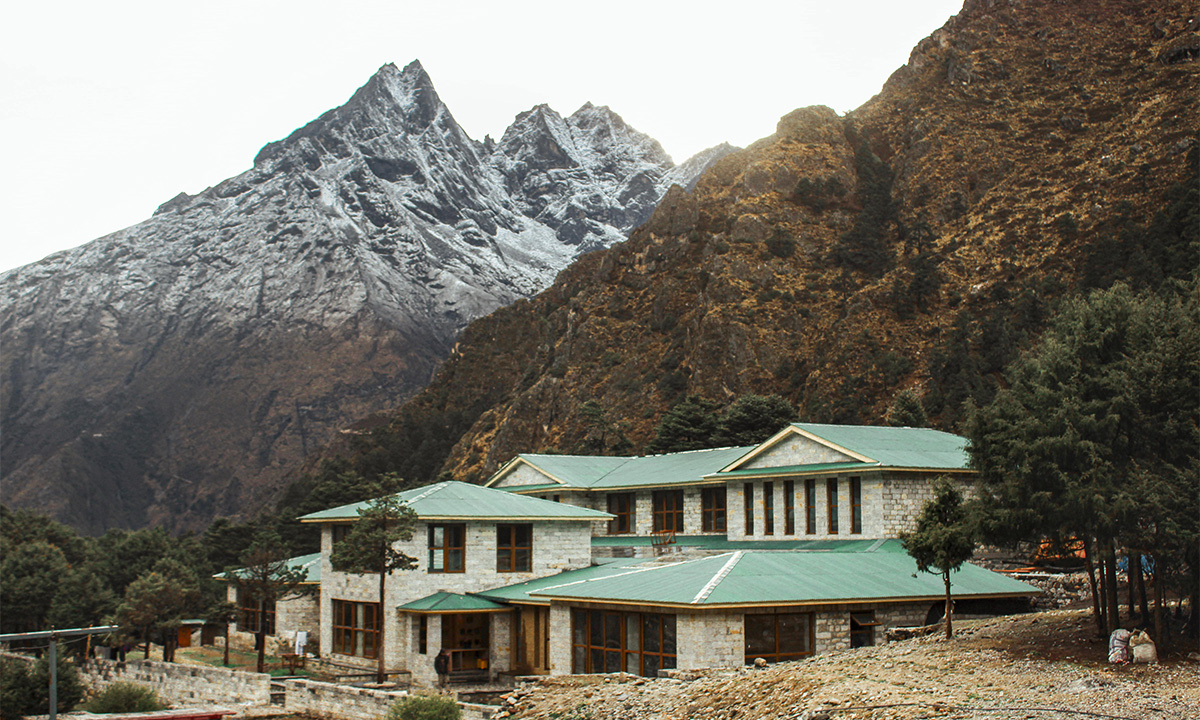
During the Everest Base Camp trek, you stay in simple mountain lodges called teahouses, found in every major stop along the route. These lodges are usually built from wood or stone and offer basic twin-sharing rooms.Rooms are:
Trekkers must bring a high-quality sleeping bag for warmth, especially at higher altitudes where temperatures drop significantly.
What are teahouses like on the Everest Base Camp trek?
Teahouses are traditional Himalayan guesthouses run by local families. They provide:
While facilities are simple, teahouses offer a warm cultural experience and authentic Sherpa hospitality along the Everest region trekking route.
Do Everest Base Camp lodges provide electricity and Wi-Fi?
Yes, most teahouses offer electricity and Wi-Fi, but these services are:
Available at an extra cost ($3–$5 per use or per day)
Less reliable at higher elevations
Dependent on weather and power conditions
Connectivity becomes weaker and more expensive as you ascend toward Dingboche, Lobuche, and Gorak Shep.
What food is available on the Everest Base Camp trek?
Food on the Everest Base Camp trail is surprisingly varied. Most teahouses offer:
Dal Bhat (rice, lentils, vegetables unlimited refills)
Noodles and fried rice
Pasta and spaghetti
Eggs (boiled, omelet, scrambled)
Pancakes and porridge
Soups (garlic soup is popular for altitude)
The most recommended meal is Dal Bhat, as it is freshly cooked, highly nutritious, and provides excellent energy for trekking.
Is it safe to eat meat on the Everest Base Camp trek?
It is strongly recommended to follow a vegetarian diet while trekking at higher altitudes.Reason:
Meat is carried up without refrigeration
Storage conditions are not hygienic
Risk of foodborne illness increases with altitude
Vegetarian meals are safer, lighter, and easier to digest.
Can you stay overnight at Everest Base Camp?
No, trekkers are not allowed to stay overnight at Everest Base Camp.
Trekkers stay at Gorak Shep, the final settlement before Everest Base Camp, and hike to EBC during the day.
Where do you stay at the highest point of the trek?
The highest overnight stop is Gorak Shep (5,164 meters). From here:
Facilities here are very basic due to extreme altitude.
Do you need to carry water purification on the trek?
Yes. It is highly recommended to carry:
Boiled water is available in teahouses, but bottled water becomes expensive and environmentally harmful at higher altitudes.
Can you get hot showers on the Everest Base Camp ?
Yes, hot showers are available in most villages, but:
Cost increases with altitude ($3–$8 per shower)
Hot water is usually gas- or solar-heated
At higher camps, showers may be unavailable or very limited
Many trekkers skip frequent showers after Namche due to cold temperatures.
What drinks are available on the trek?
Common drinks include:
Tea (black, milk, ginger, lemon, masala)
Coffee
Hot lemon with honey
Soups (especially garlic soup for altitude)
Alcohol is available but strongly discouraged at high altitude due to dehydration risk.
How is hygiene and cleanliness on the trek?
Hygiene standards are basic but generally safe if precautions are followed:
At All Nepal Hiking, we prioritize clean and trusted teahouse accommodations to ensure safety and comfort throughout the trek.
EBC Hike Logistics and Preparation
What is the distance from Lukla to Everest Base Camp?
The one-way trekking distance from Lukla to Everest Base Camp is approximately:
This distance includes steep ascents, descents, suspension bridges, and high-altitude terrain through the Khumbu Valley trekking route in Nepal.
What types of aircraft fly to Lukla?
Flights to Tenzing-Hillary Airport (Lukla Airport) are operated using small STOL (Short Takeoff and Landing) aircraft designed for mountainous terrain.Common aircraft include:
These aircraft are specially built for short, high-altitude runways and unpredictable Himalayan weather conditions.
Why is Lukla Airport considered one of the most dangerous airports?
Lukla Airport is often considered challenging due to:
Short runway length
Mountain terrain surrounding the airport
Rapidly changing weather conditions
High-altitude landing environment
Despite this, it remains the main gateway to the Everest Base Camp trek.
What helicopter model is used in the Everest region?
The most commonly used helicopter in the Everest region is the:
This helicopter is widely used for:
High-altitude rescue operations
Everest Base Camp helicopter tours
Trekking evacuation flights
It is known for excellent performance in extreme Himalayan conditions.
How do you plan a successful Everest Base Camp trek?
A well-structured Everest Base Camp trek planning process includes the following steps:
1. Choose the right season
The best trekking seasons are:
These seasons offer the most stable weather and clear mountain views.
2. Book flights and permits early
Arrange:
Booking early helps avoid peak-season delays.
3. Select a trekking style
Choose between:
4. Prepare physically
Train for at least 8–12 weeks before departure:
5. Pack proper gear
Essential gear includes:
Do I need a guide for the Everest Base Camp trek?
Yes, hiring a licensed guide is strongly recommended for:
At All Nepal Hiking, all treks are led by experienced, government-licensed guides trained in mountain safety and altitude management.
What is the easiest way to reach Everest Base Camp?
The easiest and safest method is:
Alternatively, trekkers can choose a helicopter return option to reduce descent time and physical strain.
How early should I book Everest Base Camp flights and trek packages?
It is recommended to book:
This ensures availability and better pricing during high trekking months.
What happens if Lukla flights are delayed?
Flight delays are common due to weather conditions. In such cases:
Extra buffer days should be added to your itinerary
Helicopter options may be available at extra cost
Flexible scheduling is highly recommended
Everest Hike Altitude Sickness and Safety
What is the altitude of Everest Base Camp?
Everest Base Camp is located at an elevation of 5,364 meters (17,598 feet) above sea level.Nearby viewpoints include:
Kala Patthar: 5,545 meters (18,188 feet) — the best viewpoint for Everest sunrise views
Gorak Shep: 5,164 meters — the highest overnight settlement on the trek
These extreme elevations make proper acclimatization essential for all trekkers.
How do you prevent altitude sickness on the Everest Base Camp trek?
Acute Mountain Sickness (AMS) is the most common challenge on the Everest Base Camp trek, but it is largely preventable with proper planning.Key prevention methods:
Ascend slowly: Maintain a steady pace (Bistari, Bistari) and avoid rushing
Follow acclimatization days: Stay extra nights in Namche Bazaar (3,440m) and Dingboche (4,410m)
Stay hydrated: Drink 4–5 liters of water daily
Avoid alcohol and smoking: Both increase dehydration and reduce oxygen efficiency
Eat properly: Prefer warm, light, carbohydrate-rich meals
Sleep lower when possible: Climb high, sleep low principle
What are the symptoms of altitude sickness?
Common symptoms of AMS include:
Headache
Nausea or vomiting
Dizziness
Fatigue
Loss of appetite
Difficulty sleeping
Early recognition is critical for safety.
What happens if someone gets sick during the trek?
Your guide will monitor your health daily for any signs of altitude sickness.If symptoms appear:
You will immediately rest or descend to a lower altitude
Mild cases improve with rest, hydration, and oxygen if needed
Severe cases require urgent descent or helicopter evacuation to Kathmandu
At All Nepal Hiking, all guides are trained in high-altitude first aid and emergency response to ensure maximum safety during the trek.
Is Everest Base Camp safe?
Yes, the Everest Base Camp trek is generally safe when:
Proper acclimatization is followed
A structured itinerary is used
An experienced guide is present
Trekkers listen to their body and do not rush
The main risk is not the terrain but altitude-related illness, which is manageable with correct preparation.
Everest Base Camp Motivation & Why Choose This Trek
Why do the Everest Base Camp trek?
The Everest Base Camp trek in Nepal is one of the most rewarding adventures in the world because it offers:
Incredible close-up views of Mount Everest (8,848m) and surrounding Himalayan giants
Deep cultural immersion into Sherpa villages, monasteries, and Buddhist traditions
A life-changing sense of achievement from reaching one of the world’s most iconic destinations
A journey through the breathtaking landscapes of the Khumbu Valley
What is the best way to reach Everest Base Camp?
The most recommended way is the classic trekking route from Lukla, combined with:
A well-paced 12 day itinerary
Proper acclimatization stops
A licensed local guide for safety and support
Optional helicopter return flight for comfort and time-saving
This combination ensures the safest, most enjoyable, and most efficient Everest Base Camp experience.
Is a guide necessary for Everest Base Camp?
While experienced trekkers may attempt it independently, hiring a guide is strongly recommended for:
At All Nepal Hiking, all treks are led by licensed, experienced mountain guides trained specifically for high-altitude trekking safety.
What makes the Everest Base Camp trek special?
The trek is special because it combines:
World-class Himalayan scenery
Cultural depth in traditional Sherpa communities
A physically rewarding high-altitude challenge
One of the most iconic trekking routes on Earth
Weather and Best Time to Visit Everest Base Camp
The weather at Everest Base Camp varies dramatically throughout the year due to extreme altitude and Himalayan conditions. Choosing the right season is one of the most important factors for a safe and successful trek, affecting visibility, flight reliability, trail conditions, and overall experience.
Everest Base Camp Trek Best Time to go ?
Season | Months | Weather & Visibility | Crowd Level |
Spring (Peak Season) | March – May | Clear skies, stable weather, blooming rhododendrons, warmer days | High |
Autumn (Peak Season) | September – November | Best visibility, crisp mountain views, stable post-monsoon conditions | High |
Winter (Off-Season) | December – February | Very cold, clear skies, heavy snowfall at higher altitudes | Very Low |
Monsoon (Off-Season) | June – August | Heavy rain, poor visibility, slippery trails, frequent flight delays | Minimal |
What is the best time to trek to Everest Base Camp?
The best time to visit Everest Base Camp is during:
Spring (March–May) → Best for flowers, warmer temperatures, and stable trekking conditions
Autumn (September–November) → Best for crystal-clear mountain views and reliable weather
These two seasons offer the safest conditions and the highest chance of clear Himalayan visibility.
Can you trek Everest Base Camp in winter?
Yes, but it is more challenging.Winter trekking (December–February) offers:
Clear blue skies
Fewer crowds
Peaceful trails
However, trekkers must prepare for:
Only well-prepared and experienced trekkers should attempt winter EBC treks.
Is the Everest Base Camp trek possible during monsoon?
The monsoon season (June–August) is generally not recommended due to:
Heavy rainfall
Cloud-covered mountains
Slippery and muddy trails
Frequent Lukla flight delays or cancellations
Increased risk of leeches in lower elevations
What is the temperature at Everest Base Camp?
Temperatures at Everest Base Camp (5,364m) vary significantly depending on season and time of day:
Because of these extreme fluctuations, proper layering is essential for comfort and safety.
What is the weather like during the trek overall?
Weather conditions change rapidly in the Himalayas. Even during peak seasons, trekkers should expect:
Sudden temperature drops
Strong winds at higher altitudes
Rapid cloud formation in afternoons
Cold nights regardless of season
At All Nepal Hiking, we carefully plan itineraries around seasonal weather patterns to ensure the safest and most enjoyable trekking experience possible.
What should I pack for Everest Base Camp weather?
Essential weather-related gear includes:
Proper layering is the key to handling changing Himalayan weather conditions.
Everest Base Camp Tour Packing and Gear
What should be on my Everest Base Camp trek packing list?
Your Everest Base Camp packing list should include essential cold-weather and high-altitude gear to ensure safety and comfort throughout the trek.Essential gear includes:
High-quality alpine down jacket (insulated for extreme cold)
Sleeping bag rated for -10°C to -20°C
Sturdy, well-broken-in trekking boots
Moisture-wicking thermal base layers
Insulated gloves, warm beanie, and neck gaiter
UV-protection sunglasses (Category 3 or 4)
Trekking poles for stability
These items are critical for handling the cold Himalayan weather and high-altitude conditions.
Do I need a sleeping bag for the Everest Base Camp trek?
Yes, a sleeping bag is highly recommended and practically essential.Although teahouses provide blankets, they are:
A personal high-quality sleeping bag rated for sub-zero temperatures ensures:
Can I rent trekking gear in Nepal?
Yes. You can easily rent or purchase trekking equipment in Nepal before starting your trek.The best place is for rent and buy
You can rent items such as:
Down jackets
Sleeping bags
Trekking poles
Insulated clothing
Rental costs are typically affordable, making it convenient for international trekkers who do not want to carry heavy gear from home.
At All Nepal Hiking, we also assist trekkers with a complete gear checklist and rental guidance before departure.
Is it better to rent or buy trekking gear?
It depends on your travel style:
Most trekkers combine both options for convenience and comfort.
What clothing system should I use for Everest Base Camp?
The best system is layering, which allows you to adjust to changing temperatures:
Base layer: thermal moisture-wicking clothing
Mid layer: fleece or insulation jacket
Outer layer: waterproof and windproof shell
Layering is essential because temperatures can change dramatically throughout the day in the Himalayan trekking environment.
What type of boots are best for the Everest Base Camp trek?
The best trekking boots should be:
New or uncomfortable boots are one of the most common causes of blisters during the trek.
What accessories are important for the trek?
Important accessories include:
Sunglasses (UV protection for high altitude glare)
Sunscreen (SPF 50+)
Headlamp with extra batteries
Water bottles or hydration system
Power bank for charging devices
These small items greatly improve safety and comfort during the trek.
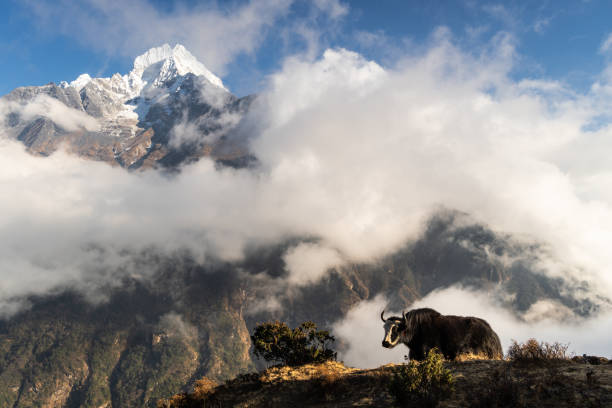
EBC Trek Permits, Regulations and Guide Requirements
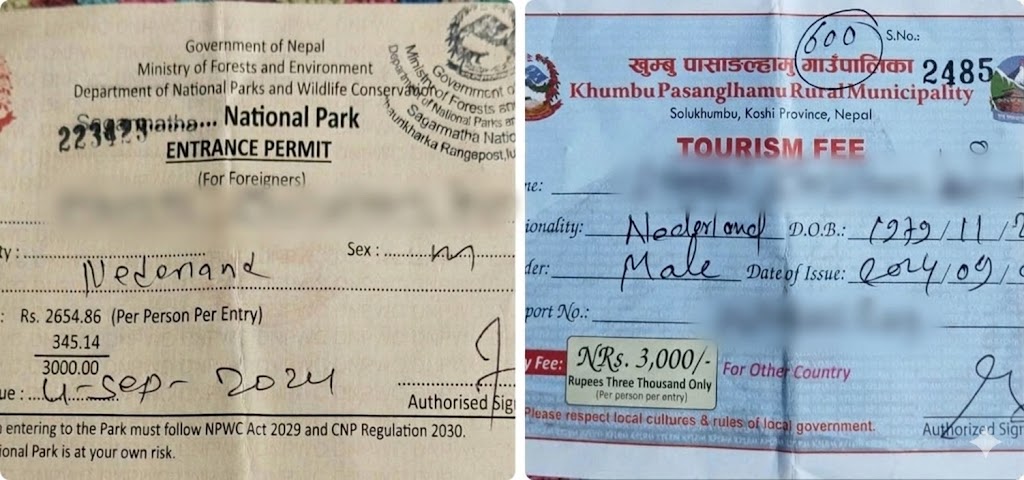
What permits are required for the Everest Base Camp trek?
To legally trek to Everest Base Camp in Nepal, you must obtain two essential permits:
These permits are mandatory and are usually arranged in advance by your trekking agency to ensure a smooth entry into the Everest region trekking route.
Can I trek to Everest Base Camp without a guide?
No. As per current Nepal trekking regulations, all foreign trekkers are required to be accompanied by a licensed trekking guide when trekking in the Everest region.
Key points:
Solo trekking is no longer permitted for foreign nationals
Guides must be registered with a licensed trekking agency
Checkpoints along the route (including Lukla and Monjo) verify permits and guide credentials
This regulation is designed to improve trekker safety, navigation support, and local employment in the Himalayas.
Why is a guide mandatory for the Everest Base Camp trek?
A licensed guide is required for:
Safety in high-altitude terrain
Navigation across remote Himalayan trails
Emergency response and communication
Permit verification at checkpoints
Cultural interpretation of Sherpa villages and monasteries
At All Nepal Hiking, all treks are led by experienced, government-licensed guides trained in high-altitude safety and emergency procedures.
Do I need travel insurance for the Everest Base Camp trek?
Yes. Comprehensive travel insurance is mandatory and strongly recommended for all trekkers.
Your insurance policy must include:
Coverage for trekking up to 6,000 meters altitude
Emergency helicopter evacuation from the Himalayas
Medical treatment and hospitalization in Nepal
Trip cancellation and delay coverage
Important: Many standard travel insurance policies do not cover high-altitude trekking, so always verify your policy carefully before departure.
What happens if I trek without proper permits?
Without valid permits:
You will be stopped at official checkpoints
Entry into the Everest region will be denied
You may be fined or required to return
All permits must be obtained before or at the start of your trek in Kathmandu.
Who checks permits on the Everest Base Camp trail?
Permits and documentation are checked at multiple points, including:
These checks ensure compliance with Nepal trekking laws and conservation regulations.
Can permits be arranged on arrival in Nepal?
Yes. Permits can be obtained in Kathmandu or arranged in advance by your trekking agency. However, most trekkers prefer having them pre-arranged to save time and avoid delays.
Why are trekking regulations important in the Everest region?
These regulations help:
Protect the fragile Himalayan environment
Improve trekker safety in high-altitude zones
Support local Sherpa communities
Ensure responsible and sustainable tourism
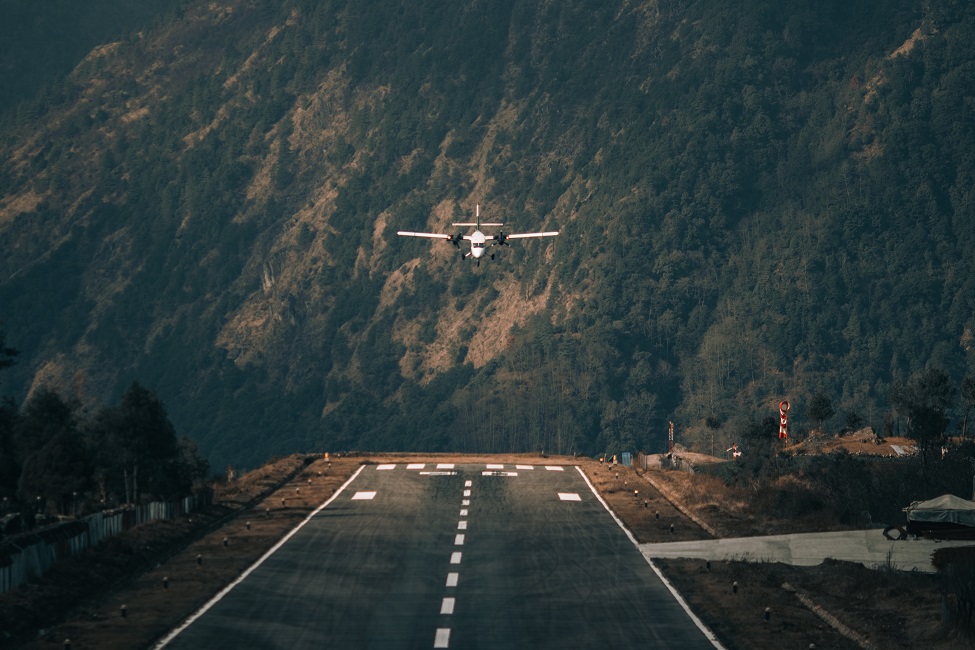
Everest Trek Flights and Transportation
Why are Lukla flights often delayed or canceled?
Flights to Tenzing-Hillary Airport (Lukla) are frequently delayed due to unpredictable Himalayan weather conditions.
Common causes include:
Sudden mountain fog and low visibility
Strong crosswinds at high altitude
Rapid weather changes in the Everest region
Safety regulations for short takeoff and landing (STOL) operations
Because of these conditions, airlines prioritize safety over schedule reliability.Important tip: Always plan 1–2 buffer days in your itinerary to handle possible flight delays or cancellations.
Is Lukla Airport safe to fly into?
Yes, Lukla flights are generally safe. The airport is operated by experienced pilots trained specifically for high-altitude Himalayan conditions.Safety is ensured through:
Strict weather monitoring before every flight
Short Takeoff and Landing (STOL) aircraft operations
Highly trained mountain pilots
Although it is considered one of the most challenging airports in the world, it remains the main gateway to the Everest Base Camp trek.
Is there an alternative to flying to Lukla?
Yes. If you prefer to avoid flying into Lukla, you can choose an overland trekking route.Alternative route:
Drive from Kathmandu → Salleri or Phaplu
Begin trekking from lower Everest region villages
Join the main Everest Base Camp trail later
This option:
Adds 3–5 extra trekking days
Provides gradual altitude acclimatization
Offers a quieter and more cultural trekking experience
Can I drive to Everest Base Camp?
No. There is no road access directly to Nepal Everest Base Camp. The closest motorable points are Salleri or Phaplu, after which trekking is required to reach the Everest region.
What happens if Lukla flights are canceled?
If flights are canceled due to weather:
You may be rebooked for the next available flight
Helicopter flights may be offered at additional cost
Your itinerary may require adjustment with buffer days
This is why most trekking experts strongly recommend building flexibility into your Everest Base Camp travel plan.
Are helicopter flights available to Lukla or Everest Base Camp?
Yes. Helicopter services are available for:
Helicopters are often used when fixed-wing flights are grounded due to weather conditions.
How long is the flight from Kathmandu to Lukla?
The flight from Kathmandu to Lukla takes approximately:
Despite its short duration, it is considered one of the most scenic mountain flights in the world.
What is the best way to handle transportation delays?
To manage transport uncertainty:
Add buffer days before and after your trek
Travel during peak seasons (spring or autumn)
Book flexible trekking itineraries
Use experienced local agencies like All Nepal Hiking
Proper planning significantly reduces stress caused by weather delays.
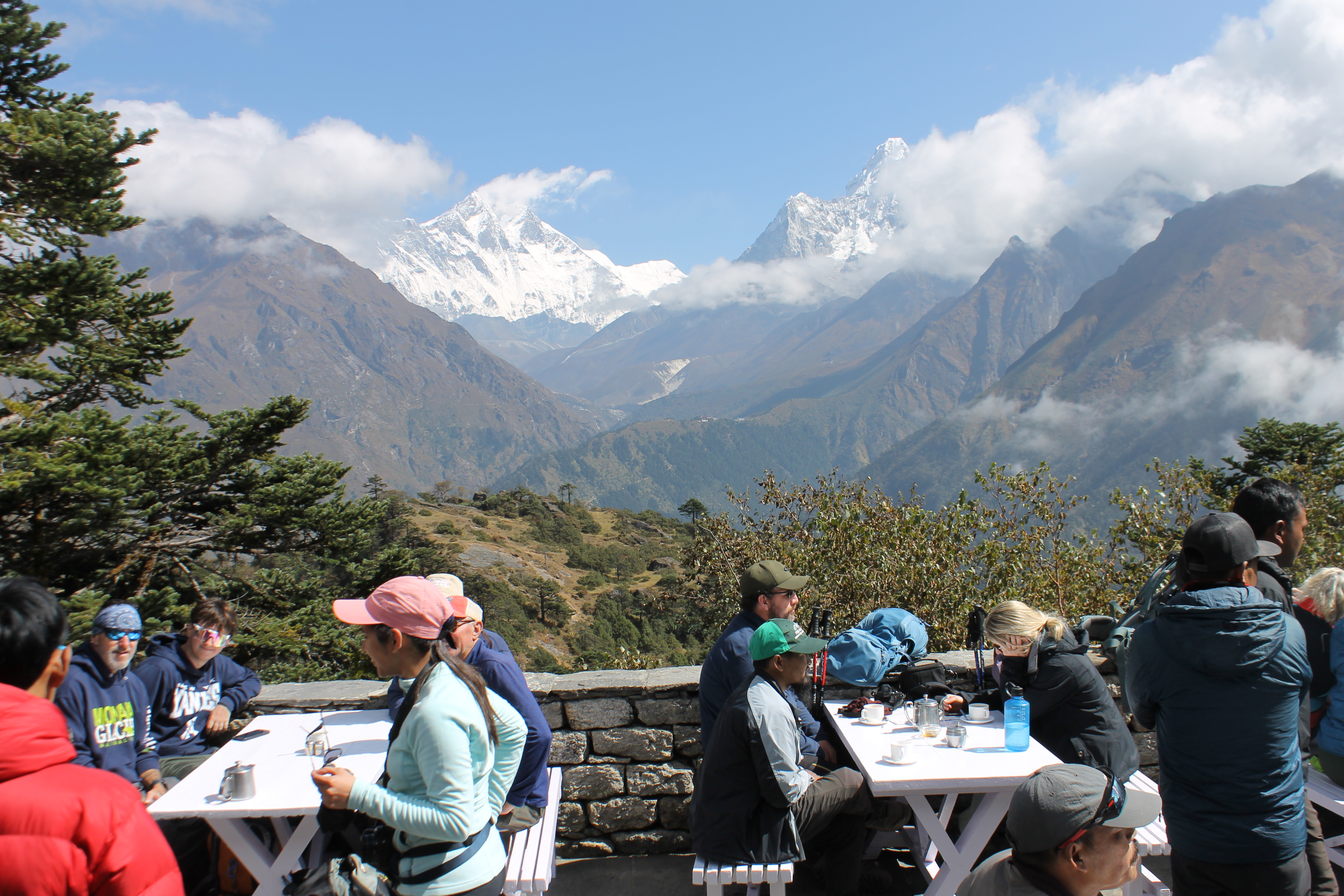
Everest Base Camp Altitude and Acclimatization
What is the altitude of Everest Base Camp?
Everest Base Camp is located at an elevation of 5,364 meters (17,598 feet) above sea level in the Khumbu region of Nepal.
At this extreme altitude, oxygen levels are significantly lower than at sea level, which makes proper acclimatization essential for safety and success.
Why is acclimatization important on the Everest Base Camp trek?
Acclimatization is the process of allowing your body to gradually adapt to reduced oxygen levels at high altitude.
Without proper acclimatization, trekkers are at risk of Acute Mountain Sickness (AMS), which can affect anyone regardless of fitness level.Key benefits of proper acclimatization:
Reduces risk of altitude sickness
Improves stamina and energy levels
Helps the body adjust to low oxygen conditions
Increases overall trekking success rate
How do you prevent altitude sickness on the Everest Base Camp trek?
To reduce the risk of altitude sickness (AMS), follow these essential safety guidelines:
Ascend slowly: Maintain a steady trekking pace and avoid rushing
Follow acclimatization days: Stay extra nights in Namche Bazaar (3,440m) and Dingboche (4,410m)
Stay hydrated: Drink 4–5 liters of water daily
Avoid alcohol and smoking: These increase dehydration and reduce oxygen efficiency
Eat properly: Focus on light, high-carbohydrate meals for energy
Listen to your body: Report symptoms such as headaches or nausea immediately to your guide
At All Nepal Hiking, all itineraries are designed with proper acclimatization schedules to ensure a safe and successful trek.
Is altitude sickness common on the Everest Base Camp trek?
Yes, mild altitude-related symptoms are common, especially during the early stages of acclimatization.Common mild symptoms include:
However, serious altitude sickness is rare when proper acclimatization guidelines are followed.Most cases are preventable through:
What are the warning signs of altitude sickness?
You should watch for:
Severe headache that does not improve
Persistent vomiting
Loss of coordination or dizziness
Shortness of breath at rest
If these symptoms occur, immediate descent is the only effective treatment.
How high do trekkers sleep during the Everest Base Camp trek?
Typical sleeping elevations include:
Sleeping at higher altitudes is carefully managed with rest days to ensure safe adaptation.
Can fit people still get altitude sickness?
Yes. Fitness does not guarantee protection from altitude sickness.Even highly trained athletes can experience AMS because:
This is why slow ascent and acclimatization are more important than physical strength alone.
What is the safest strategy for Everest Base Camp altitude gain?
The safest approach is:
Gradual ascent over 12–14 days
Two dedicated acclimatization stops
Hydration and rest
Listening to your body and guide
This strategy significantly reduces the risk of altitude-related complications.
Everest Base Camp Highlights and Is It Worth
Is the Everest Base Camp trek worth it?
Yes, the Everest Base Camp trek in Nepal is widely considered one of the most rewarding trekking experiences in the world.This legendary Himalayan journey offers:
Unmatched close-up views of Mount Everest (8,848m) and surrounding giants like Lhotse, Nuptse, and Cho Oyu
Deep cultural immersion into the traditions, monasteries, and lifestyle of the Sherpa people
A powerful sense of achievement from reaching one of the world’s most iconic trekking destinations
It is both a physical challenge and a life-changing adventure.
What are the major highlights of the Everest Base Camp trek?
The Everest Base Camp trek offers several unforgettable highlights along the route:
Standing at Everest Base Camp (5,364m) near the Khumbu Icefall
Experiencing a sunrise view of Everest from Kala Patthar (5,545m)
Visiting ancient Buddhist monasteries such as Tengboche Monastery
Crossing high-altitude suspension bridges decorated with prayer flags
Trekking through Sherpa villages in the scenic Khumbu Valley
Each section of the trail combines natural beauty, culture, and high-altitude adventure.
Is Kala Patthar better than Everest Base Camp for views?
Yes, for mountain views, Kala Patthar is considered superior to Everest Base Camp.Although Everest Base Camp is the destination of the trek, it does not provide a clear view of Mount Everest’s summit due to surrounding peaks.From Kala Patthar (5,545m), trekkers can enjoy:
The best panoramic view of Mount Everest
Clear sunrise and sunset lighting over the Himalayas
A dramatic full view of Everest from base to summit
This is why Kala Patthar is often called the best viewpoint of the entire Everest region trek.
What are the best alternatives to the Everest Base Camp trek?
If you want to explore different trekking routes in the Everest region, there are several excellent alternatives:
Gokyo Lakes Trek: Famous for turquoise alpine lakes and fewer crowds
Everest Panorama Trek: A shorter and easier option with great mountain views
Three Passes Trek: A challenging high-altitude circuit for experienced trekkers
Everest Gokyo Lakes Combination Trek: A longer route combining both classic and scenic trails
Each alternative offers a different experience of the Khumbu Himalayan region, from easy scenic walks to extreme adventure routes.
What makes the Everest Base Camp trek unique?
The Everest Base Camp trek stands out because it combines:
World-class Himalayan scenery
Authentic Sherpa culture and traditions
High-altitude trekking adventure without technical climbing
Access to the base of the world’s highest mountain
It is one of the few treks in the world that delivers both extreme natural beauty and cultural depth in a single journey.
Who should do the Everest Base Camp trek?
The trek is suitable for:
Adventure travelers seeking a bucket-list experience
Physically fit beginners with preparation
Experienced hikers looking for high-altitude challenges
Photographers and cultural explorers
With proper acclimatization and planning, it is achievable for most healthy trekkers.
When is the Everest Base Camp trek most rewarding?
The trek is most rewarding during:
These seasons offer the most dramatic views of the Himalayas.
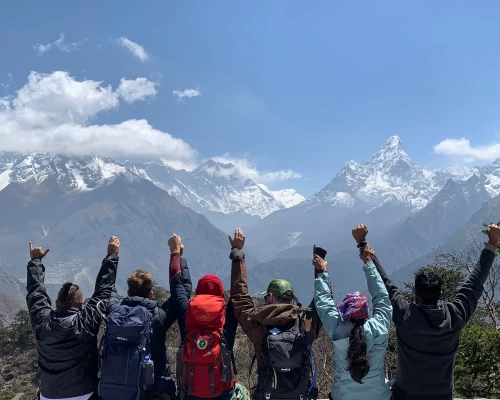
Everest Base Camp Solo vs Group Trekking
Is the Everest Base Camp trek safe for solo and female travelers?
Yes, the Nepal Everest Base Camp trek is widely considered safe for both solo and female travelers when proper precautions are followed.
Nepal is known as a welcoming and travel-friendly destination, and the Everest region has a well-established trekking infrastructure with tea houses, guides, and support services along the route.
Can I do the Everest Base Camp trek solo?
Foreign trekkers cannot trek completely independently on the Everest Base Camp route. However, you can still travel in a flexible solo-style arrangement by:
Hiring a licensed trekking guide (mandatory for foreign nationals)
Trekking independently with private guide support
Joining organized departures as a solo traveler
This allows you to maintain independence while still meeting Nepal’s trekking regulations and safety requirements.
Should I join a group trek or book a private trek?
Both options are popular, and the best choice depends on your travel style:
Group Trek
Private Trek
Flexible pace and itinerary
Personalized guide support
Better for photography or comfort-focused travel
Higher cost but more freedom
At All Nepal Hiking, both group and private Everest Base Camp treks are available depending on your preference.
Is Everest Base Camp safe for solo female travelers?
Yes. The Everest Base Camp trek is considered very safe for solo female travelers when traveling with a licensed guide or organized trekking agency.Safety benefits include:
Constant support from your guide
Secure teahouse accommodation
Established trekking communities along the route
Regular checkpoints and monitored trail sections
Many solo female trekkers complete the EBC trek successfully every year.
Is it better to travel alone or with a group?
It depends on your preference:
Travel alone (with guide): More flexibility, personal pace, and privacy
Group trekking: Social experience, shared costs, and built-in companionship
Both options are safe and widely used on the Everest Base Camp trail.
Can I switch from solo to group trekking in Nepal?
Yes. Many trekkers arrive in Kathmandu and decide to:
This flexibility is one of the reasons Nepal is a top destination for independent adventure travelers.
Do solo trekkers get extra support on the trail?
Yes. Solo trekkers still benefit from:
Professional guide assistance
Tea house networking with other trekkers
Established rescue and communication systems
Local Sherpa hospitality along the route
Even when trekking solo, you are rarely truly alone on the Everest Base Camp trail.
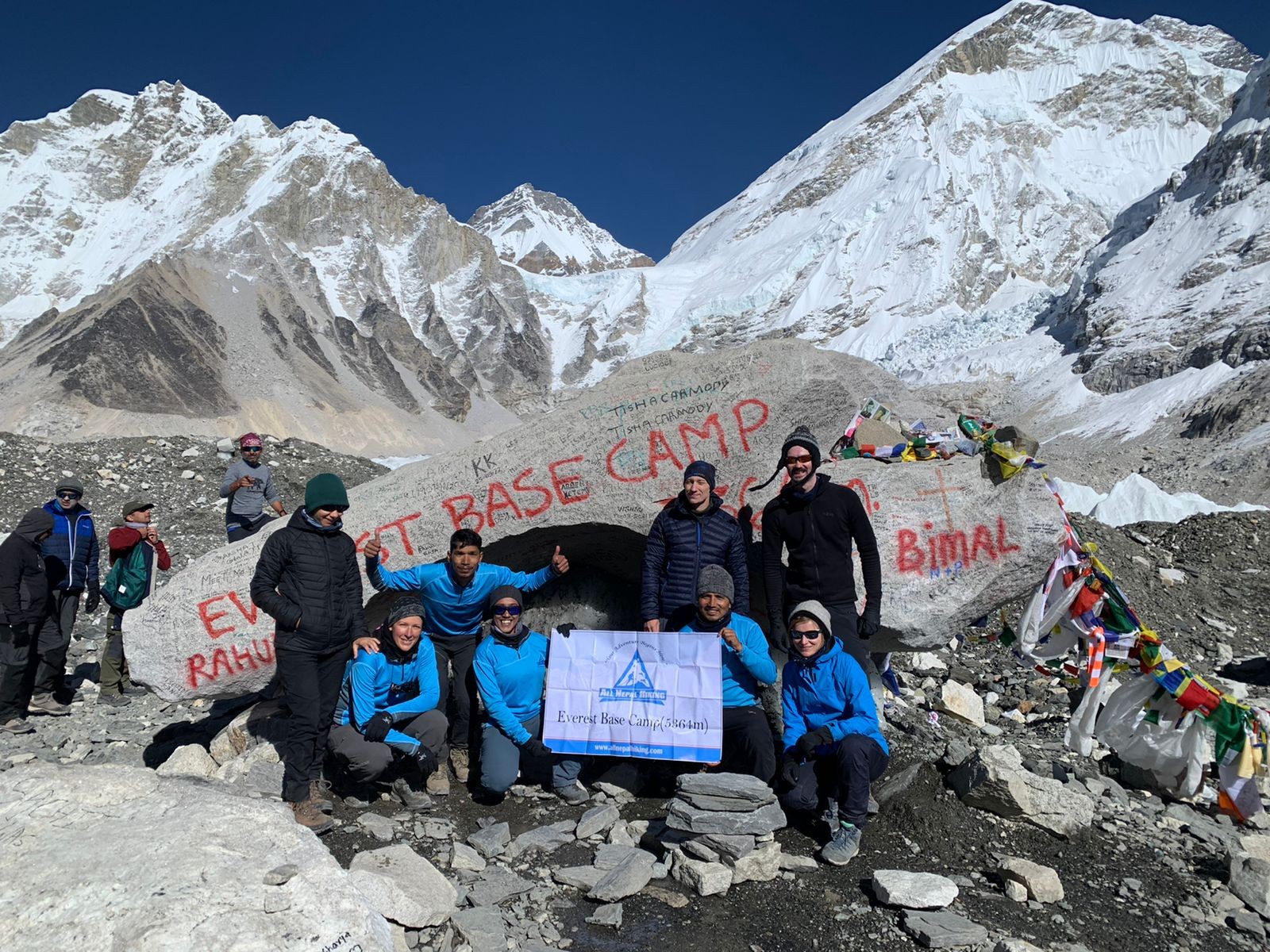
Base Camp Trek in Everest Food and Drinking Water
Is drinking water safe on the Everest Base Camp trek?
No untreated tap water, river water, or natural sources are not safe to drink during the Everest Base Camp trek.To stay healthy, trekkers must use one of the following safe drinking options:
Boiled water purchased from teahouses (most reliable option)
Water purification tablets (chlorine or iodine-based treatment)
UV sterilizer bottles or hollow-fiber filter systems
Because of the high altitude and remote conditions, maintaining safe hydration practices is essential to avoid stomach illness and dehydration.
Where can I get drinking water on the Everest Base Camp trail?
Drinking water is available at all major stops along the route, including teahouses and lodges.Common options include:
Boiled water (sold by teahouses at varying prices depending on altitude)
Filtered or treated water in some lodges
Bottled water in lower villages (not recommended at higher altitudes due to cost and environmental impact)
Most trekkers rely on boiled or purified water carried in reusable bottles.
What food is best to eat during the Everest Base Camp trek?
The best and most recommended food on the trail is Dal Bhat, the traditional Nepali meal.
Why Dal Bhat is ideal:
Freshly cooked daily in teahouses
Rich in carbohydrates and protein for long trekking days
Easily digestible at high altitude
Usually served with unlimited refills (“Dal Bhat power 24 hour!”)
What other food is available on the trek?
In addition to Dal Bhat, teahouse menus typically include:
Noodles and fried rice
Pasta and spaghetti
Eggs (boiled, scrambled, omelets)
Soups (especially garlic soup for altitude support)
Pancakes and porridge
Tea, coffee, and hot lemon drinks
Food variety decreases as altitude increases, but meals remain fresh, simple, and energy-focused.
Is vegetarian food recommended on the Everest Base Camp trek?
Yes, a vegetarian diet is strongly recommended at higher altitudes.Reasons include:
Better digestion in low-oxygen environments
Safer food handling conditions
Reduced risk of foodborne illness (meat is often carried without refrigeration)
Most trekkers switch to vegetarian meals after Namche Bazaar for safety.
Can I get snacks on the Everest Base Camp trek?
Yes, snacks are available in most villages, including:
However, prices increase significantly with altitude, so many trekkers bring personal snacks from Kathmandu.
What drinks are available on the Everest Base Camp trek?
Common hot and cold drinks include:
Black tea, milk tea, and ginger tea
Coffee (instant or brewed)
Hot lemon with honey
Garlic soup (popular for altitude support)
Alcohol is available but not recommended at high altitude due to dehydration risks.
How important is hydration during the trek?
Hydration is extremely important at high altitude.Trekkers should aim to drink 3–5 liters of water per day.Proper hydration helps:
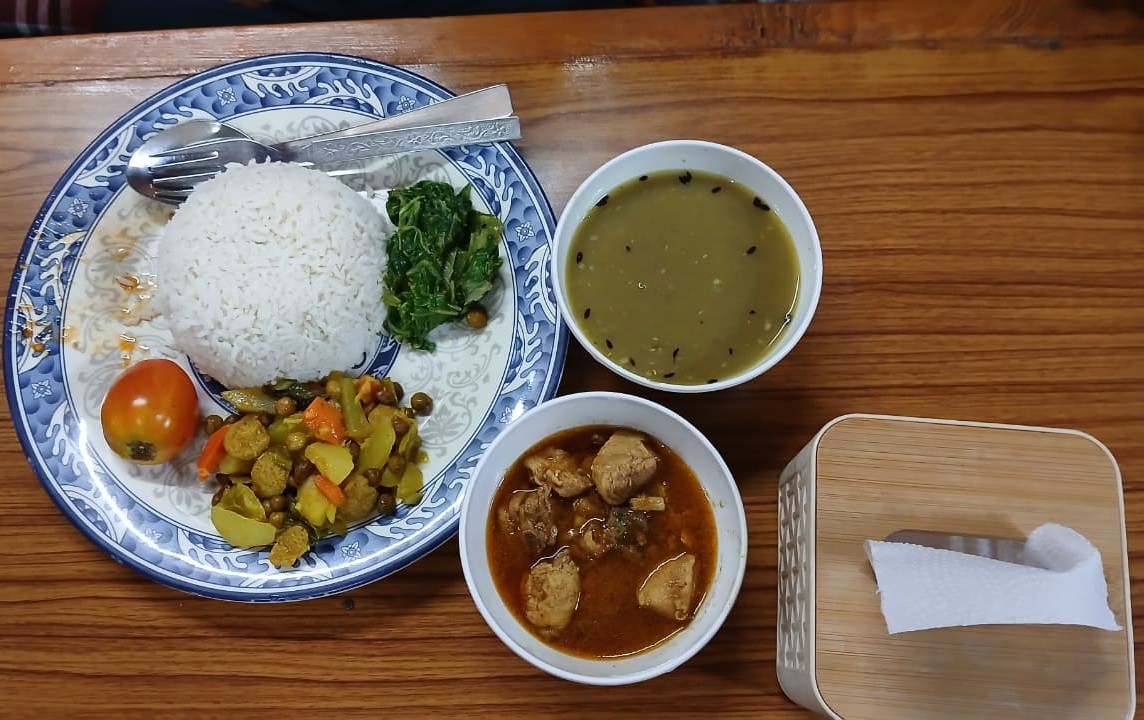
Connectivity Facilities During Kala Patther EBC Trek
Is there mobile network coverage on the Everest Base Camp trek?
Yes mobile network coverage is available on many parts of the Everest Base Camp trek route, especially in lower and mid-altitude regions.The main providers are:
Coverage is generally strongest in areas such as:
Lukla
Phakding
Namche Bazaar
Tengboche (limited)
Gorakshep and Base Camp
However, signal strength becomes weaker or unavailable as you ascend to higher elevations.
Is Wi-Fi available on the Everest Base Camp trek?
Yes, Wi-Fi is available in most teahouses along the Everest Base Camp trail, but it is:
Paid (usually per hour or per day)
Slower at higher altitudes
Less reliable during bad weather or peak trekking season
Popular Wi-Fi service in the Everest region is often provided through satellite-based systems or local networks.
How expensive is Wi-Fi on the Everest Base Camp trek?
Wi-Fi costs vary depending on altitude:
Lower villages: affordable rates
Higher regions (Dingboche, Lobuche, Gorak Shep): more expensive
On average, trekkers can expect to pay extra for:
Daily Wi-Fi access
Device charging
Mobile data packages
Can I charge my phone and devices on the trek?
Yes, charging facilities are available in teahouses, usually in dining areas or designated charging stations.Important details:
Charging is typically paid per device or per hour
Prices increase with altitude
Power sources may include solar or limited electricity
It is recommended to carry a power bank (10,000–20,000 mAh) for backup.
Which SIM card is best for the Everest Base Camp trek?
The two most reliable SIM options in Nepal are:
For best results, many trekkers use a combination of both depending on location.
Is the internet reliable on the Everest Base Camp trail?
Internet connectivity is:
Reliable in lower regions (Kathmandu, Lukla, Namche Bazaar)
Slow or unstable in higher regions
Sometimes unavailable above 4,000m depending on weather
Weather conditions, terrain, and altitude all affect signal strength.
Should I rely on the internet during the trek?
No you should not rely on consistent internet access during the Everest Base Camp trek.It is best to:
Inform family in advance about limited connectivity
Download offline maps and documents
Carry emergency contact numbers with your guide
At All Nepal Hiking, guides also provide communication support in case of emergencies.

Mount Everest Base Camp Travel Insurance
Do I need travel insurance for the Everest Base Camp trek?
Yes comprehensive travel insurance is mandatory for the Everest Base Camp trek and is strongly recommended for all trekkers traveling in Nepal’s high-altitude regions.
Many trekking agencies, including All Nepal Hiking, require valid insurance before the trek begins to ensure safety and emergency preparedness in the Himalayas.
Why is travel insurance important for the Everest Base Camp trek?
The Everest Base Camp trek takes place in a remote, high-altitude environment where medical facilities are limited.Travel insurance is essential because it covers:
High-altitude medical emergencies
Trip delays or cancellations (especially due to Lukla flights)
Lost or delayed baggage
Emergency evacuation support
What should Everest Base Camp travel insurance cover?
Your insurance policy must specifically include high-altitude trekking coverage.Critical coverage requirements:
Trekking coverage up to 6,000 meters (20,000 feet)
Emergency helicopter evacuation from the Everest region
Medical treatment and hospitalization in Nepal
Trip interruption, delay, or cancellation coverage
Does standard travel insurance cover Everest Base Camp trekking?
Most standard travel insurance policies do NOT cover high-altitude trekking.Common limitations include:
Altitude limit often capped at 2,500–3,000 meters
No coverage for helicopter rescue in remote mountain areas
Exclusion of adventure trekking activities
Always verify policy details before purchasing.
Is helicopter evacuation covered by insurance?
Only specialized high-altitude travel insurance policies include helicopter evacuation coverage.This is extremely important because:
Medical facilities are not available in remote trekking zones
Helicopter rescue is the primary emergency evacuation method
Costs can be very high without insurance coverage
When should I buy travel insurance for Everest Base Camp?
You should purchase travel insurance:
This ensures full protection for trip cancellation and pre-departure issues.
What happens if I don’t have travel insurance?
Without proper insurance:
You may not be allowed to start the trek with a reputable agency
You will be fully responsible for emergency medical or evacuation costs
Helicopter rescue expenses can be extremely expensive
What type of insurance is best for Everest Base Camp?
The best policy is:
Adventure travel insurance
High-altitude trekking coverage
Includes emergency evacuation and medical support
At All Nepal Hiking, we always recommend verifying policy details carefully before arrival in Nepal.
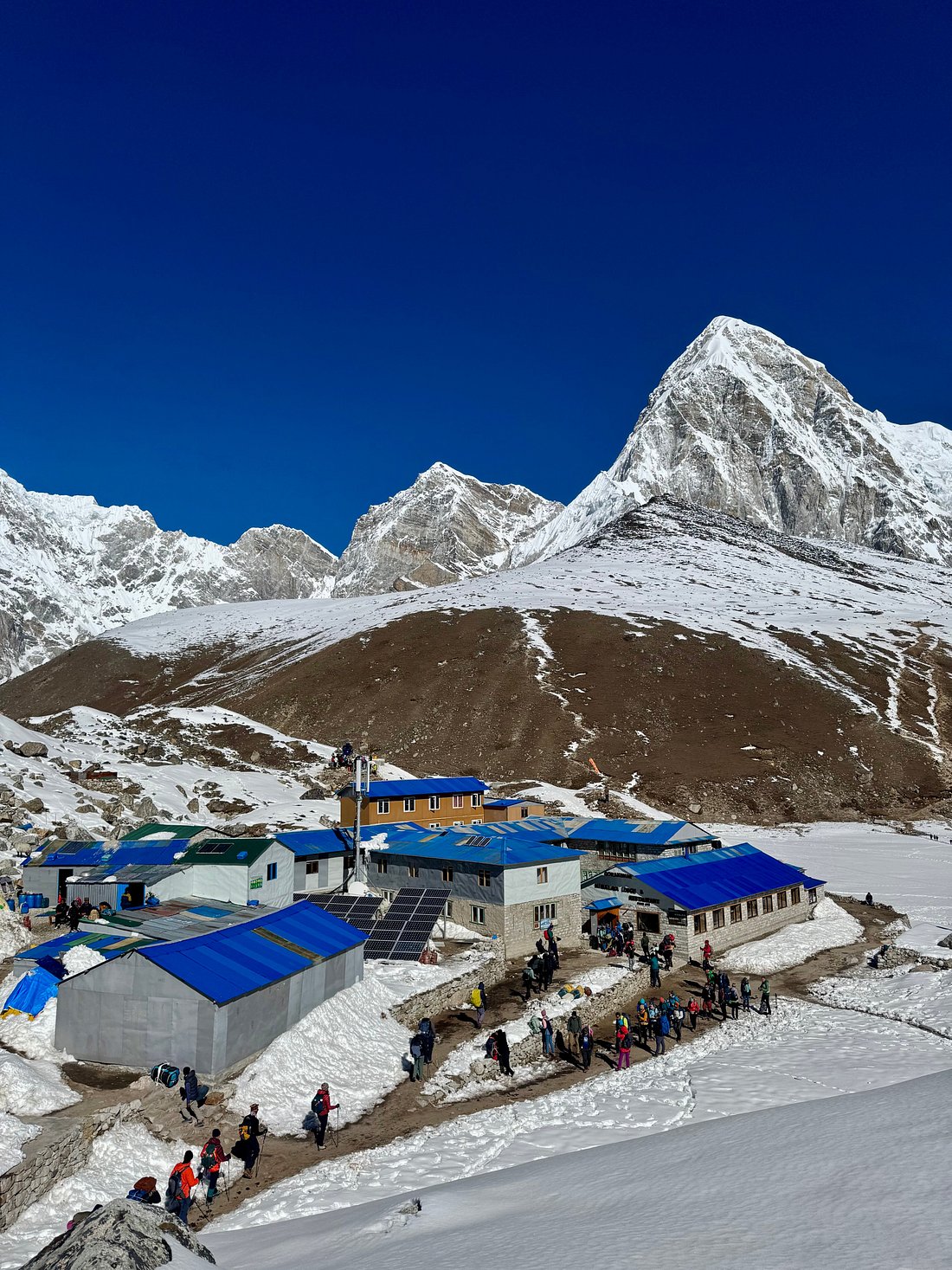
Final Practical Tips for Everest Base Camp Success
How fit do I need to be for the Everest Base Camp trek?
To complete the Everest Base Camp trek in Nepal, you should be comfortably able to:
Walk 5–7 hours per day on uneven and uphill terrain
Carry a light daypack (3–6 kg)
Handle gradual altitude gain over multiple days
Recommended training includes:
Zone 2 cardio (running, cycling, hiking)
Stair climbing or uphill walking
Leg strength and endurance training
Good physical preparation significantly improves comfort, safety, and enjoyment on the trail.
Should I hire a porter for the Everest Base Camp trek?
Yes, while hiring a porter is not legally mandatory, it is highly recommended for most trekkers.Benefits of hiring a porter:
Reduces physical strain and fatigue
Allows you to focus on breathing and acclimatization
Makes long trekking days more enjoyable
Supports the local Himalayan economy
Porters are typically arranged through licensed trekking agencies like All Nepal Hiking, ensuring ethical and fair working conditions.
Is drinking water safe on the Everest Base Camp trek?
No untreated tap, stream, or river water is not safe to drink during the Everest Base Camp trek.Safe drinking options include:
Boiled water from teahouses (most reliable option)
Water purification tablets (chlorine or iodine-based)
UV sterilizer bottles or filtration systems
Proper water treatment is essential to avoid stomach illness at high altitude.
Why is hiring a guide important?
A licensed trekking guide is essential for:
Navigation in remote Himalayan terrain
Monitoring altitude sickness symptoms
Ensuring safety during emergencies
Managing logistics, permits, and communication
Guides significantly increase safety and overall trekking success.
Is tipping expected on the Everest Base Camp trek?
Yes tipping is a traditional and appreciated practice in Nepal’s trekking industry.Tipping typically applies to:
Trekking guides
Porters
Support staff
While not mandatory, tipping is a respectful way to show gratitude for their hard work, safety support, and dedication throughout your journey.
What are the most important final tips before starting the trek?
Before beginning your Everest Base Camp adventure, remember:
Train properly for endurance and altitude
Pack light but smart using a layering system
Stay hydrated throughout the trek
Respect acclimatization days (do not rush)
Follow your guide’s instructions at all times
At All Nepal Hiking, safety, comfort, and responsible trekking are always the top priorities for every expedition.
 based on 270 reviews

.webp)