based on 270 reviews

Introduction to Phewa Lake
Phewa Lake, also known as Fewa Lake or Phewa Tal, is one of Nepal’s most iconic natural attractions and the second-largest lake in the country. Located in the heart of Pokhara, the tourism capital of Nepal, this breathtaking freshwater lake is renowned for its crystal-clear waters, stunning reflections of the Annapurna mountain range, and vibrant lakeside atmosphere.
Nestled at an altitude of approximately 742 meters above sea level, Phewa Lake covers an area of about 4.43 square kilometers and serves as a centerpiece of Pokhara Valley. The lake's tranquil environment, combined with spectacular Himalayan scenery, attracts thousands of domestic and international visitors every year.

Location and Geography of Phewa Lake
Phewa Lake is situated in Pokhara Metropolitan City in Kaski District of Gandaki Province, Nepal. Surrounded by lush green hills and overlooked by the majestic Annapurna Massif, the lake provides a unique blend of natural beauty and urban convenience.
The lake is fed by seasonal streams and rainfall from the surrounding hills, while the Pardi Khola acts as its outlet. The serene waters mirror the nearby peaks, including:
- Machhapuchhre (Fishtail Mountain)
- Annapurna South
- Hiunchuli
- Lamjung Himal
The reflection of Machhapuchhre on a calm morning is among the most photographed scenes in Nepal.
History and Cultural Importance of Phewa Lake
Phewa Lake has long been intertwined with the culture, traditions, and livelihoods of the people of Pokhara. Historically, the lake served as a source of water, fishing, transportation, and agriculture for local communities.
Today, it remains a symbol of Pokhara's identity and an essential part of Nepal’s tourism industry. The lake is deeply connected to local religious beliefs and hosts one of the region’s most sacred temples, attracting pilgrims throughout the year.
Tal Barahi Temple: The Sacred Island Shrine
At the center of Phewa Lake lies the famous Tal Barahi Temple, a two-story pagoda-style Hindu temple dedicated to Goddess Barahi, an incarnation of Durga.
The temple sits on a small island and can only be reached by boat. This unique location makes it one of the most visited religious landmarks in Nepal.
Key highlights include:
- Traditional Nepali pagoda architecture
- Religious ceremonies and festivals
- Peaceful island setting
- Panoramic lake views
- Cultural significance for Hindu devotees
Many visitors combine a boating experience with a visit to the temple, creating one of Pokhara’s most memorable experiences.
Boating on Phewa Lake
One of the most popular activities at Phewa Lake is boating. Colorful wooden boats line the lakeshore, offering visitors an opportunity to explore the calm waters at their own pace.
Types of Boating Experiences
Row Boats
Traditional row boats provide a peaceful journey across the lake. Visitors can hire a boatman or row independently.
Paddle Boats
Ideal for families and couples, paddle boats offer a fun and relaxing way to enjoy the scenery.
Private Boat Tours
Private tours allow travelers to explore hidden corners of the lake while enjoying uninterrupted views of the mountains.
Best Time for Boating
The best boating conditions are usually found:
Early morning
Late afternoon
During clear weather
In autumn and spring seasons
These times offer excellent visibility and stunning reflections of the Himalayan peaks.
The Spectacular Reflection of Machhapuchhre
Perhaps the most famous feature of Phewa Lake is the reflection of Machhapuchhre, often called the "Matterhorn of Nepal."
This sacred mountain rises dramatically above the Pokhara Valley and creates a mesmerizing mirror image on the lake's surface when conditions are calm. Photographers from around the world visit Phewa Lake specifically to capture this extraordinary natural phenomenon.
The combination of blue water, snow-capped peaks, and green hills creates one of the most beautiful landscapes in South Asia.
Lakeside Pokhara: The Vibrant Waterfront District
The eastern shore of Phewa Lake is home to Lakeside Pokhara, the city’s most popular tourist district.


This lively area offers:
- Restaurants serving Nepali and international cuisine
- Boutique hotels and resorts
- Cafés with lake views
- Souvenir shops
- Adventure travel agencies
- Yoga and wellness centers
- Cultural performances
Visitors can stroll along the lakeside promenade while enjoying breathtaking views of the water and mountains.
Adventure Activities Around Phewa Lake
Phewa Lake serves as a gateway to many of Pokhara’s adventure activities.
Paragliding
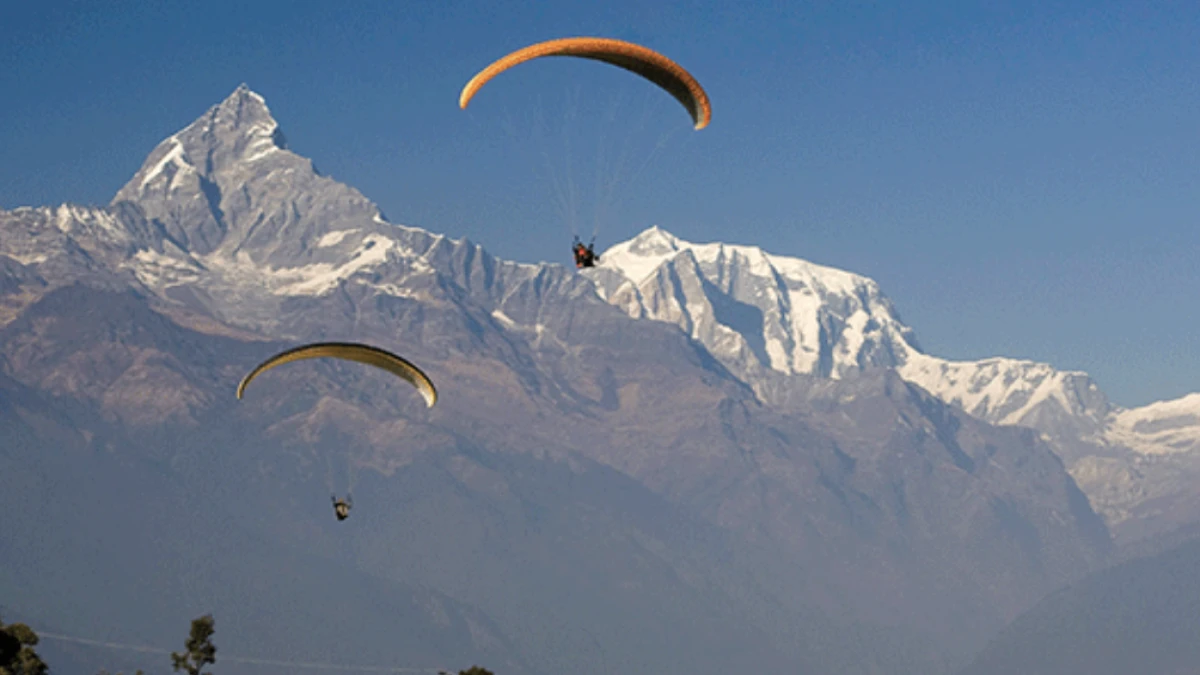
Pokhara is internationally recognized as one of the world's premier paragliding destinations. Flights often begin from Sarangkot and soar above Phewa Lake, providing unmatched aerial views.
Ziplining
Thrill-seekers can experience one of Nepal's longest and steepest ziplines near the lake area.
Cycling
The roads surrounding Phewa Lake offer scenic cycling routes through villages, forests, and viewpoints.
Kayaking
Kayaking allows visitors to explore quieter sections of the lake while enjoying close contact with nature.
Hiking
Numerous hiking trails around Pokhara lead to spectacular viewpoints overlooking the lake and mountains.
Sarangkot Viewpoint and Phewa Lake
The famous Sarangkot viewpoint offers one of the best panoramic views of Phewa Lake.
From Sarangkot, visitors can witness:
- Sunrise over the Himalayas
- Entire Pokhara Valley
- Phewa Lake from above
- Annapurna and Dhaulagiri ranges
- Paragliders soaring through the sky
The viewpoint is especially popular during sunrise when the mountains glow in shades of gold and orange.
Wildlife and Biodiversity of Phewa Lake
Phewa Lake supports a diverse ecosystem that contributes significantly to local biodiversity.
The lake is home to:
- Various freshwater fish species
- Water birds
- Migratory birds
- Aquatic plants
- Amphibians and insects
Birdwatchers often spot kingfishers, herons, cormorants, and other waterfowl along the shoreline.
The surrounding forests and wetlands further enhance the area's ecological importance.
Best Time to Visit Phewa Lake
Autumn (September to November)
Autumn is widely considered the best season for visiting Phewa Lake. Clear skies provide exceptional mountain visibility and pleasant temperatures.
Spring (March to May)
Spring brings blooming flowers, comfortable weather, and excellent opportunities for sightseeing and photography.
Winter (December to February)
Winter offers crisp air, fewer crowds, and beautiful mountain views.
Monsoon (June to August)
While rainfall is common, the surrounding hills become incredibly lush and green, creating dramatic landscapes.
Photography Opportunities at Phewa Lake
Phewa Lake is a paradise for photographers. Some of the best subjects include:
- Himalayan reflections
- Sunrise and sunset scenes
- Traditional wooden boats
- Tal Barahi Temple
- Lakeside nightlife
- Paragliders above the lake
- Local fishermen
- Mountain panoramas
Golden hour photography around sunrise and sunset produces particularly spectacular images.
Accommodation Near Phewa Lake
The area surrounding Phewa Lake offers accommodations for every type of traveler.
Options include:
- Luxury lakeside resorts
- Boutique hotels
- Family guesthouses
- Budget hostels
- Wellness retreats
Many establishments feature balconies and rooftop terraces overlooking the lake and mountains.
Local Cuisine Around Phewa Lake
Visitors can enjoy a wide variety of culinary experiences around the lake.
Popular dishes include:
- Dal Bhat
- Momo
- Thakali Set
- Fresh fish dishes
- Sel Roti
- Newari cuisine
International restaurants serving Italian, Indian, Chinese, Japanese, and continental cuisine are also widely available throughout Lakeside.
Conservation and Environmental Significance
Phewa Lake plays a crucial role in the environmental health of the Pokhara Valley. Conservation initiatives focus on:
- Water quality management
- Wetland protection
- Sustainable tourism
- Biodiversity preservation
- Community awareness programs
Responsible tourism practices help ensure that future generations can continue to enjoy this natural treasure.
Why Phewa Lake Is Nepal’s Most Beloved Destination
Phewa Lake perfectly captures the essence of Nepal’s natural beauty. Its serene waters, stunning mountain reflections, sacred island temple, vibrant lakeside culture, and endless recreational opportunities create an unforgettable experience for every visitor.
Whether travelers seek adventure, spirituality, photography, relaxation, or cultural exploration, Phewa Lake delivers a remarkable journey that showcases the very best of Pokhara and Nepal. As the shimmering heart of the city, Phewa Lake continues to inspire visitors with its timeless beauty and remains one of the most treasured destinations in the Himalayas.
Explore Phewa Lake, embrace the tranquility of Pokhara, and discover why this magnificent freshwater lake is celebrated as one of Nepal’s greatest natural wonders.


.webp)