About Tengboche Monastery
Information | Details |
Location | Khumbu Valley, Everest Region, Nepal |
Elevation | 3,867 m / 12,687 ft |
Religion | Tibetan Buddhism |
Region | Sagarmatha / Everest Region |
Trek Route | Everest Base Camp Trek |
Nearest Major Village | Namche Bazaar |
Major Festival | Mani Rimdu |
Mountain Highlight | Ama Dablam |
Best Trekking Seasons | Spring and autumn |
Access | Lukla–Namche–Tengboche trekking route |
Where Is Tengboche Monastery?
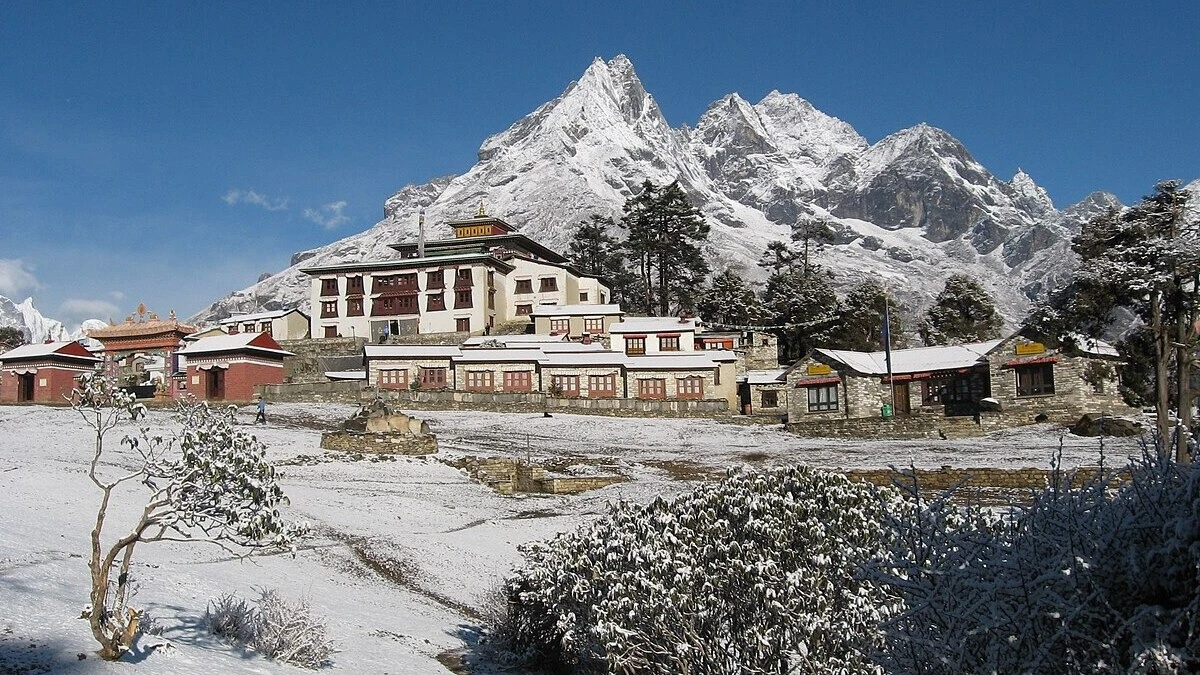
Tengboche Monastery is located in the Khumbu region of Nepal, within Sagarmatha National Park, along the classic Everest Base Camp Trek route between Namche Bazaar and Everest Base Camp. Situated at approximately 3,867 meters (12,687 feet) above sea level, it is one of the most famous Buddhist monasteries in the Everest region and a major cultural highlight of the Everest Base Camp Trek in Nepal.
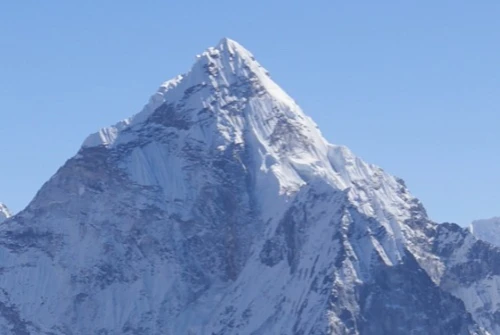
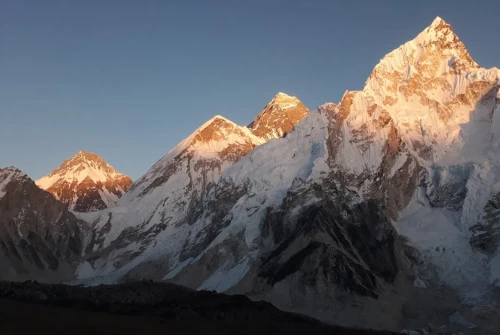
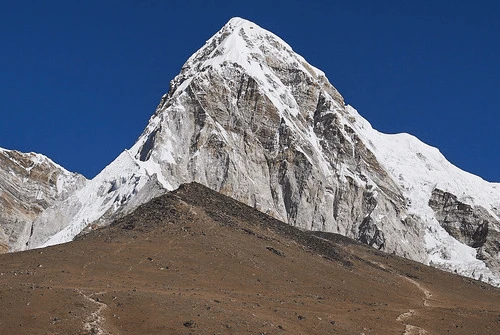
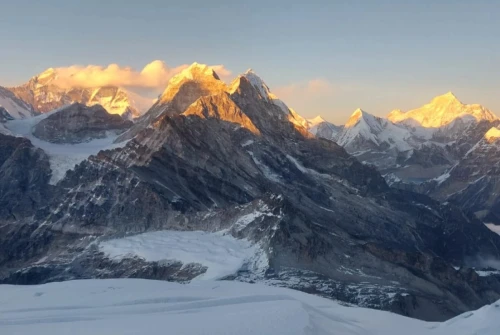
The monastery occupies a spectacular ridge above the Dudh Koshi Valley, offering breathtaking views of Ama Dablam, one of the most iconic mountains in the Himalayas. On clear days, trekkers can also enjoy views of Mount Everest, Lhotse, Nuptse, Thamserku, and other Himalayan peaks surrounding the Khumbu Valley.
For trekkers searching for the best places to visit on the Everest Base Camp Trek, Tengboche is a must-see destination. Its combination of Himalayan mountain views, Sherpa culture, Buddhist heritage, and peaceful mountain scenery makes Tengboche Monastery one of the most memorable stops on the journey to Everest Base Camp.
History of Tengboche Monastery
The Tengboche Monastery history is deeply intertwined with the arrival of Tibetan Buddhism in the Khumbu region and the endurance of the Sherpa community.
The main gompa was established in 1916 by Lama Gulu, a respected monk of the Nyingma lineage, with spiritual ties to the famous Rongbuk Monastery on the northern face of Everest. Local Sherpa families contributed both manual labor and funding to build what quickly became the primary Buddhist monastery in the Everest region.However, the physical structure of Tengboche has been tested by two major historic disasters over the last century:
The 1934 Earthquake
In 1934, a devastating earthquake shook Nepal, destroying the original main temple complex. Demonstrating the deep devotion central to Sherpa culture in Nepal, local villagers and monks gathered materials, brought skilled artisans from Lhasa, and completely rebuilt the sacred complex.
The 1989 Fire
Tragedy struck again in January 1989 when an electrical fire broke out, destroying the main prayer hall, priceless ancient wall paintings, historical thangkas, and sacred texts. Once again, the community rallied. Led by the Tengboche Rinpoche and supported by international donations including significant assistance from Sir Edmund Hillary’s Himalayan Trust and the American Himalayan Foundation the monastery was meticulously restored.
The monastery visitors see today was officially reconsecrated in 1993. It stands not just as a traditional architectural masterpiece, but as an international symbol of spiritual resilience, community unity, and Himalayan cultural preservation.
Why Is Tengboche Monastery Important?
Tengboche Monastery is widely regarded as the spiritual heart of the Everest region and one of the most significant Buddhist monasteries in the Khumbu Valley, Nepal. Located along the classic Everest Base Camp Trek, it offers travelers a unique opportunity to experience the living traditions of Tibetan Buddhism alongside some of the world's highest mountains.
For the Sherpa people of the Everest region, Tibetan Buddhism is deeply connected to everyday life, mountain traditions, family ceremonies, and their spiritual relationship with the Himalayas. Tengboche Monastery remains an important center for:
Daily Buddhist prayers, chanting, and meditation
Traditional puja ceremonies and religious rituals
Monastic study of Buddhist philosophy and scriptures
Blessings for trekkers, climbers, and mountaineers before Himalayan expeditions
Preservation of Sherpa culture, traditions, and Buddhist heritage
Important religious gatherings and Sherpa festivals
Spiritual guidance for local communities and pilgrims
For trekkers, the monastery adds a powerful cultural and spiritual dimension to the Everest Base Camp Trek in Nepal. Standing beneath Ama Dablam and surrounded by the Himalayan peaks, visitors can experience a side of the Everest region that goes far beyond mountain scenery.
According to the Nepal Tourism Board, Tengboche is home to a resident Rinpoche who provides traditional Buddhist blessings to travelers and mountaineers preparing to venture deeper into the Himalayas.
Because of its religious importance, Tengboche Monastery should not be viewed simply as a sightseeing attraction or photo stop. It is a living Buddhist institution and an essential part of the cultural experience of trekking in the Everest region of Nepal.
Tengboche Monastery and Sherpa Culture
One of the highlights of a Tengboche Monastery visit is experiencing the rich traditions and spiritual heritage of the Sherpa people. The Everest region is more than a mountain destination; it is a living cultural landscape shaped by Tibetan Buddhism, Sherpa traditions, and Himalayan mountain life.During your Khumbu Valley trekking journey, you will encounter:
Sacred Mani walls and Buddhist prayer wheels
Stone chortens and colorful lungta (prayer flags)
Traditional Sherpa villages and Buddhist gompas
High-altitude mountain agriculture
Beautiful rhododendron and pine forests
This cultural experience makes Everest region trekking much more than a physical adventure. It is a journey through the living heritage, spirituality, and traditions of the Khumbu Valley, adding deeper meaning to your journey toward Mount Everest Base Camp.
Mani Rimdu Festival at Tengboche Monastery
One of the most famous and culturally rich events associated with Tengboche is the Mani Rimdu Festival.
Mani Rimdu is a major Tibetan Buddhist festival celebrated in the Everest region. The public celebrations feature elaborate religious ceremonies, sacred prayers, communal blessings, and spectacular Cham masked dances performed by monks in the monastery courtyard.
Because the festival follows the Tibetan lunar calendar (falling around the full moon of the ninth Tibetan month, typically in autumn), its Gregorian dates shift each year. While the private monastic rituals extend much longer, the public celebrations take place over three main days.
Upcoming Festival Dates: 2026 and 2027
2026 Dates: The public celebration at Tengboche is widely scheduled around late October (commonly cited for October 26–28, 2026), with minor variations across published calendars.
2027 Dates: Exact Gregorian dates are determined and officially confirmed by the head lama closer to the season, typically landing in late October or November 2027.
Important Note: Because online calendars and trekking itineraries can occasionally conflict or vary based on local lunar sightings, travelers planning an Everest Base Camp Trek in October or November should always confirm the final Tengboche schedule directly with the monastery or a trusted local agency before booking international flights.
What Happens During Mani Rimdu?
The festival is far more than a cultural performance for tourists; it is a profound living religious ceremony for the Sherpa Buddhist community. During your visit, you may witness:
Cham Masked Dances: Monks wear vibrant, elaborate masks and silk robes to perform ritual dances symbolizing the triumph of Buddhism over ancient spirits and the victory of positive forces.
Buddhist Prayers: Extended chanting and musical performances using traditional long horns and cymbals fill the high-altitude air.
Blessings: The distribution of sacred protective threads and Mani Rilbu (blessed pills) to the community and pilgrims.
Fire Puja (Jinsak): A symbolic fire ceremony held on the final day to offer prayers for world peace and harmony.
For trekkers, experiencing Mani Rimdu offers an unmatched window into the vibrant, living heart of Sherpa culture in Nepal.
How to Reach Tengboche Monastery
The most popular way to reach Tengboche Monastery is by following the classic Everest Base Camp Trek through Nepal’s Khumbu Valley.
Typical route: Kathmandu → Lukla → Phakding → Namche Bazaar → Tengboche → Dingboche → Lobuche → Gorakshep → Everest Base Camp
After an important acclimatization day in Namche Bazaar, trekkers continue toward Tengboche along the scenic mountain trail:
Namche Bazaar → Phungi Thanga → Tengboche
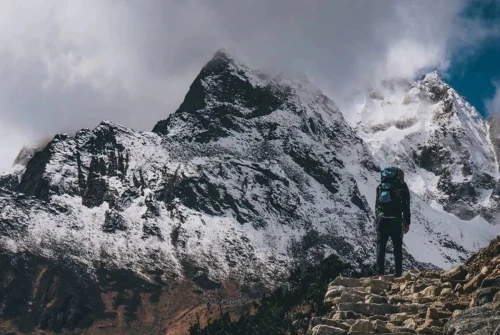
From Namche, the trail descends through beautiful pine and rhododendron forests to the Dudh Koshi River at Phungi Thanga. After crossing the suspension bridge, the route climbs steadily through the forest toward the Tengboche ridge, where the famous monastery and spectacular views of Ama Dablam and the Everest region come into view.
The climb can be challenging because of the increasing altitude, so maintaining a slow and steady pace is recommended. For many trekkers, reaching Tengboche is one of the most memorable sections of the Everest Base Camp Trek.
Connecting Major Travel Hubs: Kathmandu, Pokhara, and Lukla
When planning an extended Himalayan holiday in Nepal, many travelers combine Kathmandu, Pokhara, and Lukla before heading into the Everest region. Kathmandu is the main gateway, Pokhara is famous for its lakes and Annapurna views, while Lukla is the traditional gateway to Tengboche Monastery and Everest Base Camp.
1. Kathmandu to Lukla: Gateway to Tengboche
By Air: The flight from Kathmandu to Lukla takes around 30–35 minutes. During busy trekking seasons, flights may operate via Ramechhap (Manthali) Airport. From Lukla, trekkers begin the classic route toward Namche Bazaar, Tengboche Monastery, and Everest Base Camp.
By Road and Trek: Travelers who prefer to avoid flying can travel overland from Kathmandu toward Salleri or Surke and continue trekking for several days before joining the main Everest Base Camp trail.
2. Pokhara to Kathmandu
By Air: A domestic flight takes around 30 minutes, providing a convenient connection between Nepal’s two major tourism hubs.
By Road: Tourist buses and private vehicles generally take around 6–8 hours, depending on traffic and road conditions.
For travelers combining Pokhara, Kathmandu, and Everest Base Camp Trekking, a popular plan is to explore Kathmandu and Pokhara first, return to Kathmandu, and then travel toward Lukla and the Everest region.
This makes it easy to combine Nepal’s cultural heritage, lakeside scenery, Annapurna trekking, and the spectacular Himalayan landscapes surrounding Tengboche Monastery and Mount Everest.
Namche Bazaar to Tengboche
The distance between Namche Bazaar and Tengboche is approximately 9 to 10 kilometers, and most trekkers take about 5 to 6 hours to complete the journey. Total walking time varies considerably based on individual fitness, altitude acclimatization, trail conditions, and rest breaks.
The trek from Namche Bazaar to Tengboche typically unfolds in this sequence:
Leaving Namche Bazaar and walking along a scenic mountain ridge
Enjoying sweeping views of Everest and Ama Dablam
Descending toward Phungi Thanga
Crossing the river over a suspension bridge
Climbing through dense rhododendron and pine forest
Reaching the Tengboche ridge
The final uphill section from Phungi Thanga to Tengboche is one of the most physically demanding and noticeable climbs on this stage of the Everest Base Camp Trek, requiring a steady pace as you gain altitude.
Best Time to Visit Tengboche Monastery
The best time to visit Tengboche Monastery is during the peak trekking seasons of spring (March to May) and autumn (September to November). These months offer the most stable weather, clear Himalayan visibility, and comfortable daytime temperatures for an Everest Base Camp Trek.
Spring (March–May): This season brings warmer days, blooming rhododendron forests along the trail, and a vibrant atmosphere as mountaineering expeditions gather at Everest Base Camp. April and May are especially popular for clear morning views.
Autumn (September–November): Following the summer monsoon, autumn delivers crisp air, brilliant blue skies, and optimal mountain clarity. October is widely considered the prime month for trekking, and this season provides the timing needed to experience the Mani Rimdu Festival at Tengboche.
Winter (December–February): Winter brings freezing nighttime temperatures (often dropping below -15°C) and occasional snow on the trails. While possible for experienced, well-equipped trekkers, some higher-altitude teahouses may close.
Monsoon / Summer (June–August): Heavy rainfall, cloudy skies, and frequent Lukla flight delays characterize this period, making it less ideal unless you are prepared for shifting conditions.
For the finest balance of reliable weather, striking scenery, and cultural celebrations, spring and autumn remain the definitive choices for Everest region trekking.
Tengboche Monastery Opening and Visiting Etiquette
Tengboche is an active, functioning religious institution rather than a simple tourist attraction, so visitors should always treat the monastery with deep respect.When visiting the complex, keep these etiquette guidelines in mind:
Dress respectfully (ensure shoulders and knees are covered).
Keep your voice low and maintain quiet behavior inside sacred spaces.
Follow all instructions from resident monks and monastery staff.
Always ask permission before photographing individuals or taking pictures inside religious areas like the main prayer hall.
Never disturb active prayer ceremonies or meditation sessions.
Walk respectfully around religious structures (such as chortens and mani walls) in a clockwise direction.
According to the Nepal Tourism Board, general visitor tours of the monastery are typically scheduled during the afternoon hours to align with monastic routines. Because schedules can shift based on religious observances and daily community life, your trekking guide can help confirm the exact visiting arrangements when you arrive at the ridge.
Can You Take Photos Inside Tengboche Monastery?
Photography rules at Tengboche Monastery can vary depending on the area and ongoing religious activities. As a general rule, always ask permission before taking photos inside the prayer hall or during Buddhist ceremonies.
Outdoor photography is usually easier, with spectacular views of Ama Dablam, the Everest region, and the Khumbu Valley. Popular photography subjects include:
Tengboche Monastery
Ama Dablam and Himalayan peaks
Buddhist prayer flags and chortens
Mani walls and prayer wheels
Rhododendron and pine forests
Traditional Sherpa villages
Himalayan landscapes along the Everest Base Camp Trek
For a respectful Tengboche Monastery visit, avoid disturbing monks or religious ceremonies and always seek permission before photographing people.
Tengboche on the Everest Base Camp Trek
Tengboche Monastery is a major highlight and popular overnight stop on the classic Everest Base Camp Trek. A typical itinerary includes:
- Day 1: Kathmandu–Lukla flight and trek to Phakding
- Day 2: Phakding to Namche Bazaar
- Day 3: Acclimatization in Namche Bazaar
- Day 4: Namche Bazaar to Tengboche
- Day 5: Tengboche to Dingboche
- Day 6: Acclimatization in Dingboche
- Day 7: Dingboche to Lobuche
- Day 8: Lobuche to Everest Base Camp and Gorakshep
- Day 9: Kala Patthar and trek toward Pheriche
- Day 10:Trek from Pheriche to Namche Bazaar (3440 m/11,280 ft): 7-8 hrs
- Day 11:Trek from Namche Bazar to Lukla
- Day 12:Lukla to Kathmandu
Alternative Routes to Tengboche
Tengboche can be reached through several Everest region trekking routes, allowing travelers to experience the monastery without following exactly the same Everest Base Camp Trek itinerary.
Everest Panorama Trek
The Everest Panorama Trek is a shorter alternative for travelers who want spectacular Himalayan views and authentic Sherpa culture without trekking to Everest Base Camp. Tengboche Monastery is the main highlight of this route.
Everest Three Passes Trek
The Everest Three Passes Trek is a challenging alternative for experienced trekkers. The route includes Tengboche and crosses Kongma La, Cho La, and Renjo La, offering a more adventurous Everest trekking experience.
Gokyo–Everest Circuit
The Gokyo Valley Trek can be combined with the Everest Base Camp route to create a longer Gokyo–Everest Circuit. Depending on the itinerary, trekkers can visit Gokyo Lakes, Everest Base Camp, and Tengboche, while experiencing the diverse landscapes and Sherpa culture of the Khumbu Valley.
Accommodation and Food in Tengboche
Tengboche accommodation mainly consists of traditional teahouses and mountain lodges offering simple, comfortable facilities for Everest Base Camp Trek travelers. Most provide twin or shared rooms, blankets, dining areas, hot meals, tea and coffee, while Wi-Fi and charging facilities may be available in some lodges. During the busy spring and autumn trekking seasons, rooms can fill quickly, so advance arrangements with a local trekking agency are recommended.
Food in Tengboche includes popular Nepal trekking meals such as dal bhat, noodles, pasta, soup, momos, potatoes, eggs, Tibetan bread, pancakes, tea and coffee. Dal bhat is especially popular among trekkers because it provides a filling and nutritious meal for long days of Khumbu Valley trekking. Staying well hydrated with water, tea and other fluids is also essential at high altitude.
Tengboche Monastery and Altitude
At 3,867 meters (12,687 feet), Tengboche Monastery is at a high enough elevation for trekkers to experience symptoms of altitude sickness, including headache, shortness of breath, fatigue, reduced appetite and difficulty sleeping.
Proper acclimatization is essential during an Everest Base Camp Trek and Khumbu Valley trekking journey. Trek slowly, stay hydrated, listen to your body and inform your guide immediately if symptoms worsen. A responsible trekking guide can monitor your condition and adjust the pace or itinerary when necessary.
Why Tengboche Is Worth Visiting
Tengboche Monastery is one of the most rewarding highlights of the Everest Base Camp Trek in Nepal, bringing together spectacular Himalayan scenery, Buddhist culture, Sherpa heritage, mountain trekking, and spiritual experiences in one unforgettable destination. The breathtaking view of Ama Dablam, Mount Everest, Lhotse, Nuptse, and Thamserku makes Tengboche one of the best viewpoints in the Everest region.
Beyond the scenery, a Tengboche Monastery visit offers a deeper connection to Sherpa culture in Nepal, Tibetan Buddhism, traditional mountain villages, prayer wheels, mani walls, and sacred monasteries. As you trek through the Khumbu Valley, the journey becomes more than reaching Everest Base Camp—it becomes an immersive Everest region trekking experience through the homeland of the Sherpa people.
Final Thoughts: Tengboche Is More Than a Stop on the EBC Trek
The Everest Base Camp Trek is more than a journey toward the world’s highest mountain—it is an unforgettable experience of Himalayan landscapes, Sherpa culture, Buddhist monasteries, mountain villages, and ancient traditions. At the heart of this journey stands Tengboche Monastery, one of the most important cultural landmarks in the Everest region of Nepal.
At 3,867 meters (12,687 feet), Tengboche combines spectacular views of Ama Dablam, Mount Everest, Lhotse, Nuptse and Thamserku with the peaceful atmosphere of Tibetan Buddhism. For travelers interested in Everest trekking, Nepal hiking, Khumbu Valley trekking, Sherpa culture, Himalayan tours, and Nepal mountain adventures, Tengboche offers an experience far beyond a simple viewpoint.
Whether you are planning the Everest Base Camp Trek, Everest Panorama Trek, Everest Three Passes Trek, Gokyo Valley Trek, or other Nepal hiking and trekking routes, taking time to experience Tengboche can make your journey truly memorable.
If you are planning your next Himalayan adventure, All Nepal Hiking offers guided Everest trekking, Nepal trekking, hiking, mountain tours, and customized Himalayan adventures with experienced local guides.
Don't simply arrive at Tengboche, take a photograph and leave. Slow down, explore the monastery, experience the Sherpa culture, and take in the Himalayan views. This is what makes the Tengboche Monastery visit one of the most meaningful experiences on the Everest Base Camp Trek in Nepal.
Frequently Asked Questions About Tengboche Monastery
Where is Tengboche Monastery located?
Tengboche Monastery is located in Nepal’s Khumbu Valley / Everest region, at approximately 3,867 meters (12,687 feet) on the main trekking route from Lukla to Everest Base Camp.
How far is Tengboche from Namche Bazaar?
Tengboche is approximately 10 km from Namche Bazaar and usually takes around 5–6 hours of trekking, depending on pace, breaks, weather and trail conditions.
How high is Tengboche Monastery?
Tengboche Monastery elevation is approximately 3,867 meters (12,687 feet) above sea level.
Is Tengboche Monastery on the Everest Base Camp Trek?
Yes.Tengboche Monastery is one of the major cultural and scenic highlights of the classic Everest Base Camp Trek in Nepal.
Can tourists visit Tengboche Monastery?
Yes. Travelers can generally visit the monastery while respecting Buddhist traditions, local customs and visiting rules.
What is Tengboche famous for?
Tengboche is famous for its Buddhist monastery, Sherpa culture, Mani Rimdu Festival, Ama Dablam views, Himalayan scenery and spiritual atmosphere.
What is the Mani Rimdu Festival?
Mani Rimdu is a major Buddhist festival in the Everest region featuring sacred prayers, blessings, rituals and traditional Cham masked dances performed by monks.
Is Tengboche difficult to reach?
Tengboche is accessible by trekking, but the uphill climb from Phungi Thanga can be challenging because of the significant elevation gain. A slow and steady pace is recommended.
Can I stay overnight in Tengboche?
Yes. Tengboche accommodation includes several teahouses and mountain lodges. Visitors cannot stay inside the monastery itself.
What mountains can you see from Tengboche?
On clear days, trekkers can enjoy views of Ama Dablam, Mount Everest, Lhotse, Nuptse, Thamserku and Kangtega, making it one of the best viewpoints on the Everest trekking route.
Is Tengboche worth visiting without going to Everest Base Camp?
Absolutely. The Everest Panorama Trek is an excellent alternative for travelers who want to experience Tengboche Monastery, Sherpa culture, Buddhist heritage and Himalayan mountain views without completing the full Everest Base Camp Trek.
Can I visit Tengboche Monastery on other Nepal trekking routes?
Yes. Besides the Everest Base Camp Trek, Tengboche can be included in the Everest Panorama Trek, Everest Three Passes Trek and Gokyo Valley Trek. These routes offer different ways to experience the Khumbu Valley, Himalayan landscapes and Sherpa villages.
What is the best time to visit Tengboche Monastery?
The best seasons for Tengboche trekking are generally spring (March–May) and autumn (September–November), when trekking conditions and mountain visibility are often favorable. Autumn also offers an opportunity to plan around the Mani Rimdu Festival.
Is Tengboche safe for high-altitude trekking?
Tengboche is at high altitude, so proper acclimatization, hydration and gradual ascent are important. Trekkers should monitor symptoms of altitude sickness and inform their guide if they feel unwell.
Why should I include Tengboche in my Nepal hiking itinerary?
A Tengboche Monastery visit combines Nepal hiking, Himalayan scenery, Buddhist culture, Sherpa heritage and Everest trekking in one remarkable destination. For travelers exploring Nepal with Marvel Adventure, Tengboche can be an unforgettable cultural highlight of a Khumbu Valley trekking adventure.
 based on 270 reviews