based on 270 reviews

Nepal transforms every autumn into something truly magical. Streets shimmer with oil lamps, marigold garlands drape every doorway, and the sound of deusi-bhailo songs fills the night air. Tihar, Nepal's second greatest festival after Dashain- is a five-day celebration that blends devotion, color, music, and community into an experience unlike anything else in South Asia. For travelers, timing a visit to Nepal during Tihar is one of the best decisions you can make.
This guide covers everything you need to know about the Tihar Festival and how to experience it as a traveler in Nepal.
What Is Tihar? Understanding Nepal's Festival of Lights
Tihar (also called Deepawali or Yamapanchak) is a five-day Hindu festival celebrated across Nepal and parts of northern India, typically falling in October or November according to the lunar calendar. While India celebrates a parallel festival called Diwali, Nepal's Tihar is distinctly its own tradition, richer in its daily rituals, more intimate in its community celebrations, and uniquely extended across five consecutive days, each dedicated to a different deity or being.
The word Tihar derives from the Sanskrit Tithihar, meaning a festival of dates or sacred days. At its spiritual core, Tihar is a celebration of the bond between life and death, light and darkness, humans and the natural world. The festival honors crows, dogs, cows, oxen, and ultimately human beings, recognizing the sacred role each plays in the cycle of life.
The Five Days of Tihar: A Day-by-Day Guide
Day 1 — Kaag Tihar: The Day of the Crow
The festival opens with Kaag Tihar, the worship of the crow. In Hindu tradition, crows are the messengers of Yamaraj, the god of death. By honoring crows with offerings of food placed on rooftops and outside homes, families seek to keep bad news and misfortune away from their household.
As a traveler, you will notice crows being actively fed early in the morning throughout neighborhoods in Kathmandu, Pokhara, and every town across the country. It is a quiet, contemplative beginning to what will become an increasingly vibrant celebration.
Day 2 — Kukur Tihar: The Day of the Dog
Kukur Tihar is the most internationally recognized day of the festival, and for very good reason. On this day, all dogs are honored as sacred beings. Dogs are considered the companions and guardians of Yamaraj, and worshipping them is believed to bring protection and blessings.
Every dog, whether a beloved pet, a street dog, or a working farm dog, receives a tika (a vermillion mark on the forehead), a garland of marigold flowers around the neck, and offerings of food, including meat, eggs, and sweets.
For travelers, Kukur Tihar is extraordinary to witness. Photographs of garland-draped street dogs with tika marks on their foreheads have gone viral globally, but seeing it in person is a completely different experience. The genuine reverence with which Nepali people approach even stray dogs on this day is deeply moving.
Day 3 — Gai Tihar and Laxmi Puja: The Most Important Day
Day three is the most significant day of Tihar, combining two major rituals.
In the morning, Gai Tihar: Cows, considered sacred in Hinduism as manifestations of the goddess Laxmi and symbols of prosperity, are worshipped with garlands, tika, and offerings of grass and grain. You will see elaborately decorated cows being led through streets across Nepal.
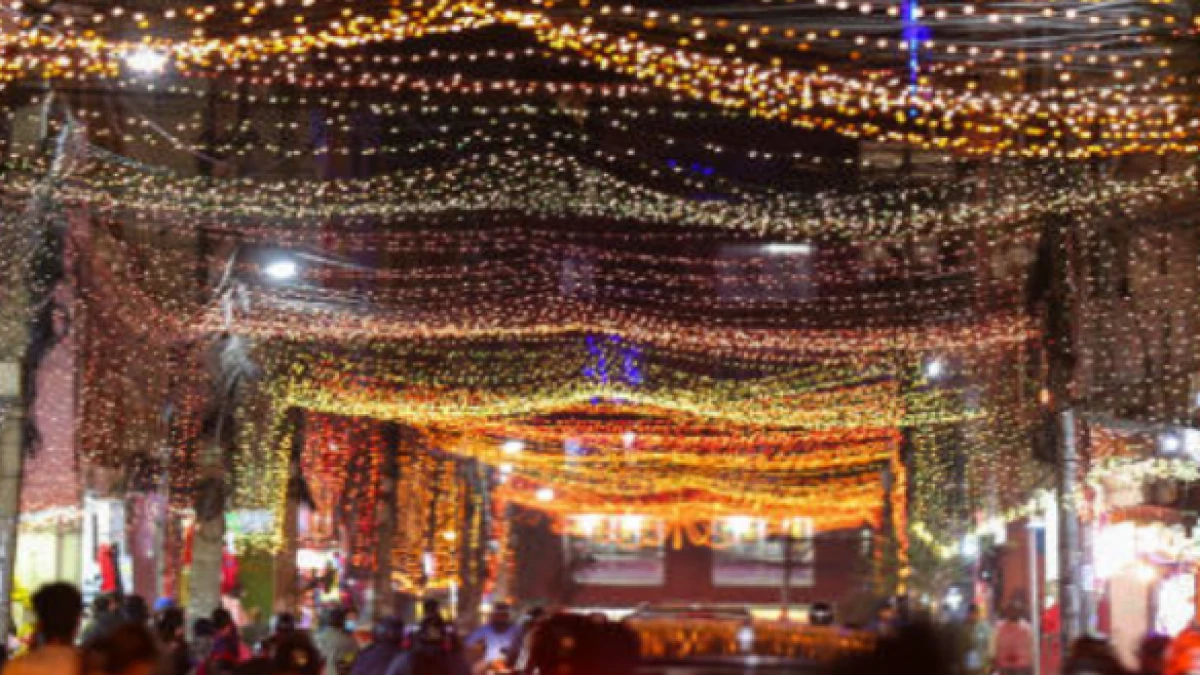
In the evening, Laxmi Puja: As darkness falls, Nepal lights up. Laxmi, the goddess of wealth and prosperity, is welcomed into homes through trails of light. Every household, shop, and building is decorated with:
- Oil lamps (diyo) are placed in rows along every windowsill, rooftop, and doorstep
- Colorful rangoli, intricate geometric patterns drawn on floors and courtyards using colored powder, rice flour, and flower petals
- Marigold garlands hanging from doorways and windows
- Electric lights strung across entire neighborhoods
The belief is that Laxmi travels from house to house on this night, and only the brightest, most beautifully decorated homes will receive her blessings of prosperity. The result is that every single neighborhood in Nepal becomes a glowing masterpiece of light and color.
For travelers, the Laxmi Puja evening is the single most spectacular moment of Tihar. Walking through Kathmandu's Thamel district, Patan's Mangal Bazaar, or any local neighborhood as thousands of oil lamps flicker in the dark, is an experience of profound, unforgettable beauty.
Day 4 — Goru Tihar and Govardhan Puja: Worshipping the Ox
On the fourth day, oxen are honored for their role in agriculture and sustaining human life. Farmers across Nepal decorate their oxen with tika and garlands, offering prayers of gratitude for a year of labor.
In some communities, this day also observes Govardhan Puja, commemorating the story of Lord Krishna lifting Mount Govardhan to shelter villagers from Indra's wrath. Mounds of cow dung shaped into hills are constructed in courtyards and decorated with flowers, a traditional artistic practice that surprises many first-time visitors but carries deep agricultural symbolism.
Day 5 — Bhai Tika: The Day of Siblings
Tihar concludes with its most emotionally resonant ritual, Bhai Tika, the celebration of the bond between brothers and sisters.
On this day, sisters perform a ceremonial puja for their brothers, applying a seven-colored tika (made from oil, yogurt, and colored powders) on their foreheads, garlanding them with flowers, and offering sweets and gifts. The ritual is believed to extend a brother's lifespan and protect him from death, again invoking the presence of Yamaraj, who is said to be unable to claim a man on the day his sister performs Bhai Tika.
Brothers reciprocate with gifts of clothing, jewelry, or money. The day is marked by family reunions, enormous feasts, and an atmosphere of deep warmth and affection.
For solo travelers, Bhai Tika can feel like the quietest day of Tihar as families retreat indoors. However, if you are staying with a host family or have Nepali friends, receiving a Bhai Tika blessing as an honorary sibling is one of the most touching cultural experiences Nepal offers.
Deusi-Bhailo: The Music of Tihar
No description of Tihar is complete without its music. Throughout the festival, particularly on nights three, four, and five, groups of young people move through neighborhoods singing deusi (male groups) and bhailo (female groups) songs door to door.
These are traditional folk songs celebrating the festival, invoking blessings upon each household, and asking for offerings of food, money, or sweets. Homeowners welcome the singers, listen to a song or two, and offer coins or snacks. The practice is communal, joyful, and deeply social.
As a traveler, joining a deusi-bhailo group, even just following along as an enthusiastic observer, is one of the most immersive cultural experiences available in Nepal. Locals are enormously welcoming of foreign participation, and the warmth of these street performances cannot be overstated.
Where to Experience Tihar in Nepal
Kathmandu Valley
The Kathmandu Valley, encompassing Kathmandu, Patan (Lalitpur), and Bhaktapur, is the best place in Nepal to experience Tihar in its full cultural depth.
Thamel, Kathmandu: The tourist hub transforms completely. Streets are strung with lights, local shops are decorated, and the energy is electric, particularly on Laxmi Puja night.
Patan Durbar Square: The ancient palace square of Patan becomes a breathtaking canvas of oil lamps, rangoli, and marigold decorations. The traditional Newari architecture lit by thousands of flickering diyo lamps is genuinely stunning.
Bhaktapur: The most historically preserved of the three Durbar squares, Bhaktapur during Tihar feels like stepping into a living medieval painting of light and devotion.
Indra Chowk and Asan Tole: These traditional market areas in old Kathmandu come alive with local Tihar shopping, marigold vendors, and authentic community celebrations away from the tourist circuit.
Pokhara
Pokhara celebrates Tihar with equal enthusiasm. The Lakeside area is beautifully decorated, and the combination of mountain reflections on Phewa Lake with Tihar lamp light makes for extraordinary photography. Pokhara also tends to feel slightly less crowded than Kathmandu during the festival.
Newari Communities
If you have the opportunity to visit a traditional Newari community anywhere in the valley during Tihar, take it. The Newari people have some of the most elaborate and artistically detailed Tihar traditions, including intricate rangoli patterns that take hours to create and are considered genuine folk art.
Practical Travel Guide: Visiting Nepal During Tihar
When Is Tihar in 2026?
Tihar follows the Hindu lunar calendar, so the festival dates change every year. In 2026, Tihar will be celebrated from November 7 to November 11 in Nepal.
| Date | Festival Day | Rituals & Traditions |
|---|---|---|
| November 7, 2026 (Saturday) | Kaag Tihar | The first day of Tihar is dedicated to crows, the messengers of Yama, the God of Death. People place rice, seeds, and sweets on rooftops and open spaces as offerings to bring peace and protection. |
| November 8, 2026 (Sunday) | Kukur Tihar, Gai Tihar & Lakshmi Puja | In 2026, Dog Tihar, Cow Tihar, and Lakshmi Puja are celebrated on the same day. Dogs are honored with flower garlands, red tika, and delicious treats for their loyalty. Cows, symbols of prosperity and motherhood, are also worshipped. In the evening, homes and temples are illuminated with oil lamps and colorful lights to welcome Goddess Lakshmi, the goddess of wealth and good fortune. |
| November 9, 2026 (Monday) | Govardhan Puja (Goru Tihar) | Oxen are worshipped to express gratitude for their important role in farming and agriculture. Devotees also perform Govardhan Puja by honoring the sacred Govardhan Hill, symbolizing Lord Krishna's protection. |
| November 10, 2026 (Tuesday) | Mha Puja & Nepal Sambat New Year | The Newar community celebrates Mha Puja, a unique ritual that honors the inner self and promotes good health, happiness, and prosperity. This day also marks the beginning of the Nepal Sambat New Year. |
| November 11, 2026 (Wednesday) | Bhai Tika | The final day celebrates the special bond between brothers and sisters. Sisters apply a colorful seven-colored tika to their brothers' foreheads, offer blessings for a long and healthy life, and exchange gifts and sweets as a symbol of love and protection. |
How to Get to Nepal for Tihar
Tribhuvan International Airport (KTM) in Kathmandu is Nepal's only international hub. Book flights at least 6–8 weeks in advance for the Tihar season, as October–November is Nepal's peak travel period, coinciding with both the festival and ideal trekking conditions.
Where to Stay During Tihar
Accommodation books up quickly in Kathmandu and Pokhara during Tihar. Recommended areas:
- Thamel, Kathmandu — best for solo travelers and budget options; lively festival atmosphere
- Patan/Lalitpur — better for boutique hotels and authentic neighborhood celebrations
- Lakeside, Pokhara — ideal if combining Tihar with an Annapurna trek
Book at least 4–6 weeks ahead for the Laxmi Puja night in particular.
Getting Around During Tihar
Be aware that many local businesses, government offices, and transport services operate on reduced schedules during the five festival days. Taxis and local buses run but may be limited on Laxmi Puja and Bhai Tika. Walking is the best way to experience Tihar anyway; the streets are where the magic happens.
Respectful Traveler Etiquette During Tihar
- Ask permission before photographing rituals or close-up portraits, especially during Bhai Tika family ceremonies
- Accept offerings graciously if invited to participate in puja — refusing can be considered impolite
- Dress modestly when entering temples or homes
- Contribute small amounts if you follow a deusi-bhailo group for more than a few songs
- Avoid alcohol in public spaces on especially sacred evenings
- Do not disturb dogs wearing their Kukur Tihar garlands — they are considered sacred on this day
Tihar and Trekking: Combining Nepal's Two Greatest Experiences
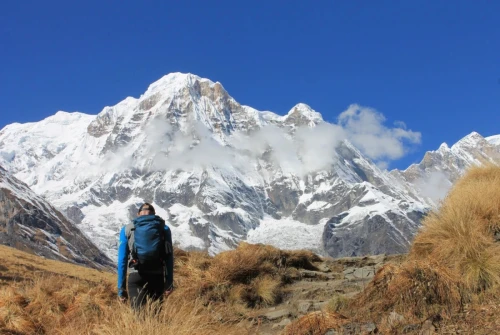
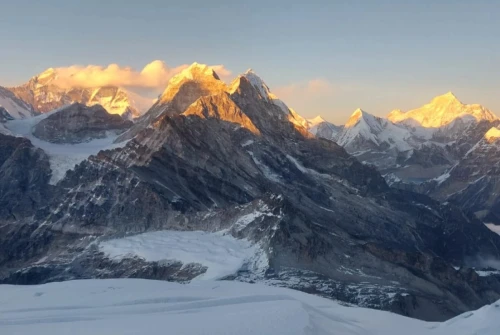
October and November, the prime months for Tihar, also happen to be Nepal's finest trekking season. Post-monsoon skies are crystal clear, temperatures are ideal, and mountain views are at their sharpest.
A natural itinerary for many travelers is to:
- Arrive in Nepal 2–3 days before Tihar to settle in and explore Kathmandu
- Experience the five days of Tihar in the Kathmandu Valley
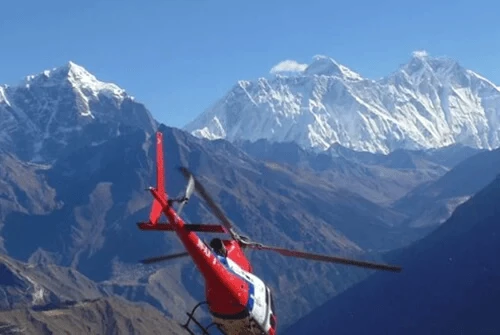
- Fly to Pokhara or Lukla immediately after Bhai Tika to begin a trek
- Trek the Annapurna Circuit, Poon Hill, ABC, or EBC through late November
This combination — festival immersion followed by Himalayan trekking — represents arguably the most complete Nepal travel experience possible.
What to Buy During Tihar: Shopping Guide
Tihar is Nepal's biggest shopping season. Markets overflow with:
- Marigold garlands and flower offerings, sold by the armful at every market
- Oil lamps (diyo) in clay and brass, beautiful, inexpensive souvenirs
- Rangoli colors and stencils, popular craft items
- Sweets and sel roti, traditional Tihar foods, including the iconic ring-shaped fried bread
- Thanka paintings and religious art are sold year-round, but particularly abundant during festival season
- Pashmina and woolen goods are ideal to purchase before a trek
Tihar Food:What to Eat During the Festival
Tihar is as much a culinary event as a spiritual one. Look out for:
- Sel roti — a crispy, ring-shaped rice flour bread fried in ghee, the definitive Tihar food
- Anarsa — sesame-coated rice flour sweets
- Kheer — rice pudding offered as prasad
- Bara — savory lentil patties from Newari cuisine
- Sweets exchanged between neighbors, accepting these when offered, is part of the communal spirit of Tihar
Why Tihar Is the Best Time to Visit Nepal
Nepal has many festivals, but Tihar stands alone as the most visually spectacular, emotionally resonant, and traveler-accessible of them all. It requires no special permission to witness, no specific religious background to appreciate, and no insider connections to experience authentically. The festival quite literally spills into the streets, welcoming everyone.
If you have ever wanted to understand what it means for a country to be genuinely, joyfully alive with culture, book your Nepal trip for the Tihar season. You will leave with photographs you will never stop showing people, memories you will carry for decades, and a deeper understanding of why Nepal is not simply a trekking destination but one of the most culturally extraordinary places on earth.


.webp)