based on 270 reviews

Is December good for trekking in Nepal? Learn about winter temperatures, crowd levels, open teahouses, and safe routes like Poon Hill, Mardi Himal, and ABC.
Trekking in Nepal in December: Weather, Trails & Tips
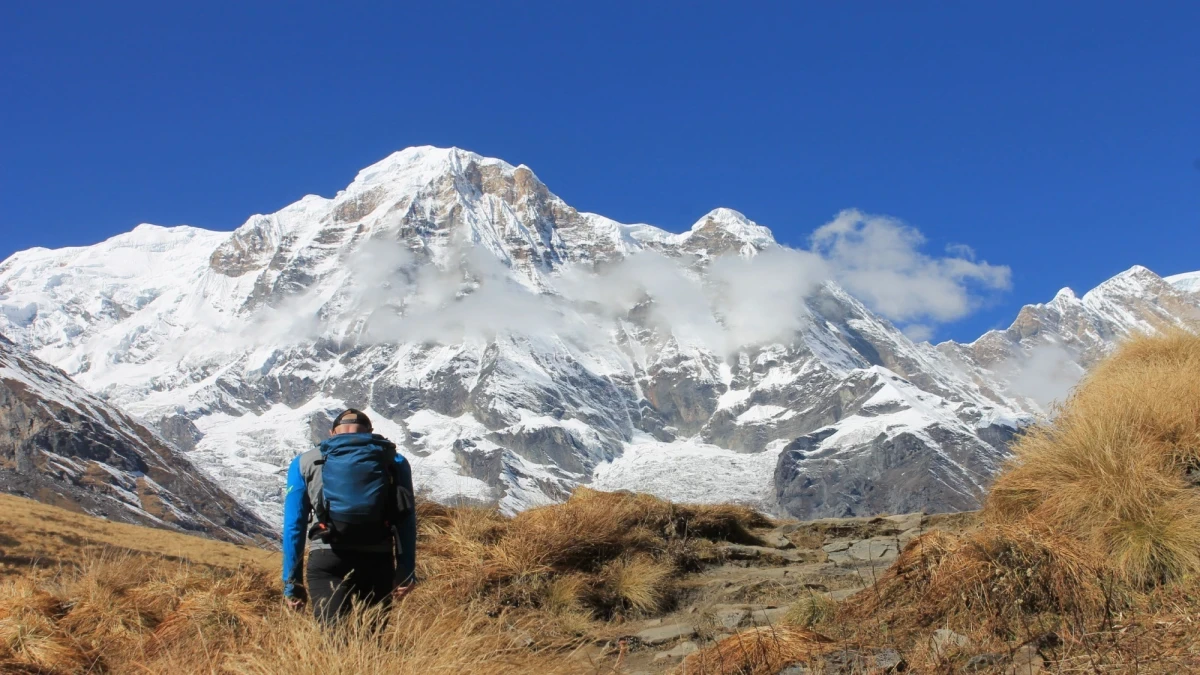
Most travelers choose October or November to visit Nepal. While those months have great weather, they also bring packed trails, crowded teahouses, and busy viewpoints.
If you ask seasoned hikers and local guides for their favorite time of year, many will tell you: December.
December marks the start of winter in the Himalayas. The autumn crowds have cleared out, the skies are bright blue almost every day, and the snow-dusted peaks look sharper than ever. If you pack warm clothes and plan the right route, trekking in December gives you peace, quiet, and mountain views you will never forget.
Pros and Challenges of Trekking in December
Trekking in December has both perks and challenges. Knowing what to expect makes planning easy.
- Quiet Trails: Trail traffic drops by 35% to 40% compared to peak autumn. You will often have famous viewpoints completely to yourself.
- Crystal-Clear Skies: Clear weather lasts 28 to 30 days of the month. Morning visibility regularly stretches between 80 and 150 kilometers.
- Open Teahouses: You will not need to scramble for a room or wait in long lines for dinner.
- Better Travel Value: Flights, boutique hotels, and tours often offer off-season rates.
- Wildlife Encounters: In lowland parks like Chitwan and Bardia, dry winter weather draws rhinos and deer toward open water sources.
- Freezing Nights: While daytime hiking is comfortable in the sun, night temperatures above 4,000 meters can drop between -15°C and -20°C.
- Shorter Days: You get roughly 10.5 hours of daylight. You must start walking by 6:30 AM or 7:00 AM to reach your lodge safely before dark.
- High Pass Closures: Mountain passes above 5,000 meters—like Thorong La on the Annapurna Circuit—frequently close due to heavy winter snow.
- Flight Delays: Lukla flights can face morning delays due to winter fog around Kathmandu or mountain passes.
December Temperatures at Different Altitudes
Winter temperatures change drastically based on your elevation. The ranges below are approximate and can vary with weather, wind, sunshine, and location.
| Altitude | Typical trekking area | Approx. daytime temperature | Approx. nighttime temperature |
|---|---|---|---|
| Below 1,500 m | Kathmandu, Pokhara, lower valleys | 10°C to 20°C | 2°C to 10°C |
| 1,500–2,500 m | Lower trekking villages | 8°C to 16°C | -2°C to 6°C |
| 2,500–3,500 m | Ghorepani, Namche Bazaar | 5°C to 12°C | -7°C to 2°C |
| 3,500–4,500 m | Tengboche, higher camps | -2°C to 8°C | -15°C to -5°C |
| Above 4,500 m | High camps and mountain passes | -8°C to 2°C | -20°C to -10°C |
Best Treks in Nepal in December
The key to a successful December trek is picking low-to-mid-altitude routes that stay below 4,500 meters.
Poon Hill Trek
- Duration: 4–5 days
- Max Altitude: 3,210 meters
- Difficulty: Easy to Moderate
If you have one week and want panoramic mountain views without extreme cold, Poon Hill is ideal. The sunrise view from the top reveals the Annapurna and Dhaulagiri ranges. In December, you can stand on the viewpoint without bumping into hundreds of other hikers.
Mardi Himal Trek
- Duration: 5–7 days
- Max Altitude: 4,500 meters
- Difficulty: Moderate
Mardi Himal is a scenic ridge walk directly facing Machhapuchhre (Fishtail Mountain). You get a 270-degree view of Annapurna South, Hiunchuli, and Dhaulagiri. While peak months see heavy foot traffic, December brings quiet paths with only 15 to 30 hikers a day.
Annapurna Base Camp Trek
- Duration: 10–12 days
- Max Altitude: 4,130 meters
- Difficulty: Moderate to Strenuous
Standing inside the Annapurna Sanctuary amphitheater is breathtaking. In December, the surrounding walls of Annapurna I, Hiunchuli, and Gangapurna stay clear all afternoon without the clouds common in autumn. On the return walk, you can warm up in the natural hot springs at Jhinu Danda.
Khopra Ridge Trek
- Duration: 7–9 days
- Max Altitude: About 3,660 meters (Khopra Danda)
- Difficulty: Moderate
Khopra Ridge is an alternative in the Annapurna region, with wide views of the Dhaulagiri and Annapurna ranges. The route passes through villages and forest before climbing to the ridge. Winter conditions can bring snow and icy sections, so check trail and access conditions locally before setting out.
Everest Panorama Trek
- Duration: 7–10 days
- Max Altitude: 3,860 meters (Tengboche)
- Difficulty: Moderate
You do not need to hike into the -20°C cold of Gorak Shep to see Mount Everest. The Everest Panorama trek follows the classic trail to Namche Bazaar and ends at Tengboche Monastery. You can enjoy tea with panoramic views of Everest, Lhotse, and Ama Dablam while keeping night temperatures manageable at around -5°C.
High-Altitude Treks to Avoid in Winter
Some high-altitude trails carry unnecessary risks in winter:
- Annapurna Circuit (Thorong La Pass - 5,416 m): Thorong La pass frequently closes from December through February due to thick snowdrifts and ice.
- Everest Three Passes Trek (5,500+ m): Crossing Kongma La, Cho La, and Renjo La in winter carries high avalanche risks and extreme cold.
- Manaslu Circuit (Larkya La - 5,106 m): Larkya La pass is vulnerable to heavy snow closures, and remote teahouses often shut down for the season.
What to Pack for a December Trek
Layering is essential for winter conditions. It keeps you comfortable while walking in the sun and warm when the temperature drops at night:
- Warm Layers: Merino wool thermal base layers, a fleece mid-layer, and a down jacket rated to -15°C or lower.
- Outer Shell: Windproof and waterproof jacket and pants.
- Traction & Poles: A pair of slip-on microspikes for icy trail sections above 3,500 meters, and trekking poles with snow baskets.
- Warm Accessories: A windproof beanie, neck gaiter, thin liner gloves, and insulated outer mittens.
- Sleeping Bag: Bring a 4-season sleeping bag rated to -15°C or -20°C; teahouse foam blankets are not warm enough in winter.
- Practical Extras: UV-protection sunglasses (snow reflection can cause eye strain), a headlamp, and an insulated thermos to keep drinking water from freezing.
Tips for Trekking in Nepal in December
- Start Walking Early: The sun sets around 5:00 PM in winter. Hit the trail by 7:00 AM so you arrive at your lodge before the evening cold sets in.
- Add Buffer Days: Add 1 or 2 extra days to your itinerary in case domestic flights from Lukla or Pokhara are held up by morning fog.
- Drink Water Regularly: Cold, dry air hides dehydration. Drink 3 to 4 liters of clean water or hot tea daily to reduce the risk of altitude sickness.
- Carry Cash: Card machines and ATMs in mountain towns like Namche or Lukla can go offline in freezing weather. Bring enough Nepali Rupees from Kathmandu or Pokhara for your daily needs.
Plan Your December Trek with a Local Agency
Winter mountain conditions require careful navigation, up-to-date trail knowledge, and proper safety planning. Recent floods have also damaged infrastructure in some trekking areas. Check the latest route conditions with local authorities or your trekking agency before travel. Booking your trip with an authorized, local agency like All Nepal Hiking ensures a smooth, worry-free adventure.
As a government-registered agency and active member of TAAN and the Nepal Mountaineering Association, our team monitors trail conditions and teahouse openings every day. We provide licensed mountain guides, arrange all national park permits, and organize reliable transport and cozy lodges. Whether you want an easy hike up Poon Hill or an unforgettable trek to Annapurna Base Camp, we make sure your winter trek is safe, comfortable, and ethical.
Planning a winter journey to Nepal? Check out our flexible Everest Base Camp Trek or Mardi Himal itineraries to start planning your December adventure.
Shankar Neupane
Call us on WhatsApp+977 9851074814OrChat with us