based on 270 reviews

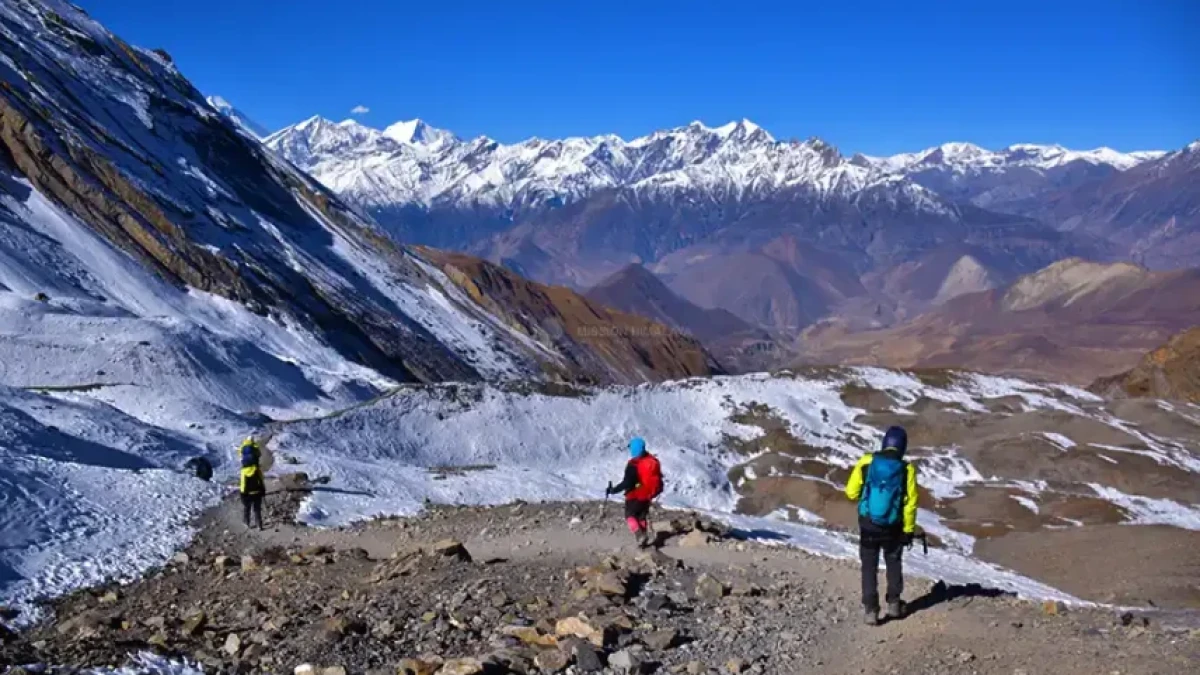
Every year, thousands of trekkers write off Nepal between June and September, assuming the monsoon makes it impossible. They are wrong, and they are missing some of the most dramatic, crowd-free, and spiritually alive trekking experiences on the planet. We are here to give you the full, unfiltered truth about trekking in Nepal during the monsoon season: the leeches, the landslides, the lush green valleys, the empty trails, and the rain-washed Himalayan vistas that no postcard has ever done justice.
This guide covers everything, top monsoon treks, booking resources, real costs, safety, and the honest good and bad of monsoon hiking in Nepal.
What Is Monsoon Season in Nepal?
Nepal's monsoon runs approximately from mid-June through late September, with peak rainfall in July and August. The monsoon arrives from the Bay of Bengal, sweeping across the Terai lowlands and climbing into the hills. Southern and central Nepal receive the heaviest rainfall. However, and this is crucial, rain shadow regions in the trans-Himalayan north (Mustang, Dolpo, Manang, Nar-Phu) remain dry and hikeable precisely because the high Himalayan wall blocks moisture.
Average temperatures during monsoon in Kathmandu hover around 20–27°C (68–80°F) at lower elevations, making it warm and humid in the valleys but pleasantly cool at altitude.
The Good Sides of Trekking in Nepal During Monsoon
Dramatically Fewer Crowds
Spring (March–May) and autumn (September–November) pack the trails with trekkers. During the monsoon, you may walk for days without seeing another foreign trekker. Tea houses are quiet. Local families are more available to talk. The whole experience feels intimate and authentic in a way that peak season simply cannot offer.
Lush, Cinematic Landscapes
The Himalayan foothills transform into an almost unreal emerald green. Rice terraces flood and shimmer. Waterfalls that don't exist in October suddenly thunder down cliff faces. Rhododendron forests drip with moss. If you are a photographer, monsoon light, soft, diffused, and dramatic, is unlike anything else.
Lower Prices on Everything
Teahouse accommodation, domestic flights, and guided packages drop 20–40% during the low season. Agencies compete aggressively for bookings. Porters and guides are available without advance booking stress. Budget trekkers who plan smart can do a full Annapurna Circuit for significantly less than in autumn.
Waterfalls and Rivers at Full Force
Places like the Annapurna foothills, Langtang Valley, and the Kanchenjunga region reveal their most powerful hydrological character during monsoon. River crossings roar. Suspension bridges sway above chocolate-brown torrents. The sheer force of Himalayan nature is on full display.
Cultural Festivals
Monsoon coincides with major Hindu and Buddhist festivals, including Nag Panchami, Janai Purnima, Teej, and Rato Machhindranath. Trekking near villages during these festivals connects you to living Nepali culture in a way no guidebook simulates.
The Bad Sides of Trekking in Nepal During Monsoon
Leeches — Everywhere
Let us be direct: leeches are a genuine monsoon hazard on trails below 3,000m. They drop from leaves, crawl up boots, and find skin with remarkable efficiency. They are not dangerous, but psychologically taxing for unprepared trekkers. Salt, insect repellent on gaiters, and quick removal are standard protocol. Many trekkers adapt within two days. Some never do.
Trail Damage, Landslides, and Floods
This is the most serious concern. Nepal's steep geology, combined with heavy rainfall, triggers frequent landslides, particularly in the Marsyangdi Valley (Annapurna Circuit), Solu-Khumbu, and Langtang regions. Trails wash out. Bridges collapse. Road access to trailheads can be cut for days. Always check current conditions with your agency before departure, and never trek alone during active heavy rain periods.
Limited Mountain Views
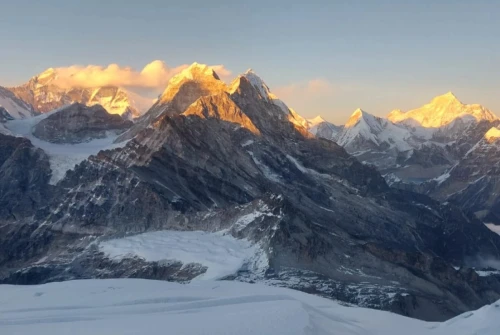
If you are coming for clear Himalayan summit views, the monsoon is not your season in most regions. Cloud cover is persistent from late morning onward. Summits like Everest, Annapurna, and Manaslu are frequently invisible from standard viewpoints. Rain shadow areas (Upper Mustang, Dolpo) are the notable exception.
Flight Cancellations
Domestic flights to Lukla (Everest), Jomsom (Mustang), and Juphal (Dolpo) are frequently delayed or cancelled during heavy monsoon weather. Build significant buffer days into any itinerary that relies on domestic aviation.
Higher Risk for Solo Trekkers
Monsoon conditions demand better judgment, local knowledge, and contingency planning. Solo trekking in the monsoon is genuinely higher risk than in stable autumn conditions. We strongly recommend hiring a registered local guide for any route that involves river crossings, remote trails, or unstable terrain.
Top Treks in Nepal That Are Best During Monsoon
1. Upper Mustang Trek — The Crown of Monsoon Trekking
Upper Mustang sits in a trans-Himalayan rain shadow north of the Annapurna and Dhaulagiri massifs. While the rest of Nepal drenches, Mustang's ancient Tibetan plateau landscape stays dry, clear, and golden. The walled city of Lo Manthang, cave monasteries, and eroded canyon landscapes make this Nepal's most otherworldly destination. Requires a special restricted area permit (USD 500 for 10 days).
Duration: 14–18 days | Difficulty: Moderate–Strenuous | Best months: June–September
2. Dolpo Trek (Lower & Upper) — Wild and Remote
Dolpo is Nepal's largest and most remote district, straddling the Tibetan plateau. Like Mustang, it sits in the rain shadow and remains largely dry during the monsoon. Lower Dolpo (Phoksundo Lake Circuit) is accessible and stunningly beautiful. Upper Dolpo is one of Nepal's most demanding and restricted treks, requiring serious preparation. The setting for Peter Matthiessen's "The Snow Leopard", enough said.
Duration: 14–28 days | Difficulty: Strenuous–Extreme | Best months: June–September
3. Nar Phu Valley Trek — Hidden Himalayan Kingdom
North of the Annapurna Circuit, Nar and Phu are remote Tibetan villages rarely visited even in peak season. The valley is sheltered from monsoon moisture, offering reliable conditions. Ancient gompas, yak herders, and virtually zero trekking traffic make this one of Nepal's greatest secrets.
Duration: 12–16 days | Difficulty: Moderate–Strenuous | Best months: June–September
4. Langtang Valley Trek — Lush Monsoon Beauty
For those who want classic Nepal trekking in full monsoon green, Langtang delivers. Yes, there will be leeches below 2,500m and cloud cover, but the rhododendron and bamboo forests become cathedral-like in the monsoon. The Tamang Heritage Trail extension adds rich cultural depth. Langtang is also easily accessible from Kathmandu (7 hours by road), minimising flight dependency.
Duration: 7–12 days | Difficulty: Moderate | Best months: June–September (with caution)
5. Kanchenjunga Base Camp Trek — East Nepal's Monsoon Secret
Far eastern Nepal receives less intense monsoon rain than central Nepal and clears more quickly between systems. The Kanchenjunga Conservation Area is one of Nepal's most biodiverse and least-visited trekking zones. Monsoon trekking here means extraordinary birdwatching, dramatic river valleys, and the third-highest mountain on Earth, largely to yourself.
Duration: 20–26 days | Difficulty: Strenuous | Best months: June–August
6. Manaslu Circuit — North Side (Rain Shadow)
The northern sections of the Manaslu Circuit, particularly above Samagaon and around the Larkya La pass corridor, sit in a partial rain shadow. While the lower portions of the route are wet in the monsoon, experienced trekkers who time their itinerary can navigate the upper valley in manageable conditions. Stunning and relatively uncrowded even in peak season, in the monsoon, it is practically private.
Duration: 14–18 days | Difficulty: Strenuous | Best months: July–August (upper sections)
Essential Gear for Monsoon Trekking in Nepal
Packing right is non-negotiable for a successful monsoon trek. Here is what we consider essential:
- Waterproof trekking boots (ankle support and sealed seams — non-negotiable)
- Pack cover and dry bags for all electronics and sleeping gear
- Gaiters (leech protection and trail mud management)
- Quick-dry trekking pants — avoid cotton entirely
- Trekking poles (wet trails are far more treacherous on descents)
- Salt or DEET-based repellent (for leech management)
- Lightweight down jacket (high altitude nights are cold even in summer)
- Water purification (tablets or filter — water sources run muddy in the monsoon)
- Extra memory cards — the photography opportunities are exceptional
Permits Required for Nepal Trekking in 2025–2026
Nepal's permit structure applies year-round, including monsoon:
| Trek | Permit Required | Approximate Cost |
|---|---|---|
| Everest Region | Sagarmatha NP Entry + TIMS | USD 30–50 |
| Annapurna Region | ACAP + TIMS | USD 30–50 |
| Langtang | Langtang NP Entry + TIMS | USD 30–50 |
| Upper Mustang | Restricted Area Permit + ACAP | USD 500+ |
| Dolpo | Restricted Area Permit | USD 500–1000 |
| Manaslu | Restricted Area Permit + MCAP | USD 100–200 |
| Kanchenjunga | Restricted Area Permit | USD 100 |
TIMS (Trekkers' Information Management System) card is required for most treks: approximately USD 20.
Safety Guidelines for Monsoon Trekking in Nepal
- Always register your trek with the relevant national park office and your embassy
- Hire a licensed guide, TAAN or NMA certified, do not rely solely on apps or maps during the monsoon
- Check weather forecasts daily using Windy.com, Nepal Department of Hydrology and Meteorology, or local radio
- Never cross swollen rivers without local guidance, flash floods kill trekkers every monsoon season
- Carry comprehensive travel insurance that explicitly covers emergency helicopter evacuation (non-negotiable in Nepal)
- Inform your teahouse owner of your route each morning; this simple step has saved lives
- Know the signs of altitude sickness, cloud cover and excitement can cause trekkers to ascend too quickly when the weather briefly clears
The Honest Bottom Line on Monsoon Trekking in Nepal
Monsoon trekking in Nepal is not for everyone, and that is precisely its appeal. It demands flexibility, preparation, physical fitness, and a genuine comfort with uncertainty. In return, it offers solitude, raw natural beauty, deep cultural connection, and cost advantages that no other season can match.
The rain shadow zones, Upper Mustang, Dolpo, Nar-Phu, are the obvious rational choice for those who want reliable conditions. But even in the wet zones, Langtang, Kanchenjunga, and the Annapurna foothills reward the prepared and the persistent with experiences that autumn crowds will never witness.
Nepal in monsoon is Nepal unfiltered. And for those who seek the mountain on its own terms, not just when it performs for tourists, there is no better time to go.
For the most current trail conditions, permit updates, and monsoon trek availability, always verify directly with your registered Nepal trekking agency before departure. Mountain conditions change rapidly during the monsoon season.
Book smart. Trek safe. Respect the rain.


.webp)