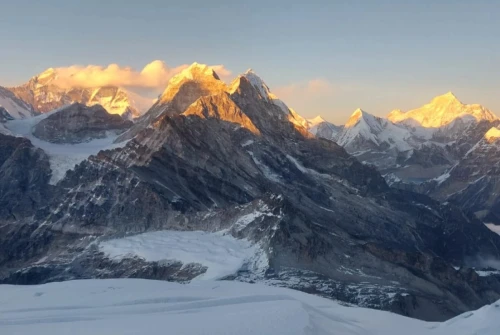
Where Blue Lake Manang is Located
Blue Lake Manang is a hidden turquoise gem nestled in the Upper Manang Valley, Gandaki Province, Nepal. It sits conveniently between Pisang and Manang Village, along the lower-altitude trekking trails of the Annapurna Circuit Tour. Its location makes it easily accessible for families, moderate trekkers, and anyone looking for a scenic Himalayan stop without the extreme high-altitude challenge.
Location Highlights:
Province: Gandaki Province, Nepal
Nearby Villages: Pisang, Humde, Mungii, and Manang Village
Altitude: Approximately 4,150 meters (13,615 feet)
Accessibility: Part of the lower Manang Valley trail, reachable via day hikes or multi-day trekking routes
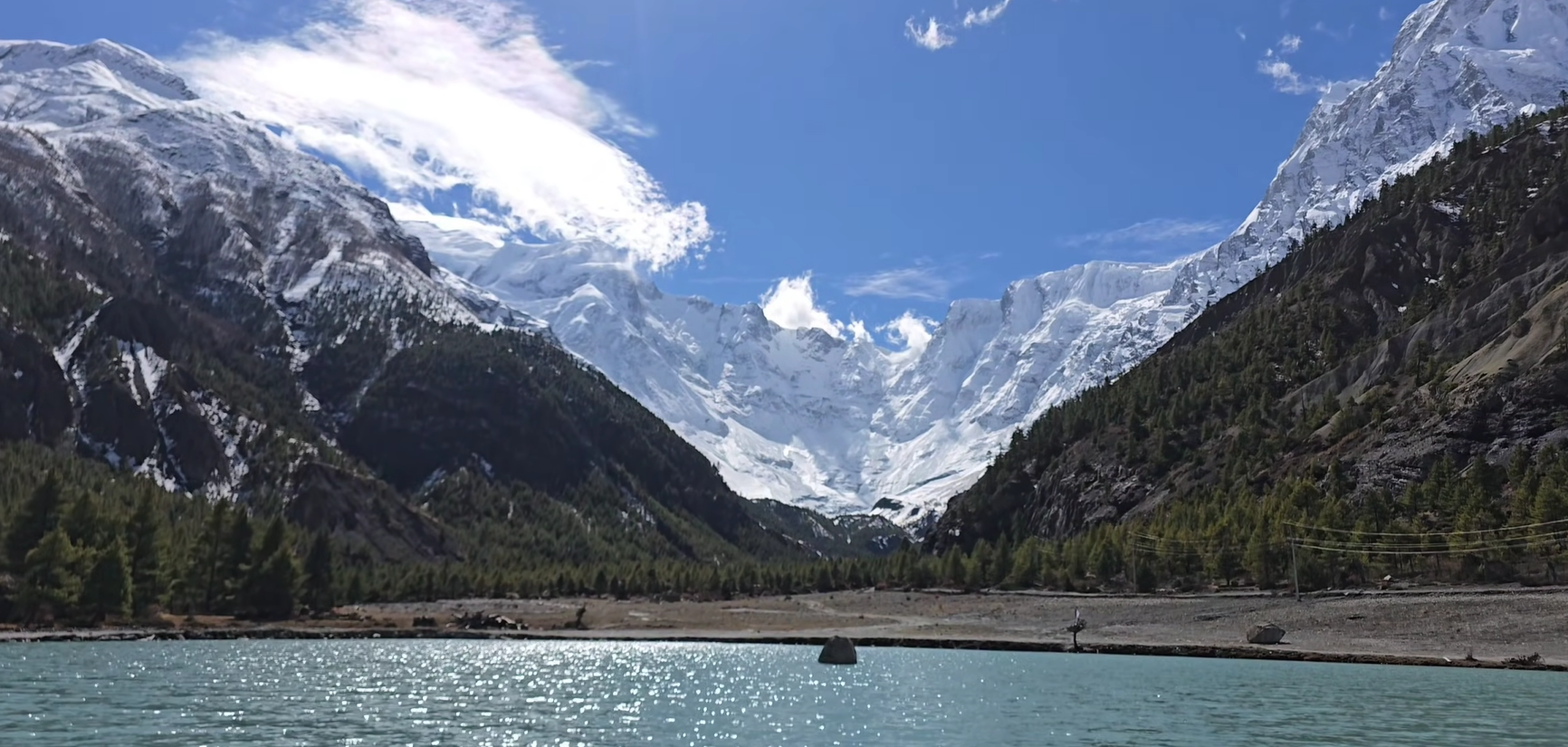
Why Its Location is Special:
Scenic Lower Trail: Unlike high-altitude lakes, Blue Lake Manang is along a gentle trail that passes terraced fields, pine and rhododendron forests, and alpine meadows.
Panoramic Mountain Views: From the lake, trekkers enjoy uninterrupted views of Annapurna II, III, IV, and Gangapurna, making it ideal for photography and reflection.
Cultural Connectivity: The lake lies on the path connecting traditional Manangi villages like Bhraka and Ngawal, offering opportunities to witness Tibetan Buddhist culture along the way.
Perfect Stop for Acclimatization: At a moderate altitude, it’s a strategic resting point for trekkers heading toward higher destinations like Tilicho Lake or Thorong La Pass.
Pro Tip: For the smoothest experience, plan your trek from either Pisang or Manang Village. A shorter option is starting from Bhraka Village, which adds a cultural highlight with the 900-year-old Bhraka Monastery while slightly reducing your trekking time.
Whether you’re on the Annapurna round route or exploring the Manang Blue Lake trail, this location combines natural beauty, accessibility, and cultural richness, making it a must-visit destination in the Annapurna region.
Why Manang Blue Lake is a Must-Visit in 2026-2027
While the Annapurna route is famous for its rugged mountain passes and dramatic Himalayan vistas, Blue Lake Manang offers a peaceful retreat that few trekkers experience. Increasingly, hikers are discovering this hidden gem in 2026-2027, and here’s why it deserves a spot on every trekker’s itinerary:
1. Crowd-Free Serenity
Unlike the popular trekking hotspots, Manang Valley Blue Lake remains off the main tea-house highway,providing true solitude. Trekkers can enjoy quiet reflection beside turquoise waters, away from the crowds that frequent other high-altitude lakes.
2. The Vibrant Turquoise Waters
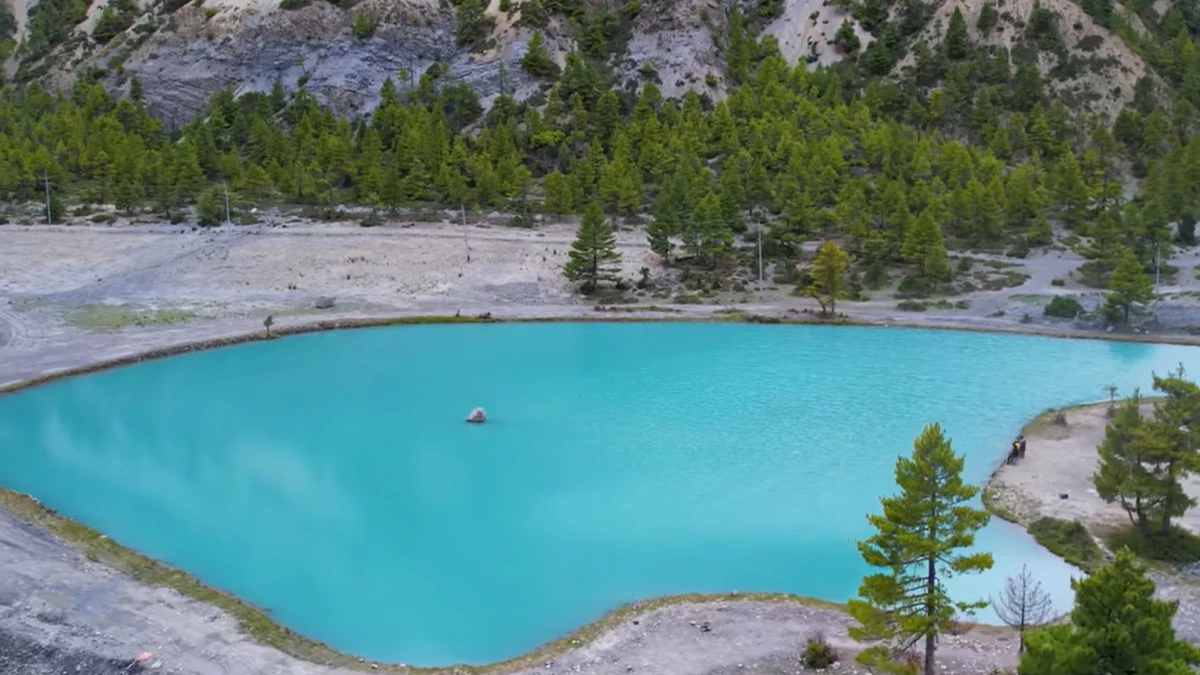
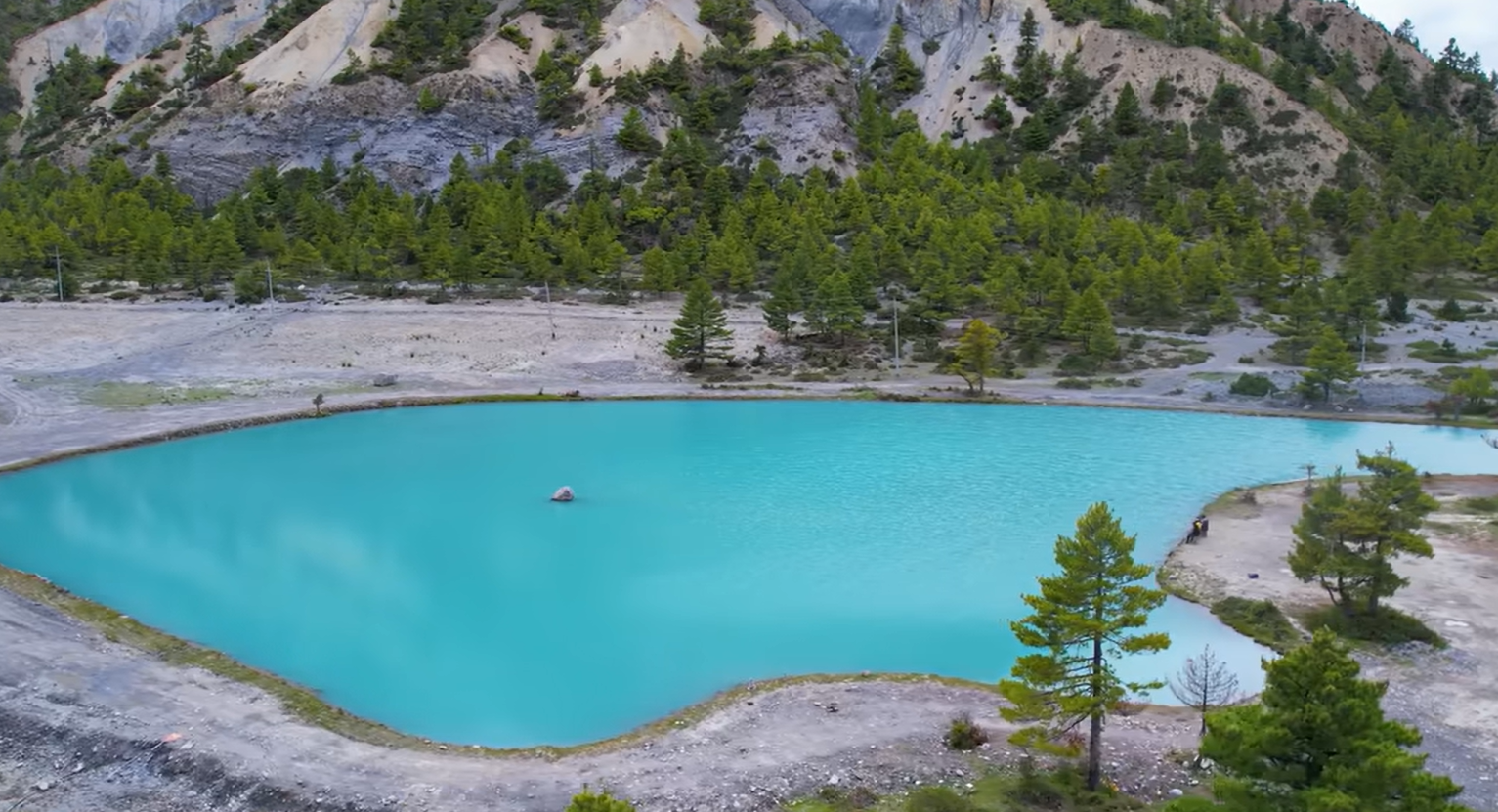
Fed by glacial melt and surrounded by moraine cliffs, Blue Lake Manang boasts a stunning crystal-clear blue hue. Whether on the Annapurna Circuit with tilicho Lake trail or the lower Manang Valley trek, this lake offers photographers and nature lovers unforgettable reflective views of the surrounding cliffs and alpine forests.
3. Ideal Acclimatization
At around 4,150 meters, Blue Lake Manang is perfect for climb high, sleep low acclimatization. Trekkers heading toward Thorong La Pass or Tilicho Lake often stop here to rest, enjoy the scenery, and prepare for higher altitudes, making it one of the most accessible highland lakes on the Annapurna region Route.
4. Cultural Immersion Along the Trail
The path to Valley Manang Blue Lake passes through traditional villages such as Bhraka and Ngawal, where Tibetan Buddhist traditions thrive. Mani walls, prayer flags, and daily rituals offer trekkers a unique cultural experience alongside the natural beauty of Blue Lake Manang.
In 2026, visiting Blue Lake Manang is more than just a hike; it's a chance to experience serene waters, vibrant turquoise reflections, gentle acclimatization, and rich Himalayan culture all in one unforgettable stop along the Annapurna Circuit Blue Lake trail.
Location & How to Reach Blue Lake Manang
Blue Lake Manang is tucked away in Upper Manang, Gandaki Province, along the serene lower trail of the Annapurna Circuit route. It lies conveniently between the popular stops of Pisang and Manang Village, making it an accessible yet peaceful detour for trekkers.Here’s how to reach it:
Method | Duration | Best For |
Trek from Manang Village | 1.5 – 2 hours (one way) | Acclimatization & Day Hikers |
Trek from Upper Pisang | 3 – 4 hours | Trekkers taking the Lower Trail |
Jeep + Hike | 10-hour drive from Kathmandu + 2-hour hike | Travelers with limited time |
Pro Tip: Start your hike from Bhraka (Braga) Village. This route is slightly shorter than starting from Manang Village and gives you the opportunity to visit the 900-year-old Bhraka Monastery on your return. It’s also a fantastic way to experience local culture while heading toward Valley Manang Blue Lake.
Whether you’re on a full Annapurna Circuit trek, exploring the lower Manang Valley, or taking a day hike, this location provides a perfect combination of accessibility, scenery, and cultural charm.
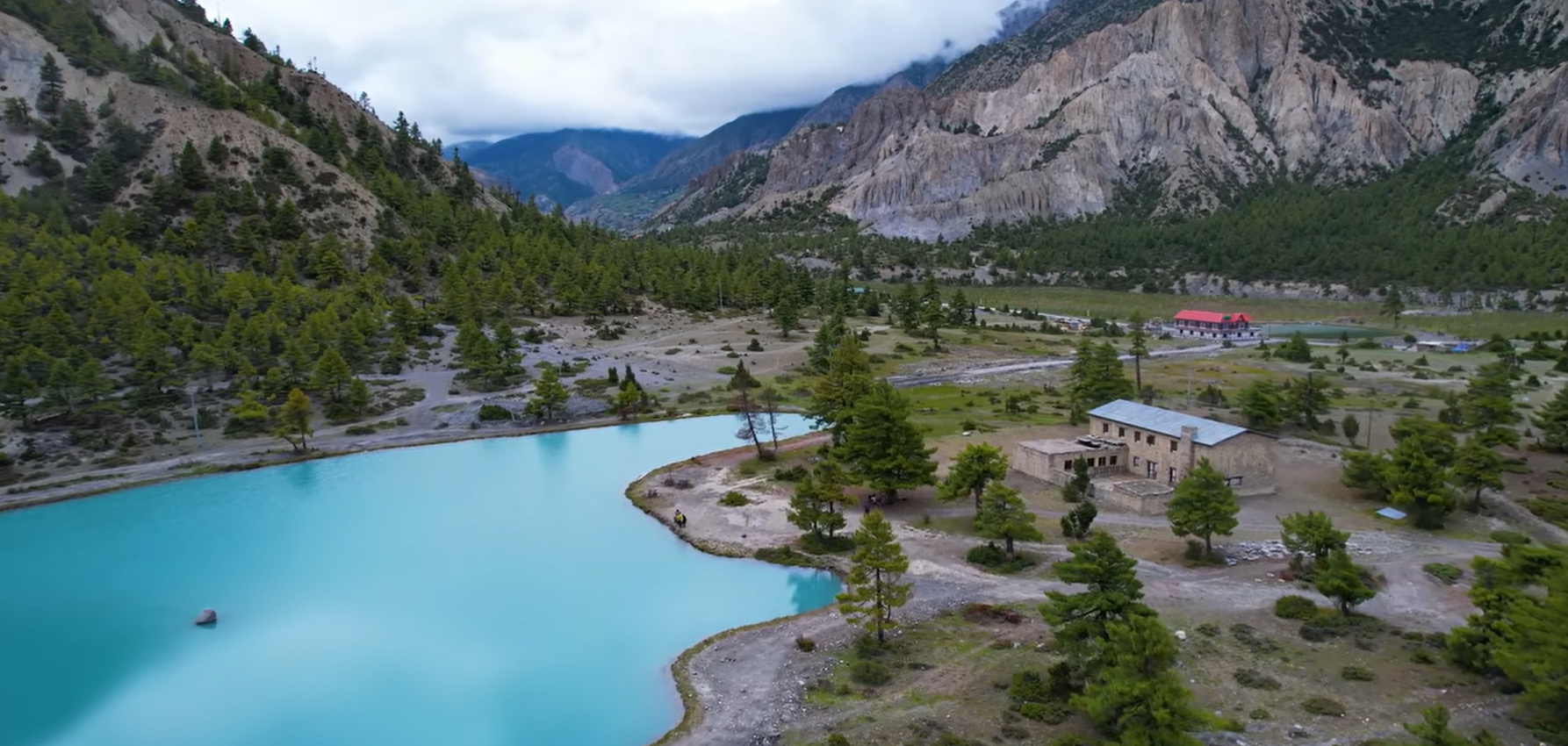
The Trekking Experience: What to Expect at Blue Lake Manang
The journey to Blue Lake Manang is just as memorable as the lake itself. As you traverse the lower trails of the Annapurna Circuit, every step offers a unique Himalayan experience:
1. Panoramic Himalayan Backdrops
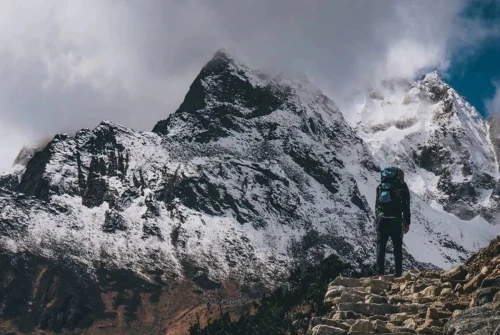
From the trail, trekkers are treated to sweeping views of iconic peaks, including Annapurna II, III, IV, and Gangapurna. The ever-changing light paints the cliffs and ridges in shades of gold and pink, making every photo stop unforgettable.
2. Diverse Flora and Fauna
The trek winds through lush alpine forests filled with pine, juniper, and rhododendron, which bloom spectacularly in spring. Along the way, you may also spot grazing yaks, adding a traditional Himalayan touch to the trail.
3. The Lake Itself
Upon reaching Valley Manang Blue Lake, you’ll find a tranquil basin where colorful prayer flags flutter in the mountain breeze. The lake’s turquoise waters perfectly mirror the surrounding cliffs and snow-capped peaks, creating a serene and reflective atmosphere that epitomizes the quiet beauty of the Annapurna Blue Lake route.
Whether you’re trekking for acclimatization, photography, or simply to experience Himalayan serenity, Blue Lake Manang rewards every hiker with natural beauty and cultural charm along the lower Manang trails.
Best Time to Visit Blue Lake Manang
If you want to see Blue Lake Manang at its most stunning, planning your visit according to the seasons is key. The lake transforms throughout the year, offering different experiences for trekkers on the Annapurna Circuit scenic stops.
Spring (March – May)
Spring is the ideal season for trekking to Blue Lake Manang. The alpine forests come alive with blooming rhododendrons and wildflowers, and the lake is fully thawed, reflecting its signature turquoise hue. Crisp weather makes it perfect for photography, hiking, and enjoying the vibrant landscape.
Autumn (September – November)
Autumn offers the clearest skies and peak visibility, making it one of the best months to visit Blue Lake Manang. The lake mirrors the deep blue Himalayan sky, while the surrounding cliffs and peaks appear sharper than ever. This season is perfect for those looking for scenic trekking and panoramic views along the Blue Lake Manang trekking season.
Winter (December – February)
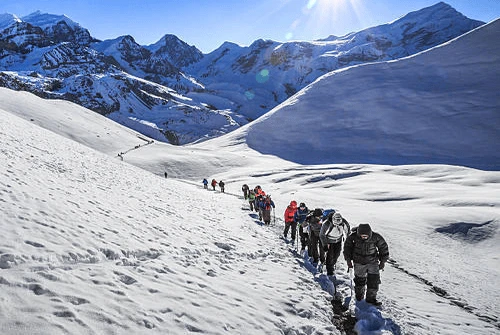
Winter brings a quiet, magical atmosphere. The lake may freeze partially, and snow blankets the surrounding trails. Temperatures can drop to -15°C, making it a more challenging but incredibly photogenic time to visit. Winter trekking to Blue Lake Manang is for the adventurous seeking solitude and winter landscapes.
By choosing the right season, trekkers can make the most of their visit and capture the breathtaking beauty of Blue Lake Manang, whether on a day hike from Manang Village or along the longer Annapurna Circuit scenic stops route.
Essential Travel Tips for Blue Lake Manang
Planning ahead can make your visit to Blue Lake Manang smooth, safe, and enjoyable. Here’s what you need to know before you head out on the Valley of Blue Lake Manang trails or along the Annapurna Circuit route:
1. Permits Are Required
To trek in the Annapurna region, you must have an ACAP (Annapurna Conservation Area Permit) and a TIMS (Trekkers’ Information Management System) card. These are essential for all trekkers visiting Blue Lake Manang and surrounding areas.
2. Gear Up Properly
Even for a short hike, bring essentials such as trekking poles, especially for the moraine slopes, and a windbreaker to protect against sudden Himalayan winds. Proper gear ensures safety and comfort on your Blue Lake Manang trekking adventure.
3. Stay Hydrated
There are no tea houses or shops directly at the lake. Carry at least 2 liters of water and some high-energy snacks. Staying hydrated is critical while trekking along the Valley Manang Blue Lake trails.
4. Respect the Sacred Site
Blue Lake Manang is considered sacred by local communities. Avoid swimming, throwing stones into the water, or disturbing the area. Trekkers are encouraged to maintain the serenity and cultural respect of this tranquil Himalayan gem.
By following these simple Blue Lake Manang trekking tips, you’ll enjoy a safe, respectful, and unforgettable experience amid the turquoise waters, alpine forests, and panoramic peaks of the Annapurna region.
Manang Blue Lake Itinerary
Day 1 Drive to kathmandu to Blue lake
Day 2 Drive and explore Manang Village
Day 3 Drive Back to Kathmandu
Blue Lake vs Other Lakes in Manang
Lake | Altitude | Highlights | Best For |
Blue Lake Manang | 4,150 m | Turquoise waters, peaceful, cultural villages nearby | Families, moderate trekkers, photographers |
Green Lake | 4,200 m | Emerald water, very quiet, alpine meadows | Solitude, nature lovers |
Tilicho Lake | 4,919 m | Dramatic high-altitude views | Experienced trekkers |
Ice Lake (Kicho Tal) | 4,400 m | Wide mountain vistas | Moderate trekkers, photographers |
Gangapurna Lake | 3,900 m | Easy access, popular | Casual trekkers |
Final Thoughts
Blue Lake Manang proves that you don’t always have to climb to 5,000 meters to experience the magic of the Himalayas. Nestled in the heart of the Manang Valley, this turquoise lake is a serene escape where you can pause, breathe, and soak in panoramic views without the rush.
Planning a trek to the Annapurna region? Don’t just pass by and take the detour to Blue Lake Manang. Its calm waters, alpine forests, and nearby cultural villages like Bhraka and Ngawal make it a highlight for both casual hikers and photography enthusiasts.
For anyone exploring Nepal’s trails, All Nepal Hiking offers guidance on this and other remarkable trekking routes, ensuring you make the most of your Himalayan adventure. Whether you’re combining Blue Lake with Green Lake, Ice Lake, or Tilicho Lake, or following the lower Manang trail on the Annapurna Circuit, this hidden gem is a must-visit.Your camera and your soul will thank you.
 based on 270 reviews