based on 270 reviews

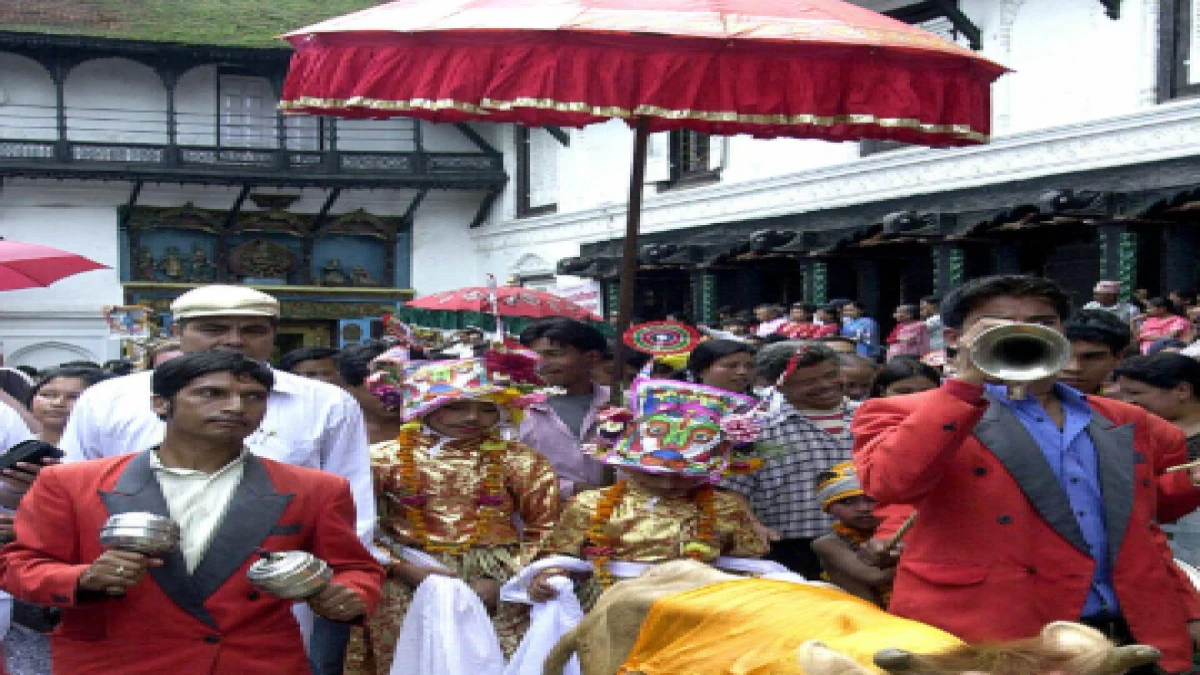
Gai Jatra, also known as the “Festival of Cows,” is one of Nepal’s most unique and emotionally rich celebrations. Observed mainly in the Kathmandu Valley by the Newar community, the festival blends mourning, spirituality, satire, music, and public celebration into a single vibrant event. Families who have lost a loved one during the past year participate in processions with cows or children dressed as cows, while the wider community celebrates with humor, dance, and performances that encourage healing through laughter.
Held annually in the Nepali month of Bhadra (August–September), Gai Jatra transforms the streets of Kathmandu, Bhaktapur, and Patan into colorful stages filled with traditional music, masked dances, and social commentary. More than just a religious observance, it is a living cultural tradition that reflects Nepal’s deep connection to family, community, and resilience.
The Meaning and Origin of Gai Jatra
The name Gai Jatra comes from two Nepali words: gai, meaning cow, and jatra, meaning procession or festival. According to Hindu belief, the cow is a sacred animal that helps guide departed souls to the afterlife.
The festival traces its origins to the 17th century during the reign of King Pratap Malla of Kathmandu. After the death of the king’s son, the queen was devastated and unable to find comfort. To help her understand that death touches every family, the king asked all households that had lost someone that year to join a public procession. Seeing the collective grief of the community reportedly helped the queen begin to heal. Over time, the custom evolved into the modern festival of Gai Jatra.
When Is Gai Jatra Celebrated?
Gai Jatra is celebrated on the first day of the waning moon in the month of Bhadra, usually falling in August or early September. The date varies each year according to the lunar calendar.
The main celebrations occur in the Kathmandu Valley, especially in:
- Kathmandu
- Bhaktapur
- Patan (Lalitpur)
Each city has its own style of celebration, with Bhaktapur being particularly famous for its elaborate street performances and traditional dances.
Why Cows Are Central to the Festival
In Hinduism, cows symbolize purity, motherhood, and divine grace. During Gai Jatra, families who experienced a death in the previous year lead a cow in a procession through the city streets. The cow is believed to help the soul of the deceased cross safely into the afterlife.
Not every family owns a cow, so children are often dressed in cow costumes and participate in the procession on behalf of the departed. These children become a touching symbol of remembrance and continuity between generations.
How Gai Jatra Is Celebrated
Morning Processions
The day begins with solemn yet colorful processions. Families gather with cows or cow-costumed children, carrying photos of the deceased, flower garlands, and offerings. Traditional musicians play drums and wind instruments as participants walk through the streets and visit temples.
The atmosphere is respectful and emotional, but not entirely somber. Gai Jatra encourages people to remember loved ones while also accepting the cycle of life and death.
Afternoon Festivities and Satire
As the day progresses, the mood becomes more festive. Streets fill with:
- Masked dancers
- Folk musicians
- Comic performers
- Satirical street dramas
- Traditional Newari dances
Humor is a defining feature of Gai Jatra. Performers use comedy and satire to comment on politics, social issues, and everyday life. This tradition of public satire has historically provided a rare opportunity for open social criticism in Nepal.
Evening Gatherings
Families and communities come together in the evening to share food, remember the departed, and enjoy cultural performances. The combination of remembrance and celebration reflects the festival’s core message: grief can coexist with joy, and community support helps people heal.
Cultural Significance of Gai Jatra
Gai Jatra is far more than a religious ritual. It plays several important roles in Nepali society:
Honoring the Deceased
The festival provides a public and communal way for families to remember loved ones who passed away during the year.Supporting Emotional Healing
By turning mourning into a shared community experience, Gai Jatra helps people process grief and find comfort in collective participation.Preserving Newar Heritage
The festival showcases traditional Newari music, dance, costumes, and cuisine, helping preserve the rich cultural identity of the Kathmandu Valley.Encouraging Social Reflection
Through satire and comedy, Gai Jatra creates space for honest discussion about society, politics, and human behavior.
Traditional Costumes and Performances
One of the most striking aspects of Gai Jatra is its visual spectacle. Participants wear vibrant traditional clothing, masks, and makeup. Common elements include:
- Cow costumes for children in processions
- Lakhey masks, representing mythical demons in energetic dances
- Traditional Newari attire with intricate jewelry and fabrics
- Comic disguises used in satirical performances
The performances range from sacred dances rooted in centuries-old traditions to improvised comedy acts that respond to current events.
Foods Associated with Gai Jatra
Like many Nepali festivals, Gai Jatra is also a time for special foods and communal meals. In Newar households, traditional dishes may include:
- Yomari – steamed rice flour dumplings with sweet filling
- Samay Baji – a ceremonial Newari platter with beaten rice, meat, beans, and pickles
- Sel Roti – ring-shaped fried rice bread
- Juju Dhau – the famous “king curd” of Bhaktapur
Food is shared among relatives, neighbors, and guests, reinforcing the festival’s spirit of community.
Gai Jatra Festival 2026 Date in Nepal
Gai Jatra Festival in Nepal 2026 will be celebrated on 29 August 2026. According to the Nepali calendar, Gai Jatra is observed on the fourth day of the dark fortnight in the month of Bhadra every year. It is mainly celebrated by the Newar community in the Kathmandu Valley and holds deep cultural and religious significance in Nepal. The festival date changes every year in the Gregorian calendar, usually falling in August or September.
Gai Jatra in Kathmandu, Bhaktapur, and Patan
Kathmandu
In the capital, processions move through historic neighborhoods such as Asan, Indra Chowk, and Durbar Square. The city hosts a mix of traditional rituals and modern cultural performances.
Bhaktapur
Bhaktapur is widely regarded as the most traditional place to experience Gai Jatra. The city’s narrow brick streets, ancient temples, and elaborate masked dances create a particularly immersive atmosphere.
Patan (Lalitpur)
Patan combines artistic heritage with lively celebrations. Processions and performances take place around Patan Durbar Square and the surrounding neighborhoods.
How Visitors Can Experience Gai Jatra
For travelers in Nepal during August or September, Gai Jatra offers a rare opportunity to witness a festival that is both deeply spiritual and joyfully expressive.
Arrive Early
Morning processions begin early, and the streets become crowded as the day progresses.Respect the Rituals
Remember that many participants are honoring recently deceased family members. Photography is generally welcomed, but it should be done respectfully.Explore Different Cities
Kathmandu, Bhaktapur, and Patan each offer distinct experiences. Bhaktapur is especially recommended for traditional performances.Try Local Foods
Festival foods are an important part of the experience and provide insight into Newar culinary traditions.Expect Both Emotion and Celebration
Gai Jatra is unique because it balances remembrance with humor and festivity. The emotional range of the festival is part of what makes it so powerful.
The Enduring Spirit of Gai Jatra
Gai Jatra remains one of Nepal’s most meaningful cultural traditions because it speaks to universal human experiences: loss, memory, community, and healing. By combining sacred ritual with laughter and public celebration, the festival offers a compassionate reminder that grief does not have to be faced alone.
In the bustling streets of the Kathmandu Valley, cows adorned with garlands, children in costume, masked dancers, and laughing crowds come together each year to honor the departed and celebrate life itself.

.webp)