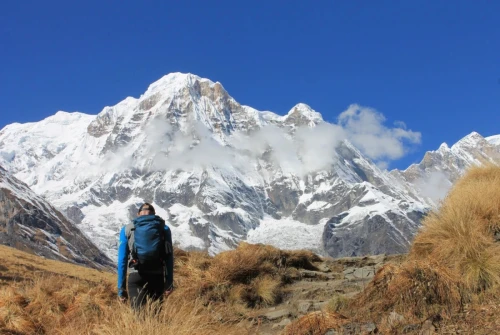
Where Is Kala Patthar?
Kala Patthar is located in the Khumbu region of Nepal, inside Sagarmatha National Park, directly above the village of Gorak Shep. It is one of the most famous viewpoints of Mount Everest and a major highlight of the Everest Base Camp Trek.
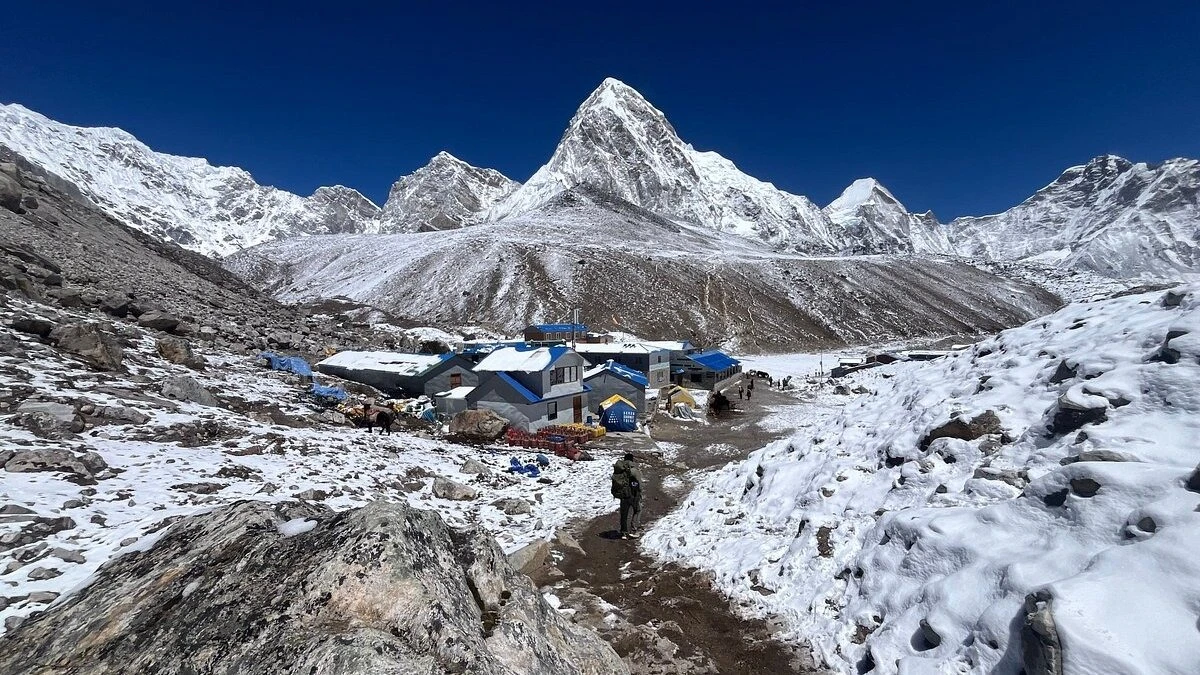
Gorak Shep is the final major settlement on the classic Everest Base Camp trekking route and is the usual starting point for the Kala Patthar hike. Although the trail is relatively short compared with the full Everest Base Camp Trek, the extreme altitude makes the climb physically demanding.
At approximately 5,545 meters (18,192 feet), Kala Patthar is a high-altitude viewpoint where reduced oxygen levels can make even a short hike feel challenging. Proper acclimatization for the Everest Base Camp Trek, a gradual itinerary, and awareness of altitude-related symptoms are essential.
What Is Kala Patthar and Why Is It Famous?
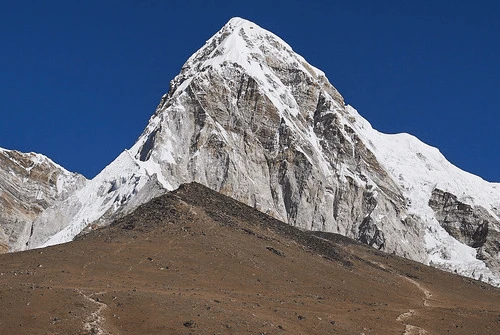
Kala Patthar, meaning “Black Rock,” is one of the most famous viewpoints in the Everest region of Nepal. Located above Gorak Shep on the southern ridge of Pumori, this rugged rocky outcrop has become a highlight of the Everest Trek and one of the best places to experience panoramic views of Mount Everest.
Although often described as a mountain, Kala Patthar is technically a rocky ridge or viewpoint rather than an independent major peak. At approximately 5,545 meters (18,192 feet) above sea level, it is one of the highest trekking viewpoints in the Everest region.Its fame comes from one spectacular feature: the extraordinary view of Mount Everest.
The Ultimate Mount Everest Viewpoint
One of the biggest surprises for first-time trekkers is that the summit of Mount Everest is not clearly visible from Everest Base Camp. The towering shoulder of Nuptse partially obstructs the direct view of Everest from the Base Camp area.Kala Patthar offers a dramatically different perspective.
From the rocky ridge above Gorak Shep, trekkers can look across the Khumbu landscape toward Mount Everest, Lhotse, Nuptse, Pumori, and the Khumbu Glacier. The elevated position creates an expansive Himalayan panorama that makes the short but demanding climb one of the most rewarding experiences on the entire Everest Base Camp route.
For travelers searching for the best viewpoint of Mount Everest, Kala Patthar is one of the most iconic destinations in Nepal.
Kala Patthar Sunrise
The Kala Patthar sunrise is arguably the most memorable part of the experience.
Trekkers usually begin the hike from Gorak Shep before dawn, often walking through freezing temperatures and darkness with headlamps. The effort is rewarded when the first sunlight reaches the Himalayan peaks.
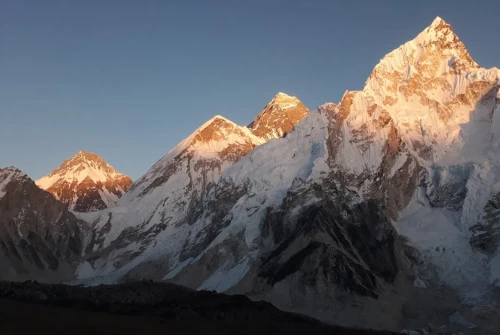
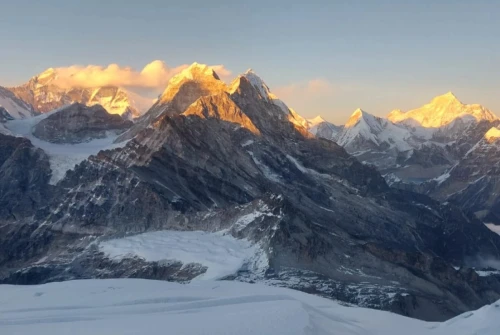
As the sun rises, Mount Everest and the surrounding mountains can gradually transform from dark silhouettes into shades of gold, orange, and pink. The changing light across Everest, Nuptse, Lhotse, and Pumori creates extraordinary opportunities for landscape photography.
For photographers, adventure travelers, and anyone completing the Everest Base Camp Trek, watching the sunrise from Kala Patthar can be a defining Himalayan memory.
Major Attractions and Highlights of Kala Patthar
The Kala Patthar hike is one of the most rewarding experiences on the Everest Base Camp Trek. Although the ascent from Gorak Shep is relatively short, the combination of dramatic Himalayan scenery, high altitude, sunrise views, and Sherpa culture makes Kala Patthar a must-visit destination for many trekkers.Here are the major highlights you can expect along the way.
Unforgettable Views of Mount Everest
The spectacular Mount Everest view from Kala Patthar is the main reason trekkers make the climb.Unlike the perspective from Everest Base Camp, where the summit of Everest is partially hidden by the surrounding peaks, Kala Patthar provides a much more open perspective toward the world's highest mountain.
From the ridge, you can admire Everest together with Nuptse, Lhotse, Pumori, and the surrounding Khumbu Himalayas. On a clear morning, the scale and proximity of the mountains create an unforgettable Himalayan panorama.
The scenery becomes especially dramatic around sunrise and sunset, when changing light can transform the snow-covered peaks into shades of gold, orange, and pink.
A Spectacular Himalayan Panorama
Kala Patthar is about much more than Everest.From this high-altitude viewpoint, trekkers can enjoy sweeping views across some of the most famous peaks of the Khumbu region, including:
The combination of towering mountains, deep valleys, glaciers, and high-altitude wilderness makes the viewpoint one of the most impressive scenic stops on the Everest Base Camp Trek.
Views of the Khumbu Glacier and Icefall
The elevated position around Kala Patthar also provides an impressive perspective toward the Khumbu Glacier and Khumbu Icefall.
The glacier's enormous ice formations, ridges, crevasses, and surrounding mountain walls demonstrate the powerful forces that continue to shape the Himalayan landscape.
For trekkers who have already walked through the Khumbu Valley, seeing the glacier system from above provides a completely different perspective on the terrain.
A Dream Destination for Photographers
For landscape photographers, Kala Patthar photography is one of the highlights of trekking in Nepal.
The viewpoint combines several powerful photographic elements: dramatic Himalayan peaks, rugged dark rocks, glaciers, snow-covered slopes, prayer flags, and changing alpine light.
The best opportunities often occur around sunrise, when the first rays illuminate the summits while the lower valleys remain in shadow.
Cold temperatures can drain camera and smartphone batteries quickly, so carrying spare batteries or a power bank is highly recommended.
Prayer Flags and Himalayan Spirituality
Colorful prayer flags are a familiar sight throughout the Everest region and can be found around Kala Patthar and other high-altitude viewpoints.
The flags are part of the region's Buddhist cultural landscape and add a distinctive visual and spiritual character to the trek. Their movement in the mountain wind, combined with views of the surrounding peaks, creates a memorable atmosphere at the viewpoint.
Trekkers should treat prayer flags, mani stones, chortens, monasteries, and other religious sites with respect.
Experience Sherpa Culture Along the Everest Trail
The journey to Kala Patthar is also an opportunity to experience the rich culture of the Sherpa people, whose communities and traditions are deeply connected with the Everest region.
Along the Everest Base Camp route, trekkers pass through traditional villages, Buddhist monasteries, prayer wheels, chortens, and mountain communities.
A stop at Tengboche Monastery, one of the most important Buddhist monasteries in the Khumbu region, can add a meaningful cultural dimension to the trek.
Beyond the scenery, the hospitality of local Sherpa communities is an important part of what makes trekking in the Everest region so memorable.
What Can You See From Kala Patthar?
The elevated location of Kala Patthar provides an exceptional Mount Everest view and sweeping panoramas across the Khumbu Himalayas. On a clear day, trekkers can see:
The viewpoint also provides a remarkable sense of scale. Looking down toward the Khumbu Glacier and Khumbu Icefall while surrounded by enormous Himalayan peaks offers a completely different perspective from the lower sections of the Everest Base Camp Trek.
For photographers and trekkers seeking the best view of Mount Everest, Kala Patthar is particularly famous for its spectacular Everest sunrise.
Kala Patthar and Everest Base Camp: What Is the Difference?
Everest Base Camp and Kala Patthar offer two distinct experiences, and completing both is ideal when time, weather, and physical condition allow.
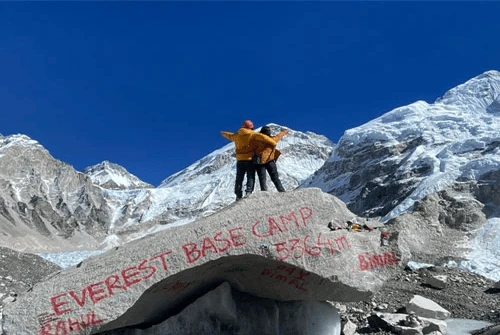
Everest Base Camp is famous for its mountaineering history, expedition tents, the Khumbu Icefall, and the achievement of reaching the legendary base camp used by climbers attempting to summit Mount Everest.
Kala Patthar, on the other hand, is primarily about the view of Mount Everest. From Everest Base Camp, trekkers experience the dramatic high-altitude environment surrounding the mountain. From Kala Patthar, they gain a higher and more open perspective toward Mount Everest and the surrounding Himalayan peaks.For this reason, Kala Patthar is widely regarded as one of the best Everest viewpoints on the Everest Base Camp Trek.
Kala Patthar vs Everest Base Camp
Many travelers planning the Everest Base Camp Trek wonder whether they should prioritize Everest Base Camp or Kala Patthar. The good news is that you do not necessarily have to choose between them—they offer two completely different experiences and complement each other.
Everest Base Camp is primarily a historic and cultural trekking destination, while Kala Patthar is famous for offering one of the best views of Mount Everest.
Experience | Everest Base Camp | Kala Patthar |
Main attraction | Historic mountaineering destination | Panoramic Mount Everest viewpoint |
Everest summit view | Partially obstructed | Much clearer |
Elevation | About 5,364 m | About 5,545 m |
Photography | Glacier, expedition tents, Khumbu Icefall | Mount Everest and surrounding peaks |
Trekking experience | Iconic Everest destination | Short but demanding high-altitude climb |
Sunrise | Not the main attraction | One of the major highlights |
Everest Base Camp
Visiting Everest Base Camp is the defining experience of the classic Everest Base Camp Trek. The destination is closely associated with the history of Mount Everest expeditions and provides trekkers with the opportunity to stand at the base camp used by climbers preparing to ascend the world's highest mountain.
The surrounding Khumbu Glacier and Khumbu Icefall, along with expedition tents during climbing season, make Everest Base Camp an unforgettable destination for trekkers and mountain enthusiasts.
Kala Patthar
Kala Patthar is best known as an exceptional Mount Everest viewpoint. Its higher elevation and location provide a clearer perspective toward Everest's summit, as well as spectacular views of Pumori, Nuptse, Lhotse, and the surrounding Khumbu Himalayas.
The Kala Patthar sunrise is particularly famous. Early-morning trekkers can watch the first sunlight illuminate Mount Everest and the surrounding Himalayan peaks, creating one of the most memorable photography opportunities on the Everest Base Camp Trek.
Should You Visit Both?
If you have enough time and are physically prepared for the additional high-altitude climb, doing both Everest Base Camp and Kala Patthar is the ideal option.
Everest Base Camp gives you the historic destination and the experience of standing at the foot of the world's highest mountain. Kala Patthar provides the iconic panoramic view of Mount Everest.
Together, they offer a more complete Everest Base Camp Trek experience in Nepal—combining mountaineering history, dramatic Himalayan scenery, high-altitude adventure, and spectacular Everest photography.
Is Kala Patthar a Mountain?
Technically, Kala Patthar is not a major independent mountain. It is a rocky ridge or outcrop associated with the southern ridge of Pumori.
Nevertheless, its importance to trekkers has made the name Kala Patthar synonymous with one of the most spectacular Everest viewpoints in Nepal.
Under normal trekking conditions, the climb to Kala Patthar does not usually require ropes, crampons, or technical mountaineering skills. However, its elevation of approximately 5,545 meters means that altitude is the primary challenge.
Proper acclimatization, a gradual Everest Base Camp Trek itinerary, suitable clothing, hydration, and careful attention to symptoms of altitude sickness are important for a safer high-altitude trekking experience.
Why Should You Add Kala Patthar to Your Everest Base Camp Trek?
If you are planning an Everest Base Camp Trek in Nepal, Kala Patthar is one of the most worthwhile additions to your itinerary. It combines extraordinary mountain scenery, a challenging high-altitude hike, spectacular sunrise over Mount Everest, and panoramic views of the Khumbu Himalayas.
For many trekkers, reaching Everest Base Camp is the ultimate goal. But standing on Kala Patthar at sunrise and watching the world's highest mountain illuminated by the first light of day can become one of the most memorable moments of the entire trek.
If your itinerary and physical condition allow, combining Everest Base Camp and Kala Patthar provides a more complete Everest trekking experience. You get both the historic base camp destination and one of the best places to see Mount Everest in the Khumbu region.
Kala Patthar Height and Elevation
The Kala Patthar height is approximately 5,545 meters (18,192 feet) above sea level, making it one of the highest and most spectacular trekking viewpoints in Nepal's Everest region.
Located above Gorak Shep near Everest Base Camp, Kala Patthar is one of the most popular destinations on the Everest Base Camp Trek because of its exceptional panoramic views of Mount Everest and the surrounding Himalayan peaks.
How High Is Kala Patthar?
Here are the key facts about Kala Patthar elevation:
Kala Patthar elevation: Approximately 5,545 meters (18,192 feet)
Location: Above Gorak Shep, Khumbu, Nepal
Region: Everest Region, Sagarmatha National Park
Nearby destination: Everest Base Camp
Trek: Everest Base Camp Trek
You may find slightly different figures for Kala Patthar altitude depending on the map, survey, GPS device, or the exact rocky point being measured. Kala Patthar is a rugged ridge with several rocky high points rather than a single sharply defined mountain summit.For trekking purposes, 5,545 meters (18,192 feet) is the commonly cited elevation.
At more than 5,500 meters above sea level, Kala Patthar is considerably higher than most trekking destinations around the world. At this altitude, the air contains significantly less oxygen than at sea level, making the Kala Patthar hike physically demanding even for fit and experienced trekkers.
Altitude and Acclimatization for Kala Patthar
The high elevation is the primary challenge of the Kala Patthar trek. At this altitude, trekkers may experience symptoms of acute mountain sickness (AMS), including:
Headache
Dizziness
Nausea
Fatigue
Shortness of breath
For this reason, Kala Patthar should be approached as a high-altitude trek, not simply as a short viewpoint hike.
A gradual Everest Base Camp Trek itinerary with sufficient acclimatization days gives your body more time to adjust to increasing altitude. Trekkers should maintain a slow and steady pace, stay hydrated, avoid unnecessary exertion, and follow the advice of their trekking guide.
If symptoms of altitude sickness become severe or continue to worsen, descending to a lower elevation is the safest response.
Why Is Kala Patthar So High?
Kala Patthar sits high in the Khumbu Himalayas, above Gorak Shep and close to Everest Base Camp. Its elevation is one of the reasons the viewpoint provides such spectacular Mount Everest views.
The climb to the summit viewpoint is relatively short compared with the entire Everest Base Camp Trek, but the extreme altitude makes it considerably more challenging. The reward is a sweeping Himalayan panorama featuring Mount Everest, Pumori, Nuptse, Lhotse, the Khumbu Glacier, and surrounding peaks.
For trekkers who acclimatize properly, reaching the 5,545-meter Kala Patthar viewpoint is a remarkable achievement. The panoramic views of Mount Everest, particularly around sunrise, make the effort one of the most memorable experiences of the Everest Base Camp Trek in Nepal.
Can You See Mount Everest from Everest Base Camp?
Yes, you can see Mount Everest from Everest Base Camp, but the Everest summit is not clearly visible from the classic Everest Base Camp viewpoint. The surrounding mountain formations, particularly Nuptse, obstruct much of the direct view toward Everest's summit.
This is why Kala Patthar is an important addition to the Everest Base Camp Trek. Located at a higher elevation and positioned strategically across the valley, Kala Patthar offers a much better line of sight toward Mount Everest's summit.
Can You See Everest Clearly from Base Camp?
While Everest Base Camp provides an incredible close-up experience of the high-altitude environment, it is not considered the best location for a clear, panoramic Mount Everest view.
From Base Camp, trekkers can experience the dramatic Khumbu Glacier, Khumbu Icefall, surrounding peaks, and the famous expedition area. However, Nuptse and nearby ridges partially block the classic view of Everest's summit.
If your main goal is to get a clearer view of Mount Everest, climbing Kala Patthar is highly recommended.
Why Is Kala Patthar Better for Seeing Everest?
At approximately 5,545 meters (18,192 feet), Kala Patthar provides a higher and more open perspective toward Everest. It is widely regarded as one of the best viewpoints of Mount Everest on the Everest Base Camp Trek.
From Kala Patthar, trekkers can enjoy spectacular views of:
The viewpoint is particularly famous for Everest sunrise, when the first light of day illuminates Mount Everest and the surrounding Himalayan peaks.
Everest Base Camp or Kala Patthar for the Best Everest View?
If you have enough time and are physically prepared for the high-altitude climb, visiting both Everest Base Camp and Kala Patthar is the best option.
Everest Base Camp offers the historic trekking destination and an unforgettable experience beside the Khumbu Icefall. Kala Patthar offers the more impressive panoramic Everest summit view and is one of the best locations for Everest photography and sunrise.
For travelers whose priority is seeing Mount Everest clearly, photographing Everest, and enjoying a panoramic Himalayan view, Kala Patthar should be high on the itinerary.
Kala Patthar Trek: What to Expect
The Kala Patthar Trek usually begins in Gorak Shep, the last major settlement on the classic Everest Base Camp Trek route. From Gorak Shep, the Kala Patthar hike climbs steadily toward one of the most famous viewpoints in the Everest region.
The trail follows rocky and sometimes uneven terrain. Although the distance from Gorak Shep to Kala Patthar is relatively short, the extreme elevation makes the hike considerably more challenging than a similar-distance walk at lower altitudes.
At approximately 5,545 meters (18,192 feet), Kala Patthar is a true high-altitude trekking destination. The thin air can make the ascent physically demanding, so trekkers should maintain a slow pace and follow proper acclimatization practices.
Gorak Shep to Kala Patthar
The most common route follows:Gorak Shep → Kala Patthar → Gorak Shep
Most trekkers complete the Kala Patthar hike as a day trip from Gorak Shep. Many start very early in the morning, often before sunrise, to reach the viewpoint in time for the spectacular Kala Patthar sunrise.
As the sun rises, the first light gradually reaches Mount Everest, Pumori, Nuptse, Lhotse, and other peaks of the Khumbu Himalayas, creating one of the most memorable experiences of the Everest Base Camp Trek.
Kala Patthar Trek After Everest Base Camp
Depending on the Everest Base Camp Trek itinerary, trekkers may visit Everest Base Camp first and then climb Kala Patthar the following morning.
This itinerary allows travelers to experience both of the region's iconic destinations:
For many trekkers, combining Everest Base Camp and Kala Patthar provides the most complete experience of the Everest region.
What Makes the Kala Patthar Hike Challenging?
The biggest challenge is not the distance but the altitude. At more than 5,500 meters above sea level, oxygen levels are significantly lower than at sea level.
Even experienced hikers may find the Kala Patthar Trek demanding because of the combination of steep sections, rocky terrain, cold temperatures, and high altitude.
Proper acclimatization, a gradual trekking itinerary, adequate rest, suitable clothing, and a slow walking pace can make the experience more manageable.
If your goal is to experience Everest sunrise, capture spectacular Mount Everest photography, and enjoy a panoramic view of the Himalayan landscape, the early-morning Kala Patthar hike is well worth the effort.
How Difficult Is the Kala Patthar Hike?
The Kala Patthar hike is generally considered moderate to challenging, with altitude being the main factor that makes the trek difficult rather than technical climbing.
The trail from Gorak Shep to Kala Patthar does not normally require ropes, climbing equipment, or technical mountaineering skills. However, the viewpoint sits at approximately 5,545 meters (18,192 feet) above sea level, where the significantly reduced oxygen levels can make even a relatively short hike physically demanding.
For this reason, the Kala Patthar Trek should be treated as a serious high-altitude hike in Nepal, particularly for trekkers who have limited experience at elevations above 5,000 meters.
What Affects Kala Patthar Trek Difficulty?
The difficulty of the Kala Patthar hike can vary considerably from one person to another. Several factors influence how challenging the climb feels:
Acclimatization: Proper acclimatization is one of the most important factors when trekking at high altitude.
Fitness level: Good cardiovascular fitness and regular hiking experience can make the ascent more manageable.
Weather conditions: Cold temperatures, wind, snow, or poor visibility can make the trail more difficult.
Walking pace: A slow and steady pace is generally more suitable at high altitude.
Previous high-altitude experience: Trekkers who have spent time at altitude may be more familiar with the physical demands.
Individual response to altitude: Everyone reacts differently to reduced oxygen levels, regardless of fitness or trekking experience.
Is Kala Patthar Harder Than Everest Base Camp?
For many trekkers, the Kala Patthar hike can feel harder than the final walk to Everest Base Camp because of the additional elevation gain and the altitude of the viewpoint itself.
However, the difficulty varies depending on the Everest Base Camp Trek itinerary, acclimatization schedule, weather, and individual fitness. The climb is relatively short compared with the overall trek, but the high altitude can make the ascent feel considerably more strenuous.
Tips for a Successful Kala Patthar Hike
The best approach is to take the climb slowly and avoid rushing toward the summit viewpoint. Allow your body time to adjust to the altitude and listen carefully to how you feel throughout the hike.
Important tips include:
Walk slowly and steadily.
Stay adequately hydrated.
Take regular rest breaks.
Follow your trekking guide's advice.
Dress appropriately for cold and changing mountain weather.
Make sure your Everest Base Camp Trek itinerary includes adequate acclimatization.
Be aware of symptoms of altitude sickness (AMS) and do not ignore worsening symptoms.
Ultimately, the Kala Patthar hike difficulty comes primarily from its extreme elevation rather than technical terrain. With proper preparation, acclimatization, and a sensible pace, many physically prepared trekkers can successfully reach the famous Kala Patthar viewpoint and enjoy spectacular views of Mount Everest.
Best Time to Visit Kala Patthar
The best time to visit Kala Patthar is generally during spring (March to May) and autumn (September to November). These seasons offer some of the most favorable conditions for the Kala Patthar Trek and Everest Base Camp Trek, with relatively stable weather, clearer skies, and excellent mountain visibility.However, each season offers a different trekking experience.
Kala Patthar in Spring: March to May
Spring is one of the best seasons for the Kala Patthar Trek and Everest Base Camp Trek. The weather is generally stable, temperatures become more comfortable, and visibility across the Khumbu Himalayas is often excellent.
The lower sections of the Everest trekking route can also feature blooming rhododendrons, Nepal's national flower, adding color to the landscape.
Spring is particularly suitable for trekkers who want a combination of favorable trekking conditions, mountain views, and vibrant scenery.
Kala Patthar in Autumn: September to November
Autumn is widely considered the best trekking season in Nepal, and it is one of the most popular times to visit Kala Patthar.
Following the monsoon season, the skies often become clearer, creating excellent conditions for Mount Everest views, Himalayan photography, and trekking in the Everest region.
September can still experience some residual monsoon conditions, while October and November are typically among the most sought-after months for the Everest Base Camp Trek.
Kala Patthar in Winter: December to February
Winter brings cold temperatures, snow, and potentially clear skies to the Everest region. On good-weather days, the crisp atmosphere can provide spectacular mountain views.
However, heavy snowfall, freezing temperatures, icy trails, and shorter daylight hours can make the Kala Patthar hike more challenging.
Winter trekking is possible for experienced and well-prepared trekkers, but proper cold-weather equipment and a flexible itinerary are especially important.
Kala Patthar in Monsoon: June to August
The monsoon season brings frequent rainfall, clouds, and less reliable mountain visibility to much of Nepal.
Although trekking in the Everest region is still possible, June through August is generally less favorable if your main goal is clear Mount Everest views and panoramic Himalayan photography.
Cloud cover and wet conditions can reduce visibility, while lower trail sections may become muddy and slippery.
Best Time of Day for Kala Patthar
For many trekkers, early morning is the best time to climb Kala Patthar.A pre-dawn start allows you to reach the viewpoint around sunrise, when Mount Everest and the surrounding Himalayan peaks can be illuminated by golden and pink light. This makes the Kala Patthar sunrise one of the most memorable experiences of the Everest Base Camp Trek.
Morning conditions can also provide better visibility before clouds develop later in the day, although mountain weather can change quickly and visibility is never guaranteed.
Because Kala Patthar sits at approximately 5,545 meters (18,192 feet), sunrise temperatures can be extremely cold. Warm, layered clothing, gloves, a hat, and appropriate trekking equipment are essential.
What Is the Best Month to Visit Kala Patthar?
If you want to maximize your chances of clear Everest views, favorable trekking weather, and excellent photography conditions, October, November, April, and May are among the most attractive months.
For the classic combination of Everest Base Camp and Kala Patthar, autumn and spring generally offer the best balance of weather, visibility, and trekking conditions.
What to Pack for Kala Patthar
Because Kala Patthar is located above 5,500 meters (18,192 feet), proper preparation is essential. The combination of extreme altitude, cold temperatures, strong UV exposure, and changing mountain weather means having the right Kala Patthar packing list can make your hike safer and more comfortable.
Whether you are hiking Kala Patthar as part of the Everest Base Camp Trek or making an early-morning ascent for the famous Kala Patthar sunrise, pack carefully and avoid unnecessary weight.
Kala Patthar Packing List
Essential items for the Kala Patthar hike include:
Warm down jacket
Thermal base layers –
Waterproof trekking jacket
Warm hat and gloves
Trekking trousers
Comfortable trekking boots
Headlamp with spare batteries
UV-protection sunglasses
Sunscreen and lip balm
Water bottle or hydration system
Trekking poles
Snacks and energy bars
Camera and spare batteries
Personal first-aid supplies
What to Wear for a Kala Patthar Sunrise Hike
If you plan to climb Kala Patthar early in the morning, prioritize warmth. Temperatures at approximately 5,545 meters can be extremely cold before sunrise.
A practical layering system includes a thermal base layer, insulating mid-layer, and warm down jacket, combined with a waterproof outer layer when necessary. Warm gloves, a hat, and suitable trekking trousers are also essential.
Your headlamp is equally important because the ascent usually begins before daylight. Always carry spare batteries and make sure your headlamp is fully charged or functioning properly before leaving Gorak Shep.
Kala Patthar Trek Packing Tips
The goal is to be prepared without carrying unnecessary weight. Since Kala Patthar is normally climbed as a short high-altitude hike from Gorak Shep, you do not need to carry your entire Everest Base Camp Trek packing list with you for the viewpoint ascent.
Keep the essentials easily accessible, particularly your warm layers, water, snacks, headlamp, sunglasses, sunscreen, and camera.
Most importantly, remember that altitude is the biggest challenge on the Kala Patthar Trek. Good acclimatization, appropriate clothing, hydration, and a slow walking pace are just as important as the equipment you carry.
Kala Patthar Trek Itinerary
Day | Route / Activity | Description |
Day 1 | Arrive in Kathmandu | Arrive in Nepal's capital and explore its historic temples, monasteries, markets, and vibrant cultural streets. |
Day 2 | Fly to Lukla | Take a scenic flight to Lukla, the traditional gateway to the Everest Base Camp Trek. |
Day 3 | Phakding to Namche Bazaar | Follow the Dudh Koshi River through pine and rhododendron forests before reaching Namche Bazaar, the main trading and trekking hub of the Khumbu region. |
Day 4 | Acclimatization in Namche Bazaar | Spend a day acclimatizing in Namche. Enjoy short hikes and explore the historic Sherpa town while taking in spectacular Himalayan views. |
Day 5 | Namche Bazaar to Tengboche | Trek toward Tengboche and visit the famous Tengboche Monastery, while enjoying views of Everest, Ama Dablam, and the surrounding peaks. |
Day 6 | Tengboche to Dingboche | Continue through the Imja Valley toward Dingboche, a popular acclimatization stop surrounded by dramatic Himalayan peaks. |
Day 7 | Dingboche to Lobuche | Ascend toward the high-altitude settlement of Lobuche, passing through increasingly rocky and rugged Himalayan terrain. |
Day 8 | Lobuche to Gorak Shep and Everest Base Camp | Trek to Gorak Shep and continue toward Everest Base Camp. Experience the Khumbu Glacier, Khumbu Icefall, and the iconic expedition environment before returning to Gorak Shep. |
Day 9 | Gorak Shep to Kala Patthar | Start before sunrise for the challenging Kala Patthar hike. Reach the viewpoint in time for spectacular sunrise views of Mount Everest and the surrounding Khumbu Himalayas. |
Things to Do in Kala Patthar
Witness Sunrise Over Mount Everest
One of the main reasons trekkers climb Kala Patthar is to experience the spectacular Everest sunrise. An early-morning ascent can reward you with golden and pink light illuminating Mount Everest, Pumori, Nuptse, Lhotse, and other Himalayan peaks.
For photographers, the Kala Patthar sunrise is one of the most memorable photography opportunities on the Everest Base Camp Trek.
Enjoy the Himalayan Panorama
Take time at the viewpoint to appreciate the vast Khumbu Himalayas. Kala Patthar offers a remarkable perspective of Mount Everest and the surrounding peaks, making it one of the best viewpoints of Mount Everest in Nepal.
Observe the Khumbu Glacier and Icefall
From the elevated viewpoint, you can appreciate the scale of the Khumbu Glacier and Khumbu Icefall. The enormous glacial landscape, surrounded by towering Himalayan peaks, demonstrates the dramatic geological forces that have shaped the Everest region.
Experience the High-Altitude Landscape
The landscape around Kala Patthar is stark, rugged, and almost otherworldly. The rocky slopes, glaciers, snow-covered peaks, and deep valleys provide a fascinating opportunity to appreciate the geology and extreme environment of the Everest region.
Celebrate Your Achievement
Reaching approximately 5,545 meters (18,192 feet) is a significant achievement. After completing the demanding climb, take a moment to appreciate the accomplishment, photograph the surrounding mountains, and celebrate the experience with fellow trekkers.
Kala Patthar for Photography
For photographers, Kala Patthar is one of the best photography locations on the Everest Base Camp Trek. Its elevated position provides an impressive perspective of Mount Everest, Nuptse, Lhotse, Pumori, glaciers, and the surrounding Khumbu Himalayas.
The combination of dramatic mountain peaks, rugged landscapes, changing light, and high-altitude scenery makes Kala Patthar photography especially rewarding.
Best Time for Kala Patthar Photography
For the most dramatic images, plan to arrive at Kala Patthar before sunrise. The famous Kala Patthar sunrise can transform the Himalayan peaks with warm golden and pink tones, creating excellent conditions for Mount Everest sunrise photography.
Morning light can also create strong contrasts between illuminated peaks and shadowed valleys. However, mountain weather changes quickly, so patience and flexibility are important.
Kala Patthar Photography Tips
For the best photographs from Kala Patthar, consider these practical tips:
Arrive before sunrise: Start the hike from Gorak Shep early enough to reach the viewpoint before the first light.
Use a wide-angle lens: A wide-angle lens is useful for capturing panoramic Himalayan landscapes and multiple peaks in a single frame.
Carry spare batteries: Cold temperatures can significantly reduce camera battery life. Keep spare batteries warm and protected.
Use a tripod when conditions allow: A tripod can be useful for low-light sunrise photography and longer exposures, although strong wind may make handheld shooting preferable.
Protect your camera from snow and moisture: Carry a waterproof camera cover or suitable protection for changing mountain conditions.
Bring extra memory cards: You may take hundreds of photographs during the sunrise and throughout the trek.
Shoot in RAW when possible: RAW files provide greater flexibility when editing exposure, shadows, highlights, and colors.
Be patient: Clouds, sunlight, and shadows can change the appearance of Everest and the surrounding mountains within minutes.
What Can You Photograph from Kala Patthar?
The Kala Patthar viewpoint offers opportunities to photograph some of the most recognizable landscapes in the Everest region, including:
The high viewpoint allows photographers to create both wide panoramic compositions and tighter images of individual mountain peaks.
Can You Take Good Photos with a Smartphone?
Absolutely. You do not need professional camera equipment to capture memorable Kala Patthar photos.
Modern smartphones can produce excellent results in good light, particularly when photographing panoramic landscapes and the Everest sunrise. Clean your lens before shooting, use panorama mode for wider scenes, and keep your phone warm because cold temperatures can also reduce smartphone battery performance.
Most importantly, take time to enjoy the landscape rather than focusing entirely on photography. The combination of Mount Everest views, sunrise, glaciers, and the Khumbu Himalayas makes Kala Patthar one of the most memorable photography stops on the entire Everest Base Camp Trek.
Kala Patthar and the Everest Webcam
The Everest region has become increasingly popular for high-altitude webcams and live cameras that provide people around the world with real-time or near-real-time views of Mount Everest and the surrounding Himalayan landscape.
An Everest webcam allows viewers who cannot travel to Nepal to experience a glimpse of the mountain environment remotely. Depending on the camera location and weather conditions, viewers may be able to see Mount Everest, surrounding peaks, glaciers, and changing Himalayan weather from thousands of kilometers away.
Can You See Kala Patthar on an Everest Webcam?
Not every Everest live webcam is located at Kala Patthar, and camera views vary depending on their exact location and orientation. Some cameras in the Everest region provide views toward Mount Everest, while others focus on different parts of the Khumbu landscape.
For travelers researching the Everest Base Camp Trek, these live cameras can be useful for getting a general sense of current mountain conditions and visibility. However, webcam images should not be treated as a complete substitute for local weather forecasts or on-the-ground trekking information.
Everest Webcam vs. Seeing Everest in Person
An Everest live camera can provide a fascinating glimpse of the world's highest mountain, but it cannot recreate the experience of standing at Kala Patthar, above Gorak Shep, at sunrise.
From the Kala Patthar viewpoint, trekkers can experience the enormous scale of Mount Everest and the Khumbu Himalayas firsthand. Watching the first sunlight illuminate Everest, Pumori, Nuptse, Lhotse, and the surrounding peaks is an experience that a screen cannot fully capture.
For people unable to travel to Nepal, an Everest webcam is a wonderful way to connect with the Himalayas. For those completing the Everest Base Camp Trek, however, standing at Kala Patthar and seeing Everest with your own eyes remains an entirely different experience.
Is Kala Patthar Worth Visiting?
Yes, Kala Patthar is absolutely worth visiting, especially if you are completing the Everest Base Camp Trek in Nepal and want one of the best views of Mount Everest.
Located at approximately 5,545 meters (18,192 feet) above sea level, the Kala Patthar hike takes you to one of the most famous Mount Everest viewpoints in the Everest region.
From Kala Patthar, you can enjoy spectacular panoramic views of Mount Everest, Pumori, Nuptse, Lhotse, the Khumbu Glacier, and the surrounding Khumbu Himalayas.
While Everest Base Camp provides the historic and emotional experience of reaching the legendary destination used by climbers preparing for Mount Everest expeditions, Kala Patthar gives you the view, making it a major highlight of the Everest Base Camp Trek itinerary.
The Kala Patthar sunrise is particularly spectacular, as the first golden rays of sunlight illuminate Mount Everest and the surrounding Himalayan peaks, creating an unforgettable experience for trekkers and photographers.
Although the Kala Patthar Trek is relatively short compared with the full Everest Base Camp Trek, its extreme altitude makes the climb physically challenging. Proper acclimatization and a gradual trekking itinerary are therefore essential.
If your goal is to experience Mount Everest sunrise, Everest photography, panoramic Himalayan views, and the best Everest viewpoint, adding Kala Patthar to your Everest Base Camp adventure is highly recommended.
For many travelers, combining Everest Base Camp and Kala Patthar provides the complete Everest trekking experience, bringing together mountaineering history, high-altitude adventure, and some of the most spectacular mountain scenery in Nepal.
Temperature and Weather Across Seasons At Top Of Kalapatthar
The Kala Patthar temperature can vary significantly depending on the season and time of day. Because Kala Patthar sits at approximately 5,545 meters (18,192 feet), temperatures can drop rapidly after sunset and become especially cold before sunrise.
Season | Daytime Temperature | Nighttime Temperature |
Spring (March–May) | -10°C to 5°C (14°F to 41°F) | -15°C to -5°C (5°F to 23°F) |
Monsoon (June–August) | 0°C to 10°C (32°F to 50°F) | -5°C to 0°C (23°F to 32°F) |
Autumn (September–November) | -5°C to 5°C (23°F to 41°F) | -15°C to -5°C (5°F to 23°F) |
Winter (December–February) | -15°C to -5°C (5°F to 23°F) | -20°C to -10°C (-4°F to 14°F) |
The Kala Patthar weather can change quickly, particularly at high altitude. Early mornings are often the coldest, which is important to consider if you are planning the popular Kala Patthar sunrise hike.
Spring and autumn generally provide some of the most favorable conditions for the Everest Base Camp Trek, with relatively stable weather and good mountain visibility. Winter can bring extreme cold and snow, while monsoon conditions may result in clouds and reduced visibility.
Regardless of the season, trekkers should prepare for cold temperatures, strong winds, and rapidly changing mountain weather. Warm layered clothing, a quality down jacket, gloves, a warm hat, and appropriate trekking equipment are essential for the Kala Patthar Trek.
If your main goal is clear Mount Everest views and Everest sunrise photography, choosing the right season and checking weather conditions before the climb can significantly improve your experience.
Amenities and Logistics Near Kala Patthar
There are no hotels, restaurants, or major facilities at Kala Patthar itself. Most trekkers stay in Gorak Shep, the closest settlement and the main base for both the Kala Patthar hike and Everest Base Camp. Gorak Shep has several basic teahouses and lodges providing accommodation, meals, shared bathrooms, and limited charging and internet facilities.
Accommodation in Gorak Shep is basic because of the extreme altitude and remote location. Trekkers can expect simple rooms, shared facilities, a communal dining area, and limited heating. Food and drinking water are available, but prices are generally higher than in lower villages because supplies must be transported long distances.
For example, accommodation options in Gorak Shep include Gorakshep Himalaya Lodge, Gorakshep Yeti Resort, Buddha Lodge and Restaurant, 5180m, and Everest Inn Pvt.Ltd.
Wi-Fi, electricity, and phone charging can be limited or unreliable at this altitude, so carrying a power bank and keeping essential devices fully charged is recommended. An ATM should not be relied upon in Gorak Shep, so trekkers should carry sufficient Nepalese cash before reaching the high-altitude sections of the Everest Base Camp Trek.
For the Kala Patthar sunrise hike, prepare everything the night before. Keep your headlamp, warm layers, gloves, water, snacks, and camera easily accessible because the climb usually begins before daylight.
Because Kala Patthar is a remote high-altitude trekking destination, travelers should expect basic logistics rather than luxury. Good preparation, proper acclimatization, and planning your accommodation and supplies in Gorak Shep will make your Kala Patthar Trek and Everest Base Camp adventure much more comfortable.
Final Thoughts About Black Rock- Kalapatthar
The Kala Patthar hike is much more than a short climb above Gorak Shep. It is one of the signature experiences of the Everest region and one of the best ways to appreciate the incredible scale of the Himalayas.
While Everest Base Camp remains a dream destination for thousands of trekkers, Kala Patthar offers something different—a spectacular elevated perspective of Mount Everest and the surrounding Himalayan peaks.
If you are planning an Everest Base Camp Trek in Nepal, allow enough time for proper acclimatization and consider adding Kala Patthar to your itinerary. The early-morning climb can be challenging, but standing at 5,545 meters as the sun rises over Mount Everest can make every step worthwhile.
For a detailed Everest Base Camp Trek itinerary, customized trekking plan, or Everest Base Camp Trek package, contact All Nepal Hiking. Our team can help you plan a safe, well-organized, and memorable Everest Base Camp adventure in Nepal.
Frequently Asked Questions About Kala Patthar and Everest Base Camp
Is Kala Patthar worth visiting?
Yes, Kala Patthar is absolutely worth visiting. It is one of the best viewpoints for Mount Everest and a major highlight of the Everest Base Camp Trek.
Can you see Mount Everest from Everest Base Camp?
Yes, but the Everest summit view from Everest Base Camp is partially obstructed by Nuptse and surrounding peaks. Kala Patthar offers a much clearer and more panoramic view of Mount Everest.
How high is Kala Patthar?
The Kala Patthar elevation is approximately 5,545 meters (18,192 feet) above sea level, making it one of the highest trekking viewpoints in Nepal.
Is Kala Patthar harder than Everest Base Camp?
For many trekkers, the Kala Patthar hike feels harder than Everest Base Camp because of its higher elevation and steep final ascent. The main challenge is altitude rather than technical climbing.
How difficult is the Kala Patthar Trek?
The Kala Patthar Trek is considered moderate to challenging. Proper acclimatization, fitness, a slow walking pace, and preparation for high-altitude conditions are important.
What is the best time to visit Kala Patthar?
The best time for the Kala Patthar Trek is generally spring (March–May) and autumn (September–November). These seasons usually offer better weather, clearer skies, and excellent Mount Everest views.
What is the best time for the Kala Patthar sunrise?
An early-morning hike to Kala Patthar is ideal for sunrise. Starting before dawn allows trekkers to reach the viewpoint as the first sunlight illuminates Mount Everest and the surrounding Himalayan peaks.
What can you see from Kala Patthar?
From Kala Patthar viewpoint, you can see Mount Everest, Pumori, Nuptse, Lhotse, the Khumbu Glacier, Khumbu Icefall, and other peaks of the Khumbu Himalayas.
Where is Kala Patthar located?
Kala Patthar is located in the Khumbu region of Nepal, above Gorak Shep and near Everest Base Camp, within Sagarmatha National Park.
How long does the Kala Patthar hike take?
The Gorak Shep to Kala Patthar hike is relatively short but physically demanding because of the extreme altitude. Most trekkers complete it as an early-morning day hike from Gorak Shep with 3 hours round trip
What should I pack for Kala Patthar?
Essential items include a down jacket, thermal layers, waterproof jacket, warm gloves and hat, trekking boots, headlamp, sunglasses, sunscreen, water, trekking poles, snacks, and a camera with spare batteries.
Is altitude sickness common on Kala Patthar?
Altitude sickness is a major concern on the Kala Patthar Trek because the viewpoint is above 5,500 meters. Headache, dizziness, nausea, fatigue, and loss of appetite can occur. Proper acclimatization and gradual ascent are essential.
Can you take a helicopter to Kala Patthar?
Yes, Everest Base Camp helicopter tours with a Kala Patthar landing are available when weather and flight conditions permit. This is a popular option for travelers with limited time or those who prefer not to complete the full trek.
Is there accommodation at Kala Patthar?
There are no major hotels or lodges at Kala Patthar itself. Most trekkers stay in Gorak Shep, which serves as the main base for the Kala Patthar hike and Everest Base Camp.
Is Kala Patthar good for photography?
Yes. Kala Patthar photography is especially popular because of its panoramic views of Mount Everest and the surrounding Himalayas. The Kala Patthar sunrise provides particularly dramatic lighting for photography.
Should I visit Everest Base Camp or Kala Patthar?
Ideally, visit both Everest Base Camp and Kala Patthar. Everest Base Camp provides the historic mountaineering experience, while Kala Patthar offers one of the best Mount Everest viewpoints and spectacular sunrise scenery.
What is the best Everest Base Camp Trek itinerary?
A good Everest Base Camp Trek itinerary should include gradual altitude gain, acclimatization days, Everest Base Camp, Gorak Shep, and, if conditions and fitness allow, the Kala Patthar hike.
Is Kala Patthar a mountain?
Technically, Kala Patthar is a rocky ridge or outcrop associated with Pumori, rather than a major independent mountain. Its importance comes from its exceptional Mount Everest viewpoint.
Can beginners hike Kala Patthar?
Trekkers without technical mountaineering experience can complete the Kala Patthar hike if they are properly prepared and acclimatized. However, the extreme altitude makes it significantly more demanding than ordinary hiking.
Is Kala Patthar better than Everest Base Camp for views?
For a Mount Everest summit view, Kala Patthar is generally the better choice. Everest Base Camp is more important for its historic and mountaineering significance, while Kala Patthar is primarily about panoramic mountain views.
Where can I get an Everest Base Camp Trek package?
For a detailed Everest Base Camp Trek itinerary, customized trekking plan, or Everest Base Camp Trek package, you can contact All Nepal Hiking for assistance planning your Nepal trekking adventure.
How difficult is it to go to Kala Patthar?
The Kala Patthar hike is moderately challenging, mainly because of its extreme altitude and steep terrain. Although it does not normally require technical climbing skills, reaching approximately 5,545 meters (18,192 feet) makes the trek physically demanding. Proper acclimatization and a gradual Everest Base Camp Trek itinerary are essential.
Do I need a permit to visit Kala Patthar?
Yes, trekkers need the required Sagarmatha National Park entry permit and applicable trekking permits for the Everest region. TIMS (Trekkers' Information Management System) requirements can change, so it is best to confirm the current requirements before starting your Kala Patthar Trek.
Can beginners go to Kala Patthar?
Yes, beginners can complete the Kala Patthar Trek if they have reasonable fitness, follow a properly acclimatized Everest Base Camp Trek itinerary, and allow sufficient time to adjust to high altitude. Previous high-altitude trekking experience is helpful but not always necessary.
Is it possible to visit Kala Patthar in winter?
Yes, Kala Patthar can be visited in winter, but conditions are much more challenging. Trekkers should be prepared for sub-zero temperatures, strong winds, snow, icy trails, and possible weather-related route disruptions. Proper winter trekking equipment is essential.
How long does the Kala Patthar trip take?
A typical Everest Base Camp and Kala Patthar Trek from Lukla and back generally takes around 12–14 days, depending on the itinerary, acclimatization days, weather, and flight conditions. Shorter or longer customized itineraries are also possible.
Why is Kala Patthar famous?
Kala Patthar is famous for its spectacular Mount Everest viewpoint and sunrise views. From the viewpoint, trekkers can enjoy panoramic views of Everest, Pumori, Nuptse, Lhotse, the Khumbu Glacier, and the surrounding Himalayan peaks.
 based on 270 reviews


.webp)