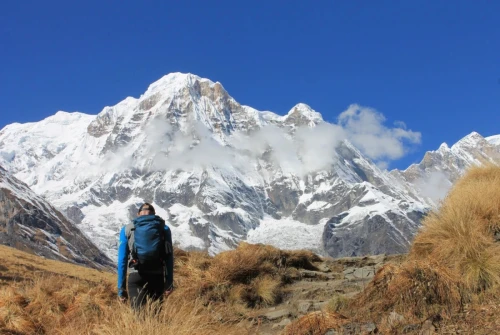
Lapchi Trek Overview & Fast Facts
Trek Type: Remote Wilderness Camping Trek / Spiritual Pilgrimage
Maximum Altitude: 3,670 meters (Lapchi Monastery) / Higher on lake exploration hikes
Trek Difficulty: Moderate to Challenging (Remote terrain with steep ascents and limited teahouse infrastructure)
Required Permits: Gaurishankar Conservation Area Permit (GCAP) & TIMS Card
Best Time to Visit:
Autumn (September–October): Offers the absolute best visibility, dry trails, and crisp mountain views.
Spring (March–May): Ideal for viewing blooming rhododendron forests amidst pleasant daytime weather.
Why the Lapchi Valley Trek is Globally Unique
In the world of sacred Himalayan geography, Lapchi Kang holds a legendary status. Tibetan Buddhists recognize three primary spiritual power places (Nelays) in the world: Mount Kailash in Tibet, Tsari, and Lapchi Kang in Nepal.
While thousands dream of visiting Kailash, Lapchi Kang provides an equally potent spiritual environment with far fewer footprints.
The Ultimate Milarepa Pilgrimage Site in Nepal
The crown jewel of this trek is Rechen Cave (popularly known as the Lapchi Milarepa Cave). It was inside this remote cavern that the legendary 11th-century Tibetan yogi, poet, and enlightened master Jetsun Milarepa spent years in solitary meditation.
Surviving on nothing but wild nettles, Milarepa attained ultimate spiritual realization right here. Today, the cave acts as a highly revered Buddhist pilgrimage trek in Nepal, drawing dedicated practitioners and yogis who still use the surrounding hermitages for silent retreats.
Lapchi Valley Location | Himalayan Trekking Region Nepal
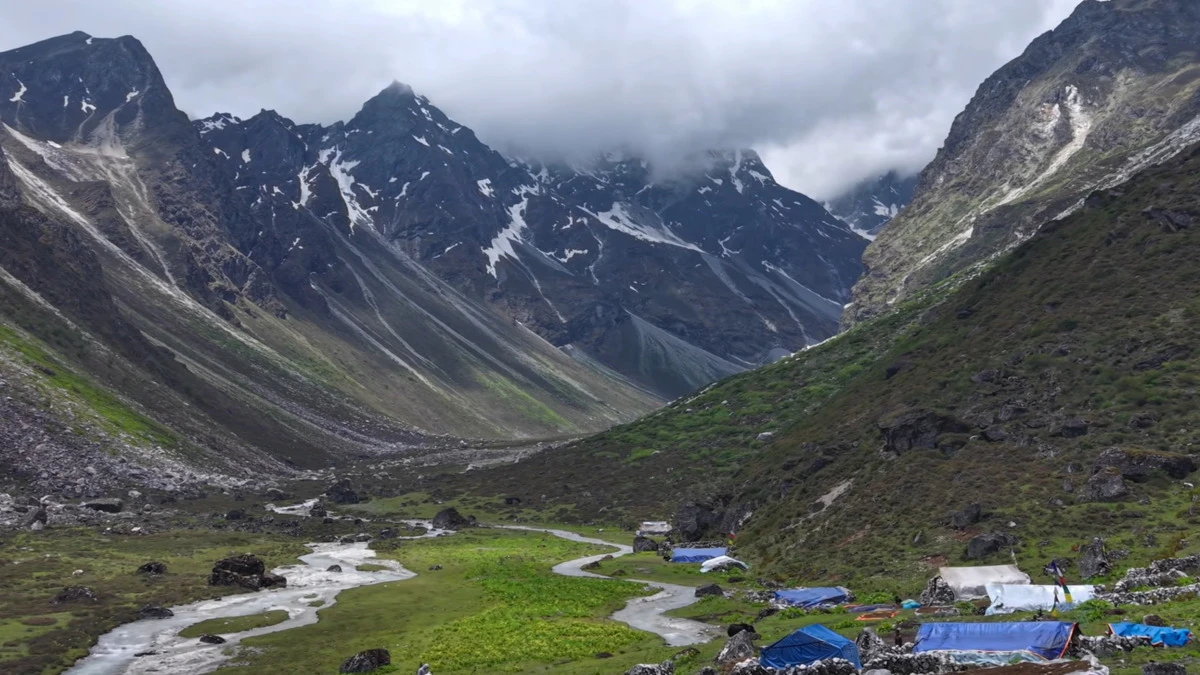
The Lapchi Valley is located in Dolakha District, Nepal, within the Rolwaling Himalayan Region, near the Nepal–Tibet border. Situated approximately 140 km northeast of Kathmandu, the valley lies at an altitude of 3,690 (12,040 Ft ) with alpine range 4,400 meters (14,436 ft) and is surrounded by the rugged Lapchi Kang mountain range, deep river valleys, alpine meadows, and dense Himalayan forests.
Part of the Gaurishankar Conservation Area, the Lapchi Valley Trek is known for its rich biodiversity, rare Himalayan wildlife, sacred Buddhist monasteries, and the famous Milarepa Cave. Following the scenic Tama Koshi River valley, the trail gradually ascends into remote high-altitude terrain, making it one of the best off-the-beaten-path treks in Nepal and a unique destination for spiritual trekking, Buddhist pilgrimage, and Himalayan adventure.
Milarepa Cave Lapchi | Sacred Buddhist Pilgrimage Site Nepal
The most sacred highlight of the Lapchi Kang Milarepa Cave Trek is Rechen Puk (Rechen Cave), also known as Milarepa Cave or Lapchi Chuwar Cave, one of the holiest Buddhist pilgrimage sites in Nepal. Located at an altitude of approximately 4,200 meters (13,780 ft) in the remote Lapchi Valley, the cave is revered as the meditation retreat of the great Tibetan yogi Jetsun Milarepa (1052–1135 CE).
According to Tibetan Buddhist tradition, Milarepa spent several years meditating in this cave, living a life of extreme simplicity and attaining spiritual realization. Because of its deep spiritual significance, the cave continues to attract monks, pilgrims, and trekkers seeking meditation, blessings, and a connection to one of Tibetan Buddhism's greatest masters.
Today, Rechen Puk (Milarepa Cave) is one of the most important destinations for Tibetan Buddhist pilgrimage in Nepal, spiritual trekking, Milarepa meditation tours, and sacred Himalayan cave exploration, often compared with other revered pilgrimage sites such as Mount Kailash and Tsari.
Spiritual Importance of Lapchi | Sacred Buddhist Land in the Himalayas
The Lapchi Valley is one of the holiest Buddhist pilgrimage destinations in the Himalayas. Located in Dolakha District, Nepal, near the Nepal–Tibet border, Lapchi is revered as one of the three great sacred Buddhist power places, alongside Mount Kailash and Tsari. For centuries, it has attracted monks, yogis, pilgrims, and meditators seeking spiritual practice in its remote Himalayan landscape.
Lapchi is closely associated with the Chakrasamvara Tantra and became an important meditation center for the Drikung Kagyu school of Tibetan Buddhism during the 12th and 13th centuries under Lord Jigten Sumgön and his disciples. Numerous caves, hermitages, and monasteries throughout the valley continue to serve as active meditation retreats, preserving an unbroken spiritual tradition.
The valley's greatest spiritual treasure is Rechen Puk (Milarepa Cave), where the renowned Tibetan yogi Jetsun Milarepa (1052–1135 CE) is believed to have meditated for many years. According to Buddhist tradition, he lived on wild nettles, composed spiritual songs, and attained profound realization in this sacred cave. Today, the cave remains a powerful pilgrimage site for followers of Tibetan Buddhism from Nepal, Tibet, Bhutan, and around the world.
More than just a trekking destination, the Lapchi Kang Trek offers a unique journey that combines Himalayan adventure, Buddhist pilgrimage, meditation heritage, and spiritual exploration, making it one of Nepal's most meaningful and least-visited trekking experiences.
Lapchi Trek Route | Tama Koshi River to Hidden Himalayan Valley
The Lapchi Trek begins from Lamabagar in Dolakha District, around 140 km from Kathmandu, and follows the scenic Tama Koshi River toward the remote Lapchi Valley near the Nepal–Tibet border. This ancient pilgrimage trail passes through traditional mountain villages, suspension bridges, bamboo and rhododendron forests, alpine meadows, and rugged Himalayan terrain before reaching the sacred Lapchi Gumba and Milarepa Cave.
Located within the Gaurishankar Conservation Area, the route is home to diverse flora and fauna, including Himalayan tahr, musk deer, Himalayan black bears, and the elusive snow leopard. Highlights include the Ama Bamare Himal region, Kukur Raja Danda (King Dog Ridge), Lapchi Kharka, and breathtaking views of the Lapchi Kang mountain range.
With its combination of untouched wilderness, Buddhist heritage, and spectacular mountain scenery, the Lapchi Valley Trek is one of the best off-the-beaten-path treks in Nepal for travelers seeking a remote Himalayan adventure and spiritual trekking experience.
Best 5-Day Lapchi Trek Itinerary | Milarepa Cave Express Route
Day 1: Kathmandu to Lamabagar Drive Time: Approx. 9–10 hours
Day 2: Lamabagar to Lapchi Gumba Trek Time: 6–7 hours | Altitude: 3,670m
Day 3: Lapchi Gumba to Lapchi Valley Exploration
Day 4: Lapchi Valley to Charikot Trek Time: 4–5 hours | Drive Time: 3 hours
Day 5: Charikot to Kathmandu Drive Time: 5–6 hours
The Classic 7-Day Lapchi Dolakha Trek Itinerary
This optimized 7-day itinerary balances efficient travel times from Kathmandu with deep cultural and spiritual exploration once inside the Lapchi Valley.
Day 1: Kathmandu to Singati – Lamabagar:Approx. 10 Hours Drive.
Day 2: Lamabagar (Tsho Sham) to Lower Lumnang:Trek Time: 5-6 Hours | Altitude: 2,700m.
Day 3: Lower Lumnang to Lapchi Monastery & Village:Trek Time: 6-7 Hours | Altitude: 3,670m.
Day 4: Explore Milarepa Caves & Hike to Manjushree Lake:Exploration Day | Acclimatization.
Day 5: Lapchi Village to Lower Lumnang:Trek Time: 5 Hours | Descent.
Day 6: Lower Lumnang to Lamabagar:Trek Time: 4-5 Hours.
Day 7: Lamabagar to Kathmandu:Approx. 10 Hours Drive.
Trek Permits & Difficulty | Gaurishankar Conservation Area Trek Nepal
The Lapchi Dolakha trekking route Nepal lies inside the Gaurishankar Conservation Area (GCA trek Nepal), requiring official trekking permits such as:
The trek is considered moderate to challenging, suitable for experienced trekkers or organized groups interested in camping trek Nepal Himalaya, spiritual expedition trekking Nepal, and restricted trekking areas Nepal.
Best Time for Lapchi Trek Nepal | Weather & Season Guide
The best time for the Lapchi Dolakha Trek Nepal is from March to October, when the weather is relatively stable and trekking routes are accessible.
Spring (March–May): Clear views, blooming forests, ideal for spiritual trekking Nepal
Monsoon (June–August): Possible but remote, lush green landscapes in Dolakha trekking route
Autumn (September–October): Best visibility, dry trails, perfect Himalayan trekking conditions Nepal
Geography & Wildlife: Exploring the Gaurishankar Conservation Area
Geographically, the Lapchi trekking route winds through the Gaurishankar Conservation Area (GCA) within Nepal's Rolwaling Himalayan range.
Because the region requires special permits and sees very little commercial traffic, its biodiversity remains entirely intact. The trek showcases a dramatic ecological transition:
The Lower Trails: You’ll begin your walk tracing the roaring Tama Koshi River trekking route, passing through subtropical valleys, towering waterfalls, and dense bamboo and cloud forests.
The Alpine Zone: As you climb past 3,000 meters, the forest clears into stark alpine meadows (kharkas), dramatic rock cliffs, and stunning views of the Ama Bamare Himal range.
Snow Leopard Territory: This isolated wilderness is a recognized, protected habitat for rare Himalayan wildlife, including the elusive snow leopard and the red panda.
Essential Tips for Preparing Your Lapchi Adventure
Be Self-Sufficient: Unlike the heavily commercialized tea houses of the Everest region, Lapchi is highly remote. Organizing this as an independent or fully supported camping trek with a reputable agency ensures you have proper food, tents, and wilderness medical supplies.
Respect Local Heritage: The monks and hermits living in the hermitages value silence and isolation. Always ask for permission before entering active meditation areas or photographing sacred altars.
Carry Extra Cash: There are zero ATMs or banking facilities once you leave the major towns of Dolakha. Ensure you have enough Nepalese Rupees to cover local emergencies or minor purchases.
If you are ready to trade tourist crowds for true quietude, ancient spiritual resonance, and untouched snow leopard habitats, the Lapchi Kang Milarepa Cave Trek is calling.
 based on 270 reviews

.webp)