based on 270 reviews

If you are planning a Himalayan adventure and wondering whether to choose the Manaslu Circuit Trek over Nepal's more famous Everest or Annapurna routes, you are asking the right question.
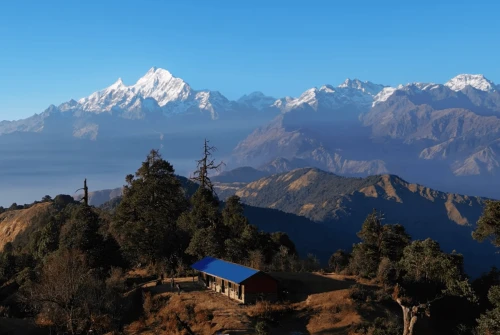
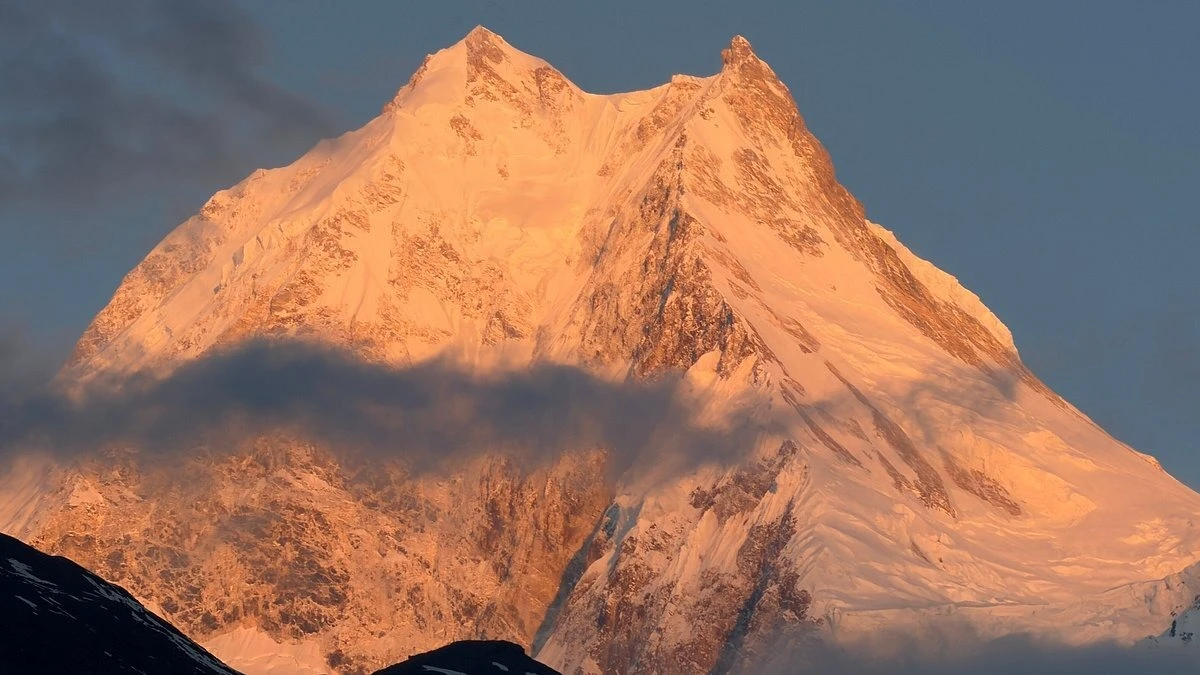
Circling Mount Manaslu (8,163 meters) the world's eighth-highest mountain, the Manaslu Circuit combines dramatic Himalayan scenery, Tibetan-influenced culture, remote mountain villages, challenging high-altitude trekking, and the spectacular crossing of Larkya La Pass.
So, is the Manaslu Circuit Trek worth it? Yes especially if you value wilderness, cultural authenticity, and a quieter trekking experience over modern infrastructure and convenience.The trek is challenging, remote, and less developed than the Annapurna Circuit. But that is precisely what makes it special.
Why Is the Manaslu Circuit Trek Worth It?
A More Remote Himalayan Experience
One of the biggest reasons to choose Manaslu is the sense of remoteness.The route passes through the Manaslu Conservation Area and a restricted trekking region, which means access is regulated and trekkers must follow specific permit and guide requirements. The result is a quieter experience than Nepal's busiest trekking corridors.
Instead of constantly encountering large groups and extensive tourist infrastructure, you spend much of the journey walking through mountain valleys, forests, suspension bridges, and small Himalayan settlements.If solitude is high on your trekking wish list, Manaslu is difficult to beat.
Tibetan-Inspired Himalayan Culture
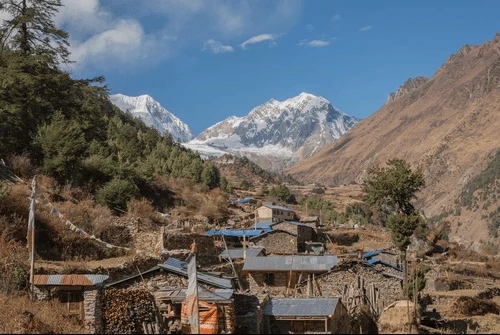
The cultural experience is another major reason the trek is worth doing.As you travel higher through villages such as Namrung, Lho, Samagaun, and Samdo, the landscape and culture increasingly reflect Tibetan Buddhist traditions.You will encounter:
Ancient monasteries and chortens
Mani walls and prayer wheels
Colorful prayer flags
Traditional stone houses
Tibetan-influenced architecture
Buddhist festivals and local traditions
Samagaun, in particular, is an important cultural and acclimatization stop beneath the enormous Manaslu massif.
This combination of high mountains and living Himalayan culture gives the Manaslu Circuit a character that is very different from a conventional mountain holiday.
Extraordinary Landscape Diversity
Few Himalayan treks provide such dramatic changes in scenery within a single journey.The lower section follows the Budhi Gandaki River through subtropical valleys and terraced farmland. As you climb, the vegetation changes to pine, fir, and rhododendron forests before eventually giving way to barren alpine terrain.
The scenery continually evolves:green river valleys → waterfalls and forests → Tibetan-style villages → glacial valleys → high alpine landscapes
That geographical diversity makes the trek feel like several different adventures combined into one.
The Larkya La Pass Crossing
The defining challenge of the Manaslu Circuit is crossing Larkya La Pass, generally listed at around 5,106 meters (16,752 feet).
The crossing is long, cold, and physically demanding rather than technically mountaineering-oriented. Most itineraries begin the day before sunrise from Dharamsala so trekkers have enough time to cross the pass and descend toward Bimthang.
From the high point, you can experience spectacular Himalayan views, including peaks around the Manaslu and Annapurna regions.
The pass is one of the main reasons the Manaslu Circuit feels like a genuine high-altitude adventure rather than simply a long mountain walk.
Manaslu Circuit Trek Difficulty: Is It Hard?
The Manaslu Circuit Trek difficulty is best described as challenging to strenuous.
You do not need technical climbing skills for the standard circuit, but you do need good physical fitness, preparation, and a willingness to spend long days on rugged mountain trails.
What makes Manaslu difficult?
Long trekking days: Many stages involve roughly 5–8 hours of walking, although individual itineraries vary.
High altitude: The route reaches more than 5,000 meters at Larkya La.
Steep and uneven terrain: Expect rocky paths, stone steps, suspension bridges, and sustained ascents and descents.
Remote conditions: Facilities are more basic than on the major commercial trekking routes.
Weather: Snow, cold, rain, and changing mountain conditions can affect the route.
Altitude sickness: Acclimatization is essential as you climb toward Samagaun, Samdo, and Dharamsala.
A good itinerary should include adequate acclimatization rather than trying to rush through the high-altitude section.
How Long Does the Manaslu Circuit Trek Take?
Most travelers should allow approximately 12–15 days, depending on the itinerary, transportation arrangements, acclimatization days, and where the trek begins and ends.
Manaslu Circuit Trek 13 Days Itinerary
Day 1: Kathmandu to Machha Khola (900m) – Drive
Day 2: Machha Khola to Jagat (1,340m) – 6–7 hours
Day 3: Jagat to Deng (1,860m) – 6–7 hours
Day 4: Deng to Namrung (2,630m) – 6–7 hours
Day 5: Namrung to Lho (3,180m) – 4–5 hours
Day 6: Lho to Samagaun (3,530m) – 5–6 hours
Day 7: Acclimatization Day in Samagaun (3,530m)
Day 8: Samagaun to Samdo (3,875m) – 3–4 hours
Day 9: Samdo to Dharamsala / Larkya Phedi (4,460m) – 4–5 hours
Day 10: Dharamsala to Larkya La Pass (5,106m) to Bimthang (3,590m) – 8–10 hours
Day 11: Bimthang to Tilije (2,300m) – 5–6 hours
Day 12: Tilije to Dharapani (1,860m) – 5–6 hours
Day 13: Dharapani to Kathmandu – Drive
Some itineraries are shorter, while others add acclimatization days or combine the Manaslu Circuit with the Tsum Valley.
Best Time for Manaslu Trek
The best time for Manaslu Circuit Trek is spring (March–May) and autumn (September–November). These seasons offer better weather, clearer mountain views, and safer conditions for crossing Larkya La Pass (5,106m).
Autumn (September–November): Best overall season with clear skies, dry trails, stable weather, and excellent Himalayan views. October and November are the most popular months.
Spring (March–May): Another excellent season, with warmer temperatures and blooming rhododendrons. High-altitude areas can still have snow in March and early April.
Winter (December–February): Cold and snowy, with challenging conditions around Larkya La Pass. Suitable mainly for experienced trekkers.
Monsoon (June–August): Generally not recommended because of heavy rain, muddy trails, landslides, leeches, and difficult road conditions.
Manaslu Circuit Trek Cost and Permits
The Manaslu Circuit Trek cost depends on the season, itinerary, group size, accommodation, transportation, guide and porter services, and what your trekking package includes.
A guided Manaslu Circuit Trek generally costs around US$895–$1500 per person, depending on the level of service and itinerary.
A typical package may include:
Manaslu Restricted Area Permit (RAP)
Manaslu Conservation Area Permit (MCAP)
Annapurna Conservation Area Permit (ACAP), where applicable
Chumnubri Rural Municipality Local Permit
Licensed trekking guide
Porter service
Teahouse accommodation
Meals during the trek
Ground transportation
Trekking agency and staff costs
What Permits Do You Need for Manaslu Circuit Trek?
For a standard Manaslu Circuit Trek you need following Permit
Manaslu Restricted Area Permit (RAP)
Manaslu Conservation Area Permit (MCAP)
Chumnubri Rural Municipality Local Permit
Annapurna Conservation Area Permit (ACAP)
Do You Need a Guide for the Manaslu Circuit?
Yes.Manaslu remains a restricted trekking region, and a licensed guide is required. Trekkers should arrange the trek through a registered Nepali trekking agency.
There has been an important rule change in 2026 ,the previous minimum-two-trekker requirement was removed in March 2026. However, the requirement for a licensed guide remains.
Manaslu Circuit vs Annapurna Circuit
The Manaslu vs Annapurna Circuit debate ultimately comes down to what type of trekking experience you want.
Feature | Manaslu Circuit | Annapurna Circuit |
Atmosphere | Remote and quieter | Busier and more developed |
Main pass | Larkya La – about 5,106m | Thorong La – 5,416m |
Culture | Strong Tibetan influence | Extremely diverse |
Infrastructure | Basic to moderate | More developed |
Road access | Increasing but more limited | Extensive |
Accommodation | Mostly basic teahouses | Wider range of options |
Permits | More complex | Generally simpler |
Difficulty | Challenging/strenuous | Moderate to challenging |
Best for | Wilderness and adventure | Flexibility and infrastructure |
The Annapurna Circuit has advantages if you want greater accommodation choice, easier logistics, and more flexibility.
Choose Manaslu if your priorities are remote landscapes, fewer crowds, Tibetan-influenced culture, and a stronger sense of adventure.
Is Manaslu Harder Than Everest Base Camp?
Is Manaslu harder than Everest Base Camp? In many ways, yes. While both are challenging high-altitude treks, the Manaslu Circuit Trek is generally considered more remote and demanding than the Everest Base Camp Trek.
Everest Base Camp reaches a higher maximum trekking elevation, but the Everest region has well-developed trekking infrastructure, comfortable teahouses, established trails, and easier access to services.
The Manaslu Circuit Trek difficulty comes from its remote location, basic accommodation, rugged terrain, longer trekking days, and the challenging Larkya La Pass at 5,106 meters.
Factor | Manaslu Circuit | Everest Base Camp |
Highest point | Larkya La – 5,106m | Kala Patthar – about 5,545m |
Trail conditions | More rugged and remote | More established |
Accommodation | Basic teahouses | More developed |
Infrastructure | Limited | Well developed |
High-altitude challenge | Larkya La crossing | Prolonged high-altitude trekking |
Overall difficulty | Challenging to strenuous | Moderate to challenging |
If you prefer remote trails, fewer crowds, and a greater sense of adventure, Manaslu may feel more rewarding. If you prefer better infrastructure and a more established trekking route, Everest Base Camp may be the better choice.
For either trek, proper acclimatization, physical preparation, good pacing, and appropriate travel insurance are essential.
Who Should Do the Manaslu Circuit Trek?
The Manaslu Circuit Trek is ideal for adventurous hikers looking for a remote Himalayan trekking experience away from Nepal's busiest trails. Because of its challenging terrain, high altitude, and basic mountain facilities, it is best suited to trekkers with good fitness and a sense of adventure.
You should consider the Manaslu Circuit Trek if you:
Enjoy multi-day Himalayan trekking
Have good physical fitness and stamina
Are comfortable with 5–8 hours of walking per day
Want to experience a remote and less crowded trekking route
Are comfortable staying in basic teahouse accommodation
Want to experience Tibetan Buddhist culture and Himalayan villages
Are interested in high-altitude trekking
Want to cross the Larkya La Pass at 5,106 meters
Are prepared for changing mountain weather and rugged trails
Prefer adventure and wilderness over luxury
Have previous trekking experience, especially at altitude
Is Manaslu Circuit Trek Suitable for Beginners?
The Manaslu Circuit Trek is possible for fit beginners, but it is not usually the best choice for someone with no hiking experience or preparation.
The combination of high altitude, long trekking days, remote terrain, basic accommodation, and the Larkya La Pass crossing makes the trek physically demanding.
If you are a beginner, prepare with regular walking, hiking, cardiovascular exercise, and strength training before your trip. A well-planned itinerary with adequate acclimatization days is also important.
Who Should Avoid the Manaslu Circuit?
The trek may not be suitable if you are looking for:
Short and easy walking days
Luxury hotels and modern facilities throughout the route
Smooth or paved trails
Easy transportation and road access
A low-altitude trekking experience
A highly flexible independent trekking trip
If your priority is comfort and extensive infrastructure, the Annapurna Circuit Trek may be a better option.
However, if you are seeking Manaslu Circuit Trek adventure, remote Himalayan landscapes, authentic mountain culture, and a challenging high-altitude experience, this trek can be one of the most rewarding journeys in Nepal.
Is the Manaslu Circuit Safe?
For properly prepared trekkers following an experienced guide and sensible acclimatization schedule, the Manaslu Circuit is a well-established trekking route.However, it is still a high-altitude wilderness journey.The biggest considerations are:
Altitude sickness
Rapid weather changes
Snow and ice around Larkya La
Slippery or unstable trails
Landslides during wet periods
Limited medical facilities at higher elevations
Travel insurance that covers high-altitude trekking and emergency evacuation is strongly recommended.
What Should You Pack for Manaslu?
Your packing list should reflect the significant altitude and changing climate.
Essential items include:
Layered trekking clothing
Warm down jacket
Waterproof jacket and trousers
Quality trekking boots
Warm hat and gloves
Sleeping bag suitable for cold temperatures
Trekking poles
Sunglasses and sunscreen
Water purification or filtration system
Headlamp and spare batteries
Personal first-aid supplies
Basic toiletries
Power bank
Appropriate travel insurance documents
A good sleeping bag and warm layers become particularly important around Dharamsala and Larkya La.
Final Verdict: Is the Manaslu Circuit Trek Worth It?
Absolutely if you are looking for adventure rather than convenience.
The Manaslu Circuit offers an extraordinary combination of high Himalayan scenery, remote valleys, Tibetan-influenced villages, Buddhist culture, diverse landscapes, and the unforgettable challenge of crossing Larkya La.
It is not the easiest trek in Nepal, and the facilities are not as developed as on the Annapurna Circuit or Everest Base Camp route.
But that is part of the appeal.If you want a Himalayan journey that feels wild, authentic, challenging, and deeply rewarding, the Manaslu Circuit deserves a place near the top of your trekking bucket list.
Ready to explore the Manaslu region? Contact All Nepal Hiking to discuss your itinerary, permits, guide arrangements, transportation, acclimatization schedule, and the best departure season for your trek.
Is the Manaslu Circuit Trek Worth It? Frequently Asked Questions
Is the Manaslu Circuit Trek worth it?
Yes. It is particularly worthwhile for trekkers who want spectacular mountain scenery, Tibetan-influenced culture, fewer crowds, and a more remote experience than Nepal's major trekking routes.
How difficult is the Manaslu Circuit Trek?
The trek is generally considered challenging to strenuous. The combination of long walking days, remote terrain, altitude, and the Larkya La crossing makes it more demanding than many lower-altitude Nepal treks.
What is the elevation of Larkya La Pass?
Larkya La is commonly listed at approximately 5,106 meters (16,752 feet), although published figures can vary slightly depending on the source and measurement.
What is the best time for the Manaslu Circuit Trek?
October and November are generally the prime months, with March through May also offering excellent conditions. Winter and monsoon conditions can make the route considerably more challenging.
How much does the Manaslu Circuit Trek cost?
A guided 2026 Manaslu Circuit package can range from roughly US$895 to US$1500 or more per person, depending on the itinerary, group size, accommodation, transportation, and services included.
Do I need a Manaslu Restricted Area Permit?
Yes. The Manaslu region is a restricted trekking area, so trekkers need the appropriate Restricted Area Permit as well as conservation-area and other applicable permits.
Can I trek Manaslu without a guide?
No. A licensed guide remains mandatory for the Manaslu restricted area. Current 2026 information indicates that the previous minimum-two-trekker rule has changed, but the guide requirement remains. Travel Himalaya Nepal+1
Is Manaslu harder than the Annapurna Circuit?
Manaslu is generally perceived as more remote and demanding because of its infrastructure and terrain, although the Annapurna Circuit crosses the higher Thorong La Pass. The better choice depends on whether you prioritize wilderness or convenience.
How many days do you need for the Manaslu Circuit?
Most standard itineraries take around 14–17 days, although shorter and longer versions are available depending on transportation, acclimatization, and side trips.