based on 270 reviews


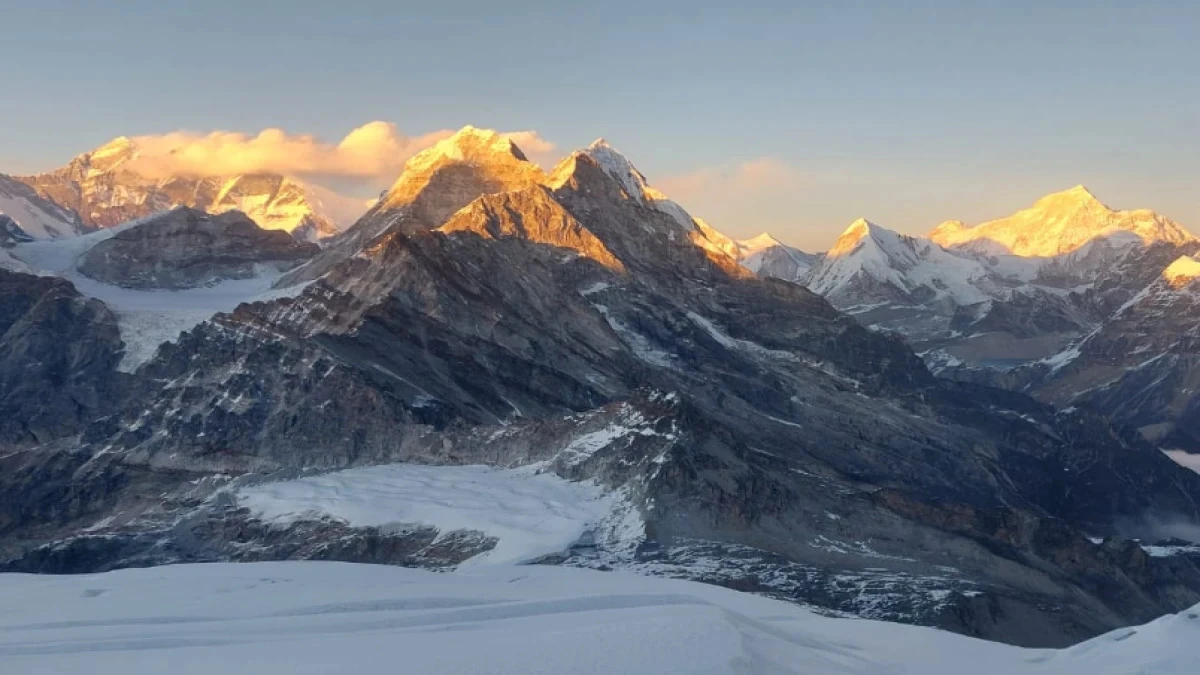
Mera Peak Climbing is an exciting challenge for trekkers who want to move beyond traditional Himalayan trekking and experience high-altitude mountaineering. Located in Nepal's remote Hinku Valley, Mera Peak reaches approximately 6,476 metres above sea level and offers an unforgettable journey through forests, mountain villages, alpine landscapes, and snow-covered terrain.
However, reaching the summit requires more than enthusiasm. Proper acclimatization, physical preparation, suitable equipment, experienced mountain guides, and flexible planning are essential.
This complete Mera Peak Climbing guide explains the route, difficulty level, best seasons, permits, preparation, safety considerations, and equipment you should understand before planning your expedition.
1. Where Is Mera Peak Located?
Mera Peak is located within the Mahalangur Himalayas mountain range to the east of Nepal, close by Hinku valley as well as a larger area around Everest. The remoteness is what keeps them off the most crowded parts of Everest Base Camp Trail.
Trekking is done in traditional villages and forests before moving to more difficult mountainous areas. With increasing altitude there is an alteration of scenery where it goes from lush valleys and forests into rugged terrain such as mountains, glaciers, and icy peaks covered in snow.
Why Is Mera Peak Popular Among Climbers?
Mera Peak attracts adventurers for several reasons:
High-altitude achievement: The summit reaches approximately 6,476 metres, making this a serious mountaineering objective.
Himalayan scenery: On clear days, the summit region can provide views of major Himalayan peaks, including Everest, Lhotse, Makalu, and Cho Oyu.
Remote trekking experience: The Hinku Valley offers a quieter approach than the main Everest Base Camp corridor.
Mountaineering experience: Climbers can develop skills in crampon use, ice-axe handling, glacier travel, and moving safely in high-altitude environments under professional supervision.
Mera Peak is sometimes described as a trekking peak, but that description should not make it sound easy. Its altitude, cold temperatures, changing weather, and glacier conditions make it a demanding expedition.
2. What Is the Mera Peak Climbing Route?
A typical Mera Peak expedition begins with a flight from Kathmandu to Lukla, followed by a trek through the Hinku Valley. The exact itinerary depends on the operator, weather, acclimatization requirements, and trail conditions.
Typical Route Overview
Kathmandu → Lukla → Paiya or nearby trail settlements → Panggom → Ningsow → Kothe → Thangnak → Khare → Mera High Camp → Mera Peak Summit → Return to Lukla → Kathmandu
Some itineraries use different overnight stops or additional acclimatization days. The route should be confirmed with the expedition operator before departure.
What Happens Along the Route?
Lukla to the lower Hinku Valley
The initial trekking section introduces climbers to the mountain environment. Trails pass through settlements, forests, suspension bridges, and hilly terrain. Although the altitude is lower than the upper camps, walking days can still be physically demanding.
Panggom and surrounding villages
The trail continues through traditional mountain communities and remote valleys. This section offers opportunities to observe local lifestyles while gradually increasing trekking endurance.
Kothe to Thangnak
As the journey continues, the surroundings become more alpine. Trekkers encounter more open mountain landscapes and prepare for the higher elevations ahead.
Khare: Preparation and acclimatization
Khare is an important staging point for the climb. Depending on the itinerary and conditions, climbers may spend time acclimatizing, checking equipment, and practising essential mountaineering skills.
Mera High Camp and summit day
The summit section requires early preparation, suitable climbing equipment, and close attention to weather and physical condition. The final ascent is usually undertaken with an experienced guide and appropriate safety systems.
Reaching the summit is only part of the challenge. Returning safely to camp and descending the mountain are equally important.
3. What Is the Best Time for Mera Peak Climbing?
Choosing an appropriate season can make a major difference to visibility, trail conditions, temperature, and summit opportunities.
Spring: March to May
Spring is one of the main seasons for Mera Peak Climbing. Conditions vary throughout the season, but the lower valleys begin to warm while higher elevations remain cold.
Potential advantages include:
Longer daylight hours as the season progresses.
Pleasant trekking conditions at lower elevations.
Opportunities for clear mountain views during suitable weather.
A popular period for Himalayan trekking and climbing.
Snow conditions and summit weather can still change quickly, so spring does not guarantee a successful summit.
Autumn: September to November
Autumn is another major climbing season in Nepal. After the monsoon, conditions can improve, although the timing of the weather transition varies each year.
Potential advantages include:
Often clear skies and good mountain visibility.
Generally favourable conditions for trekking in the lower valleys.
A popular period for combining Himalayan trekking with mountaineering.
October is a particularly popular month for trekking in Nepal, but climbers must still prepare for freezing temperatures and unpredictable conditions at higher elevations.
Winter: December to February
Winter brings more severe cold, and snow or strong winds can make the upper mountain challenging. It is generally better suited to experienced and well-equipped teams with appropriate weather flexibility.
Monsoon: June to August
Monsoon conditions can bring rain, slippery trails, cloud cover, landslides, and travel disruptions. Flights and trekking plans may be affected.
For many climbers, spring and autumn are the most practical seasons to consider. The final decision should depend on current forecasts, local conditions, and advice from an experienced expedition team.
4. How Difficult Is Mera Peak Climbing?
Mera Peak Climbing is a strenuous, high-altitude adventure that requires physical endurance, patience, and suitable preparation.
Although the normal route is often considered less technically demanding than some other Himalayan climbing objectives, the high elevation creates serious challenges.
Main Challenges
High altitude
At approximately 6,476 metres, the summit is high enough for altitude-related illness to become a major concern. Even physically fit climbers can struggle when the body cannot adapt adequately to reduced oxygen availability.
Long trekking days
The approach includes repeated days of walking on uneven trails, uphill sections, and remote mountain paths. Endurance is important throughout the expedition.
Cold and wind
Temperatures can fall well below freezing at higher camps, particularly overnight and during the summit attempt. Wind can increase the risk of cold injury.
Glacier travel
Snow and glacier sections require suitable equipment and knowledge of mountaineering safety. Conditions may include hidden crevasses and icy surfaces.
Mental endurance
The climb involves early starts, changing weather, fatigue, and the possibility of turning back before reaching the summit. Being prepared to change plans is part of responsible mountaineering.
Can Beginners Climb Mera Peak?
Beginners might try Mera Peak provided they have proper preparation and support while being aware of its challenges. Nonetheless, this is not a typical hiking vacation.
Anyone who is not an experienced climber must get proper instruction from a guide and some hands-on practice for climbing up to that point. While completing an arduous hike like Everest Base Camp may build stamina, it doesn't necessarily equip you to handle glaciers or summiting.
5. How to Prepare Physically for Mera Peak Climbing
Physical preparation should begin several months before departure when possible. The goal is to develop endurance, leg strength, balance, and the ability to recover after consecutive days of activity.
Cardiovascular Training
Activities such as brisk walking, hiking, cycling, swimming, and stair climbing can improve endurance.
Begin at a manageable intensity and gradually increase the duration of your sessions. If possible, include regular hikes on uneven terrain while carrying a backpack similar to the one you will use during the expedition.
Strength Training
Useful exercises include:
Squats and step-ups.
Lunges.
Calf raises.
Core-strengthening exercises.
Controlled uphill walking with a light pack.
Good technique is more important than lifting heavy weights. Allow sufficient recovery between challenging sessions.
Hiking Practice
Practise walking for several hours on consecutive days to understand how your body responds to sustained activity. Wear your intended trekking boots and test your backpack before travelling to Nepal.
Acclimatization
Fitness cannot prevent altitude sickness. A carefully planned ascent, adequate acclimatization days, hydration, rest, and monitoring for symptoms are essential.
Never continue ascending simply because an itinerary says it is time to move higher. If symptoms develop or worsen, inform your guide and follow appropriate medical advice.
6. Mera Peak Climbing Permits and Documents
Before beginning the expedition, confirm the required climbing permits, protected-area entry requirements, and any applicable local authorizations.
Requirements and fees can change, so your trekking or climbing operator should verify the current rules for your chosen route and departure date.
Important Documents
Prepare the following:
Valid passport.
Relevant visa and travel documents.
Required climbing and trekking permits.
Flight tickets and booking information.
Travel insurance documents.
Emergency contact details.
Passport-sized photographs if required.
Cash and a payment card for personal expenses.
Travel Insurance
Choose travel insurance that explicitly covers high-altitude mountaineering and emergency evacuation at the elevations involved in your trip.
Do not assume that a standard trekking policy covers a summit attempt at 6,476 metres. Check altitude limits, climbing exclusions, helicopter evacuation conditions, and the claims process before purchasing a policy.
Keep digital and printed copies of important documents where practical.
7. Essential Mera Peak Climbing Gear Checklist
The right equipment helps protect you from cold, wind, snow, and other mountain hazards. Your exact requirements will depend on the season, your itinerary, and the equipment supplied by your climbing operator.
The following checklist incorporates the main categories in the Mera Peak Climbing – Complete Trekking Gear Checklist provided for this article.
Clothing
Use a layering system that allows you to adjust your clothing as conditions change.
Thermal base layers for the upper and lower body.
Quick-drying trekking shirts.
Fleece jacket or insulating mid-layer.
Lightweight down jacket.
Expedition-grade insulated down jacket.
Waterproof and breathable shell jacket.
Waterproof shell trousers.
Trekking trousers and suitable thermal bottoms.
Insulated trousers for colder camps or summit conditions.
Warm hat, neck gaiter, and balaclava.
Cotton clothing may be comfortable in towns or lodges, but moisture-managing layers are generally more practical during strenuous trekking.
Footwear and Socks
Broken-in, waterproof trekking boots.
High-altitude mountaineering boots compatible with crampons.
Regular trekking socks.
Warm summit socks.
Lightweight shoes or sandals for lodges.
Gaiters when required by the route and footwear.
Check the fit of your mountaineering boots with the socks you intend to wear during the summit attempt. Crampons must fit the exact boots securely.
Gloves and Eye Protection
Thin glove liners.
Fleece or windproof gloves.
Insulated summit gloves or mittens.
Spare waterproof outer mitts.
Glacier sunglasses with full UV protection.
Snow goggles suitable for the conditions.
Sun hat and warm headwear.
Multiple layers of hand protection are more useful than relying on one pair of gloves.
Technical Climbing Equipment
Your guide or operator should confirm the required equipment and whether any items are supplied or rented.
Ice axe.
Crampons compatible with your mountaineering boots.
Climbing harness.
Climbing helmet.
Headlamp and spare batteries.
Locking and non-locking carabiners as specified.
Ascender or Jumar when required by the climbing system.
Approved belay or rappel device.
Slings and accessory cord as directed by your guide.
Trekking poles for the approach where useful.
Do not purchase or assemble technical equipment based only on a generic checklist. Equipment must be compatible with the route, your boots, and the guide team's safety procedures.
Sleeping Equipment and Bags
Cold-weather sleeping bag suitable for expected camp temperatures.
Sleeping bag liner.
Sleeping mat if one is not provided.
Compact pillow if preferred.
Trekking backpack, approximately 35–50 litres depending on your carrying needs.
Expedition duffel bag.
Waterproof pack liners or dry bags.
Backpack rain cover.
The supplied checklist specifies a sleeping bag suitable for expected high-camp temperatures, with a reference of approximately -30°C. Confirm the required comfort rating and the operator's current recommendation before buying or renting one.
Food, Water, and Personal Essentials
Reusable water bottles.
Insulated thermos.
Water purification tablets or a suitable filter.
Energy bars and other convenient snacks.
High-SPF sunscreen.
SPF lip balm.
Moisturizer.
Toothbrush and toothpaste.
Quick-drying towel.
Hand sanitizer and personal hygiene supplies.
Power bank and charging cables.
Camera and spare batteries if desired.
Earplugs and spare headlamp batteries.
First Aid and Medication
Bring personal prescription medication and a small first-aid kit suitable for minor problems such as blisters and small cuts.
Your medical preparation may include blister dressings, antiseptic wipes, oral rehydration salts, and other items recommended by a healthcare professional.
Altitude-related medicines should only be used according to appropriate medical guidance. Do not self-prescribe prescription medication or treat a checklist as a substitute for a medical assessment.
Final Equipment Check
Before leaving Kathmandu, check that your boots fit, crampons attach securely, headlamp works, clothing layers fit together, and essential documents are ready.
Also confirm which items your operator supplies. This prevents unnecessary duplication and helps you avoid discovering a critical equipment problem in a remote mountain village.
8. What Does Mera Peak Climbing Cost?
The total cost of Mera Peak Climbing varies according to expedition duration, group size, guide and support arrangements, accommodation, meals, flights, permits, equipment, and insurance.
Rather than relying on a single advertised price, request an itemized quotation for your specific departure.
Main Cost Categories
Expense | What to Confirm |
Climbing package | Guide, porters, accommodation, meals, and included services |
Domestic flights | Kathmandu–Lukla flights and possible delays or additional nights |
Permits | Current climbing and protected-area fees |
Equipment | Rental or purchase of climbing gear and cold-weather clothing |
Insurance | High-altitude climbing and emergency evacuation coverage |
Personal expenses | Snacks, drinks, charging, showers, and other extras |
Contingency budget | Weather delays, additional accommodation, or itinerary changes |
Some packages include most trekking expenses, while others exclude flights, personal equipment, insurance, or certain meals. Read the inclusions and exclusions carefully before comparing prices.
It is also sensible to keep additional funds available for unexpected delays. Mountain travel depends on weather and logistics, and the original itinerary may need to change.
9. Mera Peak vs Everest Base Camp vs Annapurna Base Camp
Travellers often compare Mera Peak with Everest Base Camp and Annapurna Base Camp because all three offer memorable Himalayan experiences. However, they involve different levels of physical and technical commitment.
Feature | Mera Peak Climbing | Everest Base Camp | Annapurna Base Camp |
Main objective | High-altitude summit | Trek to Everest Base Camp | Trek to Annapurna Sanctuary |
Highest destination | About 6,476 m | About 5,364 m | About 4,130 m |
Technical climbing | Required on the climbing route | Not normally required | Not normally required |
Main challenge | Altitude, cold, glacier travel, and summit ascent | Altitude and sustained trekking | Sustained trekking, elevation, and trail conditions |
Equipment | Trekking and mountaineering equipment | Trekking equipment | Trekking equipment |
Suitable for | Prepared trekkers seeking a mountaineering challenge | Trekkers prepared for high altitude | Trekkers prepared for mountain hiking |
Elevations are approximate and refer to the commonly recognized destinations.
Which One Should You Choose?
If you want to explore the Everest area by hiking up there then visit its base camp from here.
If you are looking for an Annapurna Base Camp to go on a Himalayan trekking adventure through mountain villages and into a beautiful mountainous wilderness area.
If you're into Mera Peak climbs and have experience climbing gear, training sessions on mountains' heights risks.
EBC or ABC may be useful to develop a good hiking skillset; however it doesn't guarantee an individual is qualified as a Mera Peak climber. Also you should be skilled at climbing and ready for more challenging climbs like summiting mountains.
10. Safety Tips for a Responsible Summit Attempt
A successful expedition is not defined only by reaching the highest point. It also means making sound decisions and returning safely.
Take Altitude Symptoms Seriously
Headache, nausea, dizziness, unusual fatigue, and loss of appetite can be symptoms of altitude illness. Inform your guide promptly if you experience these problems.
Confusion, difficulty walking straight, or breathlessness at rest are emergency warning signs. Seek immediate medical assistance and follow established descent and emergency procedures.
Follow Your Guide's Instructions
Stay with your climbing team, use technical equipment as instructed, and follow the guide's decisions regarding weather, route conditions, and turnaround times.
Respect Weather Changes
Snowfall, high winds, poor visibility, and deteriorating conditions can make a summit attempt unsafe. Be prepared to delay the climb or turn around.
Protect Yourself From Cold and Sun
Wear appropriate layers, insulated gloves, and suitable eye protection. Use sunscreen and lip protection because ultraviolet exposure can be intense at altitude, particularly around snow.
Keep Hydrated and Eat Regularly
Drink fluids regularly and eat enough to support long trekking days. Water purification is important where safe drinking water cannot be guaranteed.
Build Flexibility Into Your Itinerary
Flight delays, illness, and unsuitable summit conditions may require additional time. A schedule with no flexibility can create pressure to make unsafe decisions.
11. Responsible Travel in the Hinku Valley
Mera Peak Climbing is also an opportunity to experience Nepal's mountain communities and natural environment respectfully.
Trekkers can help reduce their impact by following a few practical habits:
Carry reusable water bottles and minimize single-use plastics.
Pack out litter and dispose of waste responsibly.
Follow local guidance about trails, settlements, and cultural practices.
Ask permission before photographing people.
Use local services responsibly and treat guides and porters fairly.
Avoid disturbing wildlife or damaging fragile alpine vegetation.
Mountain environments recover slowly from damage. Responsible travel helps protect the landscapes and communities that make the expedition meaningful.
Frequently Asked Questions About Mera Peak Climbing
How high is Mera Peak?
Mera Peak is approximately 6,476 metres above sea level.
How many days are needed for Mera Peak Climbing?
The total trip often takes around two to three weeks, depending on the route, acclimatization schedule, weather, and travel arrangements. Confirm the full itinerary before booking.
Do I need previous climbing experience?
Previous mountaineering experience is helpful, but requirements depend on the operator and the climber's preparation. Anyone attempting the summit should receive appropriate instruction, use suitable equipment, and climb with qualified support.
Is Mera Peak harder than Everest Base Camp?
Mera Peak is generally more demanding because it combines high-altitude trekking with glacier travel and a summit ascent. Everest Base Camp is a challenging trek, but the standard route does not normally require technical mountaineering.
Can I rent Mera Peak climbing equipment in Kathmandu?
Some specialist equipment may be available to rent in Kathmandu. Availability, quality, size, and compatibility should be checked before departure. Confirm rental arrangements with your operator in advance.
Is Mera Peak safe for beginners?
It is a serious high-altitude objective rather than an easy beginner's trek. Beginners should prepare carefully, arrange professional guidance, and understand that reaching the summit is never guaranteed.
What happens if the weather prevents a summit attempt?
The climbing team may delay the attempt, adjust the itinerary, or abandon the summit plan if conditions are unsafe. Climbers should allow schedule flexibility and prioritize safe descent over reaching the summit.
Conclusion
Mera Peak Climbing is an intense Himalayan challenge that will take you on a trek up to high altitude climbing. The Hinku Valley is an interesting destination due to its remoteness, stunning mountains, and high altitude of around 6,476 meters; however, it needs proper planning before going there.
First of all, concentrate on fitness level, slow adaptation period for altitude adjustment proper gear to use and professional mountaineering advice before starting your trip. Carefully compare your complete itineraries and packages to know about high altitude hazards before traveling there.
If you're going to climb above Everest Base Camp, explore alternatives from Annapurna Base Camp, or plan for your very first mountain climbing adventure then proper preparation is essential at each step along the way.
The most important goal is not simply to reach the summit. It is to experience the Himalayas responsibly and return home safely.