based on 281 reviews


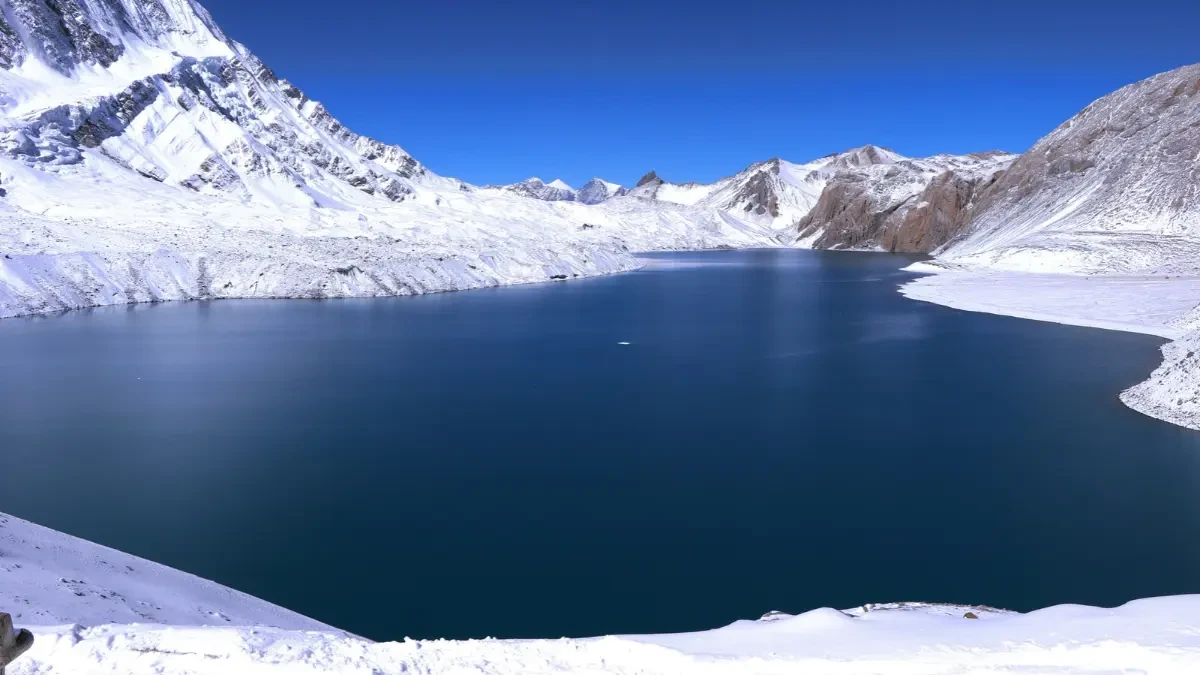
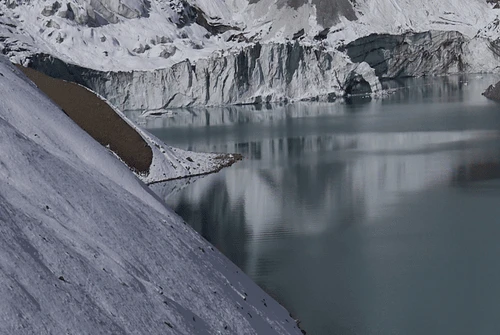
High in the Manang district of Nepal sits Tilicho Lake, a stunning turquoise glacial lake resting at 4,919 meters (16,138 feet) above sea level. Surrounded by towering snow-covered peaks, this trek takes you from green river valleys into a dramatic, high-altitude desert.
You get a real high-altitude Himalayan experience without having to cross any grueling high passes. If Tilicho Lake is on your list, here’s what the trip actually looks like and how to plan for it.
Quick Facts: Tilicho Lake Trek at a Glance
- Maximum Altitude: 4,919 meters / 16,138 feet (Tilicho Lake)
- Region: Annapurna Conservation Area (Manang District), Nepal
- Recommended Duration: 8 Days (Kathmandu to Kathmandu)
- Difficulty Level: Moderate to Challenging (non-technical)
- Accommodation: Local Teahouses & Mountain Lodges
- Best Seasons: Spring (March–May) and Autumn (September–November)
- Required Permits: ACAP & TIMS Card
Why Choose the Tilicho Lake Trek?
A lot of trekkers walk right past the turnoff for Tilicho, and they miss one of the best sights in Nepal. Here’s why making the detour is worth your time:
- Mirror-Like Turquoise Waters: Fed by glacial melt from Tilicho Peak (7,134m) and the Annapurna massif, the lake glows a surreal shade of blue on clear mornings.
- Rapidly Changing Landscapes: In just a few days, you walk through pine forests, past roaring waterfalls, and into dry, windswept Tibetan-style valleys.
- Rich Manangi & Tibetan Culture: You pass through ancient stone villages like Pisang, Braga, and Manang, lined with prayer flags, mani walls, and centuries-old monasteries.
- Sacred Significance: Both Hindus and Buddhists consider the lake holy.
Is Tilicho Lake the Highest Lake in the World?
You will often hear people call Tilicho the "highest lake in the world," which is a common myth.
At 4,919 meters, Tilicho is one of the highest large lakes in the world that you can easily reach on foot. While smaller volcanic crater lakes in the Andes (like Ojos del Salado) sit higher, few lakes on Earth match Tilicho's massive 4-kilometer length at nearly 5,000 meters.
A Realistic 8-Day Tilicho Lake Plan
The air gets thin up here, so taking your time isn't optional—it's how you stay safe. This eight-day plan focuses solely on getting you to Tilicho Lake and back to Kathmandu without rushing.
| Day | Route | Highest Point | Travel Time |
|---|---|---|---|
| Day 1 | Drive from Kathmandu to Chame (via Besisahar) | 2,710m | 9–10 hrs drive |
| Day 2 | Walk from Chame to Upper Pisang | 3,300m | 5–6 hrs walk |
| Day 3 | Walk from Pisang to Manang (via Ngawal & Braga) | 3,519m | 6–7 hrs walk |
| Day 4 | Rest Day in Manang (Short walk to Gangapurna Lake) | 3,519m | 3–4 hrs walk |
| Day 5 | Walk from Manang to Shree Kharka (via Khangsar) | 4,082m | 4–5 hrs walk |
| Day 6 | Walk from Shree Kharka to Tilicho Base Camp | 4,150m | 4–5 hrs walk |
| Day 7 | Walk to Tilicho Lake (4,919m) & back to Shree Kharka | 4,919m | 7–8 hrs walk |
| Day 8 | Walk to Manang (3 hrs) & Jeep drive back to Kathmandu | 1,400m | 3 hrs walk + 10 hrs drive |
Three Key Days to Keep in Mind
- Day 4 (Manang Rest Day): Don't skip this. Take an easy morning walk up to the Gangapurna Lake viewpoint so your body can adjust to the thin air before you climb any higher.
- Day 6 (The Loose Rock Trail): Between Shree Kharka and Base Camp, the trail cuts across a steep slope of loose gravel and dirt. Keep a steady pace, follow your guide's lead, and don't linger in the middle of the slide zone.
- Day 7 (Lake Morning): You’ll be up around 4:30 AM walking by headlamp. Getting to the lake early lets you see calm, glassy water before the strong afternoon winds roll in.
How Difficult Is the Tilicho Lake Trek?
The Tilicho Lake Trek is moderate to challenging. You do not need ropes, crampons, or technical climbing experience—if you can hike uphill for 5 to 7 hours a day, you can complete it.
However, three factors make it demanding:
- High Altitude: Above 4,000 meters, the air holds nearly half the oxygen found at sea level.
- Steep Final Climb: The push from Tilicho Base Camp (4,150m) to the lake (4,919m) gains nearly 800 meters over rocky switchbacks.
- Cold Mornings: Temperatures near the lake drop well below freezing, even in peak trekking months.
Tip for Beginners: Start doing cardio workouts (brisk walking, stair climbing, or jogging) 4 to 6 weeks before your trip. On the trail, walk slowly, drink 3 to 4 liters of water daily, and skip alcohol above 3,000 meters.
Best Time to Visit Tilicho Lake
- Autumn (Mid-September to November): The most popular and reliable season. Post-monsoon skies are crystal clear, trails are dry, and mountain views are sharp.
- Spring (March to May): Warmer daytime temperatures and blooming red and pink rhododendron forests in the lower valleys.
- Winter (December to February): Heavy snow often blocks the trail to Base Camp, and the lake freezes solid.
- Monsoon (June to August): Rain makes the landslide-prone section between Khangsar and Base Camp risky and slippery.
Permits & Costs You Need to Know
Every foreign trekker needs two official permits to enter the region:
- ACAP (Annapurna Conservation Area Permit): NPR 3,000 (approx. USD 23) for foreign nationals; NPR 1,000 for SAARC nationals.
- TIMS Card (Trekkers' Information Management System): NPR 1,000–2,000 (approx. USD 8–15) depending on whether you trek with a registered agency or independently.
Note: Bring your original passport, a valid Nepal visa, and 2–4 printed passport-sized photos. Your trekking agency can arrange both permits in Kathmandu before departure.
What to Pack for Tilicho Lake
Mountain weather shifts quickly. You might be in a t-shirt in Manang at noon and shivering in a heavy coat at the lake by morning. Packing layers you can add or strip off is the easiest way to stay comfortable:
- Clothes: Warm thermal base layers, a fleece sweater, a wind-and-rain jacket, and a thick puffy down coat.
- Shoes: Broken-in, waterproof hiking boots with solid ankle support, paired with thick wool socks.
- Useful Gear: Trekking poles (your knees will appreciate them on the way down), a headlamp, dark sunglasses, and a power bank since mountain lodges charge extra to plug in your phone.
- Health Basics: Reusable water bottles, water purification tablets, high-SPF sunscreen, lip balm, and basic altitude medication—just check with your doctor before your trip.
Plan Your Tilicho Lake Adventure with All Nepal Hiking
Navigating high-altitude trails, landslide zones, and remote teahouses is much safer and smoother with an experienced local team by your side.
Based in Thamel, Kathmandu since 2013, All Nepal Hiking is a government-licensed, TAAN-affiliated trekking operator led by certified local guides with over 25 years of Himalayan experience. Whether you want a private customized itinerary or a small-group trek, our team handles your permits, mountain transport, and cozy teahouse stays so you can focus purely on the trail.
Ready to explore more of the Annapurna region? Check out our Annapurna Base Camp Trek or the scenic Mardi Himal Trek for shorter Himalayan views.
Frequently Asked Questions (FAQs)
1. Can beginners do the Tilicho Lake Trek?
Yes. As long as you're healthy and put in a little walking practice beforehand, it's doable. Just stick to a gradual schedule, take your rest day in Manang, and go with a licensed guide.
2. Can I sleep at Tilicho Lake?
No—there aren't any lodges or facilities right at the lake (4,919m). You'll stay overnight at Tilicho Base Camp (4,150m) and hike up to the lake early the next morning.
3. Can you swim in Tilicho Lake?
No. Swimming is strictly discouraged because the lake is sacred to both Hindus and Buddhists, and the near-freezing glacial water poses a severe hypothermia risk at high altitude.
4. Is there Wi-Fi and phone charging on the trail?
Lodges in Chame, Pisang, and Manang have Wi-Fi and charging stations in the dining rooms for a small fee. Once you pass Khangsar, phone signals and power get pretty scarce, so definitely bring a power bank.