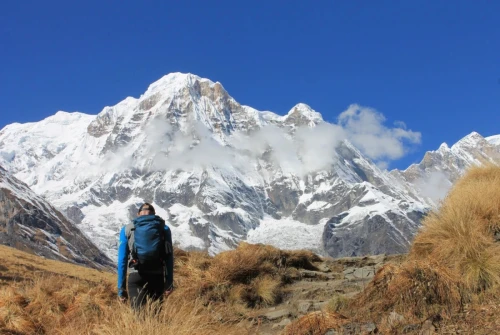
Mount Everest Expedition at a Glance
Before diving into the detailed cost breakdown, here’s a quick overview of what a typical Mount Everest Expedition looks like:
Category | Details |
Destination | Mount Everest (8,848.86 m) The Highest Peak in the World |
Location | Nepal (South Side) / Tibet (North Side) |
Duration | 60 to 70 Days (Including acclimatization and summit attempt) |
Standard Route | South Col Route via Nepal (Most Popular and Safer Option) |
Best Climbing Season | Spring (April–May) Ideal Weather and High Success Rate |
Total Cost Range (2025) | USD 35,000 – USD 70,000+ per person (depending on expedition type and services) |
The South Col Route from Nepal remains the most preferred and accessible way to climb Mount Everest. It offers better logistics, rescue support, and coordination compared to the northern route from Tibet.
Whether you’re a seasoned climber or an aspiring adventurer, understanding these basic details helps you plan the Everest Expedition efficiently and choose the right operator for a safe and successful climb.
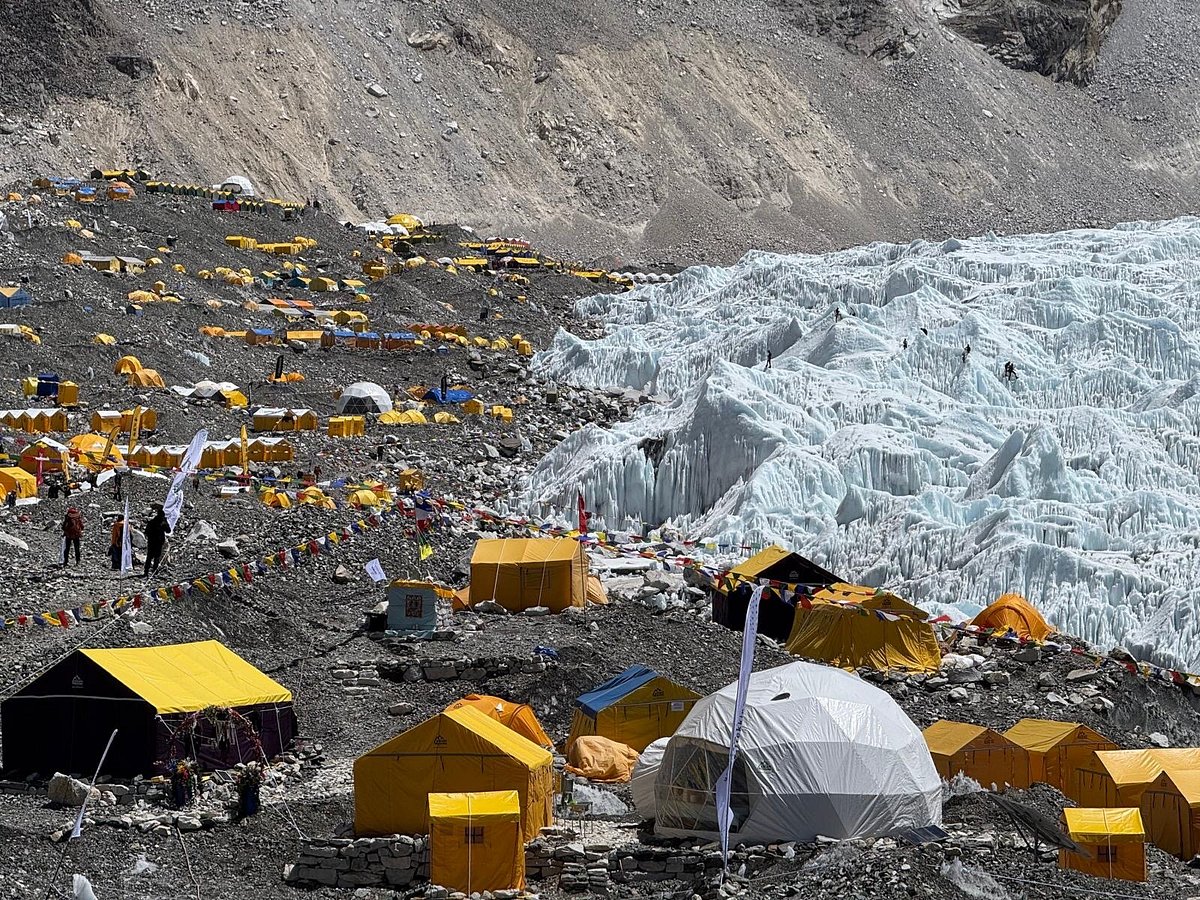
Mount Everest Location and Route Overview
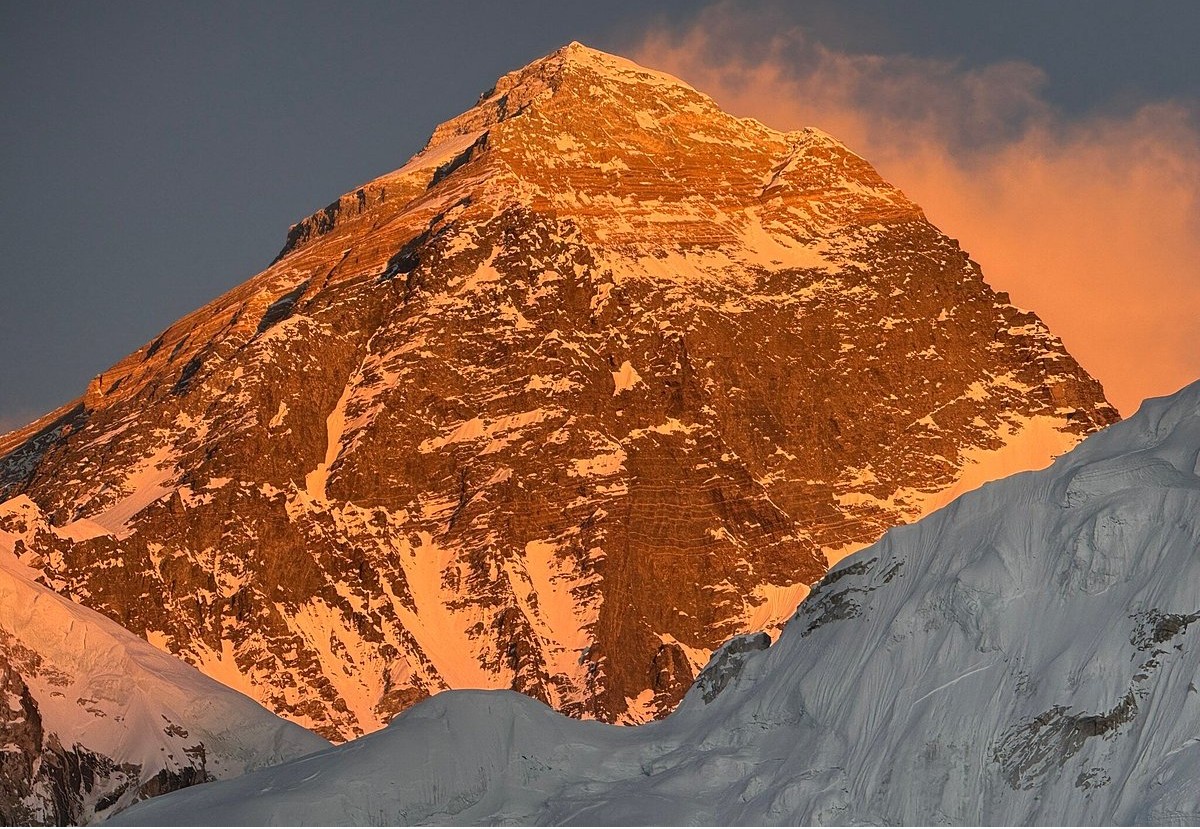
Mount Everest, known as Sagarmatha in Nepal and Chomolungma in Tibet (China), is located in the Mahalangur Himal sub-range of the Himalayas. It sits on the Nepal–Tibet border and offers two main climbing routes:
South Col Route (Nepal Side)
The South Col Route is the most popular and frequently used route to the summit.
The journey begins with a flight from Kathmandu to Domestic airport Lukla, followed by the Everest Base Camp Trek through Namche Bazaar, Tengboche, Dingboche, and Gorakshep.
From Everest Base Camp (5,364 m), climbers ascend through Camp I (6,065 m), Camp II (6,500 m), Camp III (7,200 m), and Camp IV (7,950 m at the South Col) before the final push to the summit at 8,848.86 meters.
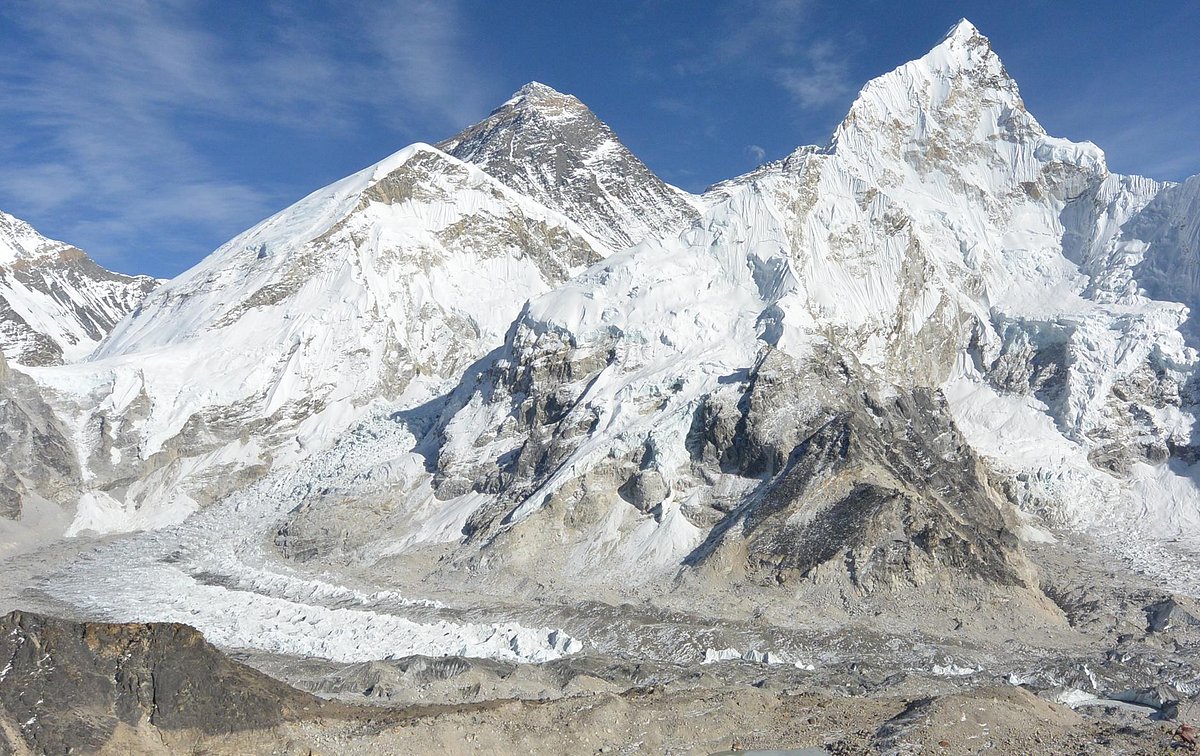
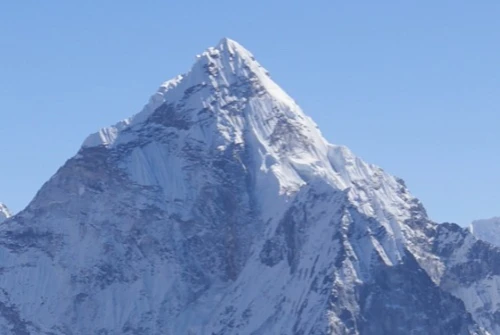
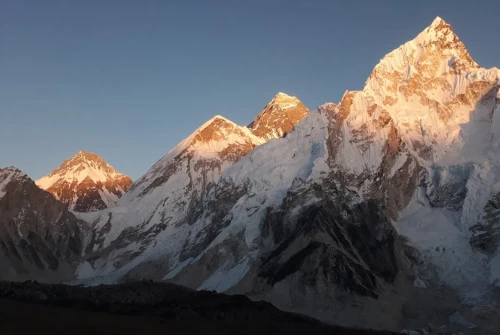
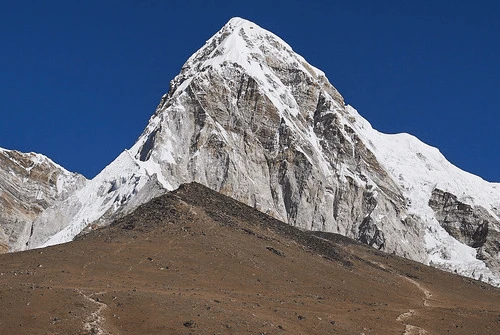
This route offers breathtaking views of Lhotse, Nuptse, Ama Dablam, and Pumori, along with rich exposure to Sherpa culture in the Khumbu region.
The Nepal side is more accessible, with better logistics, rescue facilities, and high-altitude support.
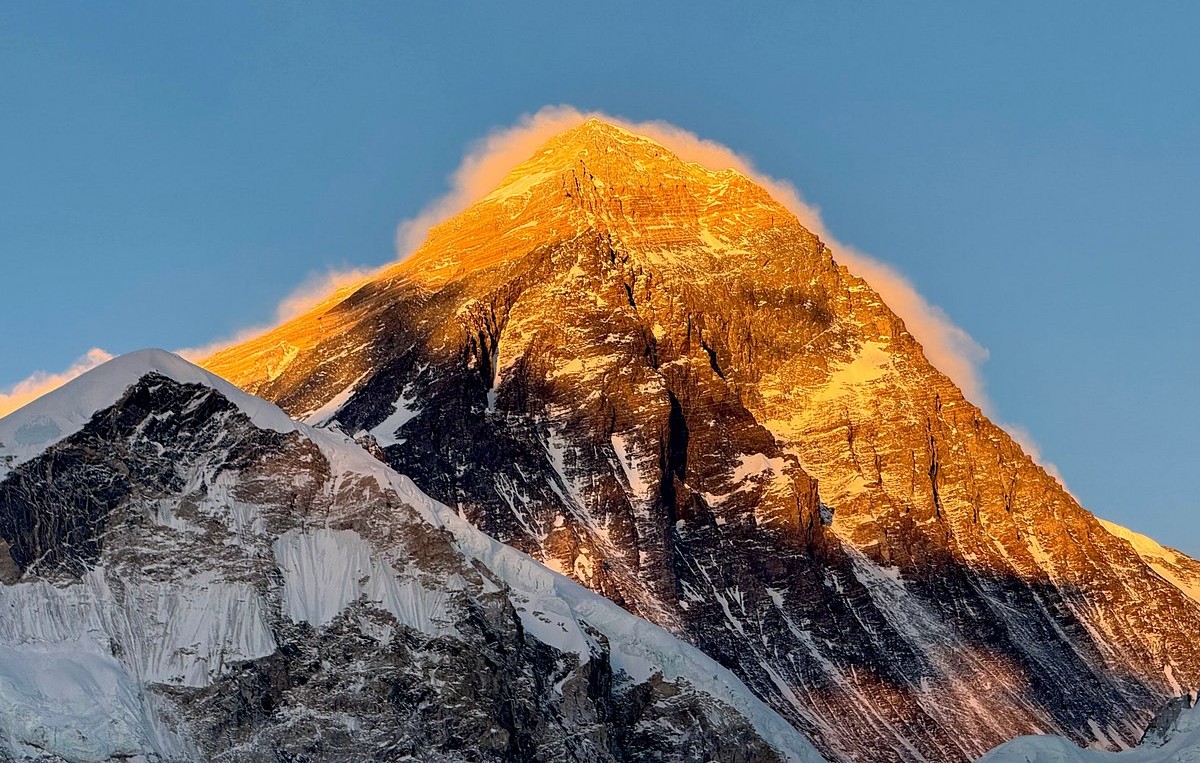
North Ridge Route (Tibet Side)
The North Ridge Route starts with a drive from Lhasa to Everest Base Camp (5,150 m).
Climbers proceed through Advanced Base Camp (6,400 m) and three additional camps before attempting the summit.
This route is less crowded and technically stable in some sections but tends to be colder, windier, and subject to Chinese climbing regulations, making it less accessible.
Why Most Climbers Choose the Nepal Side
Most climbers prefer the Nepal side of Mount Everest for several key reasons:
Easier Access via Kathmandu: Convenient international flights and domestic connections make reaching the trailhead simpler.
Better Infrastructure and Experienced Sherpa Support: Well-established lodges, teahouses, and professional Sherpa teams ensure safety and smooth logistics.
Transparent and Flexible Permit Process: The Nepalese government provides a clear and straightforward permit system for climbers.
Higher Success Rates for Summit Attempts: Support, acclimatization options, and well-fixed routes contribute to better chances of reaching the summit.
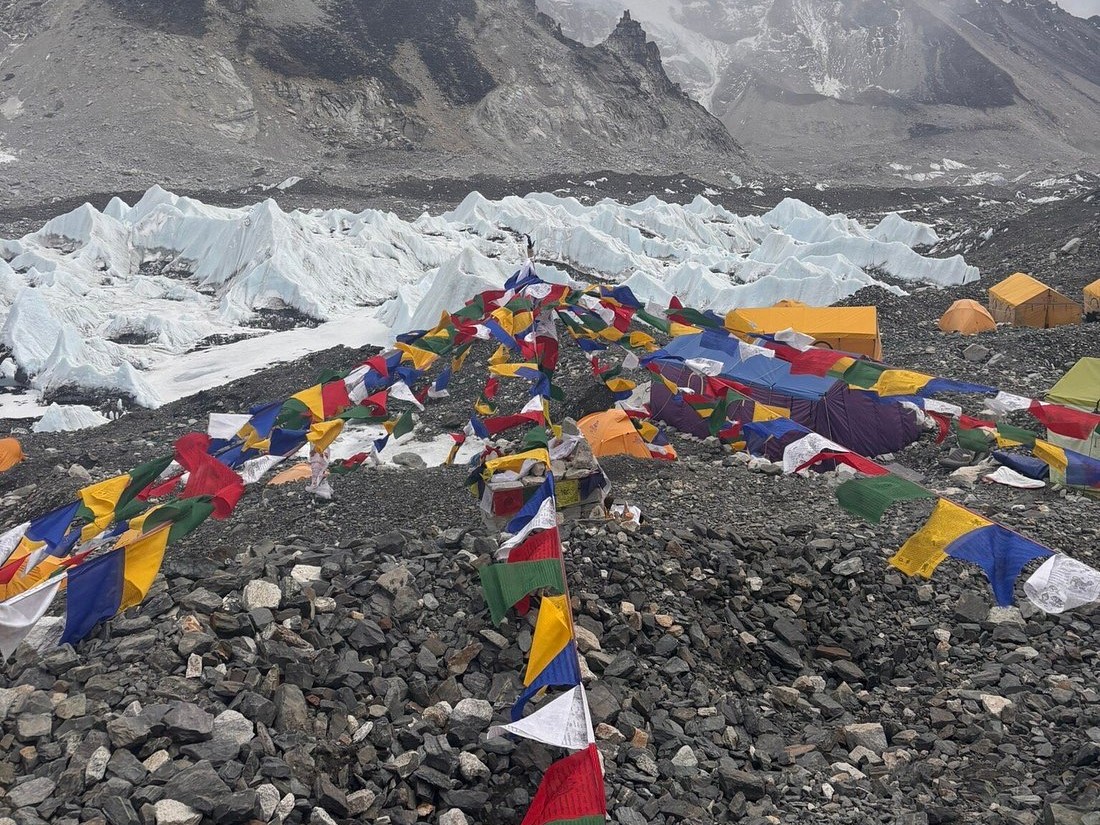
Know the Factors Affecting the Cost of Mount Everest Climbing
Climbing Mount Everest, the world’s highest peak at 8,848.86 meters (29,031 feet), is not just a test of physical endurance but also of financial commitment.
The total Mount Everest Expedition cost in 2026/2027 can range between Minimum USD 35,000 and USD 100,000 or more. This variation depends on multiple factors including the level of support, type of expedition, route (Nepal or Tibet side), and the additional services you choose.
Let’s explore all the key cost components that determine how much you’ll spend on your Everest climb.
Mount Everest Climbing Permit Fees
Obtaining an official climbing permit is one of the largest expenses in the Everest expedition cost. Permit fees are set by the respective governments and are mandatory for all climbers attempting the summit.
Nepal Side (South Col Route)
Climbing Mount Everest from the Nepal side requires a permit issued by the Nepalese government.
Cost: USD 15,000 per person
Route: South Col, the most popular and widely used path
Notes: This fee is non-negotiable and covers access to the mountain, management of base camp facilities, and environmental regulation.
The high permit fee ensures that only serious climbers attempt Everest, helping to reduce congestion and preserve the fragile Himalayan environment.
Tibet Side (North Ridge Route)
Expeditions from the Tibet side are managed by the China Tibet Mountaineering Association (CTMA).
Cost: USD 8,000–10,000 per person
Route: North Ridge, starting from the Tibetan Base Camp
Notes: This fee covers access to the mountain, permits, and government supervision. Additional expenses for a liaison officer or guide support may apply depending on the operator.
Travel and Logistics Costs for Mount Everest Expedition
Planning your Everest expedition involves significant travel and logistical expenses. These costs include international flights, domestic transfers, visas, and permits. Here’s a detailed breakdown:
International Flights to Nepal
Flights to Kathmandu, Nepal typically range from USD 1,000 to 2,500 per person, depending on your departure location and travel season.Booking early can often secure better rates, especially during the peak Everest climbing season (April–May).
Kathmandu to Lukla Flight
Most Everest expeditions start with a scenic flight from Kathmandu to Lukla, the gateway to the South Col Route.
Round-trip cost: USD 350–700 per person
Flights are weather-dependent, so it’s advisable to carry extra cash for potential delays or rescheduling.
Visas and Entry Fees
Nepal Visa: Around USD 100 for a 90-day multiple-entry visa. This is mandatory for all foreign climbers and trekkers.
Tibet Visa and Travel Permits: If climbing from the Tibet side (North Ridge Route), visas and permits cost between USD 200–400, depending on processing time and expedition duration.
These travel and logistics costs are an essential part of the total Everest expedition budget. Planning and booking early can help reduce expenses and ensure a smooth start to your climb.
Mountain Expedition Package Costs for Mount Everest
Choosing the right expedition package has a major impact on the total cost of climbing Everest. Packages vary depending on the level of support, logistics, and safety services.
Guided Expeditions
Fully guided expeditions are ideal for climbers seeking maximum safety, support, and a higher chance of summiting. The cost ranges from USD 35,000 to USD 100,000 per person.
These packages include experienced guides and Sherpa support, high-quality tents, meals, and supplemental oxygen systems, as well as comprehensive Base Camp and high-altitude logistics.
Medical support and emergency rescue services are also provided. Guided expeditions are the most popular choice for first-time Everest climbers due to their safety and well-organized planning.
Unguided Expeditions
Unguided expeditions are suitable for highly experienced climbers who can manage their own logistics. The cost ranges from USD 20,000 to USD 40,000 per person.
This option is only recommended for climbers with prior experience on 8,000m+ peaks. Climbers are responsible for their own oxygen, camping arrangements, and safety planning. Although unguided expeditions are less expensive, they carry higher risks and require advanced mountaineering skills.
Climbing Equipment and Gear Costs
High-quality climbing gear is essential for safety, warmth, and performance in extreme high-altitude conditions.
- Personal Clothing and Gear: Essential personal clothing includes a down suit, high-altitude boots, gloves, goggles, and thermal layers. The estimated cost for these items ranges from USD 5,000 to 10,000 per climber.
- Technical Climbing Equipment: Technical gear required for Everest includes a harness, crampons, ice axe, helmet, and carabiners. The estimated cost for this equipment is USD 1,000 to 3,000.
- Camping Equipment: High-altitude camping requires tents suitable for extreme weather, sleeping bags rated for -40°C, mats, and portable stoves. These items typically cost USD 2,000 to 4,000 per climber.
Tip: Renting high-quality gear in Kathmandu or through your expedition company can significantly reduce costs without compromising safety.
Oxygen and Support Systems
Supplemental oxygen is a critical component of high-altitude climbing on Mount Everest, essential for both performance and survival.
- Oxygen Cylinders: Each climber typically requires 5 to 7 oxygen cylinders during the ascent, costing approximately USD 3,000 to 4,200.
- Oxygen Masks and Regulators: High-altitude masks and regulators are necessary for using supplemental oxygen safely and cost around USD 500 to 1,000.
- Backup Oxygen and Logistics: Additional backup oxygen and associated logistics, including transport and storage, can add another USD 500 to 800.
Tip: Ensure your oxygen supply and equipment are high-quality and properly tested, as they are crucial for a safe and successful Everest summit.
Food and Supplies During the Climb
Proper nutrition is essential for maintaining energy and strength during a high-altitude Everest expedition.
- Base Camp Meals: Meals at Base Camp and higher camps typically cost between USD 1,000 and 2,000, depending on the quality and variety of food provided by your expedition.
- Snacks and Supplements: Many climbers carry personal energy bars, dry fruits, and dietary supplements, which can add an additional USD 500 to 1,000 to the total cost.
Tip: Packing some high-energy snacks and personal favorites can help maintain energy levels during long summit pushes while keeping costs reasonable.
Everest Climbing Insurance Costs
Insurance is mandatory for all Mount Everest climbers to ensure safety and coverage in case of emergencies.
- Travel Insurance: Basic travel insurance typically costs between USD 200 and 500. It covers trip delays, cancellations, and loss of baggage.
- Medical and Evacuation Insurance: High-altitude medical insurance is crucial for climbers, covering altitude sickness, hospitalization, and emergency helicopter evacuations. This type of insurance usually costs between USD 600 and 1,500.
Tip: Always choose comprehensive high-altitude insurance that specifically includes helicopter evacuation and medical emergencies, as these are vital for Everest expeditions.
Training and Preparation Costs
Proper training and acclimatization are essential before attempting Mount Everest to increase the chances of a safe and successful summit.
- Personal Training and Coaching: Many climbers invest in professional coaching and personalized fitness programs, costing between USD 1,000 and 3,000. These programs focus on endurance, strength, and high-altitude performance.
- High-Altitude Training Treks: To prepare the body for extreme conditions, climbers often undertake high-altitude treks on peaks such as Island Peak, Lobuche East, or Manaslu. These preparatory climbs typically cost between USD 2,000 and 5,000.
Tip: Combining personal training with preparatory high-altitude climbs significantly improves acclimatization and reduces the risk of altitude sickness during the Everest expedition.
Miscellaneous and Tipping Expenses
- Tipping Sherpas and Support Staff: It is customary to tip your Sherpa team and support staff for their dedication and hard work. Tips typically range from USD 1,000 to 2,000, depending on the size of your team and the level of service provided.
- Souvenirs, Communication, and Other Extras: Additional expenses for souvenirs, satellite phone usage, internet, and other personal items usually range between USD 500 and 1,000.
Tip: Tipping is a respected tradition in the Himalayas and a meaningful way to show gratitude to the Sherpas, who risk their lives to ensure your safety and success on Everest.
How Much Does It Cost to Climb Mount Everest?
The average cost of the Everest Expedition from the Nepal side ranges between USD 38,000 to USD 70,000 per climber.
Here’s the breakdown:
Expense Category | Estimated Cost (USD) | Details |
Everest Climbing Permit | 15,000 | Per person, issued by Nepal Government |
Sagarmatha National Park Fee | 20 | Entry fee for the protected area |
Khumbu Pasang Lhamu Fee | 20 | Local permit for Khumbu region |
Lukla Flight (Round Trip) | 450 – 500 | Kathmandu–Lukla round flight |
Climbing Sherpa Support | 6,000 – 8,000+ | Includes wages, insurance, food, and gear |
Base Camp Logistics | 5,000 – 8,000 | Tents, meals, communication, kitchen staff |
Oxygen Cylinders & Regulators | 3,000 – 5,000 | 4–6 cylinders per climber |
Climbing Equipment & Gear | 4,000 – 7,000 | Personal and technical climbing gear |
Food & Accommodation (Kathmandu + Trek) | 1,000 – 2,000 | Hotels, meals, and tea house lodging |
Insurance & Medical Evacuation | 500 – 1,000 | Comprehensive travel and rescue insurance |
Expedition Royalty, Liaison Officer, Logistics | 2,000 – 3,000 | Mandatory costs and staff expenses |
Total Everest Expedition Cost 2026: $38,000 – $70,000+ per person
Everest Expedition Permit Cost Nepal Side
One of the largest expenses for an Everest expedition is the official climbing permit issued by the Nepal Government. This permit is mandatory for anyone attempting the summit from the South Col route.
Additional Mandatory Fees:
Liaison Officer Support: USD 2,000–3,000 per team. A liaison officer ensures coordination, safety, and compliance with government regulations.
Garbage Management Deposit: USD 4,000, refundable if climbers follow proper waste management procedures to protect Everest’s fragile environment.
Tip: When planning your Mount Everest expedition, always include permit fees, liaison officer charges, and garbage deposit in your budget. These costs are essential for safety, environmental conservation, and legal compliance.
North (Tibet) Side Everest Expedition Cost
Climbing Mount Everest from the Tibet (China) side is generally slightly cheaper than the Nepal route, with costs averaging USD 30,000–45,000. However, climbers should be aware that expeditions from Tibet involve more bureaucratic procedures, strict regulations, and permits.
Note: Due to current political and COVID-related restrictions, access to Tibet expeditions may be limited or require additional approvals.
Additional Costs to Consider:
Personal Gear Upgrades: USD 2,000–4,000 for high-quality clothing and climbing equipment.
Training & Fitness Preparation: USD 500–1,000 for pre-Everest conditioning and coaching.
Visa & International Flights to Nepal: USD 1,000–1,500 depending on your origin.
Tipping & Gratuities for Sherpa Team: USD 500–1,000 to reward support staff.
Post-Expedition Activities in Kathmandu: USD 300–500 for sightseeing, rest, and recovery.
Tip: Budgeting for a Tibet-side Everest climb should include permit fees, personal gear, training, flights, and tipping to ensure a smooth and safe expedition.
Cost Breakdown by Type of Everest Expedition
Standard Everest Expedition
A standard Everest expedition typically costs between USD 35,000 and 45,000. This package includes climbing permits, domestic flights, Base Camp logistics, Sherpa guide support, meals, and accommodation. It is ideal for experienced climbers who prefer a group expedition with shared services.
Full-Service Everest Expedition
Full-service Everest expeditions cost between USD 50,000 and 65,000. These packages cover everything from Kathmandu to the summit, including high-quality tents, private Sherpa support, extra oxygen, high-altitude food, and medical assistance. They are perfect for climbers seeking maximum safety and comfort.
Luxury Everest Expedition
Luxury Everest expeditions range from USD 70,000 to 100,000+. These premium packages include helicopter transfers, personalized Base Camp setups, heated tents, satellite communication, personal Sherpa, and gourmet meals. They are designed for climbers looking for a high-end, fully supported Everest experience.
Best Season to Climb Mount Everest
The ideal time to climb Mount Everest is during the Spring Season (April to May), when weather conditions are most favorable for a safe and successful summit. During this period:
Stable Weather and Snow Conditions: Spring offers clear skies and more predictable weather, reducing the risk of avalanches and storms.
Well-Prepared Routes: Fixed ropes and established paths make navigation easier and safer.
High Success Rates: Most climbers achieve summits in spring due to optimal conditions and proper acclimatization windows.
The Autumn Season (September to October) is a secondary option. While the weather can be relatively clear, it is less popular due to unstable snow and higher wind speeds, making the climb more challenging.
Pro Tip: If you want the best chance for a successful Everest expedition, plan your climb in spring. Autumn climbs are recommended only for experienced mountaineers who can handle variable conditions.
Tips for Budgeting and Planning Your Everest Expedition
Climbing Mount Everest is a once-in-a-lifetime adventure, and careful budget planning can make your expedition smoother, safer, and more enjoyable. Here are key tips to help you manage your Everest Expedition cost effectively:
Compare Expedition Packages Carefully
Everest expedition costs vary widely between companies. Compare what each package includes such as Sherpa support, oxygen bottles, base camp services, and accommodations. Choose a trusted and experienced operator that offers the best value for your money, not just the lowest price.
Book Early for Better Rates
Advance booking ensures your spot on the expedition and often comes with discounted rates. It also allows the company to arrange logistics, permits, and accommodations efficiently, especially during the peak climbing season (April–May).
Check Equipment Coverage
Some packages include basic climbing gear, tents, or oxygen systems, while others require you to bring or rent your own. Clarify these details to avoid unexpected expenses during your climb.
Rent High-Quality Gear Instead of Buying
Renting professional-grade climbing gear is cost-effective if you don’t plan future high-altitude climbs. If purchasing, compare prices in Kathmandu and ensure your gear meets all safety standards.
Set Aside a Personal Expense Budget
Keep extra cash for snacks, phone/internet use, souvenirs, or unforeseen costs at Base Camp. A small buffer ensures you’re never caught off guard during the expedition.
Get Comprehensive Insurance Coverage
Invest in travel and high-altitude mountaineering insurance, including helicopter evacuation. This can save thousands in emergencies and is one of the most vital investments for your safety.
Pro Tip: The overall Everest Expedition cost ranges between USD 35,000 to 70,000+, depending on your choice of operator, route, and level of comfort. Smart planning, preparation, and cost comparison make your Everest dream both achievable and safe.
Why Is Climbing Mount Everest So Expensive?
Mount Everest, standing tall at 8,848.86 meters (29,031 feet), is part of the Mahalangur Himal range on the Nepal-Tibet (China) border. The southern route via Lukla, Nepal, is the most popular and widely used path for climbers.
Climbing Everest is a lifetime achievement, but it comes at a high price. The Everest expedition cost starts around USD 35,500 per climber and can exceed USD 100,000, depending on your choice of expedition type, support level, and luxury services.
High Government Permit Fees
A major portion of the cost comes from government climbing permits. As of 2025:
Nepal Everest Permit Fee: USD 15,000 per climber (up from USD 11,000)
These fees help manage environmental protection, waste removal, trail maintenance, and traffic control, ensuring only serious and well-prepared climbers attempt the ascent.
Complex Logistics and Long Duration
Everest expeditions last 6–8 weeks, requiring meticulous logistics.
Transporting gear, tents, food, and oxygen cylinders across icy, steep terrain involves porters, yaks, and helicopters.
Coordinating Base Camp to summit logistics is complex, time-consuming, and expensive.
Expensive Equipment and Gear
Climbers need high-quality mountaineering gear capable of withstanding temperatures as low as -40°C:
Personal clothing & gear: down suits, insulated boots, gloves, hats
Technical equipment: crampons, ice axes, harnesses, helmets
Supplemental oxygen systems: bottles, masks, and regulators (~USD 4,000–5,000 per climber)
Sherpa Support and Safety
Sherpas are essential for a successful climb:
Carry loads, fix ropes, set up camps, and guide climbers through Khumbu Icefall and Hillary Step.
Hiring experienced Sherpas costs USD 4,000–7,000 per season, depending on experience and summit bonuses.
Their expertise ensures climbers’ safety and supports local livelihoods.
Communication, Weather, and Rescue Arrangements
Safety requires reliable satellite communication, weather monitoring, and emergency preparedness:
Expeditions invest in high-altitude doctors, medical staff, and helicopter evacuation services.
While costly, these measures are essential for survival in one of the harshest environments on Earth.
Environmental and Local Impact
Your Everest expedition fee also contributes to:
Climbing Everest is not just reaching the summit it’s about preparation, safety, teamwork, and respect for the mountain.Every dollar spent supports logistics, Sherpas, safety measures, and sustainability, making the Everest expedition a worthy investment for those daring to stand on top of the world.
Frequently Asked Questions (FAQ) For Climbing Mount Everest
How much does it cost to climb Mount Everest in 2026-2027?
The average cost to climb Mount Everest in Spring 2026 is around USD 45,000, with prices ranging from USD 35,000 for basic packages to over USD 100,000 for luxury or Flash-style expeditions. The total depends on the operator, service level, and route.
Why is climbing Mount Everest so expensive?
The high cost comes from the USD 15,000 permit fee, plus expenses for logistics, oxygen, Sherpa wages, food, insurance, and safety systems. The climb takes 6–8 weeks, requiring massive preparation, manpower, and equipment.
Where is Mount Everest located?
Mount Everest lies in the Mahalangur Himal sub-range of the Himalayas, straddling the border between Nepal and Tibet (China). Most climbers attempt the South Col Route via Nepal, starting from Lukla and trekking to Everest Base Camp.
What is included in the Everest climbing permit?
The USD 15,000 permit (Nepal side) covers access to the mountain but requires:
USD 2,500 for a registered Nepali operator (mandatory by law)
USD 4,000 refundable garbage deposit
USD 3,000 liaison officer fee
Are Sherpa-guided expeditions cheaper than Western-guided ones?
Yes. Sherpa-led expeditions cost about USD 39,000–45,000, while Western-guided expeditions range between USD 70,000–100,000+ due to certified guides, higher logistics standards, and added services.
What is a Flash expedition, and why is it more expensive?
A Flash Everest expedition shortens acclimatization time using pre-acclimatization systems, extra oxygen, and advanced logistics, reducing the climb to 30–35 days. It costs USD 100,000–130,000+ due to premium services and technology.
How long does an Everest expedition take?
Typically, 60–70 days from arrival in Kathmandu to the summit and back. This includes trekking, acclimatization, rest days, and summit attempts.
What is the best season to climb Everest?
The best time to climb Mount Everest is Spring (April–May). This period offers the most stable weather, low winds, and clear visibility for summit attempts. Autumn climbs are rare due to unpredictable conditions.
Do climbers need travel and evacuation insurance?
Absolutely yes. High-altitude insurance is mandatory for all climbers. It must cover helicopter evacuation, medical emergencies, trip cancellation, and lost gear, costing USD 600–1,500 depending on coverage.
How much do Sherpas earn for guiding Everest climbers?
Experienced Sherpas earn between USD 4,000–7,000 per season, plus summit bonuses that can reach USD 1,000–2,000 per client. This pay reflects their vital role and the risks they undertake.
What gear and equipment are required for Everest?
Climbers need specialized mountaineering gear down suits, high-altitude boots, gloves, helmets, ice axes, and oxygen systems. Expect to spend USD 8,000–12,000 for all required personal equipment.
Can weather affect the cost of the Everest climb?
Yes. Delays due to bad weather can lead to extra expenses for food, accommodation, or flight changes (especially Lukla flights). Budget an extra USD 1,000–2,000 for unforeseen delays.
Can exchange rates affect Everest expedition prices?
Yes. Since operators price trips in USD, EUR, or NPR, changes in exchange rates can make trips slightly cheaper or more expensive in dollar terms, especially for European or Chinese operators.
What are the hidden or additional costs not included in the package?
Additional costs may include:
Personal gear rentals or purchases
Tips for Sherpas and guides (USD 1,000–2,000)
Visa fees, snacks, drinks, and Wi-Fi at Base Camp
Extra hotel nights before or after the expedition
Is it possible to climb Everest on a lower budget safely?
Yes but it requires smart planning. Choose a reputable Nepali operator like All Nepal Hiking that offers affordable, Sherpa-led expeditions with reliable logistics and safety records.
Avoid ultra-cheap packages that may cut corners on oxygen, insurance, or experienced guides safety should always come first.
Final Thoughts: Investing in Your Everest Summit
Climbing Mount Everest is a monumental achievement both physically and financially. While the Everest Expedition cost for the 2026/2027 season is a significant investment, the experience of standing atop the highest point on Earth is truly beyond value.
Success on the world's ceiling requires more than just a budget; it demands the right Sherpa guide support, meticulous preparation, and a commitment to safety. From the mandatory Nepal Everest permit fee to high-altitude logistics and oxygen systems, every dollar spent ensures you are equipped for the extremes. By partnering with a trusted local operator like All Nepal Hiking, you ensure that your financial investment translates into a world-class support system, making your dream of the Mount Everest summit a safe, successful, and unforgettable reality.
 based on 270 reviews


.webp)