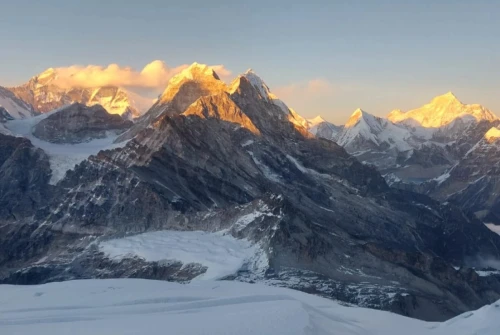
What is a Restricted Area Trekking Permit (RAP) in Nepal?
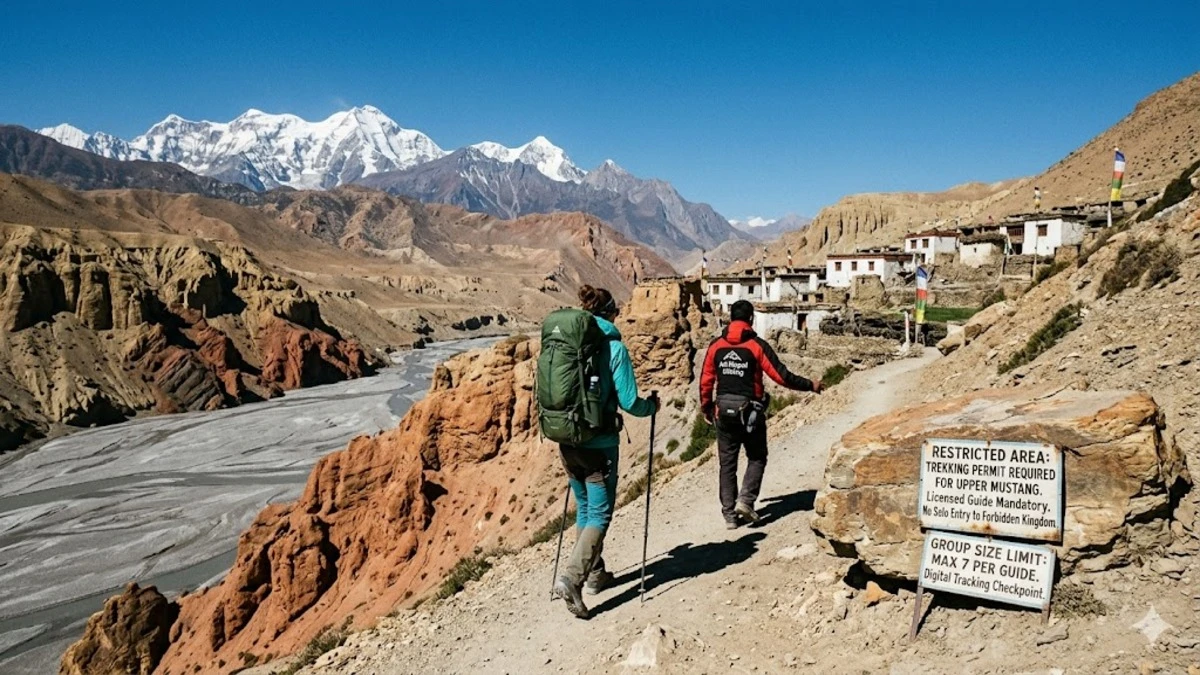
A Restricted Area Trekking Permit (RAP) is a special trekking permit in Nepal required for certain remote and restricted trekking regions. These regions are designated as restricted because they are:
Culturally sensitive – home to unique Tibetan-influenced villages, monasteries, and ancient traditions
Environmentally fragile – protected Himalayan ecosystems and endangered wildlife
Geographically remote – challenging high-altitude trekking trails with limited access
The Government of Nepal enforces RAP regulations to preserve local culture, protect the environment, ensure trekker safety, and control the impact of tourism.
A Restricted Area Trekking Permit is mandatory for trekking in high-profile restricted trekking areas of Nepal, including:
Whether you’re planning a solo trek in Nepal, a guided trek in restricted areas, or an adventure trek in the Himalayas, understanding and obtaining a RAP permit is crucial for safe, legal, and hassle-free trekking in these restricted regions.
Key Changes in the Restricted Area Trekking Permit (RAP) Policy 2026 Update
The Government of Nepal has introduced significant changes to the Restricted Area Trekking Permit (RAP) policy, making restricted area trekking in Nepal more accessible, safe, and streamlined. These updates are particularly important for trekkers planning Upper Mustang, Manaslu, Tsum Valley, Upper Dolpo, and Nar Phu Valley treks in 2026 and beyond.
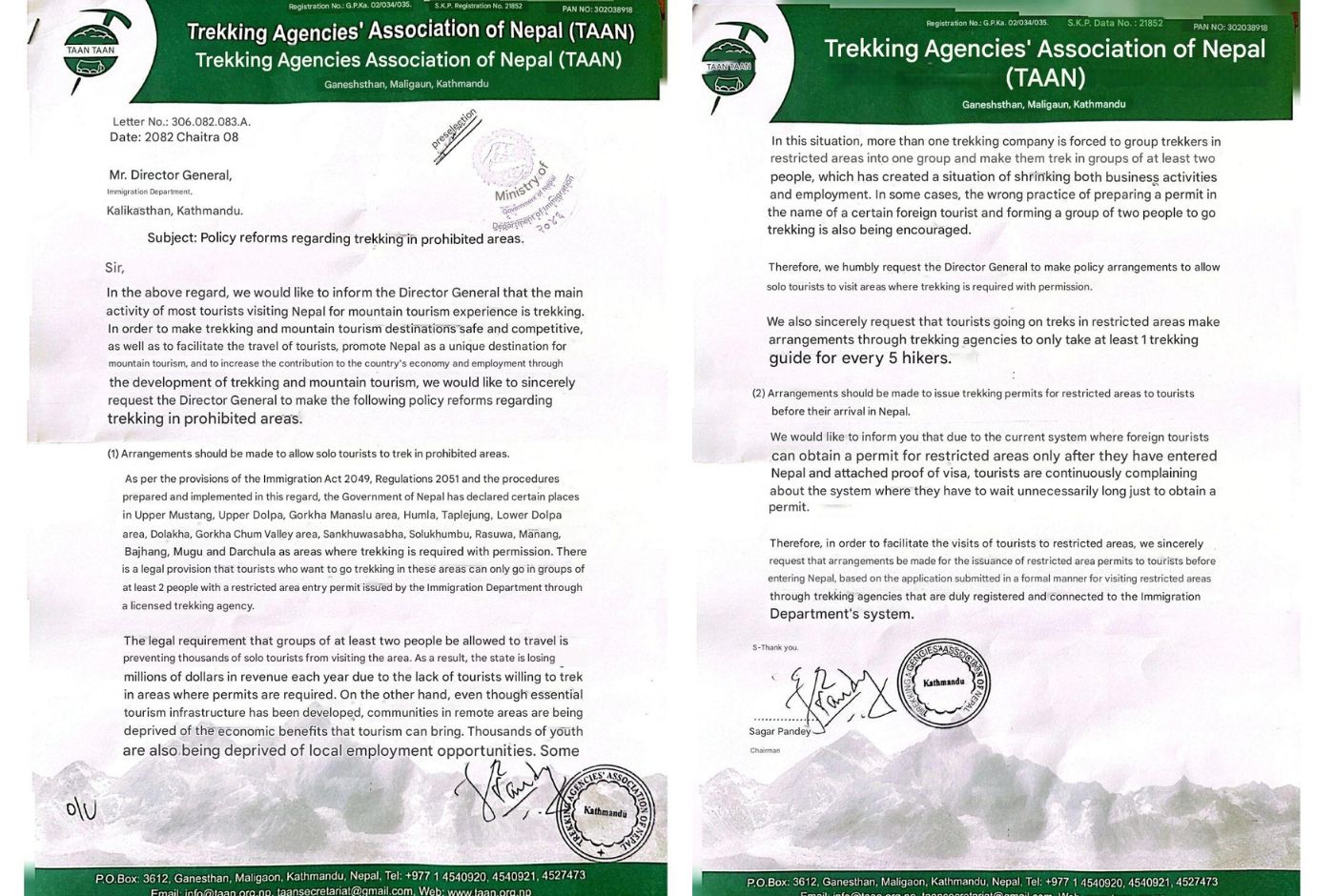
The Big Change: Solo Trekkers Now Welcome
Historically, Restricted Area Permits were only issued to groups of at least two foreign trekkers. As of March 2026, this rule has been officially revised.
Solo Permits: Individual foreign travelers can now obtain RAPs for restricted regions.
The Proviso: You still cannot trek entirely alone. While you don't need a second trekking partner, you are legally required to hire a licensed trekking guide and book through a registered trekking agency.
Agency Responsibility: The trekking agency must take full responsibility for your logistics and emergency rescue operations.
Updated Group Size Limits
In a move to ensure better safety and environmental monitoring, the Department of Immigration has introduced a new cap on group sizes:
Maximum Group Size: One trekking guide can now lead a maximum of 7 trekkers per permit.
Why? This ensures that guides can effectively supervise their clients in remote, high-altitude terrain where infrastructure is scarce.
Mandatory Guide Rule & Digital Tracking
The No Guide, No Trek policy that began in 2023 is now strictly enforced across nearly 95% of Nepal's trekking routes.
Enforcement: Checkpoints now use digital QR scanners to verify guide credentials and permit authenticity.
Penalties: Trekkers found without a licensed guide face immediate fines (starting at NPR 12,000), permit confiscation, and being escorted off the trail.
TIMS Update: The physical TIMS card is being phased out in many regions (like Everest and Annapurna) in favor of local municipality fees and digital tracking, though some agencies still process it as a formality.
Old vs New RAP Rules
Topic | Old Rule | New Rule (2026) |
Minimum Trekkers | At least 2 foreign trekkers required | Solo trekking allowed via registered agency |
Guide Ratio | Not strictly regulated | Maximum 7 trekkers per licensed guide |
Application Process | Only in Nepal | Online application available globally |
List of Restricted Trekking Areas in Nepal
The 2026 RAP policy updates apply to all restricted trekking regions in Nepal. These areas are remote, culturally sensitive, and environmentally fragile, requiring a Restricted Area Trekking Permit (RAP) for all foreign trekkers.
Here’s a detailed list of restricted trekking and hiking areas in Nepal:
Upper Mustang – Also known as the Hidden Kingdom, Upper Mustang offers desert-like landscapes, ancient Tibetan culture, and remote Himalayan villages.
Manaslu Circuit – A less crowded alternative to Annapurna, the Manaslu Circuit Trek features stunning mountain views, high-altitude trails, and traditional villages.
Tsum Valley – A spiritual and untouched valley in northern Gorkha, Tsum Valley is famous for Buddhist monasteries, pristine forests, and Himalayan wildlife.
Upper Dolpo – One of the most remote trekking regions in Nepal, Upper Dolpo offers high-altitude adventure, Tibetan culture, and wild landscapes.
Nar Phu Valley – Hidden between Annapurna and Manaslu, Nar Phu Valley is remote, culturally rich, and ideal for experienced trekkers.
Humla (Simikot–Hilsa) – Located in northwestern Nepal, Humla is geographically isolated, offering high-altitude trekking, local Tibetan culture, and scenic Himalayan views.
Other Restricted Areas – Certain protected high-altitude regions may also require RAP permits, depending on the trekking route and local regulations.
Who Should Choose Restricted Area Treks in Nepal?
Nepal Restricted Area Treks are ideal for travelers seeking remote Himalayan adventure, cultural immersion, and off-the-beaten-path trekking experiences. These treks are perfect for:
Solo Travelers in Nepal – The 2026 RAP policy now allows solo trekking in restricted areas through a registered agency, making it easier for independent adventurers.
Adventure Seekers – Remote regions like Upper Mustang, Upper Dolpo, and Humla offer challenging high-altitude trails and rugged landscapes.
Cultural Explorers – Discover ancient Tibetan villages, monasteries, and traditional Himalayan lifestyles in restricted regions like Tsum Valley and Nar Phu.
Experienced Trekkers – Restricted area trekking requires high-altitude trekking experience, stamina, and careful planning.
Photographers & Filmmakers – Capture pristine Himalayan landscapes, unique Tibetan culture, and untouched valleys that few tourists experience.
Best Restricted Area Hiking in Nepal After the 2026 RAP Update
The 2026 RAP policy changes open up new opportunities for trekking in Nepal’s restricted Himalayan regions. Here are the best Routes to explore, offering adventure, culture, and remote landscapes:
Upper Mustang Trek
Explore the Hidden Kingdom of Upper Mustang with its desert-like landscapes and red sandstone cliffs.
Experience ancient Tibetan culture, traditional villages, and historic monasteries.
Ideal for cultural trekking, high-altitude adventure, and photography enthusiasts.
Manaslu Larkya Circuit Trek
A less crowded alternative to Annapurna, offering pristine trails and spectacular Himalayan views.
Trek through remote villages, lush valleys, and high mountain passes.
Perfect for adventure trekkers, experienced hikers, and cultural explorers.
Manaslu Tsum Valley Trek
A spiritual and untouched valley in northern Gorkha.
Known for its Buddhist monasteries, sacred caves, and remote villages.
Excellent for cultural immersion, off-the-beaten-path trekking, and photography.
Upper Dolpo Trek
One of Nepal’s most remote trekking regions, offering wild landscapes, high-altitude adventure, and Tibetan culture.
Trek through untouched valleys, high passes, and nomadic settlements.
Recommended for experienced trekkers seeking isolation and adventure.
Best Time for Restricted Area Trekking in Nepal
Choosing the right season is essential for a successful restricted area trek in Nepal. The weather, trail conditions, and scenic beauty vary throughout the year, so timing your trek can make a huge difference.
Spring, from March to May, is widely regarded as the best season for trekking in restricted areas like Upper Mustang, Manaslu, Tsum Valley, and Upper Dolpo. During this time, the weather is moderate and stable, with warm days and clear skies. The valleys and hills are alive with blooming rhododendrons and alpine flowers, creating breathtaking landscapes and ideal conditions for photography and high-altitude trekking.
Autumn, between September and November, is the most popular trekking season in Nepal. The skies are crisp and clear, offering spectacular visibility of Himalayan peaks. Trails are dry and accessible, making it the perfect season for adventure trekkers, solo travelers, and cultural explorers. This period is also excellent for experiencing the vibrant colors of Nepal’s landscapes and villages.
Winter, from December to February, is colder and less crowded, providing a unique opportunity to enjoy solitude and pristine Himalayan scenery. While temperatures are lower and trails may be snowy, experienced trekkers can enjoy peaceful trekking in regions like Upper Mustang and rain-shadow areas where weather conditions remain manageable.
The monsoon season, from June to August, brings heavy rainfall to most parts of Nepal, making trekking challenging. However, some rain-shadow regions such as Upper Mustang and Upper Dolpo remain accessible, offering lush green landscapes and flowing rivers. Trekkers during this season should be well-prepared for occasional heavy rain and slippery trails.
Understanding the best time for restricted area trekking in Nepal ensures safer journeys, better scenic experiences, and more enjoyable high-altitude adventure. Planning your trek according to the season can enhance your experience of remote Himalayan treks while minimizing risks.
Step-by-Step Guide: How to Get a Restricted Area Trekking Permit (RAP) in Nepal
Obtaining a Restricted Area Trekking Permit (RAP) is essential for trekking in Nepal’s restricted regions such as Upper Mustang, Manaslu, Tsum Valley, Upper Dolpo, and Nar Phu Valley. With All Nepal Hiking, the process becomes seamless and hassle-free. Here’s how it works:
Choose All Nepal Hiking, a Registered Trekking Agency in Nepal – All RAP applications must go through a licensed trekking agency. All Nepal Hiking ensures your trek is safe, legal, and guided by a certified trekking guide.
Apply for a Nepal Visa – Obtain your Visa Application Submission ID, which is required for your RAP permit application. All Nepal Hiking can assist with guidance to ensure all documents are correct.
Submit Required Documents to All Nepal Hiking – Provide your valid passport, passport-size photos, travel insurance, and visa submission ID to the agency. All Nepal Hiking will handle the online application process on your behalf.
All Nepal Hiking Applies for RAP Online – The agency submits your application through the official online RAP system, ensuring compliance with Nepal’s restricted area trekking regulations.
Confirm Licensed Guide and Trekking Itinerary – Each RAP requires a licensed trekking guide and a detailed trekking itinerary. All Nepal Hiking provides experienced guides and customized itineraries for each restricted area trek.
Receive Your RAP Permit – Once approved, you will receive the official Restricted Area Trekking Permit, allowing you to legally trek in Upper Mustang, Manaslu Circuit, Tsum Valley, Upper Dolpo, and Nar Phu Valley.
By choosing All Nepal Hiking, trekkers enjoy a smooth, safe, and fully legal trekking experience in Nepal’s remote Himalayan regions. Securing your RAP permit in advance ensures peace of mind and allows you to focus on your adventure trek in Nepal.
Required Documents for Restricted Area Trekking Permit (RAP) in Nepal
When planning a restricted area trek in Nepal with All Nepal Hiking, you need to prepare the following documents for your Restricted Area Trekking Permit (RAP):
Valid Passport – Must have at least 6 months validity from the date of entry.
Nepal Visa – Required for all foreign trekkers entering Nepal.
Visa Application Submission ID – Needed for the online RAP application.
Travel Insurance – Covering medical emergencies, high-altitude trekking, and helicopter evacuation.
Passport-Size Photos – Usually 2–3 photos, as required by the Nepal Tourism Board.
Tips from All Nepal Hiking: Submitting all documents to a registered trekking agency like All Nepal Hiking ensures a smooth and hassle-free RAP application, allowing you to focus on your adventure trekking experience in Upper Mustang, Manaslu, Tsum Valley, Upper Dolpo, or Nar Phu Valley.
Cost of Restricted Area Trekking Permits (RAP) in Nepal
Planning a restricted area trek in Nepal requires budgeting for the Restricted Area Trekking Permit (RAP). Costs vary depending on the trekking region, duration, and the season, with higher fees during peak trekking months (Spring: March–May, Autumn: September–November) and slightly lower charges in the off-season (Winter and Monsoon in accessible areas).
2026 Restricted Area Permit (RAP) Costs
Fees for restricted areas remain seasonal and are quoted in USD, though they must be paid in NPR through your agency.
Trekking Region | Season | Permit Fee (Initial Period) | Additional Days |
Upper Mustang | All Year | $500 (first 10 days) | $50 / day |
Upper Dolpo | All Year | $500 (first 10 days) | $50 / day |
Manaslu Circuit | Sept – Nov | $100 (first 7 days) | $15 / day |
Manaslu Circuit | Dec – Aug | $75 (first 7 days) | $10 / day |
Tsum Valley | Sept – Nov | $40 (first 7 days) | $7 / day |
Tsum Valley | Dec – Aug | $30 (first 7 days) | $7 / day |
Nar Phu Valley | Sept – Nov | $100 (first 7 days) | $15 / day |
Kanchenjunga | All Year | $20 / week | $25 / week |
Planning your RAP permit in advance with All Nepal Hiking saves time, ensures compliance with Nepal’s trekking regulations, and lets you focus on your adventure in the remote Himalayas.
Difficulty and Challenges of Restricted Area Trekking in Nepal
Trekking in Nepal’s restricted areas is an incredible adventure, but it comes with unique challenges and difficulties. These treks, including Upper Mustang, Manaslu Circuit, Tsum Valley, Upper Dolpo, and Nar Phu Valley, require careful planning, proper preparation, and an experienced guide.
The main challenges include remote locations where villages and medical facilities are sparse, making logistics and emergency response more complicated. Limited infrastructure along the trails means fewer lodges, teahouses, and supply points, so trekkers must be prepared for basic accommodation and minimal services.
High-altitude trekking is another significant factor. Many restricted area treks reach elevations above 4,000 meters, where altitude sickness can be a risk. Proper acclimatization, fitness, and adherence to guide instructions are crucial to prevent health issues.
Weather in restricted areas can be unpredictable, with sudden changes in temperature, snow, or rainfall, depending on the season. Trekkers should be ready for cold nights, high winds, and potentially slippery or icy trails, especially in Winter or during monsoon in rain-shadow regions.
All Nepal Hiking Recommendation: Proper preparation is essential. By trekking with All Nepal Hiking, you benefit from:
Experienced, licensed guides familiar with remote Himalayan trails
Pre-arranged logistics including permits, accommodations, and transportation
Support for altitude acclimatization and safety procedures
Emergency response plans and helicopter evacuation arrangements
Restricted area trekking is best suited for experienced trekkers, adventure seekers, and solo travelers who are ready to embrace the challenges of high-altitude, off-the-beaten-path Himalayan adventures in Nepal.
Essential Packing List for Restricted Area Trekking in Nepal
When preparing for a restricted area trek in Nepal with All Nepal Hiking, it’s essential to pack carefully. Treks to regions like Upper Mustang, Manaslu Circuit, Tsum Valley, Upper Dolpo, and Nar Phu Valley take you to remote, high-altitude, and culturally unique areas, so having the right gear ensures safety, comfort, and an enjoyable experience.
Here’s the recommended packing list:
Down Jacket – Lightweight but warm for high-altitude temperatures, especially in mornings and evenings.
Trekking Boots – Durable, waterproof, and comfortable for uneven and rocky Himalayan trails.
Sleeping Bag – Rated for sub-zero temperatures in remote lodges or teahouses.
Water Purification Tablets or Filter – Safe drinking water is essential in remote restricted areas where clean water may be limited.
First Aid Kit – Include medications for altitude sickness, pain relief, bandages, and antiseptics.
Permits & Documents – Always carry your RAP permit, Nepal visa, passport, travel insurance, and photos, as checkpoints are common in restricted areas.
Additional Essentials – Sunglasses, sunblock, trekking poles, gloves, hat, layered clothing, and snacks for energy during long high-altitude treks.
All Nepal Hiking Tip: Packing wisely ensures a safe and comfortable trekking experience. Your licensed guide from All Nepal Hiking will also advise on region-specific gear depending on the trek, season, and altitude.
Safety & Rescue System for Restricted Area Trekking in Nepal
Safety is a top priority when trekking in Nepal’s restricted areas, including Upper Mustang, Manaslu Circuit, Tsum Valley, Upper Dolpo, and Nar Phu Valley. These regions are remote, high-altitude, and challenging, so proper safety measures are essential.
When trekking with All Nepal Hiking, you benefit from a comprehensive safety and rescue system:
Mandatory Licensed Guide – All restricted area treks require a licensed trekking guide who is trained in high-altitude trekking safety, navigation, and emergency response.
Agency Responsibility – All Nepal Hiking takes full responsibility for your trek’s logistics, safety planning, and emergency preparedness, ensuring safe passage through remote regions.
Helicopter Evacuation – In case of serious illness or injury, helicopter evacuation is available in most restricted areas. Your guide and All Nepal Hiking staff coordinate rapid medical support when needed.
Emergency Planning – All Nepal Hiking prepares detailed contingency and rescue plans, including communication systems, alternate routes, and support in remote areas with limited infrastructure.
Trekking in Nepal’s restricted areas is safe when you follow guidelines, travel with a licensed guide, and choose a trusted trekking agency like All Nepal Hiking. Proper planning and professional support allow you to enjoy high-altitude adventure while minimizing risks.
Why Nepal Updated the Restricted Area Trekking Permit (RAP) Policy
The Government of Nepal has introduced important updates to the Restricted Area Trekking Permit (RAP) policy to make trekking in remote regions safer, more sustainable, and more accessible for adventure travelers. These changes reflect Nepal’s commitment to promoting responsible tourism while protecting its unique Himalayan culture and environment.
The key reasons for the RAP policy update include:
Promoting Sustainable Tourism – By regulating trekking in restricted areas such as Upper Mustang, Manaslu, Tsum Valley, Upper Dolpo, and Nar Phu Valley, Nepal ensures that tourism growth is environmentally responsible and culturally sensitive.
Creating Local Employment – The policy encourages the use of licensed local guides, porters, and trekking agencies like All Nepal Hiking, generating jobs for communities in remote Himalayan regions.
Improving Safety – Mandatory licensed guides, limits on group sizes, and clear regulations enhance the safety of trekkers in high-altitude and remote areas.
Digitizing Trekking Systems – Online RAP applications allow trekkers to apply from abroad, streamline permit processing, and reduce administrative challenges, making trekking in restricted areas more efficient and traveler-friendly.
By updating the RAP policy, Nepal aims to balance adventure tourism, cultural preservation, and high-altitude safety, allowing solo and group trekkers alike to explore remote Himalayan regions confidently.
All Nepal Hiking Advantage: As a trusted registered trekking agency, All Nepal Hiking assists trekkers in navigating the updated RAP rules, obtaining permits, and planning fully compliant restricted area treks in Nepal.
Frequently Asked Questions About Restricted Area Trekking in Nepal
Can I trek solo in restricted areas now?
Yes, solo trekking is allowed, but only through a registered trekking agency like All Nepal Hiking and with a licensed guide.
Do I still need a guide?
Yes, a licensed trekking guide is mandatory in all restricted areas to ensure safety and compliance with Nepal’s trekking regulations.
Can I apply for a RAP permit from abroad?
Yes, you can apply online using your Nepal Visa Application Submission ID through a registered trekking agency like All Nepal Hiking.
How long does RAP permit processing take?
Usually one working day, depending on the trekking region and season.
Is independent trekking allowed in restricted areas?
No, independent trekking is strictly prohibited. All treks must be organized through a licensed trekking agency.
Which regions require a RAP permit?
Restricted regions include Upper Mustang, Upper Dolpo, Manaslu Circuit, Tsum Valley, Nar Phu Valley, Humla (Simikot–Hilsa), and other designated remote areas.
What documents are required for a RAP permit?
Passport with at least six months validity, Nepal Visa, Visa Application Submission ID, travel insurance, passport-size photos, and confirmation from a registered agency like All Nepal Hiking.
Can children or minors trek in restricted areas?
Yes, but they must be accompanied by parents or guardians and a licensed guide. Agencies like All Nepal Hiking provide family-friendly itineraries.
Are there limits on group size for restricted area treks?
Yes, a maximum of seven trekkers per licensed guide is allowed in restricted regions for safety and better management.
Do RAP permits include trekking insurance?
No, trekking insurance is separate. All Nepal Hiking recommends comprehensive travel insurance covering high-altitude trekking, medical emergencies, and helicopter evacuation.
Can I extend my RAP permit during the trek?
Extensions are possible but must be arranged in advance with your licensed guide and agency.
Are there seasonal differences in RAP permit costs?
Yes, costs may vary depending on peak (Spring and Autumn) and off-peak (Winter) seasons. All Nepal Hiking provides accurate seasonal pricing and permit assistance.
Are permits required for multiple restricted areas?
Yes, if your trek crosses more than one restricted area, separate permits may be required. All Nepal Hiking can arrange combined permits for convenience.
What happens if I lose my RAP permit during the trek?
Your licensed guide and All Nepal Hiking staff can assist in replacing it at the nearest permit office.
Why should I book my RAP trek with All Nepal Hiking?
Booking with All Nepal Hiking ensures a safe, legal, and fully organized trekking experience, with professional guides, permit handling, itinerary planning, and emergency support in Upper Mustang, Manaslu, Tsum Valley, Upper Dolpo, and Nar Phu Valley.
Why Book Your Restricted Area Trek Through a Local Nepal Agency
Booking your restricted area trek in Nepal through a local agency like All Nepal Hiking offers numerous advantages. Trekking in regions such as Upper Mustang, Manaslu Circuit, Tsum Valley, Upper Dolpo, and Nar Phu Valley requires proper planning, permits, and safety measures. A trusted local agency ensures a smooth and safe experience.
Benefits of booking through All Nepal Hiking include:
Easy Permit Handling – All Restricted Area Trekking Permits (RAP) are managed efficiently, including seasonal costs and online applications.
Experienced Licensed Guides – Certified guides with local knowledge ensure high-altitude safety, navigation, and cultural insight throughout the trek.
Emergency Support – Access to professional support in case of illness, injury, or high-altitude emergencies, including helicopter evacuation if necessary.
Customized Itineraries – Tailored trekking routes and schedules that match your fitness level, preferences, and desired duration, making your adventure trek in Nepal unforgettable.
Booking through a local agency like All Nepal Hiking ensures your trek is legal, safe, and well-organized, allowing you to focus entirely on exploring Nepal’s remote Himalayan landscapes.
Final Thoughts
The 2026 Restricted Area Trekking Permit (RAP) policy update is a significant milestone for trekking in Nepal. It makes restricted areas like Upper Mustang, Manaslu Circuit, Tsum Valley, Upper Dolpo, and Nar Phu Valley more accessible especially for solo travelers while ensuring safety, cultural preservation, and sustainable tourism.
With these new regulations, trekking in Nepal’s remote Himalayan regions has never been easier or more organized. This is the perfect opportunity to explore Nepal’s hidden valleys, ancient Tibetan culture, and breathtaking high-altitude landscapes with professional support from a trusted local agency.
Plan Your Restricted Area Trek in Nepal
Are you ready to embark on an adventure in Nepal’s restricted trekking regions? All Nepal Hiking can help you create a safe, legal, and unforgettable trekking experience. Our services include:
Custom Itineraries – Tailored routes, durations, and trekking schedules to match your preferences and fitness level.
Group Joining Options – Join other trekkers while maintaining small group sizes for safety and personal attention.
Permit Arrangements – Complete handling of all Restricted Area Trekking Permits (RAP), including seasonal pricing and online applications.
Experienced Licensed Guides – Certified guides who ensure safety, navigation, and cultural insight throughout your trek.
Your adventure in Nepal starts now. Contact All Nepal Hiking today and begin planning your high-altitude restricted area trek in the Himalayas.
 based on 270 reviews