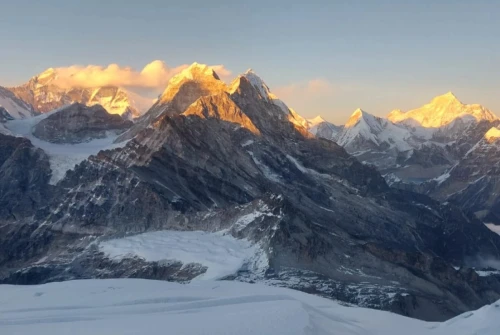
The ABC Route classic South vs North
South ABC Trek (Classic Annapurna Base Camp)
The South Annapurna Base Camp Trek is the most popular and frequently traveled route to Annapurna Base Camp (ABC). It begins from Pokhara, a picturesque lakeside city that serves as the gateway to the Annapurna region. From Pokhara, trekkers typically drive to Birethanti, and from there, the trek continues along well-marked paths, winding through traditional Nepali villages and stunning natural landscapes.
The ABC South Trek is famous for its scenic diversity and relatively easy access, making it the preferred choice for many first-time trekkers. As you ascend, the landscape gradually transforms from lush subtropical forests at lower elevations to alpine meadows and icy glaciers as you approach higher altitudes. Along the way, trekkers pass through traditional villages like Ghorepani, Tadapani, and Chhomrong, offering a mix of cultural experiences and panoramic mountain views, including vistas of Annapurna South, Hiunchuli, and Machapuchare (Fishtail Mountain).
The South ABC route is well-suited for trekkers seeking a visually rewarding experience with easy access, and plenty of accommodation options along the way. The gradual climb allows trekkers to adjust to the altitude, making it an excellent choice for those who prefer a more comfortable trek with stunning views, rich cultural encounters, and ample opportunities for photography.
North ABC Trek (Annapurna North Base Camp)
The North Annapurna Base Camp Trek offers a unique and less-traveled alternative to the more popular South ABC Trek. Starting from Tatopani, this route takes trekkers through remote and rugged terrain to reach Annapurna North Base Camp (ABC). Unlike the South route, which attracts large numbers of trekkers, the North ABC Trek remains quiet and isolated, providing a solitary trekking experience for those seeking adventure away from the crowds.
The North ABC Trekking is ideal for trekkers looking to immerse themselves in the untouched beauty of the Annapurna region, offering dramatic mountain views and an opportunity to connect with nature in a more profound way. The trek passes through smaller villages, dense forests, and alpine meadows, while maintaining a strong sense of authenticity and a deep cultural experience. As you ascend, you’ll witness awe-inspiring vistas of Machapuchare (Fishtail Mountain), Himalchuli, and Annapurna I, with each day revealing a different facet of this majestic Himalayan landscape.
While the South ABC Trek offers a more gentle and accessible journey, the North ABC Trek challenges trekkers with steeper climbs, rugged paths, and fewer accommodation options. However, this isolated route offers a sense of solitude and immersion in nature that is hard to find on the more popular trails. For trekkers who prefer a quieter, more off-the-beaten-path adventure, the North ABC Trek is the ideal choice.
Differences North ABC Trek vs South ABC Trek
Trekking Experience:
The South ABC Trek is more accessible, with gradual ascents and well-marked trails, making it ideal for first-time trekkers or those looking for an easier, more comfortable trek.
The North ABC Trek, on the other hand, is more challenging with steeper climbs and rugged terrain, making it suitable for experienced trekkers or those seeking a more isolated and adventurous experience.
Crowds:
The South ABC Trekking is the most popular route and attracts many trekkers, meaning the trails can sometimes feel crowded, especially in peak trekking seasons.
The North ABC Trek offers a much quieter and more secluded route, allowing trekkers to experience the Annapurna region in a more solitary and peaceful setting.
Scenic Views:
The South ABC Hike is renowned for its breathtaking panoramic views of the Annapurna range, including Annapurna South, Hiunchuli, and Machapuchare (Fishtail Mountain), with opportunities to see traditional villages and terraced fields.
The North ABC hike provides stunning, close-up views of Machapuchare (Fishtail Mountain), Annapurna I, and Himalchuli, offering trekkers a more dramatic and pristine view of the mountains from a less-explored perspective.
Cultural Experience:
Both treks pass through traditional Nepali villages, but the South ABC Trek is more commercialized, with greater exposure to mass tourism. In contrast, the North ABC Trek offers a more authentic cultural experience, with smaller, quieter villages untouched by large numbers of trekkers.
Accommodation and Facilities:
The South ABC Trek has better-developed infrastructure, with numerous teahouses and comfortable lodges along the route, making it a good choice for those who prefer more comfort during their trek.
The North ABC Trek, by comparison, has fewer accommodation options and less infrastructure, requiring trekkers to be more self-sufficient and prepared for more basic facilities.
Scenic Beauty Of Annapurna Trek: What Will You See?
Both the South ABC Tour and North ABC Trek offer breathtaking views and incredible landscapes, but each route provides a distinct experience. The South ABC Trek is the more popular option, known for its lush forests and cultural encounters, while the North ABC Trek offers seclusion and more rugged beauty. Let’s explore the scenic highlights of both routes.
South ABC Trek: Classic Annapurna Sanctuary Views
The South ABC Trek offers a classic trekking experience with lush greenery, vibrant rhododendron forests, and panoramic views of the Annapurna massif. This route is famous for its incredible diversity of landscapes as you ascend.
Rhododendron Forests: As you trek through the lower elevations, you’ll walk through dense rhododendron forests, especially beautiful in spring, when the flowers are in full bloom.
Vibrant Villages: The trek passes through traditional villages like Ghorepani, Tadapani, and Chhomrong, where you can experience the authentic local culture and warm hospitality of the Gurung and Magar communities.
Panoramic Mountain Views: The route offers stunning vistas of Annapurna South, Machapuchare (Fishtail), and Hiunchuli as you trek higher. As you approach Annapurna Base Camp, you’ll be rewarded with spectacular close-up views of Annapurna I, towering glaciers, and the surrounding peaks.
Famous Viewpoints: Notable viewpoints along the way include Poon Hill, which offers incredible sunrise views of Dhaulagiri, Annapurna, and Machapuchare, and the final stretch to ABC, with breathtaking views of the towering peaks and glaciers.
The South ABC route is perfect for trekkers looking for a more comfortable trekking experience with a variety of landscapes, cultural encounters, and stunning mountain views.
North ABC Trek: Seclusion and Rugged Beauty
The North ABC Trek offers a more secluded and off-the-beaten-path experience, taking you through quieter forests, remote villages, and rugged landscapes. The North ABC Trek is ideal for trekkers seeking solitude and dramatic mountain views without the crowds of the South route.
Rugged Terrain: The landscape on the North route is more rugged and untouched, with steep, challenging ascents and fewer trekkers, making the entire journey feel like an exploration into the wild.
Less Crowded Villages: The North route passes through less-frequented villages such as Chhotepa, Sandhi Kharka, and Panchakunda, where you’ll experience a more authentic and isolated cultural experience. These villages offer a sense of peaceful isolation, far from the more commercialized villages of the South route.
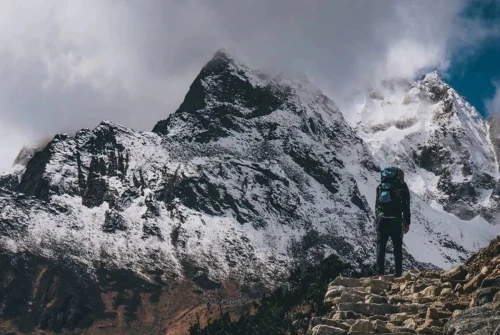
Annapurna Massif Views: As you ascend, you’ll be treated to incredible panoramas of the Annapurna massif, with close-up views of Annapurna I, Annapurna II, and Machapuchare. The rugged terrain allows for dramatic landscapes, including alpine meadows, rocky ridges, and snow-capped peaks.
Macha Puchare Base Camp: Another highlight is the Machapuchare Base Camp, which offers some of the most breathtaking views of Fishtail Mountain. The North route also provides closer views of the Himalayas and the towering Annapurna range as you approach the North Base Camp.
For trekkers looking for quietude, stunning views, and rugged beauty, the North ABC Trek offers a unique and peaceful trekking experience.
Which Trek Suits You Best? South ABC vs. North ABC Trek
When it comes to trekking in the Annapurna region, two popular routes stand out: the South Annapurna Base Camp (South ABC) Trek and the North Annapurna Base Camp (North ABC) Trek. Both are considered moderate treks, but they offer unique challenges and experiences. To help you decide which trek suits you best, here's a detailed comparison based on difficulty, duration, and terrain.
South Annapurna Base Camp Trek: Easier and More Accessible
The South ABC Trek is ideal for those looking for a moderately difficult trek with well-established routes. It’s generally easier than the North ABC trek, making it an excellent choice for first-time trekkers or those looking for a more comfortable and scenic journey. The route features well-maintained paths, clear signages, and a variety of comfortable accommodation options along the way. With gradual ascents and relatively few rugged sections, it's perfect for trekkers who want to experience the beauty of the Annapurna massif without facing overly strenuous challenges.
Duration: 7-10 days
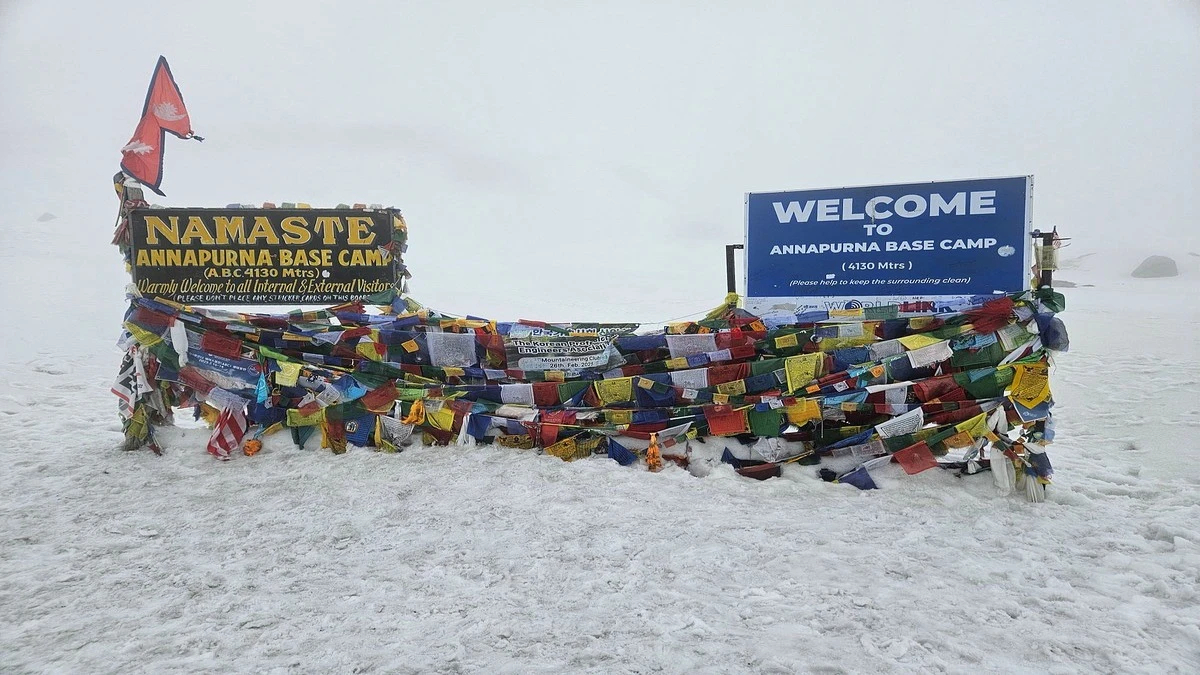
Maximum Altitude: Annapurna Base Camp at 4,130 meters (13,550 feet)
Difficulty: Moderate (easier than the North ABC Trek)
The South ABC Trek offers a more accessible experience, with breathtaking views and plenty of opportunities to interact with local communities along the way. It's perfect for trekkers looking for a balance between ease and scenic beauty.
North Annapurna Base Camp Trek: A More Challenging Adventure
The North ABC Trek, on the other hand, offers a more rugged and challenging experience. This route involves steeper climbs, rougher terrain, and requires more self-sufficiency. As the route is less frequently traveled, the trail is not as well-maintained, and there are fewer accommodation options. Trekkers should be prepared for more basic facilities or even camping in some places. However, those who seek adventure, solitude, and the opportunity to explore untouched wilderness will find the North ABC route deeply rewarding.
Duration: 8-11 days
Maximum Altitude: Annapurna Base Camp at 4,190 meters (13,745 feet)
Difficulty: Moderate to Difficult (due to rugged terrain and limited amenities)
The North ABC Trek provides a unique opportunity for trekkers to experience the Annapurna region in a quieter, more isolated setting, with fewer crowds and a true sense of exploration.
Which Trek is Right for You?
South ABC Trek: If you're new to trekking or prefer a more comfortable experience with stunning views and easy access, the South ABC Trek is an excellent choice. It's perfect for those who want to enjoy the beauty of the Annapurna Conservation Area without pushing themselves too hard. The well-marked trails and well-developed infrastructure make it a great option for a relaxed, scenic adventure.
North ABC Trek: If you're an experienced trekker looking for a challenge and a more remote, off-the-beaten-path experience, the North ABC Trek is a better fit. This trek is more demanding but offers a quieter, more authentic adventure in a less-traveled part of the Annapurna region. It's ideal for those who seek solitude and a sense of exploration, with the reward of pristine mountain landscapes and authentic rural encounters.
Both treks lead to the same breathtaking destination: Annapurna Base Camp, where you'll be treated to panoramic views of the Annapurna massif, Machapuchare (Fishtail Mountain), and surrounding peaks. Whether you choose the South ABC Trek for a more accessible, comfortable experience or the North ABC Trek for a challenging, isolated adventure, you’re sure to be rewarded with unforgettable memories and stunning Himalayan vistas.
Culture and Local Life: Which Trek Lets You Connect with Locals? South ABC vs. North ABC Trek
Both the South Annapurna Base Camp (South ABC) Trek and the North Annapurna Base Camp (North ABC) Trek provide unique opportunities to interact with local communities, but each route offers a distinct cultural experience. Let’s dive into the North ABC Trek, especially focusing on the less-traveled areas and the remote cultural experiences it provides.
South Annapurna Base Camp Trek: Vibrant Villages and Warm Hospitality
The South ABC Trek is the more popular of the two routes, known for its well-established paths and larger, more frequented villages like Ghorepani, Tadapani, and Chhomrong. These villages are home to the Gurung and Magar communities, who are known for their warm hospitality and traditional way of life. Along this route, trekkers are welcomed into local guesthouses, where you can chat with the villagers and learn about their customs, especially over a warm cup of tea.
Since this is the more popular route, you’ll often meet trekkers from around the world, making it a social and lively environment. While this makes for a fun trekking atmosphere, it can sometimes reduce the authenticity of cultural exchanges as the impact of tourism becomes more pronounced.
Cultural Highlights: Interaction with Gurung and Magar communities, vibrant villages, a sociable atmosphere with other trekkers.
Ideal For: Those who prefer a sociable, accessible trek with opportunities for cultural exchange.
North Annapurna Base Camp Trek: Authentic, Remote Cultural Immersion
The North ABC Trek offers a quieter, more secluded experience, passing through less-frequented villages such as Humkhola,Chhotepa, Sandhi Kharka, and Panchakunda, where you’ll experience a genuine connection to local life. These remote villages offer a much more intimate cultural experience, as the communities here have been largely untouched by mass tourism.
The trek takes you deep into the heart of the Annapurna region, providing a deeper connection to the traditional Nepali way of life. As you pass through these authentic villages, you’ll have the chance to engage with locals in a personal and meaningful way. It’s common to chat with villagers in their homes, learn about local farming practices, and understand their mountain lifestyle away from the crowds.
The North ABC Trek is ideal for trekkers seeking solitude and those who want a deeper cultural experience with more intimate interactions with the Gurung and Magar communities, as well as the other ethnic groups who live in these areas.
Cultural Highlights: Interaction with locals in remote villages like Chhotepa, Sandhi Kharka, and Panchakunda, a chance to observe traditional farming practices, and personal experiences with local life away from the busy trekking hubs.
Ideal For: Trekkers who seek peace, authentic cultural immersion, and a more isolated and untouched trekking experience.
Which Trek Offers the Best Cultural Experience?
South ABC Trek: If you’re looking for a lively cultural experience with plenty of opportunities to meet fellow trekkers and interact with the local communities in a sociable environment, the South ABC Trek is perfect. You’ll experience the traditions of the Gurung and Magar communities, though these may feel a bit less intimate due to the higher number of trekkers and commercialization of the route.
North ABC Trek: For those seeking a more authentic, peaceful, and remote cultural experience, the North ABC Trek is ideal. With villages like Chhotepa, Sandhi Kharka, and Panchakunda, this trek offers a chance to connect deeply with the locals in a setting that has not been overrun by tourism. The slower pace of life here allows for more personal interactions and a more intimate immersion into Nepali culture.
Both treks provide wonderful opportunities to connect with the local communities of the Annapurna region, but each offers a different experience. If you prefer a lively atmosphere and a mix of cultural exchange with other trekkers, the South ABC Trek might be the right choice. But if you’re looking for solitude, a genuine experience of rural Nepali life, and a chance to interact with locals in more untouched, remote settings, the North ABC Trek will provide a more rewarding cultural experience.
Choose the South ABC Trek for a sociable trek with easy access to vibrant, well-established villages.
Opt for the North ABC Trek if you seek peace and authenticity, with a more remote and intimate cultural immersion.
Accessibility On ABC Trek Route: Which Trek Is Easier to Get To?
South ABC Trek: More Accessible and Well-Connected
The South Annapurna Base Camp (South ABC) Trek is the more accessible and straightforward route. It starts from Pokhara, a major tourist hub in Nepal, with easy transportation options. From Pokhara, trekkers can take a short drive to Sichre or Birethanti, the main trailheads of the trek.
Starting Point: Pokhara (a major tourist gateway city).
Transportation: Easy drive to Sichre or Birethanti (accessible by bus, jeep, or private vehicle).
Infrastructure: The trail is well-marked with plenty of teahouses, lodges, and basic amenities along the way. This makes the trek comfortable and easy to navigate.
Why it’s easier to get to: The South ABC Trek has a very well-connected trail, with clearly marked routes and abundant accommodations, making it ideal for trekkers looking for a smooth, hassle-free journey.
North ABC Trek: More Remote and Requires Extra Planning
The North Annapurna Base Camp (North ABC) Trek is more remote and requires more careful planning to reach. The trek begins from Tatopani, a village that is more isolated compared to the South ABC starting points. From Pokhara, trekkers will need to take a jeep or bus to reach Tatopani or other trailheads.
Starting Point: Tatopani (via Pokhara).
Transportation: Longer travel times by jeep or bus from Pokhara. The roads are less developed, and the journey can take longer compared to the South route.
Infrastructure: The route is more rugged, with fewer teahouses and basic facilities along the way. The North ABC route is much quieter and has less tourist infrastructure, so trekkers should be prepared for a more self-sufficient adventure.
Why it’s harder to get to: The North ABC Trek starts from a more remote area, with less-developed infrastructure. This makes it a better option for trekkers seeking peace and solitude, but it also means more effort is required to reach the trailheads and navigate the terrain.
Conclusion: Which Trek Should You Choose in 2026 and 2027 ?
Ultimately, the choice between the South ABC Trek and the North ABC Trek depends on the kind of adventure you're after.
Choose the South ABC Trek if you’re looking for:
An easier, more accessible route with well-established accommodations.
Breathtaking views and a well-trodden path, ideal for beginners or trekkers who want a more comfortable journey.
Cultural experiences in vibrant, lively villages with lots of opportunities to interact with locals and fellow trekkers.
This route is perfect for those seeking a scenic, comfortable trek with good infrastructure and a clear, accessible path leading up to Annapurna Base Camp. If convenience and ease are your priority, the South ABC Trek is a fantastic option.
Choose the North ABC Trek if you’re seeking:
A quieter, more remote trekking experience with rugged terrain and fewer crowds.
Solitude and the chance to connect deeply with nature and the local culture in a more authentic setting.
A challenging adventure that will take you off the beaten path, ideal for more experienced trekkers or those looking for something a bit more rugged.
The North ABC Trek is perfect for those who want to venture into untouched, peaceful landscapes, and don’t mind the added logistical planning and self-sufficiency required.
No matter which trek you choose in 2026 and 2027, both routes offer incredible views, rich cultural experiences, and the chance to witness the stunning Annapurna Range up close. Whether you're after a comfortable journey or a solitary adventure, the Annapurna Base Camp Trek is sure to be a life-changing experience.
So, get your gear ready, lace up your boots, and prepare yourself for the trek of a lifetime.
FAQs for the South ABC and North ABC Trek
How difficult are the South ABC and North ABC treks?
South ABC Trek: Considered a moderate trek, ideal for beginners or trekkers looking for a comfortable route. It features well-maintained paths, gradual ascents, and abundant accommodation along the way.
North ABC Trek: A more challenging trek with steeper climbs, rugged terrain, and fewer facilities. It’s better suited for experienced trekkers seeking a more remote and rugged adventure.
How long do these treks take?
South ABC Trek: Typically takes 7-10 days, depending on your pace and acclimatization needs.
North ABC Trek: Generally takes 8-11 days, allowing time for acclimatization and exploration of more remote areas.
What is the highest point of both treks?
South ABC and North ABC Treks reach the almost same highest point: Annapurna Base Camp, which sits at 4,130 meters (13,550 feet) and Annapurna 1 base camp which sits at 4,190 meters (13,745 feet)
Is the accommodation along the way comfortable?
South ABC Trek: Accommodation is abundant and comfortable, with numerous teahouses and lodges providing meals and basic amenities along the route.
North ABC Trek: Accommodation is more basic and fewer teahouses are available. Fewer lodges along the route mean you’ll need to be prepared for more rustic conditions.
What food is available during the trek?
On both treks, you can expect to find basic Nepali meals like dal bhat (lentil soup), noodles, momo (dumplings), and some international options such as pasta and fried rice. However, the selection is more limited on the North ABC route due to fewer teahouses.
Do I need a guide for either trek?
South ABC Trek: While not required, a guide can still enhance the experience. The route is well-marked, but having a guide will help with cultural insights and navigating the terrain.
North ABC Trek: A guide is strongly recommended due to the more rugged terrain and remote nature of the trail. It’s more difficult to navigate without professional help.
When is the best time to trek to South ABC or North ABC?
The best time for both treks is during the spring (March-May) and autumn (September-November) seasons. These months offer clear skies, stable weather, and excellent views. Winter can bring heavy snow and cold temperatures, while summer is the monsoon season, which is less ideal.
Is altitude sickness a concern on either trek?
Yes, altitude sickness is a risk at 4,130 meters (13,550 feet). Both routes should be approached with caution. To reduce risks:
Ascend gradually.
Take rest days for acclimatization.
Drink plenty of water and stay hydrated.
Consider taking Diamox (acetazolamide) if recommended by your doctor.
Listen to your body—if you experience symptoms like dizziness or headaches, it’s crucial to descend or rest.
Are these treks crowded?
South ABC Trek: Very popular and often crowded, especially during peak seasons (spring and autumn). Expect to meet many fellow trekkers along the way.
North ABC Trek: Less crowded, offering a more peaceful, solitary experience. This makes it ideal for those seeking solitude and a more intimate connection with the region.
How do I get to the trailheads for each trek?
South ABC Trek: The trek begins in Pokhara, with easy access by bus or jeep to jhinu danda or Birethanti.
North ABC Trek: The North route starts from Tatopani and Drive to Hum Khola (via Pokhara), which is less accessible than the South trailheads. The journey may involve longer, rugged drives.
What’s the weather like on the trek?
South ABC Trek: The weather is generally pleasant during spring and autumn, with moderate temperatures at lower altitudes and cold at higher elevations.
North ABC Trek: Being more remote, the weather can be more extreme and unpredictable. Expect colder conditions, especially at higher altitudes. Autumn and spring remain the best times to trek here as well.
Do I need permits for South and North ABC treks?
What kind of cultural experiences can I expect?
South ABC Trek: Offers a vibrant cultural experience, with larger villages like Ghorepani, Tadapani, and Chhomrong, where you’ll meet local Gurung and Magar communities. The trek is more sociable with other trekkers, and local interactions are welcoming but may feel more commercialized.
North ABC Trek: Provides a more authentic, off-the-beaten-path cultural experience. The route passes through smaller, less-frequented villages like Chhotepa, Sandhi Kharka, and Panchakunda, offering a peaceful, intimate connection with the locals.
Which trek is better for beginners?
South ABC Trek is the better choice for beginners, thanks to its well-established infrastructure, moderate difficulty, and easy accessibility.
Which trek offers better views of Annapurna?
Both treks provide incredible views of the Annapurna massif. The South ABC Trek offers classic views, with panoramic vistas of Annapurna South, Machapuchare (Fishtail), and Hiunchuli. The North ABC Trek offers closer and more dramatic views of Annapurna I and Panchakunda Lake.
 based on 270 reviews