based on 270 reviews

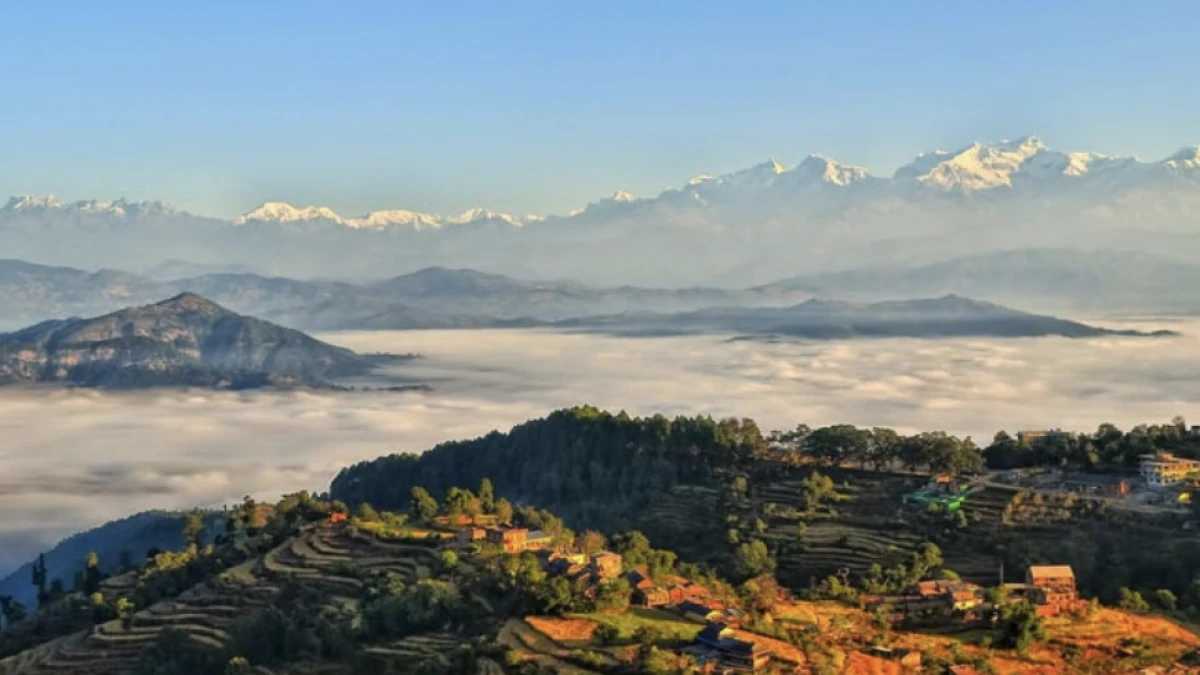
If we are searching for the best day hike near Kathmandu, Phulchoki Danda deserves the top spot on our list. Standing as the highest hill surrounding the Kathmandu Valley, Phulchoki offers a rare combination of panoramic Himalayan views, world-class birdwatching, sacred temples, and rhododendron-filled forests — all within a single day trip from the city. In this guide, we cover everything a traveler needs to know: how high Phulchoki actually is, how to get there, what to expect on the trail, and answers to the most frequently asked questions about this iconic hill.
Whether we are planning a quick escape from Kathmandu's traffic and dust, a serious birdwatching expedition, or a spiritual pilgrimage to the Phulchoki Mai Temple, this guide will help us plan the perfect trip.
Where Is Phulchoki Danda Located?
Phulchoki Danda sits in the Lalitpur District, about 20 kilometers southeast of Kathmandu, on the southern rim of the Kathmandu Valley. The hike begins near Godawari, a small town roughly a one-hour drive from Thamel, and it is also home to the well-known Godawari National Botanical Garden. Because of this easy access, Phulchoki has become one of the most popular one-day hiking destinations near Kathmandu for both domestic and international tourists.
How High Is Phulchoki? (Altitude and Significance)
Depending on the source, Phulchoki's summit is measured between 2,762 and 2,782 meters (roughly 9,060–9,127 feet) above sea level, making it the highest hill encircling the entire Kathmandu Valley. The name "Phulchoki" comes from the Nepali words phul (flower) and chowki/dada (hill or platform), which together mean "Hill of Flowers" — a fitting name given the explosion of rhododendron and wildflower blooms that cover the slopes every spring.
Why Phulchoki Should Be on Every Traveler's List
A Paradise for Birdwatchers
Phulchoki is widely regarded as the best birdwatching site in the Kathmandu Valley, with over 300 recorded bird species moving through its forested slopes. Birders travel here specifically to spot the spiny babbler, Nepal's only endemic bird species, along with the Himalayan cutia, rufous-bellied niltava, and hoary-throated barwing. The forest is also home to more than 100 species of butterflies, making it a haven for nature photographers as well.
Rich Biodiversity and Rhododendron Forests
As we climb, the trail transitions through subtropical forest, then oak-rhododendron woodland, and finally into moss-draped cloud forest near the summit. This makes Phulchoki a UNESCO-recognized biodiversity hotspot and one of the richest ecological corridors in the valley. In spring (March–April), the hillside turns red and white with blooming rhododendron, Nepal's national flower, alongside magnolia and wild orchids.
Sacred Temples and Cultural Heritage
Phulchoki is not just a nature destination — it is also a pilgrimage route. Along the way, we pass:
- Godawari Kunda, a holy spring with five dragon-head spouts where pilgrims perform ritual baths
- Naudhara Temple, featuring nine traditional water taps built during the Rana period, dedicated to a tantric mother goddess
- Phulchoki Mai Temple, located at the summit and dedicated to the Forest Mother Goddess, decorated with prayer flags representing both Hindu and Buddhist traditions
Breathtaking Himalayan Views
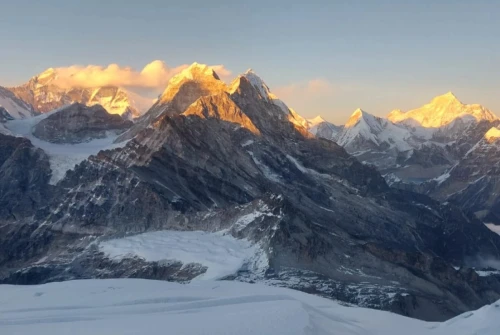
On a clear day, the summit rewards us with a genuinely spectacular 360-degree panorama, including:
- West: The Annapurna Range, Manaslu (8,163m), and Ganesh Himal
- North: Langtang Lirung and the entire Langtang Range
- East: Jugal Himal, Gaurishankar, and — on the clearest days — Mount Everest
- Below: The full sprawl of the Kathmandu Valley
Phulchoki Hiking Route: Step-by-Step Guide
Starting Point: Godawari
Almost every Phulchoki hike begins at Godawari, about 20–25 km (1–1.5 hours by car) from central Kathmandu. Many hikers combine the trip with a visit to the Godawari Botanical Garden, which holds hundreds of plant species across landscaped sections including a Japanese garden, rose garden, and rare orchid collection.
The Trail
From Godawari, the trail climbs roughly 12–14 kilometers to the summit through dense forest, following a mix of dirt trail and forest road. The path is moderately difficult — suitable for reasonably fit beginners, but steep enough in sections to challenge casual walkers. Along the way, we pass streams, small waterfalls, and forest clearings that offer excellent rest and photo stops.
Summit
At the top, we find the Phulchoki Mai Temple, along with communication towers and a military installation — so certain restricted areas near the towers should be respected. The main viewpoint platform is where most hikers stop to take in the mountain panorama.
Duration and Difficulty
A round-trip hike typically takes 5 to 8 hours, depending on fitness level, pace, and whether we drive partway up before starting on foot. It is entirely possible to leave Kathmandu early in the morning and return the same evening.
Best Time to Visit Phulchoki Hill
The two best seasons for hiking Phulchoki are:
- Spring (March–May): Ideal for rhododendron blooms, clear skies, and pleasant hiking temperatures
- Autumn (September–November): Known for the clearest mountain views and stable, dry weather
Winter hikes are possible and occasionally reward visitors with snowfall at the summit — a rare experience so close to Kathmandu — but trails can be cold and slippery. The monsoon season (June–August) brings lush greenery but also leeches, slippery trails, and limited mountain visibility due to cloud cover.
What to Pack for the Phulchoki Hike
- Sturdy walking or hiking shoes
- A refillable water bottle (limited water sources on the trail)
- Light snacks or packed lunch
- A hat and sunscreen
- A light jacket, since temperatures drop noticeably at higher elevation
- A camera or smartphone for the summit views
- Cash for small teahouses or the army canteen near the base
How to Get to Phulchoki from Kathmandu
We have three main options:
- Private car or taxi – the most convenient option, taking about 1–1.5 hours to Godawari
- Local bus – budget-friendly, running from Kathmandu to Godawari Bus Park
- Guided day-hike package – many Kathmandu-based trekking companies offer organized Phulchoki day trips with transport, a licensed guide, and sometimes lunch included
Frequently Asked Questions About Phulchoki Danda
How high is Phulchoki Danda? Phulchoki stands at approximately 2,762–2,782 meters, making it the highest hill surrounding the Kathmandu Valley.
How difficult is the Phulchoki hike? It is considered a moderate hike, manageable for beginners with reasonable fitness, though some sections near the summit are steep.
How long does the Phulchoki hike take? Most hikers complete the round trip in 5 to 8 hours, depending on pace and starting point.
What is the best time to hike Phulchoki?Spring (March–May) for rhododendron blooms and autumn (September–November) for the clearest mountain views are the best seasons.
Do I need a guide for Phulchoki? A guide is not strictly required since the trail is well marked, but hiring a licensed local guide adds safety, local knowledge, and support for the community.
Is Phulchoki good for birdwatching? Yes — with over 300 recorded bird species, including Nepal's only endemic bird, the spiny babbler, Phulchoki is considered one of the best birdwatching sites in the entire Kathmandu Valley.
Can I see Mount Everest from Phulchoki? On exceptionally clear days, Mount Everest is visible from the summit alongside the Langtang, Annapurna, Ganesh Himal, and Gaurishankar ranges.
Is there snowfall on Phulchoki? Yes, Phulchoki occasionally receives snowfall in winter, making it one of the only easily accessible places near Kathmandu to experience snow.
What should I visit near Phulchoki? The Godawari Botanical Garden, Godawari Kunda, and Naudhara Temple are popular stops on the way to or from the hike.
Is Phulchoki suitable for families and beginners? Yes, with proper preparation, footwear, and pacing, Phulchoki is suitable for families and beginner hikers, though very young children may find the final ascent tiring.
Final Thoughts: Why Phulchoki Deserves a Spot on Your Nepal Itinerary
For travelers seeking a short, accessible, and rewarding hike near Kathmandu, Phulchoki Danda checks every box: rich biodiversity, sacred temples, panoramic Himalayan views, and a genuine escape from the city — all achievable in a single day. Whether we come for the birds, the blooms, the views, or the spiritual significance of the summit temple, Phulchoki offers an experience that captures the natural and cultural essence of the Kathmandu Valley in one unforgettable hike.



.webp)