Overview of Nepal’s Federal System and 7 Provinces
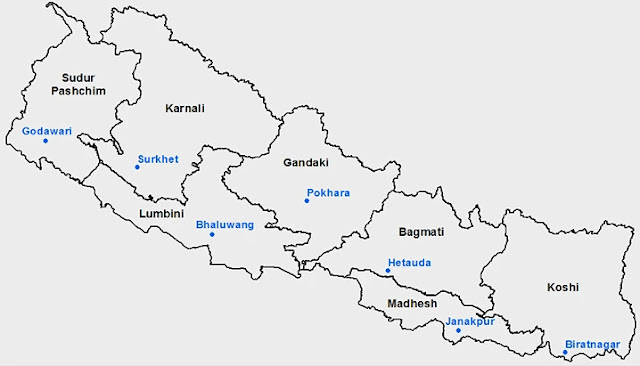
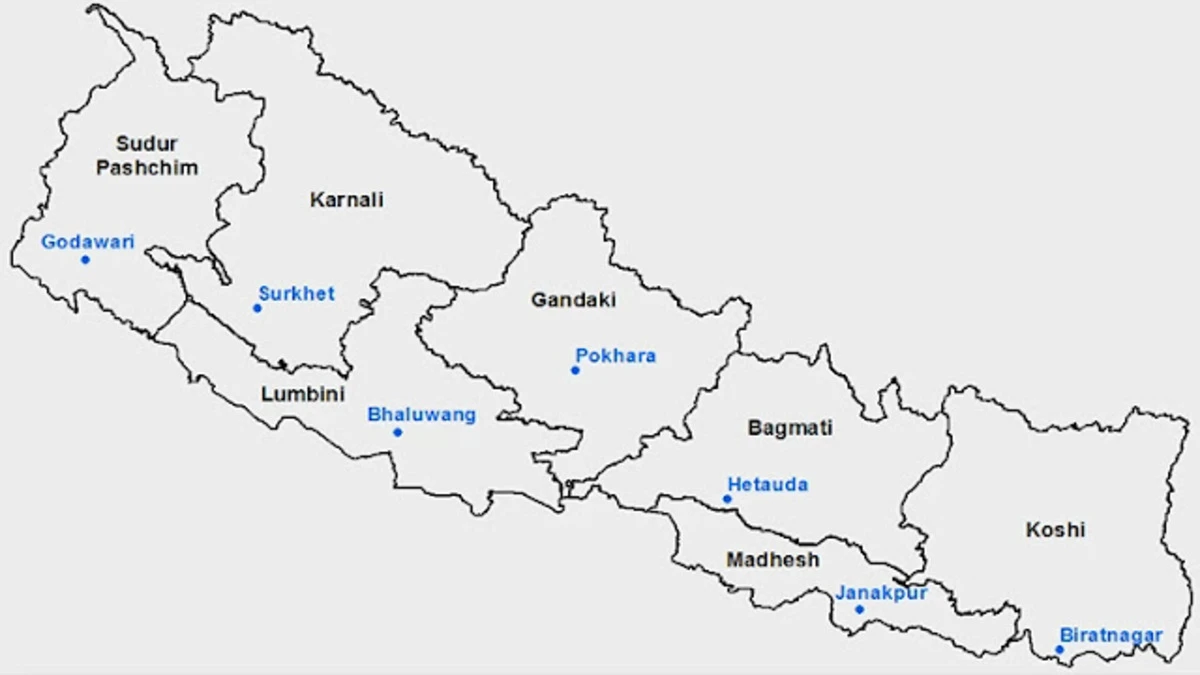
After adopting the federal system in 2015, Nepal was divided into 7 provinces, replacing the older zones and development regions. Each province has its own provincial government and a capital city, and each offers unique geography, culture, and tourist attractions.
Province | Capital | Features | Popular Destinations |
1 – Biratnagar | Biratnagar | Easternmost province, Himalayan foothills, agricultural hub | Ilam, Taplejung, Koshi Tappu |
2 – Janakpur | Janakpur | Fertile Terai plains, rich Maithili culture | Janakpur, Siraha, Dhanusha |
3 – Bagmati | Hetauda | Capital Kathmandu, cultural and urban hub | Kathmandu, Bhaktapur, Lalitpur, Panauti |
4 – Gandaki | Pokhara | Hill and mountain landscapes, adventure and tourism hotspot | Pokhara, Annapurna region, Mustang |
5 – Lumbini | Deukhuri | Birthplace of Buddha, plains and hills, spiritual tourism | Lumbini, Butwal, Tansen |
6 – Karnali | Birendranagar | Remote, rugged terrain, least populated | Rara Lake, Jumla, Dolpa |
7 – Sudurpashchim | Godawari | Westernmost province, diverse geography | Dhangadhi, Mahakali River, Api Himal |
Each province in Nepal offers a unique combination of nature, culture, and adventure opportunities. From Himalayan trekking in Province 1 and Gandaki to spiritual journeys in Lumbini, and from remote wilderness in Karnali to the diverse landscapes of Sudurpashchim, travelers can experience the full spectrum of Nepal’s beauty.
Koshi Province: The Gateway to Eastern Nepal (Formerly Province 1)
Koshi Province, situated in eastern Nepal, is the country’s easternmost region and a powerhouse of biodiversity. Known for its majestic mountain foothills, mighty rivers, and fertile agricultural landscapes, it offers a harmonious blend of natural beauty and cultural richness. This province is the ultimate destination for travelers seeking off-the-beaten-path adventure, wildlife exploration, and serene Himalayan landscapes.
Top Destinations: Ilam, Koshi Tappu, and Taplejung
Exploring the diverse districts of Koshi Province reveals why it is a rising star in Eastern Nepal travel:
Ilam Tea Gardens: Famous for its lush, rolling tea estates like Kanyam and Antu Danda, Ilam is a paradise for nature photography, eco-tourism, and scenic hiking. Visitors can enjoy sunrise views over the Himalayas while walking through some of the finest tea gardens in Asia.
Koshi Tappu Wildlife Reserve: As a world-renowned Ramsar site, this wetland is a sanctuary for bird watchers. It is home to the rare Arna (wild water buffalo), marsh crocodiles, and hundreds of migratory bird species. Jungle safaris and boat rides on the Koshi River offer a unique wildlife tourism experience.
Taplejung & Kanchenjunga: Known as the gateway to Mount Kanchenjunga (the world’s 3rd highest peak), Taplejung attracts serious trekkers and mountaineers. The region offers challenging trekking routes, stunning alpine vistas, and deep cultural immersion into the traditional Limbu and Kirat heritage.
Pathibhara Devi Temple: A major pilgrimage destination located at 3,794 meters, attracting spiritual travelers and hikers alike who seek both divine blessings and panoramic mountain views.
Koshi Province Nepal is the perfect choice for sustainable tourism and Himalayan trekking, offering a raw and authentic alternative to the more crowded western trails.
Madhesh Province: The Heart of Mithila Culture (Formerly Province 2)
Madhesh Province, located in the fertile Terai plains of southern Nepal, is a vibrant cultural corridor where ancient history, sacred pilgrimage, and colorful traditions meet. As the smallest province by land but the most densely populated, it is a major hub for religious tourism and cultural immersion. Travelers are drawn here for its world-class heritage sites, the famous Mithila art, and authentic Terai lifestyle experiences.
Top Destinations: Janakpurdham, Gadhimai, and Parsa
Madhesh Province offers a unique spiritual and natural landscape unlike anywhere else in Nepal:
Janakpurdham & Janaki Mandir: The provincial capital is a centerpiece of Hindu pilgrimage. The Janaki Temple, a masterpiece of Mughal-style Hindu architecture, is dedicated to Goddess Sita. It is a focal point for the Ramayana Circuit and hosts the spectacular Vivaha Panchami festival. Visitors can explore the 52 sacred ponds (Sarovars), including Ganga Sagar and Dhanush Sagar.
Mithila Art & Craft: Madhesh is world-renowned for Mithila (Madhubani) paintings, a traditional art form created by local women. Exploring the murals in Janakpur and attending craft workshops in local villages offers a deep dive into Nepal's living heritage.
Parsa National Park: For those seeking wildlife adventure, Parsa is Nepal’s largest wildlife reserve. It provides a raw, immersive experience for spotting Bengal tigers, wild elephants, and leopards through jeep safaris and jungle walks.
Gadhi Mai & Jaleswar Mahadev: Important spiritual landmarks like the Gadhi Mai Temple in Bara and the Jaleswar Mahadev in Mahottari (where the Shiva Lingam remains submerged in water) attract thousands of devotees annually for their unique religious rituals.
Bharat Taal (Sarlahi): A rising star in leisure tourism, this is one of Nepal's largest man-made lakes, perfect for boating, photography, and weekend escapes.
Cultural Festivals and Gastronomy
Madhesh is the best destination for festival tourism in Nepal. Iconic celebrations include:
Chhath Puja: A stunning sun-worship festival celebrated on the banks of rivers and ponds.
Holi: Celebrated with unmatched fervor and traditional Maithili songs.
Mithila Cuisine: Travelers shouldn’t miss authentic flavors like Bhakka, Thekua, and fresh river fish preparations, which define the gastronomic identity of the region.
Madhesh Province Nepal is an unmissable destination for those looking beyond the mountains to discover the spiritual soul and cultural depth of the southern plains.
Bagmati Province: The Cultural & Political Heart of Nepal
Bagmati Province, centered around the iconic Kathmandu Valley, serves as the economic, political, and cultural epicenter of Nepal. Home to the nation’s capital, this province is where ancient history meets modern urban life. Boasting seven UNESCO World Heritage Sites within a small radius, Bagmati is the premier destination for heritage travel, spiritual retreats, and luxury tourism in Nepal.
The Historic Trinity: Kathmandu, Bhaktapur, and Patan
The Three Kingdomsof the Kathmandu Valley offer an unparalleled look into medieval Newari craftsmanship and artistic excellence:
Kathmandu (The City of Temples): The capital is a treasure trove of spiritual landmarks. Pashupatinath Temple remains a global site for Hindu pilgrimage, while the ancient Swayambhunath (Monkey Temple) and Boudhanath Stupa serve as beacons of Himalayan Buddhism. Kathmandu Durbar Square is the ultimate spot for heritage walks and architectural photography.
Bhaktapur (The City of Devotees): Famous for its remarkably preserved medieval atmosphere, Bhaktapur is a living museum. Highlights include the 55-Window Palace, Nyatapola Temple, and Pottery Square, where visitors can witness age-old ceramic traditions. It is the best place to experience authentic Newari cuisine like Juju Dhau (King Curd).
Lalitpur/Patan (The City of Fine Arts): Known for its intricate metalwork and stone carvings, Patan is the soul of Nepalese art. The Patan Museum is widely considered one of the best in Asia. Travelers can engage in traditional craft workshops, learning the secrets of Thangka painting and bronze casting.
Beyond the Valley: Nature and Adventure
Bagmati isn't just about ancient cities; it offers some of the best short treks near Kathmandu:
Langtang Valley Trek: Known as the valley of glaciers, this is a high-altitude adventure accessible directly from Bagmati.
Nagarkot & Dhulikhel: Premier destinations for sunrise mountain views of the Langtang and Everest ranges without the need for a strenuous trek.
Chitwan National Park (Border Access): While primarily in the plains, Bagmati offers the main gateway for travelers heading to jungle safaris and wildlife tours.
Bagmati Province Nepal is the essential starting point for any journey, offering a deep dive into Nepalese culture, vibrant festivals like Indra Jatra, and world-class hospitality.
Gandaki Province: Nepal’s Ultimate Adventure & Trekking Capital
Gandaki Province, located in central Nepal, is a world-class destination synonymous with breathtaking Himalayan peaks, tranquil alpine lakes, and adrenaline-fueled adventure. As the gateway to the legendary Annapurna Conservation Area and the mystical Upper Mustang, Gandaki offers a perfect synergy of natural wonder and cultural depth. Whether you are a hardcore mountaineer or a traveler seeking lakeside serenity in Pokhara, Gandaki delivers the quintessential Nepal experience.
Pokhara: The Tourism Capital of Nepal
Often described as the jewel of the mid-hills, Pokhara is the starting point for most Himalayan expeditions. In 2026, it serves as a modern hub with enhanced connectivity:
Gateway to the Himalayas: The primary staging point for Annapurna Base Camp (ABC), Ghorepani Poon Hill, and Mardi Himal treks.
Adventure Sports Hub: World-renowned for paragliding in Sarangkot, zip-lining, ultra-light flights, and mountain biking.
Lakeside Leisure: Relaxation at Phewa Lake, Begnas Lake, and Rupa Lake, with stunning reflections of Mount Machhapuchhre (Fishtail).
2026 Update: With the Pokhara International Airport fully operational, travelers can now access Gandaki more conveniently than ever with direct regional flights.
World-Class Trekking: Annapurna, Manaslu, and Mustang
Gandaki Province hosts some of the most iconic trekking routes on the planet, each offering a distinct landscape:
Annapurna Region: Home to the classic Annapurna Circuit. In 2026, trails feature upgraded safety markers and a Digital Permit System (QR codes) for enhanced trekker security. The Mardi Himal Trek remains a top choice for those seeking a shorter, high-ridge adventure with face-to-face mountain views.
Manaslu Circuit Trek: Often called the The New Annapurna, this 14–18 day trek circles the world’s 8th highest peak. It offers a raw, off-the-beaten-path experience through the Larkya La Pass (5,106m), blending Gurung culture with Tibetan traditions.
Upper Mustang (The Forbidden Kingdom): A high-altitude desert with dramatic red cliffs and ancient cave civilizations.
New Trekking Rules for 2026
To ensure sustainable tourism and safety, Gandaki Province has implemented:
Mandatory Guide Policy: For foreign trekkers in the Annapurna and Manaslu regions to support local economies and ensure safety.
Eco-Friendly Lodges: Many teahouses have shifted to solar power and local ISP connectivity, providing better hygiene and Wi-Fi even at high altitudes.
Gandaki Province Nepal remains the undisputed heart of Himalayan exploration, offering everything from spiritual retreats in Muktinath to world-record adventure challenges.
Lumbini Province: The Spiritual Soul of Nepal
Lumbini Province, situated in the western plains and mid-hills of Nepal, is internationally recognized as the sacred birthplace of Lord Buddha. As a premier hub for spiritual tourism and peace pilgrimages, the province offers a profound journey through ancient history, UNESCO-listed landmarks, and tranquil hill stations. In 2026, with world-class connectivity and expanded heritage sites, Lumbini became the heart of the Buddhist Circuit in South Asia.
Lumbini Garden: A UNESCO World Heritage Landmark
The center of the province is the Lumbini Master Plan area, a sprawling spiritual sanctuary designed by Kenzo Tange.
Maya Devi Temple: The exact spot where Queen Maya Devi gave birth to Siddhartha Gautama. It features the sacred Marker Stone and the Ashokan Pillar.
Monastic Zone: Explore the World Peace Pagoda and dozens of stunning monasteries built by different nations (China, Thailand, Korea, Germany), showcasing diverse Buddhist architecture.
Meditation & Wellness: 2026 sees a rise in meditation retreats and mindfulness centers, making it a top choice for travelers seeking mental clarity and spiritual growth.
Tansen & Palpa: The Hill Station Heritage
For a break from the plains, the ancient hill town of Tansen in Palpa district offers a refreshing escape:
Cultural Charm: Known for its traditional Newari architecture and the famous Palpali Dhaka fabric (perfect for authentic souvenir shopping).
Ranighat Palace: Often called the "Taj Mahal of Nepal," this historic palace sits on the banks of the Kali Gandaki River.
Himalayan Vistas: Tansen provides breathtaking panoramic views of the Dhaulagiri and Annapurna ranges, making it a favorite for landscape photography.
Connectivity: The Gateway to Western Nepal
Gautam Buddha International Airport (GBIA): Located in Bhairahawa, this airport now allows international pilgrims and trekkers to fly directly into the region, bypassing Kathmandu.
Butwal & Siddharthanagar: These rapidly growing urban hubs serve as the commercial gateways, offering high-end hotels and easy transport links to the Lumbini Cable Car—a new attraction in Butwal providing stunning valley views.
Kapilvastu: Just a short drive from Lumbini, explore the ruins of the ancient Shakya capital, where Prince Siddhartha spent his first 29 years.
Lumbini Province Nepal is the ultimate destination for those seeking a holistic travel experience—blending deep spiritual exploration with the authentic cultural heritage of the Nepalese hills.
Karnali Province: Nepal’s Great Untamed Wilderness
Karnali Province, located in the rugged northwestern reaches of the country, is Nepal’s largest yet least populated province. It is a land of mythic landscapes, deep canyons, and high-altitude deserts that remain largely untouched by modernization. For the adventure seeker, Karnali represents the Final Frontier, offering a raw glimpse into ancient Himalayan traditions and Tibetan-influenced cultures. In 2026, it is the premier destination for sustainable trekking and exclusive wilderness exploration.
Rara Lake: The Blue Gem of the Himalayas
At the heart of the province lies Rara Lake, the largest freshwater lake in Nepal and a centerpiece of Rara National Park.
Pristine Beauty: Known for its ever-changing colors—from deep turquoise to sapphire—Rara is surrounded by alpine forests and snow-capped peaks.
Adventure Activities: It is a hotspot for nature photography, high-altitude camping, and bird watching.
2026 Accessibility: While still remote, improved flight connections to Talcha Airport and better road access via the Karnali Highway make the Rara Lake Trek more accessible for those seeking a high-altitude retreat without the crowds.
Dolpa and the Phoksundo Deep
Dolpa (or Dolpo) remains one of the most mysterious and culturally rich districts in the world.
Shey Phoksundo Lake: A stunning, deep-blue alpine lake known for its lack of aquatic life and its dramatic backdrop of the Kanjirowa Himal. It is a sacred site for the local Bon Buddhist community.
Upper Dolpo Trek: A bucket-list adventure for serious trekkers, crossing high passes like the Kang La (5,350m) to reach the ancient Shey Gompa.
Cinematic Landscapes: Famous as the setting for the Oscar-nominated film Caravan (Himalaya), the region offers a time-capsule experience of Tibetan-influenced lifestyle.
Jumla & Humla: The Gateway to Mount Kailash
Jumla’s Sinja Valley: Explore the historic birthplace of the Khas (Nepali) language and the ancient ruins of the Malla Empire—a must for cultural history enthusiasts.
Humla (Simikot): In 2026, Humla remains the primary gateway for international travelers embarking on the Mount Kailash Yatra via the Hilsa border. It offers some of the most remote trekking trails in the world, passing through the Limi Valley.
Organic Hub: Jumla is famous for its organic Marshi rice and high-quality apples; "Agro-tourism" is a rapidly growing niche here.
Karnali Province Nepal is the ultimate choice for travelers who value ecological tourism and solitude. It is a place where nature remains in its purest form, providing a profound sense of discovery for every explorer.
Sudurpashchim Province: Nepal’s Far-Western Frontier
Sudurpashchim Province, located in the westernmost corner of Nepal, is a region of dramatic contrasts. From the snow-capped giants of the Api and Saipal Himalayas to the vast, wildlife-rich grasslands of the Terai, this province is the ultimate destination for off-the-beaten-path travelers. In 2026, it is recognized as a premier spot for sustainable ecotourism and remote adventure trekking, offering experiences far removed from the commercialized trails of central Nepal.
Top Destinations: Api Himal, Khaptad, and Shuklaphanta
Sudurpashchim is home to some of Nepal's most unique natural and spiritual landmarks:
Api Himal Base Camp: A rugged and remote trek to the highest peak in the Far-West ($7,132\text{ m}$). This journey offers pristine alpine scenery, untouched glaciers, and an authentic look at the Sauka culture. It is perfect for mountaineers and trekkers seeking total solitude.
Khaptad National Park: Often called the "Living Garden of the Far-West," this high-altitude plateau is famous for its 22 rolling green meadows (Patans). It is a spiritual hub, once home to the Khaptad Baba, and is ideal for meditation retreats, bird watching, and nature photography.
Shuklaphanta National Park: Located in the Terai, this park boasts the largest herd of Swamp Deer (Arna) in the world. With its expansive Phantas (grasslands) and the Mahakali River nearby, it is a top-tier destination for jungle safaris, tiger tracking, and spotting the rare Bengal Florican.
Badimalika Temple Trek: One of the most beautiful and spiritually significant treks in Nepal. Sitting at 4,200 M in the Bajura district, the temple is surrounded by thousands of acres of emerald-green grasslands that feel like a "heaven on earth."
Cultural Hubs and River Adventures
Dhangadhi: The province’s main urban center and the gateway to the West. In 2026, Dhangadhi Airport provides frequent daily connections to Kathmandu, making the Far-West more accessible than ever.
Mahakali River: Forming the western border with India, this mighty river is a hotspot for whitewater rafting, mahseer fishing, and sunset photography.
Tharu Heritage: The plains of Kailali and Kanchanpur offer deep cultural immersion into the Rana Tharu community, known for their vibrant dress, unique architecture, and traditional dances.
Sudurpashchim Province Nepal is for the true explorer. Whether you are navigating the Sea of Grass in Khaptad or trekking the remote valleys of Darchula, this province offers a raw, authentic connection to the land that is increasingly rare in the modern world.
Conclusion: Start Your Adventure Across the 7 Provinces of Nepal
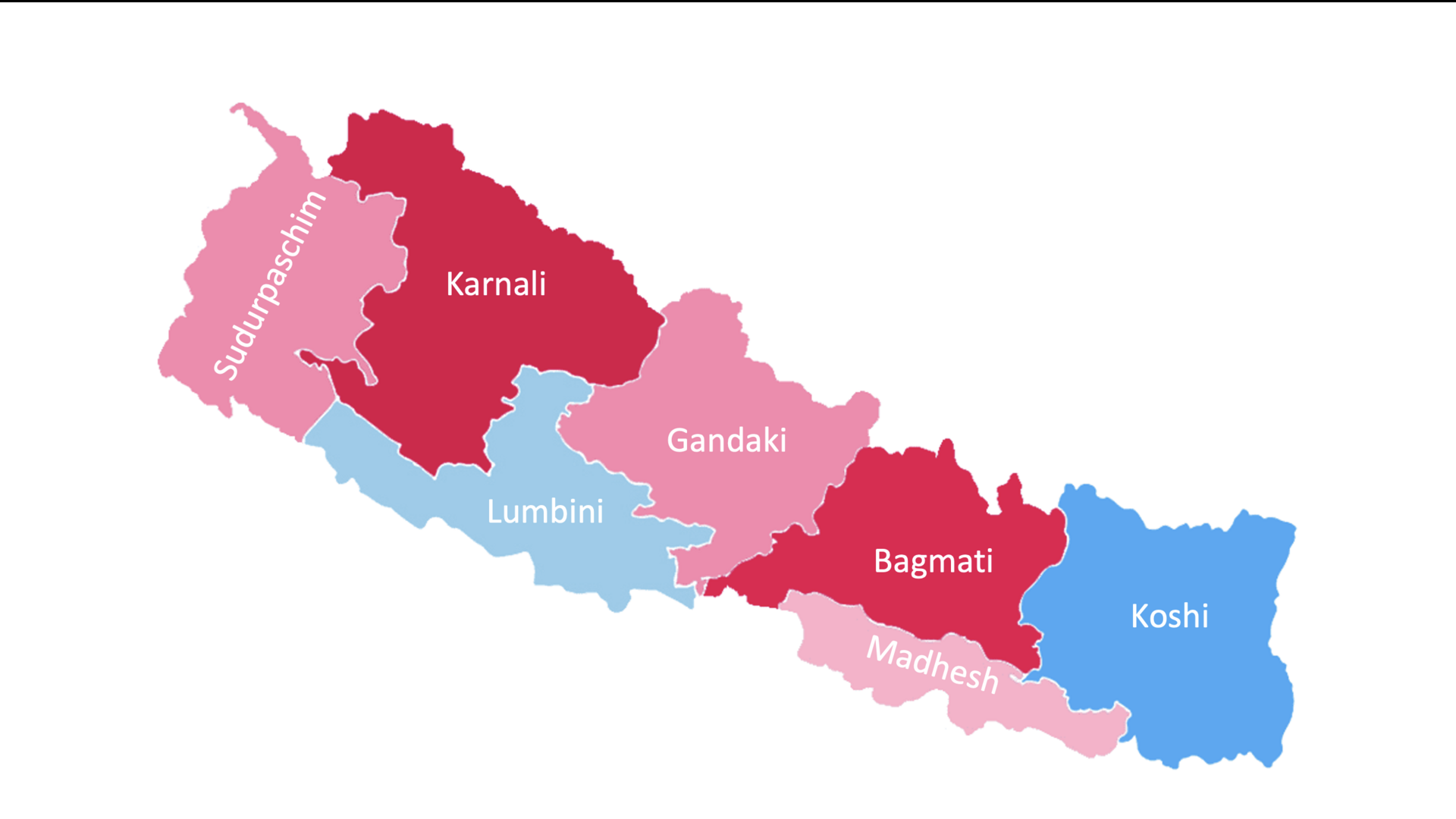
Nepal’s seven provinces offer a spectacular mosaic of geography, ancient culture, and world-class adventure. From the historic Newari heritage of Bagmati and the sacred plains of Madhesh and Lumbini, to the soaring peaks of Koshi and Gandaki and the wild frontiers of Karnali and Sudurpashchim, Nepal remains the world's ultimate destination for hiking and exploration.
At All Nepal Hiking, we specialize in providing comprehensive, safe, and customized trekking and hiking tours across every corner of the country. Whether you are looking for iconic routes or hidden gems, our expert guides ensure an unforgettable journey through the heart of the Himalayas.
Why Choose All Nepal Hiking?
We offer tailored itineraries for every type of traveler:
World-Renowned Treks: Experience the classics like Everest Base Camp, Annapurna Circuit, and Ghorepani Poon Hill.
Off-the-Beaten-Path Adventures: Discover the solitude of the Manaslu Circuit, Upper Mustang, Rara Lake, and the rugged Api Himal Base Camp.
Short & Scenic Hikes: Perfect for those with limited time, including Mardi Himal, Langtang Valley, and Nagarkot sunrise treks.
Cultural & Spiritual Journeys: Immerse yourself in the sacred atmosphere of Lumbini, the heritage of Tansen, the vibrancy of Janakpurdham, and the lakeside charm of Pokhara.
Whether you are seeking a challenging high-altitude expedition or a peaceful cultural retreat, All Nepal Hiking is your trusted partner for exploring the diverse landscapes and rich heritage of Nepal.
Ready to plan your 2026 Himalayan adventure? Contact All Nepal Hiking Today to customize your journey across the 7 provinces.
FAQs on Provinces of Nepal
What are the provinces of Nepal?
Nepal is divided into 7 provinces after the federal restructuring in 2015. Each province has its own capital, administrative structure, and local government.
What are the names of the provinces of Nepal?
The 7 provinces of Nepal are:
Province No. 1 – Capital: Biratnagar
Province No. 2 – Capital: Janakpur
Bagmati Province – Capital: Hetauda
Gandaki Province – Capital: Pokhara
Lumbini Province – Capital: Deukhuri
Karnali Province – Capital: Birendranagar
Sudurpashchim Province – Capital: Godawari
Which province is the largest in Nepal?
Karnali Province is the largest province by area in Nepal, known for its mountainous terrain and natural beauty.
Which province has the highest population in Nepal?
Bagmati Province is the most populous province, housing Nepal’s capital city, Kathmandu, and major urban areas.
What is the main language spoken in each province of Nepal?
Province No. 1: Nepali, Limbu, Maithili
Province No. 2: Maithili, Bhojpuri
Bagmati Province: Nepali
Gandaki Province: Nepali, Gurung
Lumbini Province: Tharu, Nepali
Karnali Province: Nepali, Kham
Sudurpashchim Province: Doteli, Nepali
What are the major tourist attractions in the provinces of Nepal?
Province No. 1: Mount Everest, Koshi Tappu Wildlife Reserve
Province No. 2: Janaki Temple, Chhath festivals
Bagmati Province: Kathmandu Durbar Square, Pashupatinath Temple
Gandaki Province: Pokhara, Annapurna Circuit
Lumbini Province: Lumbini, birthplace of Buddha
Karnali Province: Rara Lake, Shey Phoksundo National Park
Sudurpashchim Province: Khaptad National Park, Far-Western temples
How are the provinces of Nepal governed?
Each province has a Provincial Assembly, a Chief Minister, and a Governor. Local governments manage districts and municipalities under the provincial framework.
When were the provinces of Nepal formed?
The provinces were officially formed in 2015 under Nepal’s new constitution, transitioning from a unitary system to a federal system.
 based on 270 reviews

.webp)