based on 270 reviews

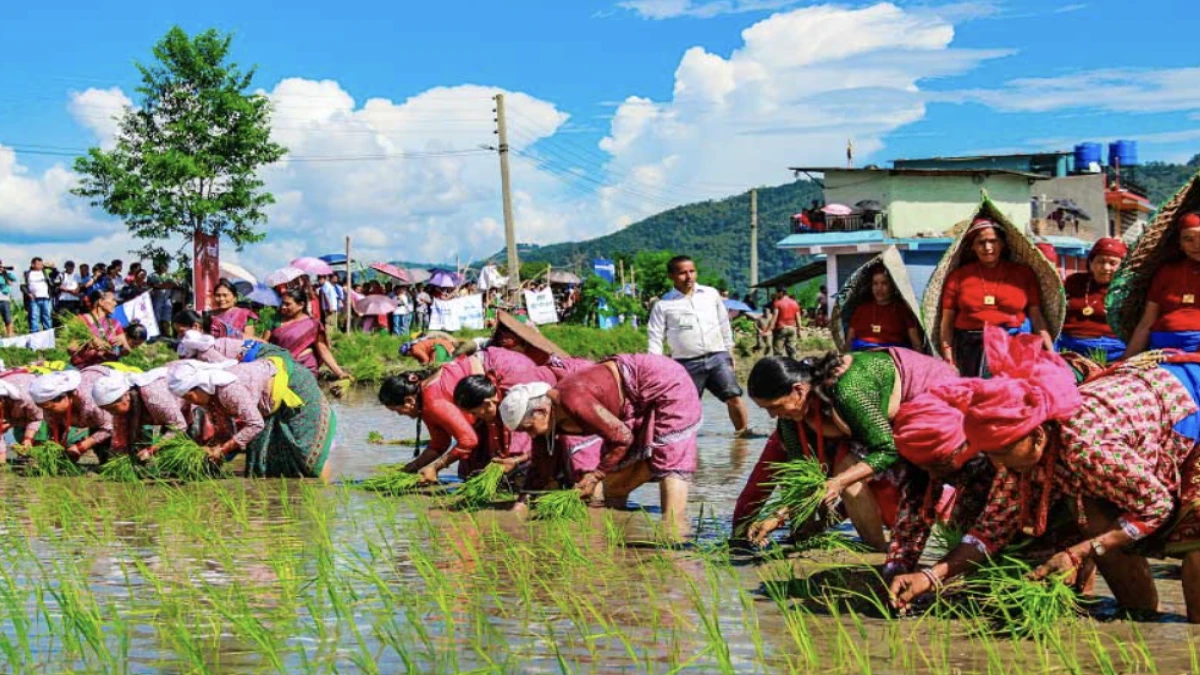
Nepal is a country where agriculture is deeply intertwined with culture, religion, and daily life. More than just a means of livelihood, farming is celebrated through colorful festivals that unite families, villages, and visitors. Among these, the Rice Planting Festival (Ropain Festival or Asar 15) and the various harvesting festivals stand out as some of the most joyful and authentic cultural experiences in the country.
For travelers looking to experience the true spirit of Nepal beyond its mountains and temples, participating in these agricultural festivals offers an unforgettable glimpse into rural life. From dancing in muddy rice fields to enjoying traditional Nepali delicacies, singing folk songs, and celebrating successful harvests, these festivals showcase Nepal's vibrant heritage.
What is the Rice Planting Festival in Nepal?
The Rice Planting Festival, locally known as Ropain Festival or Dhan Ropne Diwas, is one of Nepal's most celebrated agricultural festivals. It takes place every year on Asar 15 according to the Nepali calendar, which usually falls around June 29 in the Gregorian calendar.
The festival officially marks the beginning of Nepal's rice planting season. Since rice is the country's staple food and one of its most important crops, this day symbolizes prosperity, hope, abundance, and gratitude for the upcoming agricultural season.
People from every corner of Nepal, especially in the Terai, Kathmandu Valley, Pokhara Valley, Chitwan, Lamjung, Gorkha, Dhading, Kavrepalanchok, Sindhupalchok, and eastern hill districts, actively participate in this lively celebration.
History and Origin of the Rice Planting Festival
The Rice Planting Festival has existed for centuries and originated from Nepal's agricultural traditions. Long before modern farming equipment became available, rice cultivation depended entirely on manual labor, monsoon rains, and community cooperation.
Farmers believed that beginning rice transplantation on an auspicious day would bring:
- A successful harvest
- Good rainfall
- Healthy crops
- Prosperity for the entire family
- Blessings from nature and the gods
Since rice cultivation requires synchronized efforts among entire communities, neighbors gathered together to help each other plant rice seedlings. What began as communal labor gradually evolved into a joyous annual festival filled with music, food, dancing, and celebration.
Even today, despite modernization, this tradition continues throughout Nepal.
Why is Rice So Important in Nepal?
Rice is more than just food in Nepal.
It represents:
- Life
- Prosperity
- Good fortune
- Family unity
- Religious significance
Rice is served during almost every meal and is used in nearly every Hindu and Buddhist ceremony, including weddings, festivals, births, and religious rituals.
Since agriculture contributes significantly to Nepal's economy, a successful rice season affects millions of households across the country.
How the Rice Planting Festival is Celebrated
The festival begins early in the morning when farmers gather in flooded paddy fields prepared after the arrival of the monsoon rains.
Preparing the Rice Fields
Weeks before the festival:
- Fields are irrigated
- Buffaloes or tractors plow the land
- Mud is softened with water
- Rice seedlings are grown separately in nursery beds
On Asar 15, these young seedlings are carefully transplanted into the muddy fields.
Planting Rice Together
Families, friends, and neighbors line up in rows across the muddy fields.
Each person carefully places seedlings into the wet soil while moving rhythmically across the field.
The atmosphere is filled with:
- Traditional Nepali folk songs
- Laughter
- Friendly competitions
- Dancing
- Mud throwing
- Community celebrations
Planting rice is hard work, but during the festival it becomes one of the happiest events of the year.
Mud Play and Friendly Celebrations
Perhaps the most entertaining part for visitors is the mud celebration.
People happily throw mud at one another, splash muddy water, laugh together, and dance in the fields.
This playful tradition symbolizes:
- Unity
- Equality
- Fertility
- Good harvests
- Removing negativity
Everyone becomes covered in mud regardless of age, social status, or occupation.
Tourists are warmly welcomed to join these activities.
Traditional Songs and Folk Music
Throughout the festival, farmers sing Asare Bhaka, traditional agricultural songs unique to Nepal's rice planting season.
These songs often celebrate:
- Love
- Nature
- Hard work
- Family
- Rain
- Hope for a successful harvest
Local musical instruments such as:
- Madal
- Bansuri (Flute)
- Sarangi
Create a festive atmosphere throughout the villages.
Traditional Food Served During the Festival
No Nepali festival is complete without delicious local food.
The Rice Planting Festival is famous for serving:
Dahi Chiura (Yogurt and Beaten Rice)
This iconic dish consists of:
- Fresh yogurt
- Flattened rice (Chiura)
- Seasonal fruits
- Sugar or jaggery
People believe eating Dahi Chiura on Asar 15 brings good luck and energy for the farming season.
Other Traditional Foods
Visitors may also enjoy:
- Fresh cucumber
- Pickles (Achar)
- Local vegetables
- Lentil soup (Dal)
- Rice
- Seasonal fruits
- Homemade sweets
Many villages also prepare local millet-based beverages and homemade delicacies for guests.
Best Places to Experience the Rice Planting Festival
Although celebrated across Nepal, some destinations offer exceptional experiences for visitors.
Kathmandu Valley
Several villages surrounding Kathmandu organize community rice planting events where tourists can participate directly in muddy fields before enjoying traditional meals.
Popular areas include:
- Kirtipur
- Bungamati
- Khokana
- Tokha
Pokhara Valley
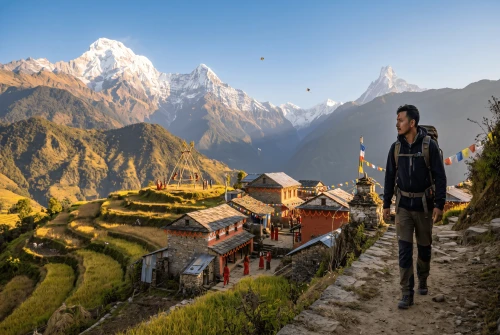
Rice fields surrounding Pokhara create a spectacular backdrop with the Annapurna Himalayas towering in the distance.
Many local farms welcome visitors for:
- Rice planting
- Cultural performances
- Traditional lunches
- Folk dancing
Chitwan
Chitwan offers one of Nepal's best combinations of:
- Village experiences
- Rice planting
- Tharu cultural performances
- Wildlife safaris
Many eco-lodges organize authentic farming experiences.
Lamjung and Gorkha
These hill districts preserve traditional farming practices and offer fewer crowds than major tourist destinations.
Visitors experience authentic village life alongside welcoming local communities.
Can Tourists Participate?
Absolutely.
Many local communities encourage international visitors to join the festivities.
Tourists can:
- Plant rice seedlings
- Dance in muddy fields
- Sing traditional songs
- Taste authentic Nepali cuisine
- Learn farming techniques
- Wear traditional Nepali clothing
- Capture incredible photographs
Most participants quickly discover that getting muddy is simply part of the fun.
Tips for Travelers
If you plan to join the Rice Planting Festival, consider bringing:
Clothes you don't mind getting muddy
- Waterproof sandals
- Extra towels
- Dry clothing for afterward
- Waterproof phone protection
- Sunscreen
- Drinking water
- Expect to become completely covered in mud—it is all part of the unforgettable experience.
Harvesting Festivals in Nepal
After months of nurturing rice fields through the monsoon season, Nepal celebrates another important agricultural milestone: the harvest.
Harvesting is not celebrated on one single national day. Instead, different communities celebrate successful harvests through several festivals during autumn and winter, depending on the region and crop.
These festivals express gratitude for nature's abundance and celebrate the completion of the farming season.
Dashain: Celebrating the Harvest and Prosperity
Dashain, Nepal's biggest festival, coincides with the end of the monsoon and the beginning of the harvest season.
Although primarily a Hindu festival celebrating the victory of good over evil, it also marks the arrival of freshly harvested crops.
Families:
- Harvest rice
- Clean their homes
- Receive blessings from elders
- Prepare festive feasts
- Fly kites
- Visit relatives
Newly harvested grains are offered to the gods before being consumed.
Tihar: Celebrating Nature's Abundance
Following Dashain, Tihar honors animals, prosperity, and family relationships.
Farmers decorate homes with flowers and oil lamps after completing much of the harvest work.
Fresh agricultural produce is used to prepare elaborate meals shared among relatives and neighbors.
Yomari Punhi: Celebrating the Rice Harvest
One of Nepal's most unique harvesting festivals is Yomari Punhi, celebrated mainly by the Newar community in the Kathmandu Valley.
The festival takes place after the rice harvest, usually in November or December.
The centerpiece is Yomari, a steamed rice flour dumpling filled with:
- Molasses (Chaku)
- Sesame seeds
- Coconut
- Sweet fillings
According to tradition, the festival originated after a successful harvest, when farmers prepared these sweet dumplings to thank the gods for abundance.
Today, families gather to prepare Yomari together, offer prayers, and celebrate prosperity.
Maghe Sankranti and Winter Harvest Celebrations
Maghe Sankranti marks the transition into longer days and celebrates the completion of many winter harvests.
Traditional foods include:
- Yam
- Sweet potatoes
- Sesame sweets
- Ghee
- Molasses
- Tarul (root vegetables)
Farmers celebrate a successful agricultural year while preparing for the next planting cycle.
Harvest Traditions Across Rural Nepal
Harvest season is one of the busiest yet happiest periods in Nepali villages.
Common traditions include:
- Harvesting rice with sickles
- Community cooperation
- Drying rice under the sun
- Storing grain in traditional granaries
- Preparing festive meals
- Religious blessings for the harvest
- Singing folk songs
- Village gatherings
The completion of the harvest symbolizes food security and prosperity for the coming year.
Why These Festivals Are Special for Tourists
Unlike commercial festivals, Nepal's agricultural celebrations remain deeply authentic.
Visitors enjoy:
- Genuine interaction with local families
- Hands-on participation in farming
- Traditional music and dance
- Authentic Nepali cuisine
- Stunning countryside landscapes
- Cultural immersion
- Incredible photography opportunities
These experiences provide a deeper understanding of Nepal beyond trekking routes and historic temples.
Photography Opportunities
The Rice Planting Festival offers some of Nepal's most colorful photography moments.
Expect to capture:
- Farmers smiling in muddy fields
- Colorful traditional clothing
- Terraced rice paddies
- Green countryside
- Traditional farming methods
- Folk musicians
- Community celebrations
- Himalayan backdrops in rural districts
Early morning and late afternoon provide the best lighting for memorable photographs.
Responsible Tourism Tips
To fully enjoy these festivals while respecting local traditions:
Ask permission before photographing people.
- Follow local customs and instructions.
- Wear modest, comfortable clothing.
- Support local farmers by purchasing local food and handicrafts.
- Avoid littering in villages and farmland.
- Respect religious rituals and sacred spaces.
- Participate with enthusiasm while remaining mindful of local traditions.
Conclusion
The Rice Planting Festival (Ropain Festival) and Nepal's various harvesting festivals represent the heart of the country's agricultural heritage. These celebrations combine centuries-old traditions, communal farming, delicious cuisine, folk music, religious rituals, and joyful festivities into unforgettable experiences.
Whether dancing barefoot in muddy rice fields during Asar 15, sharing a bowl of Dahi Chiura with local farmers, or celebrating the rice harvest through Yomari Punhi, Dashain, and Tihar, travelers gain an authentic connection with Nepal's people, traditions, and rural way of life.
For anyone seeking cultural immersion, meaningful local interactions, and memories that extend far beyond sightseeing, Nepal's agricultural festivals are among the country's most rewarding experiences.
Plan Your Cultural Journey with All Nepal Hiking
If you would like to experience the Rice Planting Festival, Yomari Punhi, Dashain, or other authentic cultural celebrations alongside Nepal's breathtaking trekking routes and village experiences, All Nepal Hiking can help you create a customized itinerary. Our experienced local guides ensure you experience Nepal's rich traditions, warm hospitality, and stunning landscapes in an authentic and responsible way.
Contact All Nepal Hiking today to plan your unforgettable cultural adventure in Nepal!