based on 270 reviews

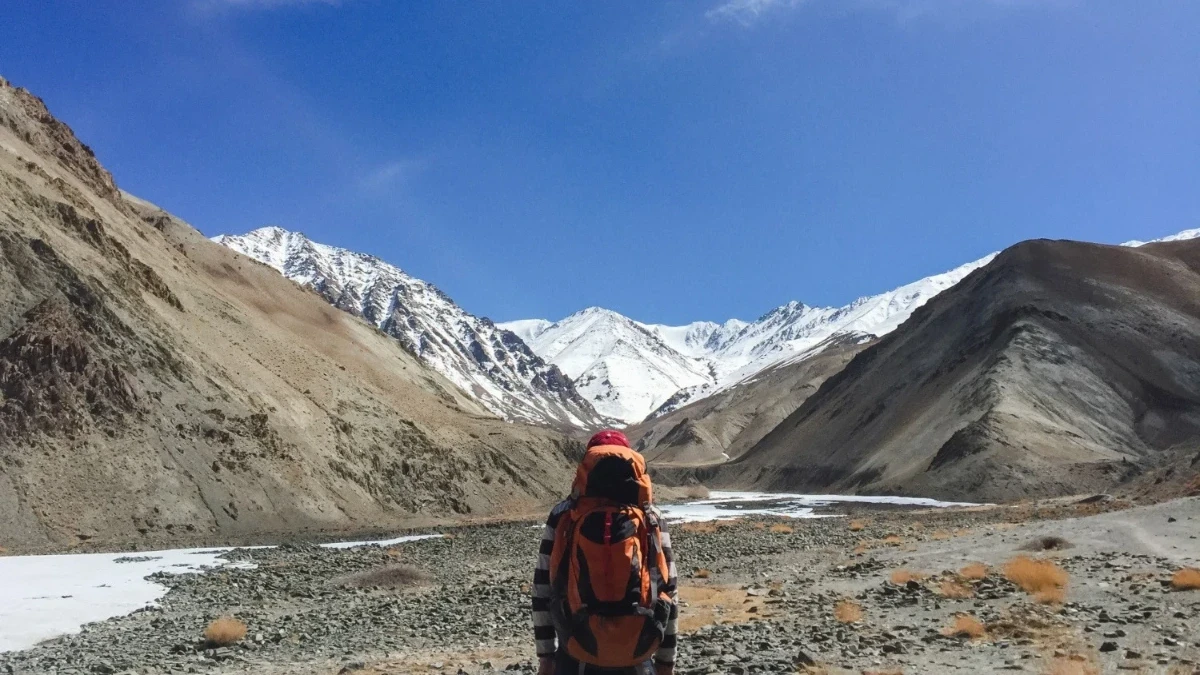
November is widely recognized as the prime month for trekking in Nepal, offering the most dependable weather window of the entire year. Right after the monsoon, the atmosphere clears completely, washing away dust and haze to reveal crisp blue skies and unobstructed, razor-sharp views of the Himalayan peaks.
Trails are firm and dry, leeches have vanished, and daytime hiking temperatures remain comfortably cool, preventing the exhaustion that comes with summer heat or early spring humidity. While nights above 4,000 meters do drop below freezing, the stable high-pressure systems minimize the threat of sudden blizzards, muddy washouts, or unexpected downpours, giving travelers the perfect balance of trail safety, reliable domestic flights, and unforgettable mountain vistas.
Why November is one of the Best Month for Trekking
1. Clear Skies and Sharp Mountain Views
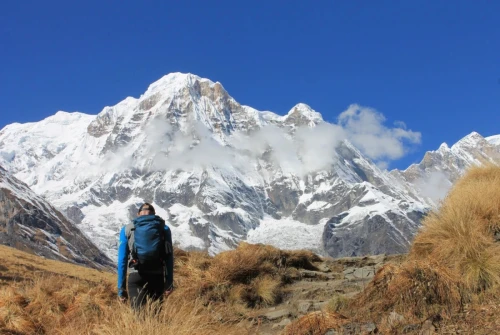
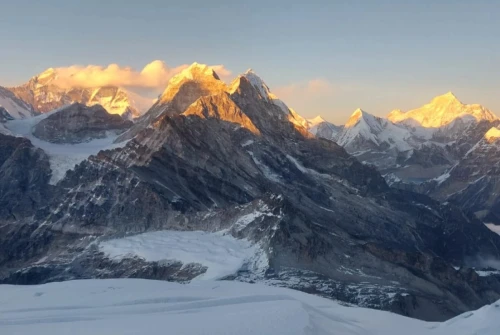
Monsoon rains wash away haze and dust from the atmosphere. By November, the air is clean and crisp, giving you unobstructed views of giants like Everest, Ama Dablam, Annapurna, and Manaslu from morning until sunset.
2. Pleasant Walking Weather
Daytime temperatures in the lower and mid-hills range between 12°C and 18°C (54°F–64°F)—ideal for walking without sweating excessively. While nights above 4,000 meters drop below freezing, a proper sleeping bag and down jacket keep you comfortable inside teahouses.
3. Dry, Safe Trails
Leeches and slippery mud disappear by November. High mountain passes like Thorong La (Annapurna) and Larkya La (Manaslu) are usually dry and free of heavy winter snow, making crossings much safer.
4. Reliable Flights to Lukla and Pokhara
Mountain flights depend strictly on clear weather. Because November has very little fog and low cloud cover, flights into Lukla (for Everest Base Camp) run far more reliably than in summer or late winter.
Top Trekking Routes to Explore in November
| Trek | Region | Duration | Maximum Elevation | Best For |
| Everest Base Camp (EBC) | Khumbu | 13-14 days | 5,545 m (Kala Patthar) | Classic high-altitude Himalayan views |
| Annapurna Circuit | Annapurna | 11-13 days | 5,416 m (Thorong La Pass) | Diverse landscapes and Tibetan-style villages |
| Annapurna Base Camp (ABC) | Annapurna | 5-15 days | 4,130 m | 360-degree mountain amphitheater |
| Manaslu Circuit | Manaslu | 14–15 days | 5,106 m (Larkya La Pass) | Pristine wilderness and authentic culture |
| Mardi Himal | Annapurna | 5–9 days | 4,500 m (High Camp/Viewpoint) | A shorter trek with close-up ridge views |
What to Expect on Weather and Temperature
- Below 2,500 meters: Warm and sunny days (15°C to 20°C). T-shirts and trekking pants are fine during the day.
- Between 2,500 and 4,000 meters: Mild days (10°C to 14°C) and cool evenings (0°C to 5°C). A light fleece is handy as soon as the sun dips.
- Above 4,000 meters: Crisp days (5°C to 8°C) and freezing nights (-5°C to -12°C). High-altitude lodges have wood- or yak-dung stoves in the dining room, but unheated bedrooms require a four-season sleeping bag.
Practical Tips for your November Trip
- Book early: Because November is peak season, teahouse rooms, domestic flights, and experienced guides get booked quickly. Lock in your arrangements ahead of time.
- Pack in layers: Dress in layers so you can shed clothes while walking uphill under the sun and add warm layers during rest stops.
- Mandatory guide rule: Foreign trekkers are required to hike with a licensed guide arranged through a registered agency. This rule ensures trail safety, simplifies permit checks, and provides emergency rescue coordination.
- Drink plenty of water: Dry autumn air accelerates dehydration. Drink at least 3 to 4 liters of purified water daily to help your body acclimatize to altitude.
Trek with All Nepal Hiking
Planning a Himalayan adventure requires solid logistics, strict safety standards, and deep local route knowledge. All Nepal Hiking is a government-registered trekking agency and active member of TAAN and NMA, led by Shankar Neupane and a dedicated team of certified local guides. We manage every detail behind the scenes—from locking in required permits and peak-season teahouse rooms to coordinating reliable domestic flights and ground transfers. Whether you are trekking solo, with a partner, or in a private group, we tailor every itinerary to match your pace, fitness, and schedule with built-in acclimatization days.


.webp)