based on 270 reviews

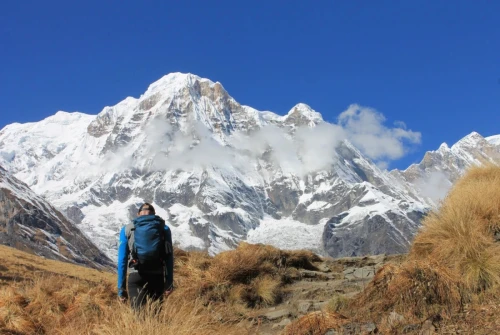
Winter in Nepal, spanning December to February, is often wrongly assumed to close the Himalayas to trekkers. In reality, only the very highest passes above roughly 5,000 meters become genuinely blocked by snow, while a wide range of low- and mid-altitude trails remain fully open, offering some of the clearest mountain visibility of the entire year. We have researched and compiled the 10 best winter treks in Nepal for 2026, along with the real altitude, temperature, and accessibility facts that make each one a safe and rewarding cold-season choice.
Why Winter Is a Genuinely Great Time to Trek in Nepal
Winter's dry, stable atmosphere clears away the seasonal haze and dust that often blur mountain views during spring and even parts of autumn. Trails stay quiet compared to the crowded peak seasons, teahouses remain open and well-heated across all major routes below 4,000 meters, and daytime temperatures in the popular Annapurna foothills typically range between 5°C and 15°C, dropping to between -2°C and -10°C at night depending on altitude. The main limitation is elevation: routes that stay below roughly 4,000 meters remain consistently accessible throughout winter, while treks approaching 5,000-meter passes should generally be avoided from late December through February.
1. Ghorepani Poon Hill Trek
Duration: 4–6 days | Highest Point: 3,210 m (Poon Hill)
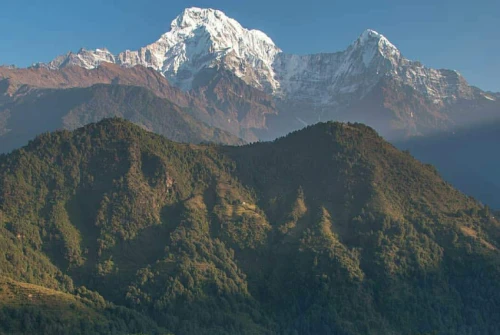
The Poon Hill Ghorepani Trek is consistently rated the top winter trek in Nepal, and for good reason: its modest altitude keeps it fully accessible all season, while its famous sunrise viewpoint delivers some of the clearest panoramic views of the Annapurna and Dhaulagiri ranges anywhere in the country. The trail passes through rhododendron forests and Gurung and Magar villages, and while snow occasionally dusts the higher stretches in late January and February, the trail is typically cleared quickly and remains passable.
2. Mardi Himal Trek
Duration: 5–7 days | Highest Point: 4,500 m (Mardi Himal Base Camp)
Mardi Himal base camp trek offers a quieter, less-commercial alternative to Poon Hill, climbing through forested ridgeline to a base camp with close-up views of Machhapuchhre (Fishtail). Because the trek stays below 4,500 meters, it remains a safe and manageable winter option, though trekking poles and microspikes are recommended above 3,500 meters, where icy patches are common in January and February.
3. Everest Panorama (Everest View) Trek
Duration: 5–7 days | Highest Point: 3,880 m (Everest View Hotel, near Khumjung)
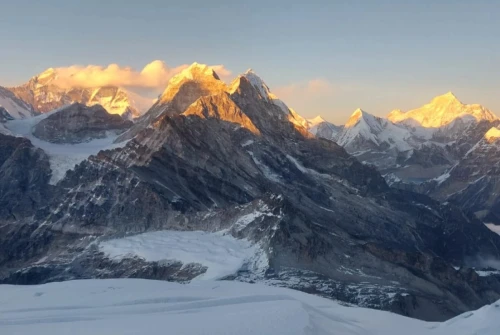
For travelers who want to see Mount Everestwithout the altitude risk or duration of the full Everest Base Camp trek, the Everest Panorama Trek is the ideal winter alternative. The route stays well below the highest Khumbu passes, reaching only as far as Namche Bazaar and the Everest View Hotel area, yet still delivers direct views of Everest, Lhotse, and Ama Dablam, along with a visit to the culturally significant Tengboche Monastery.
4. Langtang Valley Trek
Duration: 7–10 days | Highest Point: 3,870 m (Kyanjin Gompa)
The Langtang Valley Trek, the closest major trekking region to Kathmandu, is considered one of the most reliable winter routes in Nepal because it involves no high passes or technical terrain. Its geography provides comparatively stable winter conditions, with the trail passing through pine, oak, and rhododendron forest along the Langtang Khola River before opening into a wide valley surrounded by Langtang Lirung, Dorje Lakpa, and Gangchempo.
5. Tamang Heritage Trail
Duration: 7–9 days | Highest Point: 3,165 m (day-hike only; overnight max 2,600 m at Tatopani)
Located in the same Langtang region, the Tamang Heritage Trail is one of the lowest-altitude multi-day treks in Nepal, with overnight stops never exceeding 2,600 meters. This makes it particularly well suited to winter travelers who want a culturally rich journey through indigenous Tamang villages without exposure to the colder, higher-altitude nights found on most other Himalayan routes.
6. Khopra Danda Trek
Duration: 7–9 days | Highest Point: 3,660 m (Khopra Ridge)
TheKhopra Danda Trekin the Annapurna region remains accessible throughout winter, with minimum temperatures typically between -2°C and -4°C even at its highest point. The trail offers wide panoramic views of the Annapurna Himalaya and the sacred Khayer Lake, while seeing considerably fewer trekkers than the nearby Poon Hill route, even during the busiest seasons.
7. Pikey Peak Trek
Duration: 5–7 days | Highest Point: 4,065 m (Pikey Peak)
Located in the southern Solukhumbu region, the Pikey Peak Trekking offers panoramic Himalayan views, including Everest, Lhotse, Makalu, and Gaurishankar, from a significantly lower and less crowded route than the main Everest trails. Its lower elevation and gentler terrain make it a comfortable winter option for trekkers seeking an authentic Sherpa cultural experience without the altitude demands of the Khumbu region.
8. Ghandruk and Australian Camp (Dhampus) Trek
Duration: 3–5 days | Highest Point: roughly 2,100 m (Australian Camp)
For a shorter, lower-altitude winter escape from Pokhara, the Ghandruk Australian Camp route offers stable winter conditions, with daytime temperatures between 8°C and 15°C and only occasional light snowfall in January or February. The trail passes through one of Nepal's most picturesque Gurung villages, with clear, unobstructed views of the Annapurna massif from Australian Camp.
9. Annapurna Base Camp Trek
Duration: 7–10 days | Highest Point: 4,130 m (Annapurna Base Camp)
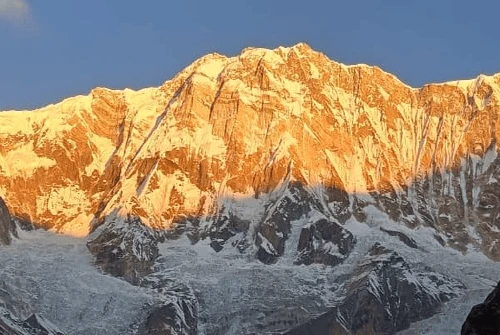
Mount Annapurna Base Camp is accessible in early winter, particularly in December, though trekking becomes more demanding as snowfall increases through January and February, especially on the exposed sections between Tadapani and Deurali. Trekkers attempting this route in deep winter should carry microspikes or crampons and build in extra contingency days. The reward is one of Nepal's most dramatic destinations: a natural amphitheater of peaks including Annapurna I, Annapurna South, Machhapuchhre, and Hiunchuli, with the added winter bonus of hot springs at Jhinu Danda on the return leg.
10. Jomsom Muktinath (Lower Mustang) Trek
Duration: 6–8 days | Highest Point: 3,800 m (Muktinath Temple)
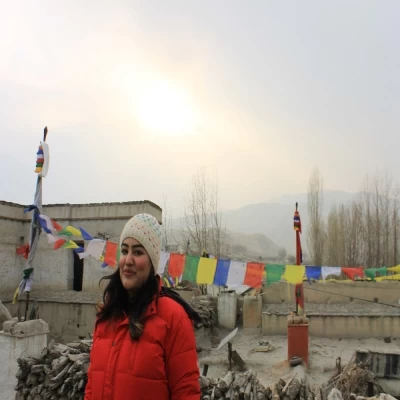
Lower Mustang, including the route to Jomsom and Muktinath, sits partly within the Annapurna rain shadow, giving it a notably dry winter climate with less snowfall risk than trails further south. The trek combines dramatic high-desert scenery with visits to the sacred Muktinath Temple, an important pilgrimage site for both Hindus and Buddhists, making it a strong winter choice for travelers seeking both mountain views and cultural depth.
Winter Trekking Safety Tips for Nepal
Watch Your Altitude Ceiling: Treks staying below 4,000 meters remain the most reliably accessible throughout winter; routes approaching 5,000-meter passes should generally be avoided from late December through February unless attempted with full expedition-level preparation.
Pack for Extreme Temperature Swings: Daytime temperatures in popular regions can reach a comfortable 10–15°C, while nights at higher elevations can drop below -10°C, so layered clothing and a sleeping bag rated to at least -20°C are essential.
Carry Traction Gear: Lightweight microspikes or crampons are strongly recommended for icy sections, particularly on shaded, high-altitude stretches above 3,000 meters in January and February.
Build in Contingency Days: We recommend adding 2 to 3 extra days to any winter itinerary to account for possible weather delays or temporary trail closures after heavy snowfall.
Hire a Licensed Guide: A guide familiar with current winter trail conditions is essential for both safety and route planning, particularly on higher-altitude sections where conditions can change quickly.
Frequently Asked Questions About Winter Trekking in Nepal
Is it safe to trek in Nepal during winter?
Yes. Trails below 4,000 meters, including Ghorepani Poon Hill, Mardi Himal, and Langtang Valley, remain safe and well-maintained throughout winter, with teahouses open and heated along the route.
Which month is best for winter trekking in Nepal?
December is generally considered the most favorable winter month, offering clear skies and lighter snowfall before conditions become more challenging in January, Nepal's coldest month.
Can I trek to Everest Base Camp or Annapurna Circuit in winter?
These high-altitude routes become significantly more difficult from late December onward due to snow-blocked passes; the Everest Panorama Trek and early-December Annapurna Base Camp attempts are safer alternatives for winter travel.
Do I need special gear for winter trekking in Nepal?
Yes, including a sleeping bag rated to at least -20°C, insulated layered clothing, microspikes or crampons for icy sections, and trekking poles for stability on snow-covered trails.
Are teahouses open during winter in Nepal?
Yes, most teahouses on popular routes remain open year-round with heated dining areas, though some lodges above 4,000 meters may close as local communities move to lower altitudes for the season.
Final Thoughts on Choosing a Winter Trek in Nepal
Far from being off-limits, winter offers some of Nepal's clearest skies, quietest trails, and most photogenic snow-dusted landscapes of the entire year. Whether it's the classic sunrise views from Ghorepani Poon Hill, the low-altitude cultural immersion of the Tamang Heritage Trail, or the dramatic high-desert scenery of Lower Mustang, choosing a route matched to winter's altitude limits ensures a safe, comfortable, and deeply rewarding Himalayan experience.


.webp)