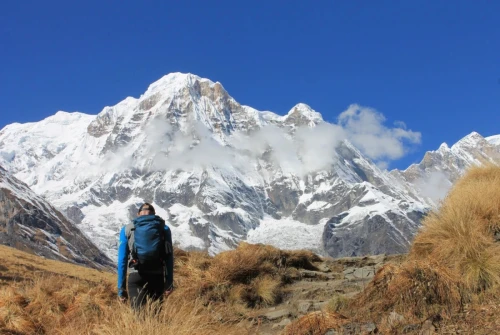
A Sacred Alpine Lake in Sindhupalchok, Nepal
Hidden in the northern hills of Sindhupalchok district near the Nepal–China border, Bhairav Kunda (4,250m) is one of Nepal’s most sacred and least-explored alpine lakes. Surrounded by dramatic cliffs, alpine meadows, and panoramic Himalayan views, this spiritual lake offers a rare combination of adventure, culture, and serenity.
Despite being relatively close to Kathmandu, Bhairav Kunda Nepal remains untouched by mass tourism. If you are looking for an off-the-beaten-path trekking destination in Nepal that blends spiritual significance with raw Himalayan beauty, Bhairav Kunda is a perfect choice.
Where is Bhairav Kunda?
Bhairav Kunda is a sacred high-altitude lake located in Sindhupalchok district of northeastern Nepal, close to the Nepal–China (Tibet) border. Nestled in a remote alpine setting, the lake sits at an altitude of 4,250 meters (13,944 feet) above sea level.
Quick Facts
District: Sindhupalchok
Region: Near Nepal–China (Tibet) border
Altitude: 4,250 meters (13,944 ft)
Trek Duration: 2–5 days (depending on itinerary)
Difficulty Level: Moderate
Best Season: Spring (March–May) & Autumn (September–November)
The lake lies north of the Araniko Highway, one of the main routes connecting Kathmandu to the northern border. Trekkers typically access Bhairav Kunda via Chagam, Bagam, and Chokar Mokar villages, which serve as key stopovers before the final ascent to the lake.
Despite being relatively close to Kathmandu, Bhairav Kunda remains a peaceful and less-crowded trekking destination, offering both spiritual significance and breathtaking Himalayan scenery.
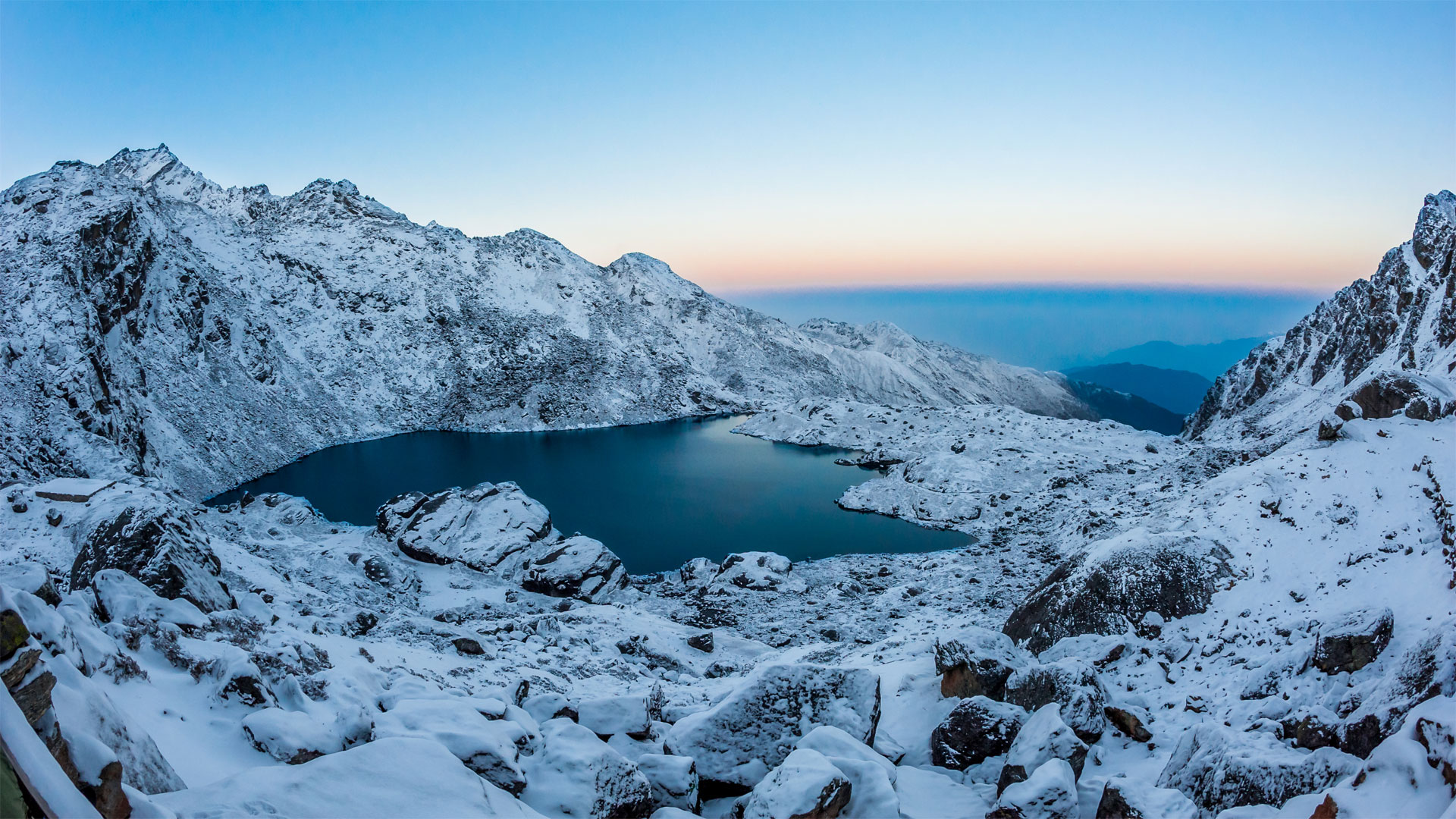
Religious & Cultural Significance of Bhairav Kunda
Bhairav Kunda is more than a high-altitude lake, it is a sacred spiritual site deeply rooted in both Hindu and Buddhist traditions. For centuries, devotees and local communities have revered this alpine lake as a powerful place of purification, protection, and natural divinity.
Hindu Belief
In Hindu mythology, the lake is named after Lord Bhairav, the fierce and protective manifestation of Lord Shiva. Bhairav represents destruction of evil and protection of devotees.
According to local legends and spiritual beliefs:
The divine reflection of Lord Bhairav can be seen in the still waters of the lake.
Bathing in the icy water of Bhairav Kunda is believed to cleanse sins and negative karma.
Taking a holy dip during Janai Purnima (August full moon) brings protection, blessings, and spiritual renewal.
Every year during Janai Purnima, hundreds of pilgrims from across Nepal and even nearby Tibetan regions undertake a challenging journey to reach the lake. Despite the freezing temperature at 4,250 meters, devotees immerse themselves in the sacred water as an act of faith and purification.
Buddhist Connection
Bhairav Kunda is also highly respected in Buddhist tradition, particularly among the Sherpa and Tamang communities living in the region. The spiritual landscape reflects a harmonious blend of Hindu and Buddhist beliefs, where mountains, lakes, and forests are considered sacred living entities.
The lake is locally known as “Ama Chhemen”, meaning Mother’s Pond. This name symbolizes nature as a nurturing and protective mother pure, life-giving, and sacred. The concept beautifully captures the Himalayan philosophy of respecting and living in harmony with nature.
Together, these beliefs make Bhairav Kunda not only a trekking destination but also a place of spiritual energy, cultural heritage, and deep Himalayan devotion.
Bhairav Kunda Trek Route
The Bhairav Kunda trek offers a mix of adventure, culture, and serene alpine landscapes. The route is relatively short but provides breathtaking views and a spiritual trekking experience.
How to Reach Bhairav Kunda from Kathmandu
The journey begins from Kathmandu, heading northeast along the Araniko Highway. The route is as follows:
Kathmandu → Dhulikhel → Barhabise → Chagam → Bagam → Chokar Mokar → Bhairav Kunda
The initial drive on the Araniko Highway is smooth and scenic.
After turning off the highway toward Chagam and Bagam, the roads become rough and off-road driving is required.
A 4WD vehicle is highly recommended for comfort and safety.
For adventurous travelers, the route is also accessible by motorbike, adding an extra thrill to the journey.
Popular Trek Starting Points
Bagam Village: Most trekkers begin the trek here. It provides easy access to the lake and a chance to interact with local communities.
Chokar Mokar: Serves as the last tea stop before the final trek to Bhairav Kunda. Overnight stay is possible if weather conditions require.
This route combines scenic drives, village encounters, and moderate trekking, making it an ideal short trek near Kathmandu for both spiritual seekers and adventure enthusiasts.
Trekking Experience to Bhairav Kunda Nepal
The Bhairav Kunda trek is relatively short but incredibly rewarding, offering a perfect combination of nature, culture, and spirituality. The trail takes trekkers through some of the most pristine and untouched landscapes of Sindhupalchok.
Trail Highlights
Dense alpine forests: Lush greenery and towering trees create a serene environment.
Misty ridges: Early morning mist adds a mystical charm to the trek.
Yak pastures: Spot grazing yaks along high-altitude meadows.
Sherpa and Tamang settlements: Experience authentic local culture and hospitality.
Dramatic cliff landscapes: Perfect spots for photography and panoramic views.
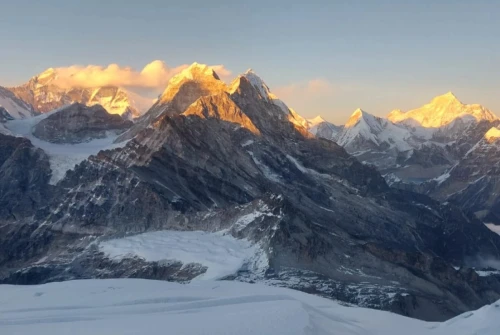
From Deurali, trekkers are treated to endless layers of green hills stretching toward the horizon. On a clear day, the trek offers uninterrupted views of major Himalayan ranges, including:
Gaurishankar Himal
Rolwaling Range
Yugal Himal
As you near Bhairav Kunda, a deep silence envelops the surroundings. The still water reflects the sky, snow patches, and surrounding peaks, creating a surreal and spiritual experience. Standing at the edge of the lake, you feel a rare sense of peace a moment where nature, spirituality, and adventure converge.
This trek is perfect for those seeking an offbeat trek in Nepal that combines spiritual trekking, Himalayan scenery, and authentic village experiences.
Bhairav Kunda Trek Itinerary - 2 to 5 Days
The Bhairav Kunda trek can be completed in 2 to 5 days, depending on your pace, weather, and exploration preferences. Here’s a suggested itinerary:
Day 1: Kathmandu → Chagam / Bagam (6–8 hrs)
Drive via Araniko Highway toward Sindhupalchok.
Scenic views of valleys and distant snow-capped peaks along the way.
Overnight stay in a local lodge in Chagam or Bagam.
Day 2: Chagam → Chokar Mokar
Drive further along rough roads.
Short acclimatization hike around Chokar Mokar.
Overnight stay in a local tea house or lodge.
Day 3: Trek to Bhairav Kunda (4–6 hrs)
Trek through dense alpine forests, yak pastures, and misty ridges.
Visit Bhairav Kunda lake and temple.
Overnight camping near the lake or staying in a basic tea house.
Day 4: Explore & Return to Bagam
Optional early sunrise hike for Himalayan panoramas.
Trek back to Bagam village.
Overnight stay in a local lodge.
Day 5: Drive back to Kathmandu
Note: Custom itineraries from 2 to 5 days are possible depending on weather, road conditions, and fitness level. Extra days allow for more exploration of village life, cultural interactions, and Himalayan photography.
This itinerary is perfect for travelers seeking a short trek near Kathmandu, combining spiritual experiences, nature, and adventure.
2-Day Bhairav Kunda Adventure Itinerary
Day 1: Journey to the Highlands
Start your adventure from Kathmandu, leaving the city chaos behind and heading toward the serene mountains. Pause for a riverside lunch at Sukute, savoring Dal Bhat beside the roaring Bhote Koshi river. Continue to The Last Resort Bungee Bridge to experience Nepal’s iconic jump site. Visit Listikot Temple for sacred hilltop views and a moment of mountain serenity. Arrive at Bagam Village, your cozy mountain basecamp, and explore its winding pathways, meeting friendly locals while the golden hour casts magic over the village. End the day gathered around a campfire under the stars, sharing stories and songs, and enjoy a traditional mountain dinner to warm your soul.
Day 2: Summit Bhairav Kunda and Return
Rise early to the crisp mountain air, and prepare for your trek to Bhairav Kunda. If roads are open, take a Scorpio ride to Chokar Mokar; otherwise, begin the hike directly through rhododendron forests and misty trails. Reach Bhairav Kunda, the sacred alpine lake where legends live on, and marvel at the breathtaking views. After soaking in the serene surroundings, begin the descent back to Bagam Village. Celebrate your achievement with a hearty lunch, then pause for snacks at Sukute beside the river before returning to Kathmandu, carrying unforgettable memories of mountains, lakes, and village life.
Accommodation & Food on Bhairav Kunda Trek
During the Bhairav Kunda trek, accommodation and food are simple but comfortable, reflecting the authentic Himalayan village experience.
Accommodation
Tea houses in Chagam, Bagam, and Chokar Mokar provide basic lodging with shared rooms and limited amenities.
Near Bhairav Kunda lake, facilities are very limited; camping is recommended for trekkers wanting to stay close to the sacred lake.
Lodges are run by local Tamang and Sherpa families, offering warm hospitality and a cozy atmosphere.
Food
Trekkers can enjoy traditional Nepali and Tibetan meals, including:
Dal Bhat – the classic Nepali rice and lentil meal
Noodles – often served with vegetables or meat
Tibetan bread (Tingmo) – soft steamed bread
Tea & simple snacks – perfect for quick energy on the trail
Tip: Carry some energy bars or personal snacks, especially for trekking days near the lake, as options are limited.
The combination of local cuisine, genuine hospitality, and alpine scenery makes dining and staying along the Bhairav Kunda trek a memorable part of the journey.
Difficulty Level & Preparation for Bhairav Kunda Trek
The Bhairav Kunda trek is considered moderate in difficulty, making it accessible for trekkers with basic fitness. However, some preparation is essential to ensure a safe and enjoyable journey.
Trek Difficulty
Level: Moderate
Maximum Altitude: 4,250 meters (13,944 ft)
Trail Type: Combination of forest paths, ridges, and moderate ascents
Suitable For: Beginners with basic fitness, spiritual seekers, and adventure enthusiasts
Altitude Consideration
Mild altitude sickness is possible due to the high elevation.
Proper acclimatization is recommended, especially if you are trekking from lower altitudes like Kathmandu (1,400 m).
Preparation Tips
Fitness: Engage in regular walking, hiking, or cardio exercises 4–6 weeks before the trek.
Gear:
Warm clothing for cold mornings and nights
Waterproof jacket for rain or snow
Good trekking shoes with ankle support
Health:
Trekking Essentials:
With basic preparation and caution, the Bhairav Kunda trek is highly rewarding, offering a mix of spiritual experience, Himalayan landscapes, and authentic village culture.
Why Visit Bhairav Kunda?
Bhairav Kunda is not just a trekking destination, it's a complete Himalayan experience that combines adventure, spirituality, and culture. Here’s why you should include it in your Nepal itinerary:
Off-the-Beaten-Path Trek
Unlike crowded trails in Everest or Annapurna regions, Bhairav Kunda remains a hidden gem. Trekkers can enjoy solitude, untouched nature, and peaceful trails.
Spiritual Energy
The lake is sacred in both Hindu and Buddhist traditions, with deep mythological roots. Pilgrims come here for purification and blessings, making it a spiritually uplifting experience.
Himalayan Views
From the trekking trail and surrounding viewpoints, enjoy breathtaking panoramas of Rolwaling, Gaurishankar, and Yugal Himalayan ranges. Sunrise and sunset over the peaks are especially mesmerizing.
Cultural Experience
The trail passes through Tamang and Sherpa villages, offering opportunities to witness traditional Himalayan lifestyles, warm hospitality, and local festivals.
Adventure + Peace
Bhairav Kunda offers the perfect balance: rugged off-road drives, moderate trekking, and serene lake surroundings. It’s a place where adventure meets meditation-like calmness.
Visiting Bhairav Kunda is ideal for travelers seeking a spiritual trekking experience, Himalayan photography, and offbeat adventures near Kathmandu.
Best Time to Visit Nepal Bhairav Kunda
The Bhairav Kunda trek is accessible year-round, but the experience varies depending on the season. Here’s a detailed guide to help you plan your visit:
Spring (March–May)
Weather: Stable and clear skies
Highlights: Blooming rhododendrons, lush green valleys
Advantages: Comfortable temperatures, great trekking conditions, and excellent photography opportunities
Autumn (September–November)
Weather: Dry and clear
Highlights: Best mountain views, crisp air, and golden forests
Advantages: Ideal for trekking and capturing panoramic Himalayan landscapes
Winter (December–February)
Weather: Snowfall and chilly temperatures
Highlights: Snow-covered trails and lake surroundings
Challenges: Trekking becomes more difficult; accessibility may be limited
Advantages: Stunning winter scenery and solitude
Monsoon (June–August)
Weather: Rainy season with slippery trails
Challenges: Landslide risk and difficult trekking conditions
Special Attraction: Janai Purnima pilgrimage, when hundreds of devotees take a sacred dip in Bhairav Kunda
Tip: For most trekkers, Spring and Autumn are the best seasons for clear views, comfortable weather, and safe trekking conditions.
Bhairav Kunda Altitude & Elevation
Bhairav Kunda is a high-altitude alpine lake situated at 4,250 meters (13,944 feet) above sea level in Sindhupalchok district, Nepal.
Altitude/Elevation: 4,250 m / 13,944 ft
Significance: The high elevation makes the lake a cold alpine environment with snow patches for much of the year.
Acclimatization: Trekkers should allow time to adjust to the altitude to prevent mild altitude sickness, especially if ascending quickly from lower elevations like Kathmandu (1,400 m).
Temperature: At this altitude, daytime temperatures are cool even in summer, while nights can drop below freezing, particularly in winter.
The combination of high-altitude serenity and panoramic Himalayan views makes Bhairav Kunda a rewarding destination for trekkers seeking both adventure and spirituality.
Bhairav Kunda Trek Distance & Route
The Bhairav Kunda trek is a short to moderate trek suitable for travelers looking for an offbeat Himalayan adventure near Kathmandu. While short in distance, it involves high-altitude trekking with breathtaking Himalayan views, spiritual immersion, and cultural encounters.
Trekking Distance
Round Trip from Bagam Village: 18–22 km
Trek Duration: 1–3 days from Bagam (or 4–5 days including drive from Kathmandu and exploration)
Trail Type: Combination of dirt roads, forest paths, ridges, and alpine meadows
Starting Point: Bagam Village (most common) or Chokar Mokar (final tea stop before the lake)
Elevation Gain: From Bagam (2,000–2,200 m) to Bhairav Kunda (4,250 m), a total gain of roughly 2,000 meters
From Kathmandu
Drive Route: Kathmandu → Dhulikhel → Barhabise → Chagam → Bagam → Chokar Mokar
From Kathmandu to bhairab kunda Distance by road is 120–140 km (6–8 hours, depending on road conditions)
From Pokhara
Drive Route: Pokhara → Kathmandu (or via Dumre → Barhabise) → Chagam → Bagam → Chokar Mokar
Trek: Same as from Kathmandu: Bagam → Bhairav Kunda → Bagam
Total Duration: 5–7 days (including travel from Pokhara)
Trail Highlights of Bhairav Kunda trek
Scenic alpine forests, misty ridges, and yak pastures
Views of Himalayan ranges: Rolwaling, Gaurishankar, Yugal
Cultural encounters with Tamang and Sherpa communities
Moderate trekking with high-altitude gain, suitable for those with basic fitness
The trek is relatively short in distance but challenging due to altitude. Planning extra time for acclimatization, exploration, and photography is recommended.
Facilities on Bhairav Kunda Trek
The Bhairav Kunda trek is an offbeat Himalayan route, so facilities are basic but sufficient for most trekkers. Here’s a detailed overview:
Accommodation
Tea houses & lodges: Available in Chagam, Bagam, and Chokar Mokar villages
Near the lake: Minimal facilities; camping is recommended for overnight stays
Comfort Level: Simple rooms with basic bedding; no luxury amenities
Hospitality: Local Tamang and Sherpa families provide warm and genuine hospitality
Food
Transportation & Access
Road Access: Kathmandu → Dhulikhel → Barhabise → Chagam → Bagam → Chokar Mokar
Vehicle Recommendations: 4WD vehicle or motorbike for off-road sections
Trail Type: Combination of dirt roads, forest paths, and ridges
Safety & Communication
Mobile Network: Limited or no signal near Bhairav Kunda; can get signal in Bagam or Chagam
Medical Facilities: Only basic first aid in villages; serious emergencies require evacuation to Kathmandu
Guide/Porter: Highly recommended for safety, navigation, and cultural guidance
Other Facilities
Camping: Near the lake for trekkers who want an immersive experience
Tea Stops: Available along the trail at Chokar Mokar and small village settlements
Rest Areas: Scenic viewpoints along the trail provide opportunities to rest and enjoy Himalayan panoramas
Tip: This trek emphasizes offbeat adventure and spiritual immersion, so comfort is basic, but the natural beauty, culture, and serenity make it highly rewarding.
Responsible Travel at Bhairav Kunda lake
Bhairav Kunda remains pristine because it is not over-commercialized. To protect it:
Carry back all waste
Respect local traditions
Avoid loud music
Support local tea houses
Do not pollute the lake
Sustainable tourism can help boost the local economy while preserving cultural and natural heritage.
Packing List & Gear Essentials
Trekking to Bhairav Kunda requires preparation for high-altitude, alpine conditions. Here’s what you should pack:
Clothing:
Warm layers (fleece, down jacket)
Waterproof jacket and pants
Thermal base layers for cold mornings and nights
Trekking pants and shirts (quick-dry recommended)
Gloves, hat, and scarf
Footwear:
Trekking Gear:
Daypack (20–30L)
Trekking poles (helpful for steep sections)
Sleeping bag (if camping near the lake)
Headlamp/flashlight with extra batteries
Other Essentials:
Photography & Scenic Spots
Bhairav Kunda lake is a photographer’s paradise. Key spots include:
Bhairav Kunda Lake: Crystal-clear reflections of mountains and sky
Deurali viewpoint: Layers of green hills stretching into the horizon
Chokar Mokar trail: Misty forests and yak pastures
Sunrise & Sunset at the lake: Soft golden light over Himalayan ranges
Tip: Early morning or late afternoon provides the best light for landscape and reflection shots.
Local Community & Culture
The trek passes through Tamang and Sherpa villages, offering a glimpse of authentic Himalayan life:
Friendly local families running tea houses and lodges
Traditional festivals, rituals, and local prayers
Interaction with villagers allows you to learn about farming, yak herding, and spiritual practices
Local handicrafts and simple cuisine give a taste of regional culture
Respecting local customs, dressing modestly, and supporting small businesses enhances your cultural experience.
Safety & Health Tips
While Bhairav Kunda is a moderate trek, high-altitude and remote conditions require caution and preparation:
Altitude: Maximum 4,250 m take time to acclimatize and watch for mild symptoms like headache or nausea
Weather: Be prepared for sudden rain, snow, or cold winds
Trail Hazards: Slippery paths during monsoon; steep sections near ridges
Health: Stay hydrated, avoid alcohol, and carry basic medicines
Emergency Plan: Limited mobile network; inform someone of your itinerary, hire a guide if unfamiliar with the trail
Trekking with a guide is highly recommended for safety, navigation, and cultural insights.
Bhairav Kunda vs Gosaikunda Lake
Feature | Bhairav Kunda | Gosaikunda Lake |
Location | Sindhupalchok district, near Nepal–China border | Rasuwa district, Langtang region, near Langtang National Park |
Altitude | 4,250 m (13,944 ft) | 4,380 m (14,370 ft) |
Religious Significance | Sacred in Hinduism (Lord Bhairav) and respected by Buddhists; pilgrimage during Janai Purnima | Highly sacred Hindu pilgrimage site dedicated to Lord Shiva; Janai Purnima festival is major |
Accessibility | Short trek; 2–6 days from Kathmandu; accessible via Chagam and Bagam | Moderate trek; 4–6 days from Dhunche; more remote and higher altitude |
Crowd Levels | Off-the-beaten-path, less crowded | Popular pilgrimage site, busier during Janai Purnima |
Trek Difficulty | Moderate; suitable for trekkers with basic fitness | Moderate to challenging due to longer trails and higher altitude |
Trail Highlights | Alpine forests, yak pastures, Sherpa & Tamang villages, panoramic Himalayan views | Pine and rhododendron forests, glaciers, snowfields, alpine lakes, Langtang Himalayan panorama |
Accommodation | Basic tea houses in Chagam, Bagam, Chokar Mokar; limited near lake | Tea houses and lodges along Langtang trail; some camping near Gosaikunda |
Best Season | Spring (Mar–May) & Autumn (Sep–Nov); winter & monsoon more challenging | Spring (Mar–May) & Autumn (Sep–Nov); Janai Purnima pilgrimage in Aug |
Unique Feature | Serene, spiritual, and offbeat; pristine alpine lake with cultural immersion | Sacred pilgrimage lake with multiple smaller lakes surrounding the main lake; rich Hindu mythology |
Key Takeaways
Bhairav Kunda is ideal for trekkers seeking offbeat, peaceful, and spiritual experiences with cultural encounters.
Gosaikunda is more crowded during festivals, has higher altitude, and is a major Hindu pilgrimage site.
Trek difficulty is slightly higher at Gosaikunda due to elevation and longer trek distances.
Both offer stunning Himalayan views, but Bhairav Kunda is more remote and untouched, while Gosaikunda is more well-known and developed for pilgrims and trekkers.
In short, choose Bhairav Kunda for solitude, culture, and offbeat trekking, and Gosaikunda for religious pilgrimage and iconic Himalayan scenery.
Cost of Bhairav Kunda Trek For Nepali and Foreginer
Category | Approx Cost (Per Person) |
Transportation (Shared Jeep) | NPR 3,000–6,000 |
Food & Accommodation | NPR 1,500–2,500 per day |
Guide (Optional) | USD 25–30 per day |
Porter (Optional) | USD 20–25 per day |
Camping Equipment | Extra cost |
Note: Prices vary depending on group size and season.
Is Bhairav Kunda Trek Worth It?
Absolutely.If you are searching for:
A short Himalayan trek near Kathmandu
A sacred lake in Nepal
A peaceful alternative to commercial trekking routes
A cultural and spiritual journey
Bhairav Kunda is a hidden gem waiting to be explored.
Frequently Asked Questions Bhairav Kunda
How difficult is Bhairav Kunda Trek?
It is moderate. Suitable for beginners with decent fitness.
Do I need a permit?
Generally, no special trekking permit is required, but check local regulations as it lies near a border area.
Is camping necessary?
During peak seasons, tea houses operate. However, camping offers better flexibility.
Can beginners do this trek?
Yes, with proper preparation and acclimatization.
How far is Bhairav Kunda from Kathmandu?
Approximately 120–140 km by road plus trekking distance.
Final Thoughts
Bhairav Kunda is not just a destination , it is a spiritual experience carved into the Himalayas. It is the stillness of sacred waters, the whisper of mountain winds, and the warmth of remote village life.
Unlike the busy trails of Everest or Annapurna, Bhairav Kunda remains raw, quiet, and deeply personal. Visiting here feels like stepping back into a simpler, purer world one where nature and spirituality exist in perfect harmony.
If Nepal is the soul of the Himalayas, then Bhairav Kunda is one of its most peaceful heartbeats.
 based on 270 reviews

.webp)