based on 270 reviews

The Everest Base Camp Trek remains the undisputed gold standard for Himalayan trekking adventures and bucket-list travel in Nepal. Every year, thousands of adventure seekers flock to the Khumbu Valley to witness the world’s highest peak, immerse themselves in authentic Sherpa culture, and conquer the physical challenges of high-altitude trekking.
Whether you are researching the 14-day EBC itinerary, calculating the total Everest Base Camp trek cost per person per day , or looking for the best time to trek to Everest (Spring vs. Autumn), proper preparation is the foundation of a successful summit.
To help you navigate the Sagarmatha National Park (a UNESCO World Heritage site), we’ve updated our definitive guide. From the Lukla flight logistics to Kala Patthar sunrise views, here are the top Best Things to Do During Everest Base Camp Trekking
trail, featuring expert acclimatization tips, Nepal trekking permit updates, and essential EBC gear lists for 2026 and 2027.
Top 10 Things to Do on Everest Base Camp Trek
Capture Aerial Views on Your Flight to Lukla
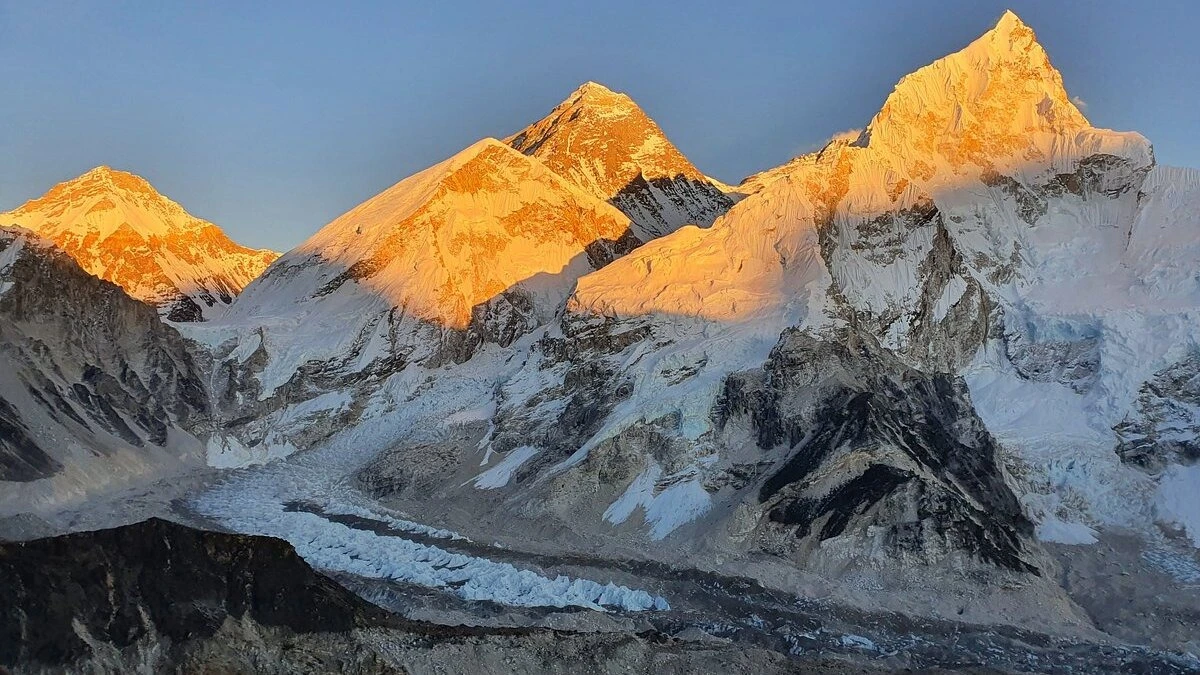
Your Himalayan Base camp trekking adventure officially kicks off with the legendary flight to Hillary airport Lukla. As of 2026 and 2027 , most trekkers during the peak Spring (March–May) and Autumn (September–November) seasons will take a Manthali to Lukla flight from Ramechhap Airport to avoid Kathmandu air traffic. This 20-minute journey is widely considered one of the most scenic flights in the world, offering a front-row seat to the top peaks in Nepal.
To ensure a smooth start to your Everest Base Camp itinerary, keep these expert tips in mind:
Best Views: Request a seat on the left side of the plane when flying to Lukla to see the Himalayan panorama, including Langtang and Lhotse.
Baggage Allowance: The Lukla flight weight limit is strictly 15 kg (33 lbs) per person, including your 5 kg carry-on. Wear your heavy trekking boots and layers on the plane to save space in your EBC duffel bag.
2026 Logistics: Be prepared for an early 1 AM – 2 AM departure from Kathmandu if you are taking the Ramechhap to Lukla transfer by road before your flight.
Explore Lukla Town and Tenzing-Hillary Airport
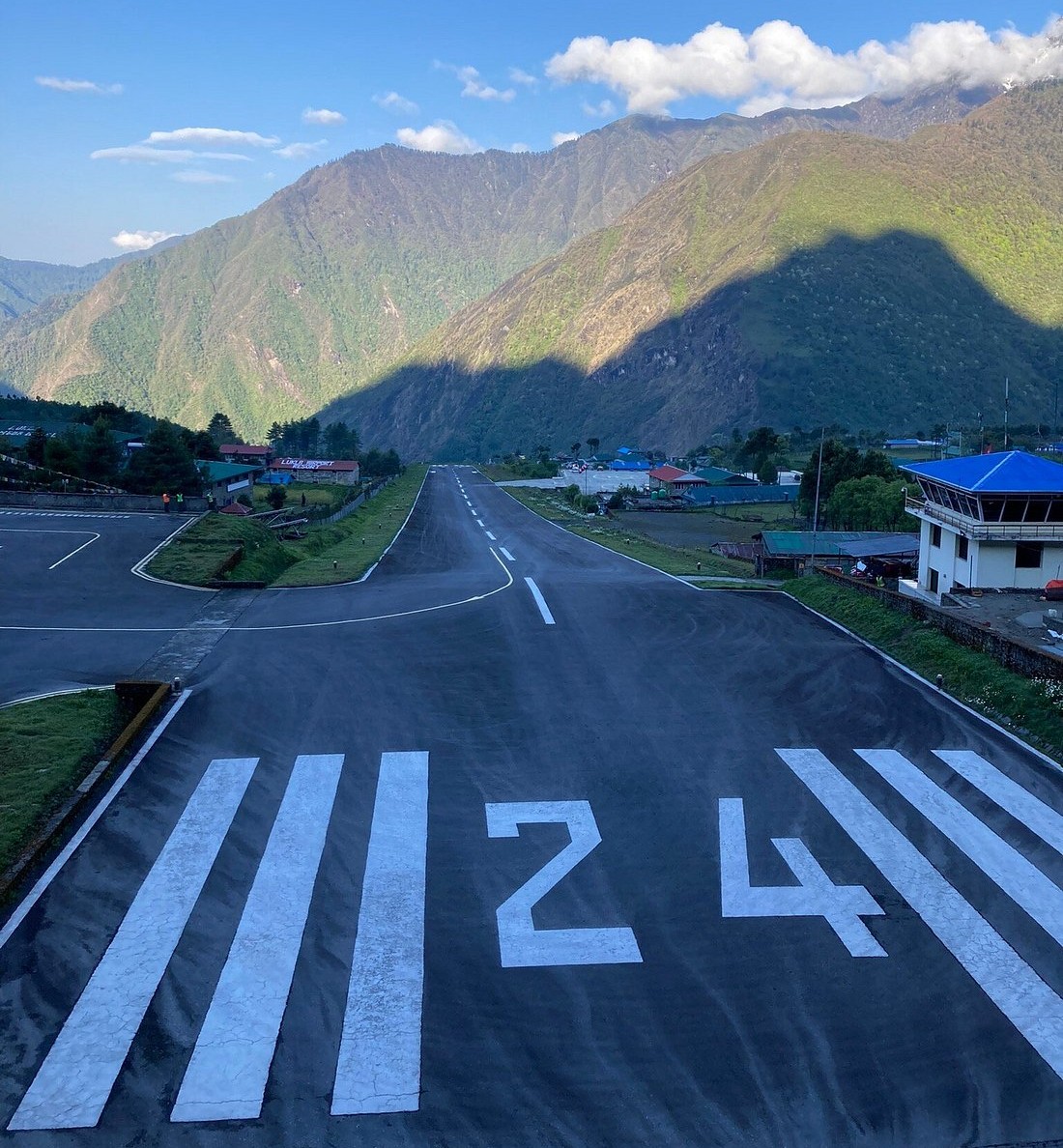
As the primary Everest Base Camp Trek starting point, Lukla Town (2,860m) is the heartbeat of the Khumbu region. Whether you are arriving on a Manthali to Lukla flight or a direct helicopter from Kathmandu, this vibrant town is where your Himalayan journey truly begins.
In 2026 and 2027, Lukla remains a critical hub for logistics, permits, and last-minute preparation:
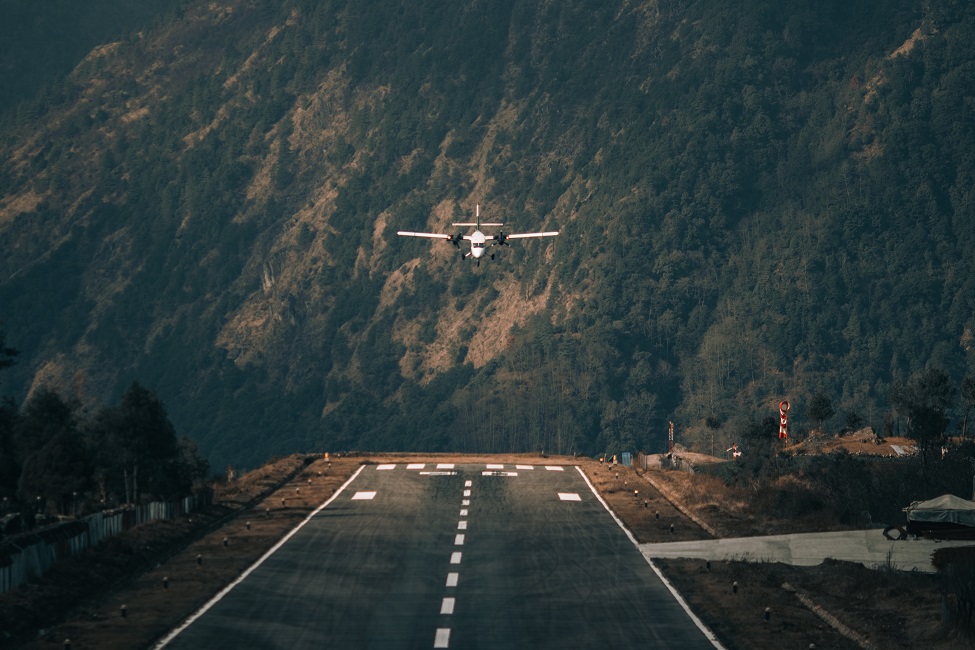
The World's Most Adventurous Landing: Witnessing a Twin Otter plane land on the 527-meter uphill runway of Tenzing-Hillary Airport is a bucket-list experience. For the best photos, head to the cafes overlooking the airstrip.
Trekking Permits 2027: Ensure you have your Khumbu Pasang Lhamu Rural Municipality Permit and your Sagarmatha National Park Entry Permit. Most 14-day EBC itineraries now require these to be verified at the Lukla entry gate.
Sustainable Trekking: In line with Nepal’s 2027 eco-tourism goals, Lukla has strictly enforced a single-use plastic ban. Be sure to fill your reusable water bottles at local Clean Water stations rather than buying plastic.
Gear & Provisions: Use Lukla to pick up any missing trekking gear like Oximeters, trekking poles, or high-calorie snacks. It is also the best place to meet your licensed Nepal trekking guide, which is now mandatory for all foreign hikers.
Taste Local Treats in Phakding and Dingboche
The villages of Phakding (2,610m) and Dingboche (4,410m) are not just overnight stops; they are essential for a successful Everest Base Camp acclimatization schedule. In 2026 and 2027, these villages have evolved into mini-hubs offering some of the best comfort food in the Himalayas.
Phakding Delights: As your first stop after Lukla, Phakding is famous for its riverside teahouses. Don't miss the Sherpa Barista or local bakeries for a fresh apple pie or chocolate croissant. It’s the perfect place to fuel up before the steep climb to Namche Bazaar.
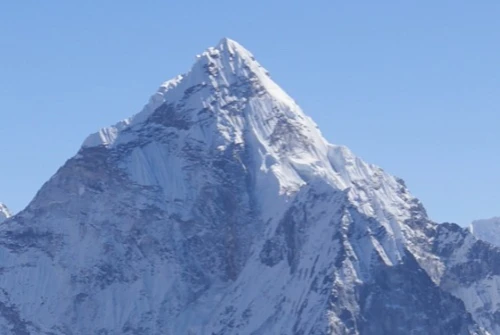
Dingboche’s Famous Bakeries: Sitting at a higher altitude, Dingboche is where most trekkers spend two nights to prevent Acute Mountain Sickness (AMS). It is home to the world’s highest French Bakery and Himalayan Java Coffee. Enjoying a warm latte while staring at the peak of Ama Dablam is a highlight of any EBC trekking itinerary.
The Must-Eat List: For the best local food on the Everest trek, try the Sherpa Stew (Syakpa) or authentic Momo dumplings. For sustained energy, follow the local saying: Dal Bhat Power, 24 Hour The high-carb lentils and rice are the ultimate trekking fuel.
2027 Acclimatization Tip: Use your rest day in Dingboche to hike to Nagarjun Hill (5,100m) or the Chukhung Valley. This Climb High, Sleep Low method is the best way to prepare your body for the Everest Base Camp altitude.
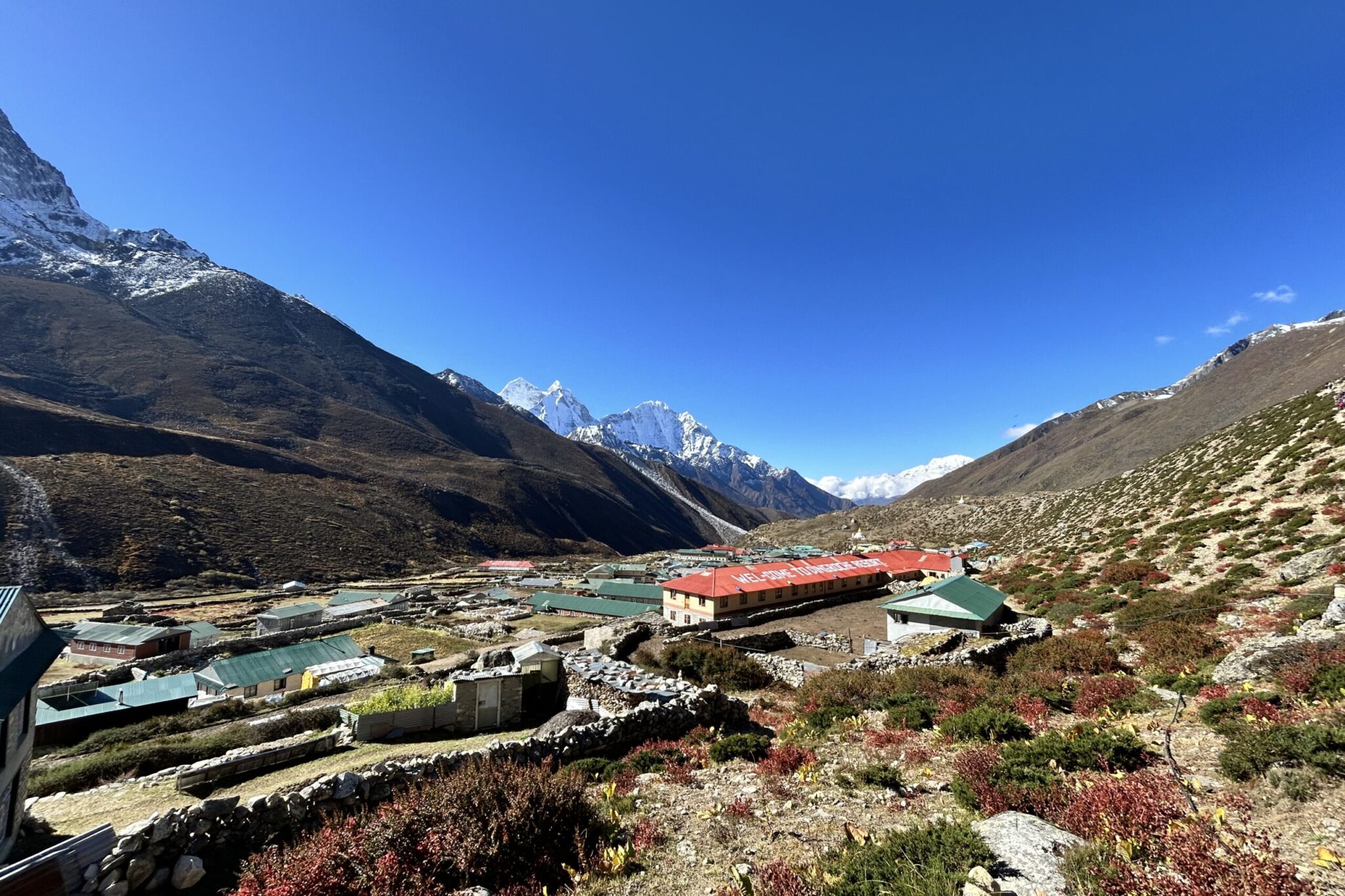
Discover Sherpa Culture at Namche Bazaar
Namche Bazaar (3,440m) is the unofficial capital of the Everest region and the most critical stop on the Everest Base Camp Route. In 2026 and 2027, Namche remains the premier location for altitude acclimatization, offering a mix of ancient tradition and modern comforts like high-speed Wi-Fi and the world’s highest Irish Pub.
To make the most of your mandatory two-night stay, explore these cultural and logistics highlights:
The Sherpa Cultural Museum: Located just above the town, this museum offers an immersive look at Sherpa heritage and the history of Everest exploration. Don't miss the Hall of Fame, which honors legendary mountaineers like Tenzing Norgay and Sir Edmund Hillary.
The Saturday Market (Haat Bazar): If you arrive on a Friday or Saturday, you’ll experience the vibrant Namche Saturday Market. Watch traders from as far as Tibet and lower valleys exchange local cheeses, hand-woven textiles, and fresh produce, a tradition that has survived for centuries.
Hike to Hotel Everest View (3,880m): For the best Everest viewpoints, take an acclimatization hike to this record-breaking hotel. It is the perfect spot for a cappuccino with a view of Everest, Lhotse, and the iconic Ama Dablam.
Gear Up for 2026-2027: Namche is your last chance to buy or rent professional trekking gear (down jackets, sleeping bags, and Oximeters) before the trail gets more remote.
Permit Check: Ensure your Sagarmatha National Park entry permit is validated at the military checkpoint here.
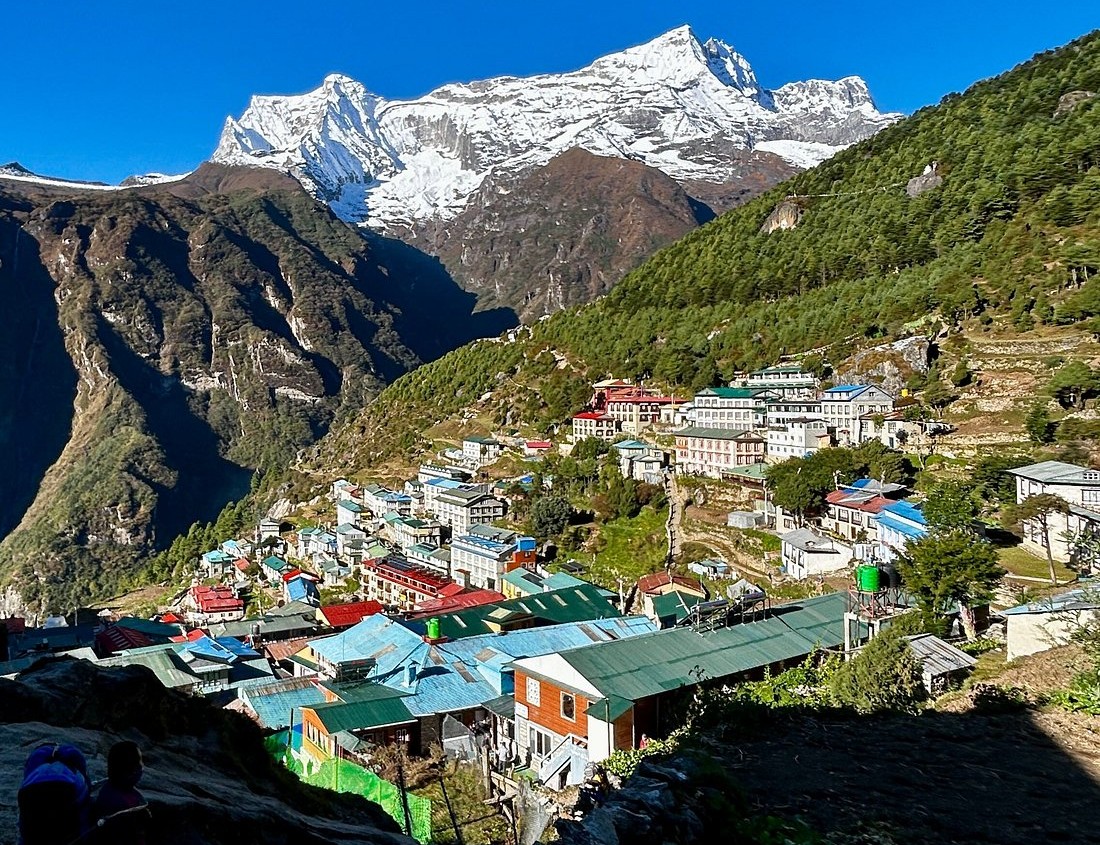
Meditate or Do Yoga at Tengboche Monastery
Known as the spiritual heart of the Khumbu, Tengboche Monastery (3,867m) also called Dawa Choling Gompa offers a profound experience for those seeking peace amidst the world's highest peaks. Surrounded by ancient rhododendron forests and the towering silhouette of Ama Dablam, this is a premier spot for meditation and yoga on the EBC trek.
Whether you are a spiritual seeker or just need a moment of tranquility, Tengboche is a highlight of any 2026–2027 Everest itinerary:
Morning Prayer Sessions (Puja): One of the best things to do in Tengboche is to attend the morning chanting sessions. Visitors are often welcome to sit quietly in the back of the Dukhang (prayer hall) while monks perform their daily rituals. The smell of juniper incense and the sound of long Tibetan horns (Dungchen) create an unforgettable atmosphere.
Mani Rimdu Festival 2026 & 2027: If you plan your trek for the autumn, you can witness the Mani Rimdu Festival. In 2026, the public celebrations are set for October 26, 27, and 28. In 2027, the festival is expected around November 14–16. This 19-day event features sacred masked dances and sand mandalas.
Yoga with a View: While the monastery itself is for quiet reflection, the grassy plateaus surrounding the village are perfect for a high-altitude yoga session at sunrise. Stretching your muscles while gazing at Mt. Everest, Lhotse, and Nuptse is the ultimate Himalayan wellness experience.
Photography & Etiquette: Remember that photography is strictly prohibited inside the prayer hall. Always walk clockwise around the monastery and Mani walls (prayer stone walls) to respect local Sherpa Buddhist traditions.
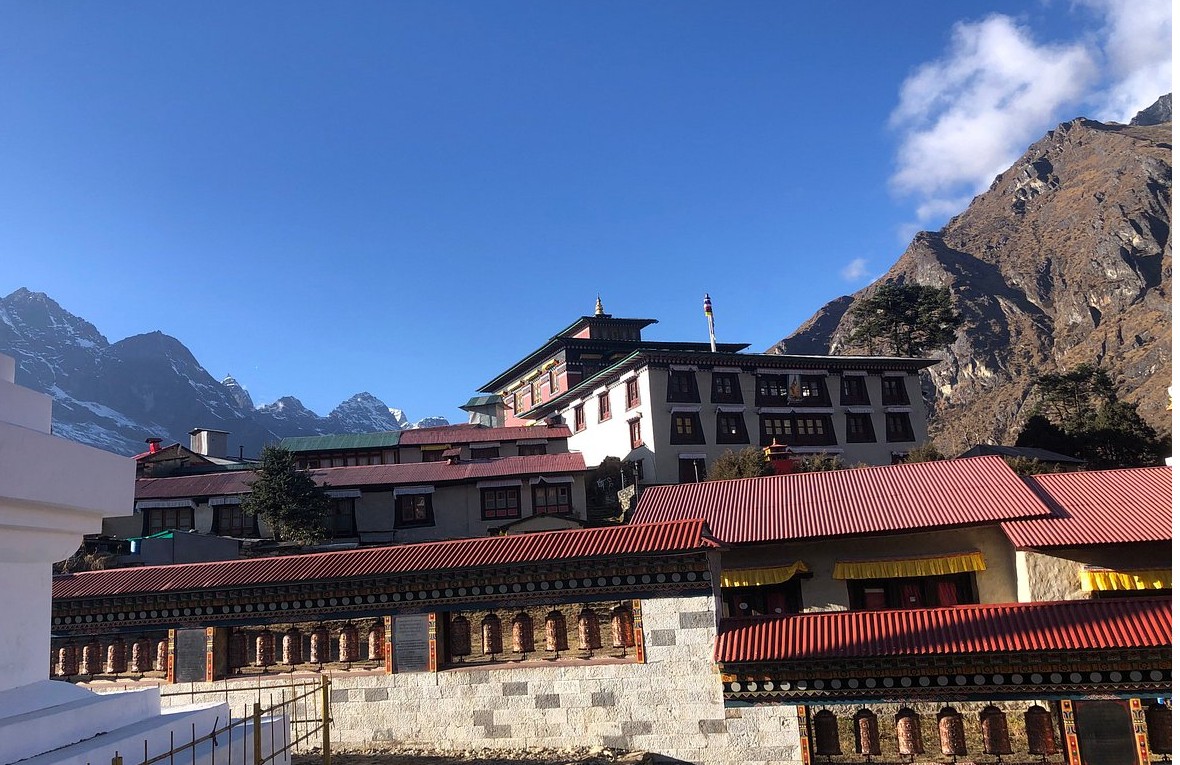
Photograph the Khumbu Glacier and Wildlife
As you ascend toward Gorak Shep, you will come face-to-face with the Khumbu Glacier, the world's highest glacier and a massive river of ice and rock. In 2026 and 2027, capturing the Icy Grandeur of this UNESCO-listed landscape is a top priority for travel photographers and climate-conscious adventurers alike.
Iconic Glacial Views: The best spots to photograph the Khumbu Icefall and the glacier’s lateral moraine are from the trail between Lobuche and Everest Base Camp. For a 360-degree panoramic view of the glacier snaking down from the Western Cwm, a sunrise hike to Kala Patthar (5,545m) is essential.
Wildlife in Sagarmatha National Park: This region is a sanctuary for rare species. Keep your long lens ready for the Himalayan Monal (Danphe) Nepal’s colorful national bird often spotted near Tengboche. You may also see the Himalayan Tahr (mountain goat) clinging to cliffs or the shy Musk Deer in the rhododendron forests.
The Ghost of the Mountains: While extremely rare, Snow Leopard sightings in the high Khumbu have increased in recent years. Photographers in 2027 often focus their efforts around the Gokyo Lakes and Thame Valley for a chance to spot these elusive predators.
Photography Gear Tip: High-altitude light is incredibly harsh. Use a Polarizing Filter to deepen the blue of the Himalayan sky and a Lens Hood to prevent glare. Since cold temperatures drain power quickly, keep your camera batteries in an inside pocket close to your body heat.
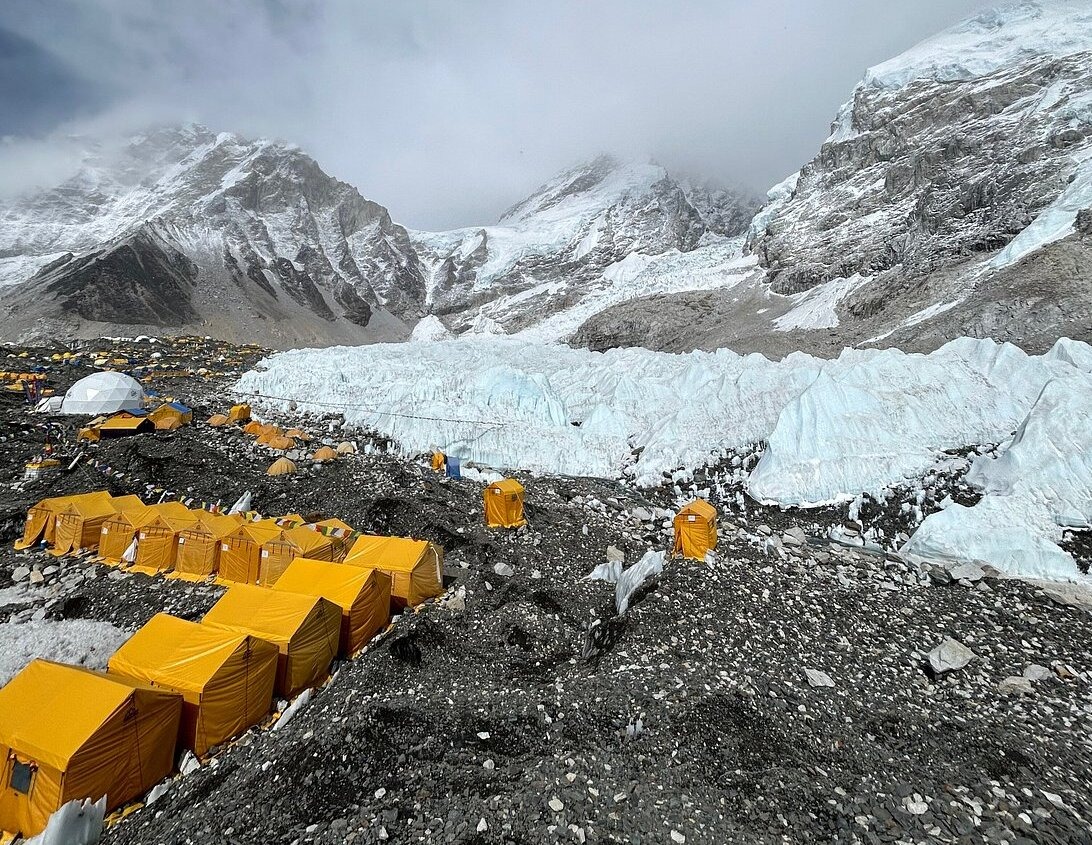
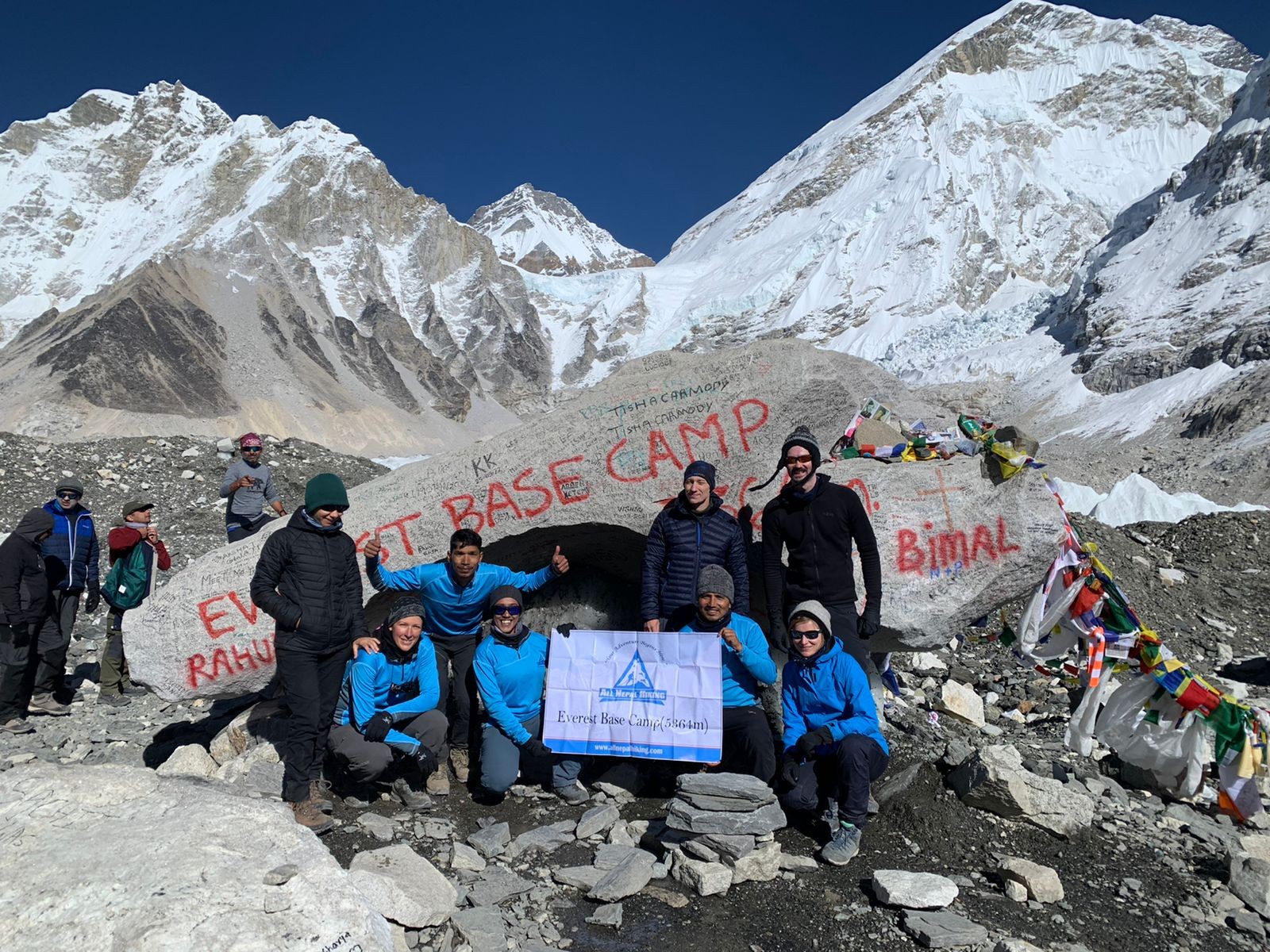
Spend Time at Everest Base Camp
Reaching Mount Everest Base Camp (5,364m) is the ultimate goal of your 130km round-trip journey. It is a moment of profound personal achievement that few people on Earth experience. In 2026 and 2027, the EBC experience is more vibrant than ever, especially during the Spring climbing season (April–May) when the camp transforms into a colorful Everest tent city of elite mountaineers.
To make this life-changing moment count:
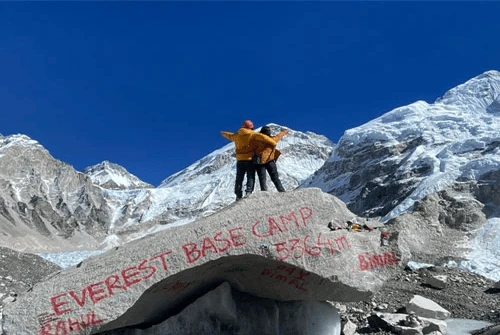
The Iconic New EBC Signboard Photo: Every trekker’s goal is a photo at the Everest Base Camp rock/signboard.
Witness the Khumbu Icefall: From Base Camp, you have a front-row seat to the Khumbu Icefall, the most dangerous section of the Mount Everest summit route. Watch as the ice groans and shifts a visceral reminder of the power of the Himalayan glaciers.
Spring Expedition Energy: If you trek in the Spring of 2027, you’ll see the famous Mount Everest Yellow Tents. While trekkers aren't allowed inside the climbers' private camps, the atmosphere of international expeditions preparing for the summit is electric.
Reflective Moment: Follow the tradition of placing a small stone on a cairn or hanging a Buddhist prayer flag to give thanks for a safe journey.
Health Check: At 5,364m, oxygen levels are roughly 50% of what they are at sea level. Limit your time at the camp to 30–60 minutes to avoid the onset of Acute Mountain Sickness (AMS) before descending back to Gorak Shep.
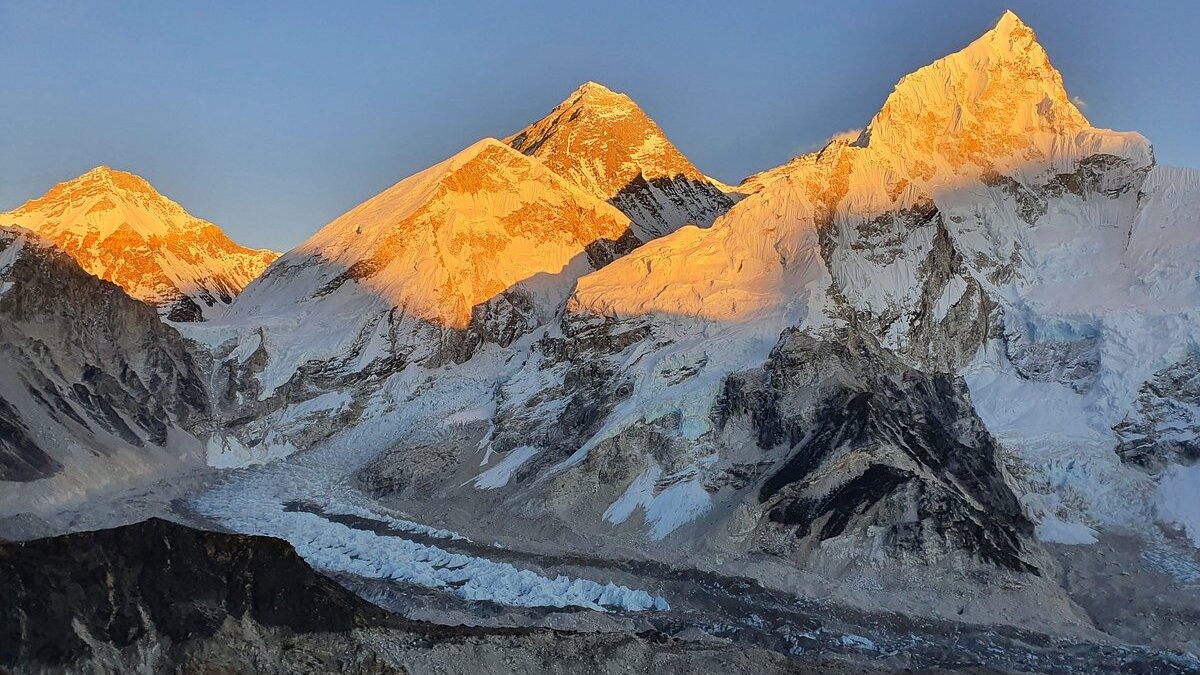
Ascend Kala Patthar for the Ultimate Sunrise and Sunset Views
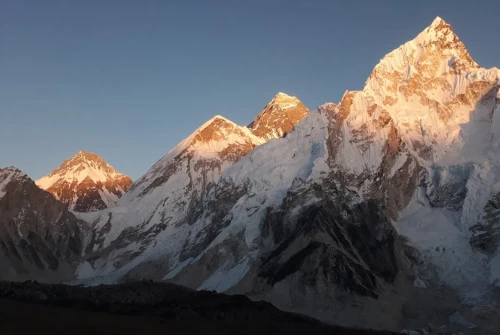
While Everest Base Camp is the destination, Kala Patthar (5,545m / 18,192ft) is the undisputed highlight for the best views on the Everest Base Camp Trekking. This EBC Black Rock peak provides the most accessible 360-degree panorama of Mt. Everest, Nuptse, and Lhotse.
In 2026 and 2027, hiking Kala Patthar remains a must-do for photographers and adventure seekers looking for that iconic Everest golden-hour shot.
The Sunrise Challenge: Most 14-day EBC itineraries schedule a 4:00 AM departure from Gorak Shep to catch the Kala Patthar sunrise. Watching the first rays of light hit the summit of Everest is a spiritual experience, but be prepared for temperatures as low as -15°C to -20°C.
The Sunset Alternative: For 2026/2027, many professional photographers recommend the Kala Patthar sunset. While sunrise is classic, the sunset offers a Mount Everest Golden Glow on the Everest south face with fewer crowds and slightly warmer temperatures.
Highest Point of the Trek: At 5,545 meters, Kala Patthar is higher than Everest Base Camp. Reaching this summit is a major personal achievement. The oxygen level here is approximately 50% of sea level, so a slow and steady pace is the only way to succeed.
2027 Photography Tip: Use a tripod for low-light sunrise shots and keep your extra camera batteries inside your down jacket. The extreme cold at this altitude can drain a full battery in minutes.
Interact with Sherpas and Learn Local Lifestyle
Beyond the high peaks, the true heart of the Trek to Everest Base Camp Nepal is the Sherpa people. Known globally for their mountaineering elite and incredible high-altitude endurance, the Sherpas have a rich, centuries-old culture rooted in Tibetan Buddhism.
In 2026 and 2027, interacting with local communities is a top EBC trek highlight, especially as the region moves toward more sustainable and community-led tourism.
Authentic Village Encounters: While Namche is the Nepal Sherpa Capital, villages like Khumjung and Phortse offer a more traditional glimpse into daily life. Visit the Khumjung Monastery to see the famous Yeti Scalp or watch locals tend to their high-altitude potato fields and Yak herds.
Support Local Tea House Culture: In 2027, the trend is moving toward Slow Trekking. Spend your evenings in the communal dining halls of family-run teahouses. It’s the best way to hear firsthand stories of Everest expeditions and learn about the Icefall Doctors who make the summit possible.
Visit the Sherpa Cultural Museum: Located in Namche Bazaar, this museum is essential for understanding Sherpa heritage, traditional dress (Chuba and Pangden), and the spiritual connection the locals have with Sagarmatha (Mt. Everest).
Respectful Interaction: Always ask for permission before taking photos of people or private homes. In 2027, responsible tourism means engaging with culture without commodifying it, buying local handicrafts and trying traditional dishes like Thukpa (noodle soup) or Tsampa (barley flour) directly supports the local economy.
Shop for Sustainable Souvenirs in Namche Bazaar
Before your final descent, spend an afternoon in the bustling markets of Namche Bazaar. In 2026 and 2027, the shopping scene in Namche has shifted toward eco-friendly and community-led products, allowing you to bring home a piece of the Himalayas while supporting the local Sherpa economy.
Sagarmatha Next Upcycled Products: For the most meaningful souvenir, visit the Sagarmatha Next center. Here, you can buy from the Himalayas products unique items made from upcycled plastic waste collected directly from the Everest trails.
Authentic Yak Wool and Pashmina: Namche is famous for high-quality Himalayan pashmina shawls and hand-knitted yak wool hats and gloves. These are perfect for the cold weather and make durable gifts. Pro Tip: Look for the Chyangra Pashmina hallmark to ensure you are buying 100% authentic mountain goat wool.
Tibetan Art and Singing Bowls: You will find intricate Thangka paintings (Buddhist scrolls) and hand-hammered singing bowls used for meditation. These items are often crafted by local artisans and are synonymous with Sherpa culture.
Mountaineering Mementos: Pick up a 2027 Everest Base Camp embroidered t-shirt or a Khukuri (the traditional Nepalese knife). Just remember that Khukuris must be packed in your checked luggage for the flight from Lukla to Kathmandu!
Support the Saturday Market: If your itinerary allows, visit the Namche Saturday Haat Bazar. It is the best place to find authentic Sherpa cheese (Chhurpi) and local snacks at lower prices than the tourist boutiques.
Final Thoughts Your 2026–2027 Himalayan Legacy
The Everest Base Camp Trek is far more than a physical challenge; it is a profound journey of self-discovery, spiritual connection, and unmatched natural beauty. By integrating these top 10 experiences, you ensure that your adventure in the Khumbu region is as enriching as it is safe.
As you plan your 2026 or 2027 trek, keep these final logistics in mind to ensure a seamless experience:
Mandatory Guides: As of 2026, the Nepal Tourism Board requires all foreign trekkers to be accompanied by a licensed Nepal trekking guide. This regulation is strictly enforced to ensure safety and support the local Sherpa economy.
Flight Logistics: Remember that during peak Spring and Autumn seasons, most flights depart from Manthali Airport in Ramechhap. Always book your Kathmandu to Lukla transfer in advance or Our Company will manage everything when booking with us and include at least two buffer days in your itinerary for weather delays.
Permit Readiness: You no longer need a TIMS card for the EBC trek. Instead, your guide will help you secure the Khumbu Pasang Lhamu Rural Municipality Permit and the Sagarmatha National Park entry permit upon arrival.
Whether you are witnessing the first light of a Kala Patthar sunrise, sharing tea in a remote Sherpa village, or finally standing at the iconic Everest Base Camp rock, this trek is a life-defining achievement. The mountains are calling, are you ready to answer?
Your 2026–2027 Himalayan Legacy with All Nepal Hiking
The Everest Base Camp Trek is far more than a physical challenge; it is a profound journey of self-discovery, spiritual connection, and unmatched natural beauty. By integrating these top 10 experiences, you ensure that your adventure in the Khumbu region is as enriching as it is safe.
As you plan your 2026 or 2027 trek with All Nepal Hiking, keep these final logistics in mind to ensure a seamless experience:
Mandatory Guides: The Nepal Tourism Board requires all foreign trekkers to be accompanied by a licensed Nepal trekking guide.All Nepal Hiking ensures licensed guides accompany you, supporting both your safety and the local Sherpa economy.
Flight Logistics: During peak Spring and Autumn seasons, most flights depart from Manthali Airport (Ramechhap). Book your Kathmandu to Lukla flight in advance, or let All Nepal Hiking manage it for you including at least two buffer days for potential weather delays.
Permit Readiness: TIMS cards are no longer required. Your guide will secure the Khumbu Pasang Lhamu Rural Municipality Permit and Sagarmatha National Park entry permit upon arrival.
Whether you are witnessing the first light of a Kala Patthar sunrise, sharing tea in a remote Sherpa village, or standing at the iconic Everest Base Camp rock, this trek is a life-defining achievement. The mountains are calling. Are you ready to answer with All Nepal Hiking?


.webp)