based on 270 reviews

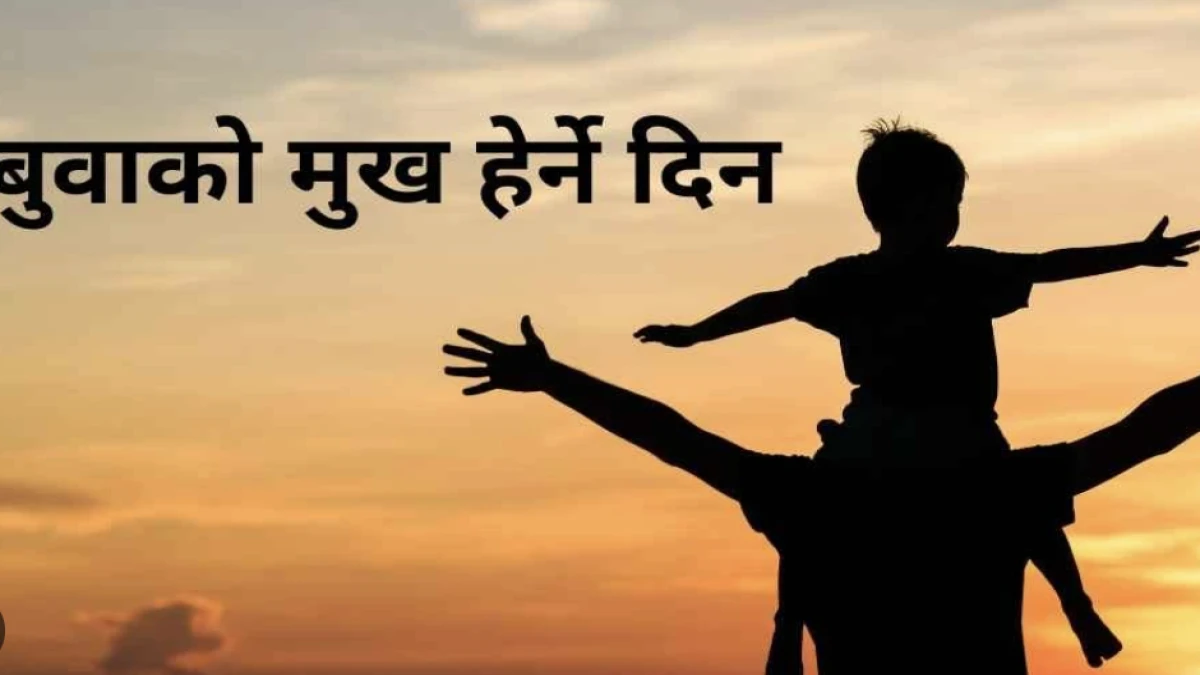
Father's Day in Nepal is one of the most cherished family festivals, dedicated to honoring fathers, father figures, and ancestors. Known locally as Kushe Aunsi, Buwa Ko Mukh Herne Din, or Gokarna Aunsi, this special occasion holds deep cultural, religious, and emotional significance among Nepalese families. Unlike the international Father's Day celebrated in many countries on the third Sunday of June, Nepal observes Father's Day according to the Nepali lunar calendar, usually falling in August or September.
The festival provides an opportunity for children to express gratitude, respect, and appreciation toward their fathers through gifts, blessings, family gatherings, and religious rituals. It is a day filled with love, tradition, and devotion that reflects the strong family values deeply rooted in Nepalese society.
What is Father's Day in Nepal?
Father's Day in Nepal, commonly called Buwa Ko Mukh Herne Din, literally translates to "Seeing Father's Face Day." The festival is dedicated to recognizing the sacrifices, guidance, protection, and unconditional love that fathers provide throughout their lives.
On this day, sons and daughters visit their fathers, offer gifts, seek blessings, and spend quality time together. Families prepare special meals and celebrate the importance of paternal relationships. Those whose fathers have passed away perform religious rituals and prayers in their memory, particularly at sacred sites such as Gokarna.
The festival serves as both a celebration of living fathers and a remembrance of deceased ancestors, making it a unique cultural tradition that combines family appreciation with spiritual devotion.
Historical and Religious Significance of Kushe Aunsi
The name Kushe Aunsi comes from two important Sanskrit and Nepali words:
- Kusha: A sacred grass used in Hindu rituals.
- Aunsi: The new moon day according to the lunar calendar.
Kusha grass holds immense importance in Hindu religious ceremonies. During Kushe Aunsi, people collect and preserve sacred kusha grass to be used throughout the year in various religious practices, ceremonies, and ancestral rites.
The festival is deeply connected to Hindu traditions that emphasize honoring parents as divine figures. Ancient scriptures regard parents as living gods whose blessings contribute to prosperity, success, and spiritual fulfillment. Therefore, Kushe Aunsi is not merely a social celebration but also a sacred religious observance.
When is Father's Day Celebrated in Nepal?
Father's Day in Nepal is celebrated annually on Kushe Aunsi, which falls during the Nepali month of Bhadra. Since it follows the lunar calendar, the exact date changes every year.
The festival typically occurs between:
- Mid-August
- Early September
Families across Nepal mark the day with religious rituals, family reunions, and cultural celebrations.
Why Father's Day is Important in Nepalese Culture
Nepalese culture places strong emphasis on family relationships and respect for elders. Fathers traditionally play a central role in:
- Providing guidance and protection.
- Supporting education and career development.
- Preserving family values and traditions.
- Acting as role models for future generations.
- Ensuring the welfare and security of family members.
Father's Day offers an opportunity to acknowledge these contributions and strengthen family bonds.
In modern Nepal, the celebration has evolved while maintaining its traditional roots. Younger generations often combine cultural customs with contemporary practices such as social media tributes, personalized gifts, and family outings.
Traditional Ways of Celebrating Father's Day in Nepal
Seeking Blessings from Fathers
One of the most important traditions involves children visiting their fathers and seeking blessings. They offer:
- Fruits
- Sweets
- Clothing
- Flowers
- Gifts
- Favorite foods
In return, fathers bless their children with wishes for happiness, success, health, and prosperity.
This exchange symbolizes mutual love, respect, and gratitude within the family.
Offering Special Meals
Food plays a significant role in Father's Day celebrations. Families prepare their fathers' favorite dishes and gather together for festive meals.
Common offerings include:
- Traditional Nepali cuisine
- Seasonal fruits
- Homemade sweets
- Dairy products
- Festive delicacies
The shared meal becomes an occasion for family members to reconnect and celebrate together.
Giving Gifts to Fathers
Modern Father's Day celebrations increasingly include gift-giving traditions. Popular gifts include:
- Clothing
- Watches
- Books
- Personalized items
- Electronic gadgets
- Family photo frames
Many children also create handmade cards and heartfelt messages expressing appreciation for their fathers.
Gokarna: The Sacred Destination on Father's Day
One of the most significant aspects of Father's Day in Nepal is the pilgrimage to Gokarna.
Gokarna is a sacred religious site located in the Kathmandu Valley and holds immense spiritual importance during Kushe Aunsi. Thousands of devotees visit the area to perform rituals honoring deceased fathers and ancestors.
The holy site attracts pilgrims from across Nepal who gather to:
- Offer prayers.
- Perform ancestral rites.
- Take ritual baths.
- Make religious offerings.
- Seek spiritual blessings.
The atmosphere during Kushe Aunsi transforms Gokarna into one of Nepal's most important pilgrimage destinations.
Rituals for Deceased Fathers and Ancestors
For individuals whose fathers have passed away, Father's Day carries a profound spiritual dimension.
Special rituals include:
Shraddha Ceremonies
Families perform Shraddha rituals to honor deceased fathers and ancestors. These ceremonies involve offerings made with devotion and respect.
Tarpan Rituals
Devotees offer water, sesame seeds, and prayers as part of the Tarpan ceremony. These rituals are believed to bring peace and blessings to departed souls.
Pilgrimage and Worship
Many people travel to sacred rivers, temples, and pilgrimage sites, especially Gokarna, to conduct ancestral rites according to Hindu traditions. These ceremonies emphasize the enduring connection between generations and the importance of remembering family heritage.
The Cultural Meaning of Buwa Ko Mukh Herne Din
The phrase Buwa Ko Mukh Herne Din carries emotional significance beyond its literal translation. It symbolizes:
- Gratitude toward fathers.
- Family unity.
- Respect for elders.
- Preservation of traditions.
- Intergenerational connection.
The celebration reminds people to value the guidance and sacrifices made by their fathers while they are still present in their lives.
In today's fast-paced world, this message remains especially relevant as families strive to maintain meaningful relationships despite busy schedules and changing lifestyles.
Modern Father's Day Celebrations in Nepal
Contemporary celebrations often blend traditional customs with modern expressions of appreciation.
Popular modern practices include:
- Social media tributes.
- Family dinners.
- Weekend trips.
- Personalized gifts.
- Video calls with fathers living abroad.
- Family photo sessions.
With many Nepalese families living and working overseas, digital communication has become an important part of Father's Day celebrations. Children separated from their fathers by distance often connect through video calls and online messages to express their gratitude.
Despite these modern influences, the core values of respect, love, and family remain unchanged.
Father's Day in Nepal vs International Father's Day
Aspect | Father's Day in Nepal | International Father's Day |
Date | Kushe Aunsi (lunar calendar) | Third Sunday of June |
Cultural Basis | Hindu traditions | Modern global observance |
Religious Significance | Very high | Generally limited |
Ancestral Rituals | Important component | Rarely observed |
Pilgrimages | Common | Uncommon |
Family Blessings | Central tradition | Varies by country |
This distinction makes Nepal's Father's Day one of the most culturally and spiritually meaningful paternal celebrations in the world.
Best Wishes for Father's Day in Nepal
Families often share heartfelt messages such as:
- Happy Father's Day to the guiding light of our family.
- Thank you for your endless sacrifices and unconditional love.
- Wishing our father health, happiness, and long life.
- Your wisdom and support inspire us every day.
- We are grateful for everything you have done for our family.
These expressions strengthen family bonds and highlight the deep respect children have for their fathers.
Conclusion
Father's Day in Nepal, celebrated as Kushe Aunsi or Buwa Ko Mukh Herne Din, is far more than a simple holiday. It is a meaningful cultural and religious festival that honors fathers, celebrates family unity, and preserves centuries-old traditions. Through blessings, gifts, family gatherings, sacred rituals, and ancestral remembrance, Nepalese families express their gratitude for the love, sacrifices, and guidance provided by fathers.
Whether through traditional ceremonies at Gokarna, heartfelt family meals, or modern expressions of appreciation, Father's Day remains one of Nepal's most important occasions for strengthening family relationships and honoring the invaluable role fathers play in society.
Explore Nepal's rich culture, traditions, festivals, and heritage with our comprehensive travel and cultural guides.


.webp)