based on 270 reviews

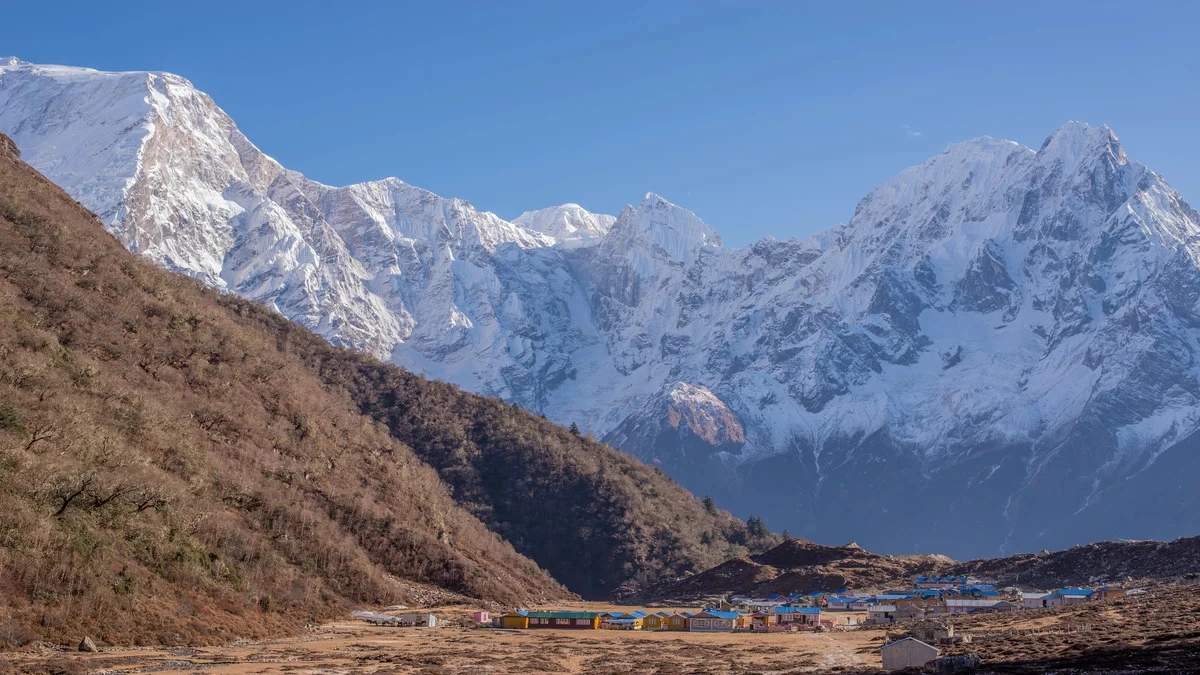
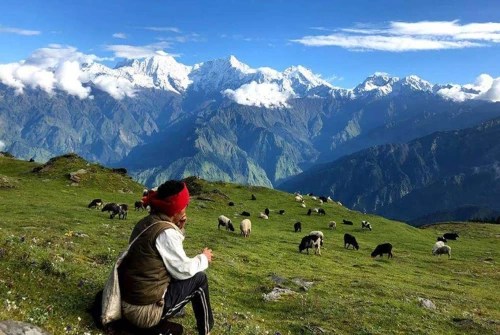
The hidden Himalayan village of Nepal is an entirely unique place for experiencing them. Instead of following crowded trekking trails and staying at popular tourist spots, you could wander along peaceful mountain villages where locals live their lives freely without crowds to disturb them while exploring old houses for an authentic taste of Nepali culture.
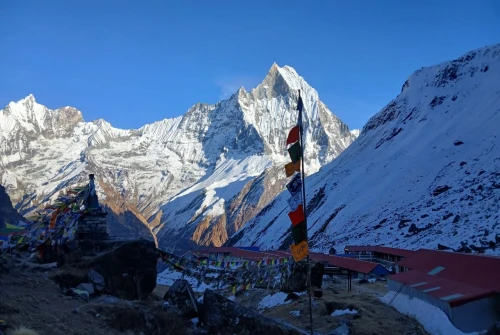
Everest Base Camp, Annapurna Base Camp, and Langtang Valley are popular tourist spots of Nepal. While these trails are beautiful, there are other places to explore for experiencing Himalayan culture and scenery. Besides these places, there are also isolated towns that remain rural with agriculture, animals' husbandry, monasteries forested areas of people living together closely.
These places are great to visit if you're not interested in tourist traps like this village is. While some need several days to hike up mountains; others are accessible by combining road trips with hikes. Condition of accommodations, permit requirements for hiking trails may vary; therefore it’s important to check current details about these things prior to going on vacation.
Here are seven remarkable villages to consider if you want to discover a quieter side of the Nepal Himalayas.
1. Tichurung – A Quiet Village in the Myagdi Hills
Tichurung is an unnamed hill station located within Myagdi district which has not been well known by foreign hikers yet. The village is located between mountains for a chance at experiencing rural Himalayan lifestyle without being near popular trekking trails of Nepal.
Journey to be a part of it. While traveling further uphill, country landscapes change from urban areas of civilization such as townships or cities to forested lands like woods, farmland plots and rural hamlets. The beauty of this place lies beyond its mountainous landscape. This is an opportunity for us to observe living conditions of those who are still dependent on farming and communities today.
Visitors can expect:
Traditional village houses
Terraced farmland
Mountain landscapes
Local cultural experiences
Peaceful walking trails
Tichurung is particularly appealing to travelers who prefer cultural exploration over checking off a famous trekking destination.
2. Nar and Phu – Remote Villages Beyond the Main Annapurna Trail
Nar Phu Valley is an interesting part of Nepal that has not been explored yet by tourists. North of Annapurna Range lies this valley which is home to old towns nestled between steep hillsides, desolate plains and towering peaks. While Nar and Phu may be familiar to seasoned trekking enthusiasts, there aren't many tourists visiting them compared to popular Annapurna trails.
Tibetan influence is evident to these villages' cultures. The stone house, Buddhist monastery, prayer flag and narrow path are unique to this place compared to other lowland Himalayas communities.
In particular, Phu is very lonely. To reach there is to leave the main trail and enter an inaccessible mountain pass that leads into a remote area of high mountains. Permits are needed for treks; therefore it is advisable to do so if you're planning on going alone or independently.
If you are interested in discovering remote areas of Nepal, All Nepal Hiking can also be a useful place to explore trekking information and ideas beyond the country's most famous routes.
3. Limi Valley – One of Nepal's Most Remote Himalayan Regions
The Limi Valley is located in the far north-western part of Nepal near its boundary with Tibet.
It isn't an ideal place to go on vacation for tourists seeking an easy getaway. The journey to reach a valley is long and hard work. However, this distance is exactly what gives its uniqueness. Limi Valley is a place where there are many strong Tibetan culture influences on its people. The traditional stone house architecture, Buddhism culture, monastery history and mountainous scenery play an important role in this place.
The scenic surroundings are also beautiful. In addition to lush forests, they also see rough terrain such as rocky hillsides, vast plains and desolate mountain ranges that are formed due to extreme weather conditions like those found in the Himalayas. Due to their remote locations and distance from home, tourists need to plan for visas, guides, transportations, lodging facilities as well as travel arrangements properly.
Limi Valley would be ideal for seasoned hikers looking at an off-the-beaten-path section of Nepal not too popular among tourists.
4. Tsum Valley Villages – A Peaceful Cultural Corner of Gorkha
Himalayas are also found at Tsum Valley which has a lot of cultural heritage like Buddhism. The valley located north of Gorkha district is surrounded by tall hills and has many villages that have a lot of Tibetan culture influence.
While other parts of Nepal are very busy for trekkers, Tsum Valley is usually less crowded and more intimate. Visiting villagers by walking through their village will allow you to see a monastery, mani wall, prayer flag, house of people living here, and farmlands nearby. The Mu Gompa and other Buddhist sites are part of this area’s culture.
Villages are especially attractive to tourists seeking something other than pictures of mountains. Time spent at a tea house and conversation with locals will give more insight into adapting to living conditions within an isolated Himalayan community.
Since Tsum Valley is an off-limits hiking zone for visitors they must adhere to these regulations of permits as well as guides' guidelines.
5. Chharka Bhot – A Hidden Village in Dolpo
Remote places of beauty are also known as Dolpo which includes an old Buddhist tradition and challenging hiking trails. Chharka Bhot is located deep inside of this area which seems very different to tourists today. Mountains are located around this place which has a lot of altitude. The traditional architecture and Buddhist heritage of this place is very interesting to tourists who are more concerned about history than landscapes.
It is difficult to reach Chharka Bhot. A trek to Dolpo may include a lot of walking for several days at high altitudes where there are few amenities due to bad weather conditions. That means preparation matters.
Travelers should consider:
Acclimatization
Appropriate trekking equipment
Food and accommodation availability
Restricted-area permits
Experienced local support
Weather conditions
However, if you're willing to put in some work for it, then this could be an amazing thing. It gives us an insight about this Himalayan society which evolved independently of others' influence.
6. Gatlang – A Traditional Tamang Village in the Langtang Region
While Gatlang may be less remote from other places like those listed here, there are still a lot of peacefulness to it as opposed to most of them being quite busy for trekkers in Nepal. Gatlang is located within Rasuwa district of Nepal where it belongs to the Tamang people. It has a lot of stone buildings located on mountainsides along with cultural heritage sites nearby.
Visiting Gatlang is great because it allows you to enjoy rural living without having to go up mountains. This place is a good option because you can combine it with roads that go through the Tamang Heritage zone; hence, it would not require any commitment towards one of Nepal’s toughest treks.
Travelers must also verify up-to-date trail statuses and availability of services at their destination as these may vary due to changes in terrain or climate patterns within mountainous areas.
7. Olangchung Gola – A Remote Settlement in Eastern Nepal
Olangchung Gola is located far from popular trekking trails like Everest and Annapurna at a distance from them within the north side of Taplejung district. It lies between the hills of Eastern Nepal and has been an important center for commerce as well as culture within this area since ancient times.
Olangchung Gola is a difficult place to visit; however, it has an allure because of this difficulty. It goes past woods, hillsides, streams of water, and small towns to reach a town. Olangchung Gola is a popular place of rest for tourists visiting the Kanchenjunga area.
The remoteness of this place means that tourists cannot find similar amenities as those found at well-known hiking trails. Advance planning of transport arrangements for lodging facilities meals licenses communications are very essential to us.
However, for an adventurer like me, it might also be a big draw due to its remoteness.
Why Visit Hidden Himalayan Villages in Nepal?
One of the main reasons for visiting this place is because it allows us an opportunity to explore more than just mountains from there. Remote villages are places where you learn more than just from visiting an expensive tourist spot for hiking purposes.
Farmers are seen working on terraces while children walk towards school; there is a Buddhist prayer wheel next to a path where people sit in meditation; families prepare traditional food dishes for guests at their home. Small experiences are usually remembered better than just seeing from above.
Also hidden places are conducive to slow-paced journeys. Instead of rushing through a series of attractions, tourists can take time for observation and interaction with locals at each stopover point along the way.
How to Prepare for a Remote Village Trek
Travel to remote Himalayas needs more planning compared with ordinary tourists' vacations.
Consider this before you leave.
Check Permits
Himalayas have some restrictions that need to be entered by means of a permit and guided tours must also be taken there. Since regulations may be updatedupdated, check for current standards prior to traveling.
Prepare for Basic Facilities
Remote villages may have limited access to electricity, internet, transportation, healthcare facilities and lodging. Don't assume that, just because something is located at an address or point of interest on a map it must have availability for use by customers.
Travel With Local Support
If there are hard trails then an authorized guide or professional local trekking company would be helpful for safety purposes and ease of management on such paths.
Respect Local Culture
Ask before photographing people, dress appropriately around religious sites, and follow local customs. Remember that these villages are people's homes, not simply tourist attractions.
Pack Carefully
Depending on the destination, useful equipment can include
Warm layers
Waterproof clothing
Comfortable trekking shoes
Sleeping bag
Headlamp
Water purification method
First-aid supplies
Power bank
Personal medication
Necessary permits and documents
When Is the Best Time to Visit?
Ideal time for trekking varies by location and elevation level. Generally speaking, spring and autumn are good times to go hiking in Nepal since there is better weather during those seasons at higher altitudes of mountains.
However, there are many differences between climates of various locations. Heavy snowfall may occur at high altitude during the winter season whereas monsoons might impact trail conditions and road quality weather visibility.
Check for current local weather updates as well as trail status instead of just using a generic season overview.
Travel Responsibly in Nepal's Hidden Villages
While there may be little information about this place being visited by tourists, we shouldn't treat it like an unvisited destination. Travel responsibility matters more for people living far away from home.
When available, choose to stay at a place run by locals; employ local guides and porters instead of hiring them from abroad; reduce your use of single-use plastics; be respectful towards religious places; obtain consent prior to photographing people there.
Firstly, keep in mind that those who come to visit us are guests and locals rather than performers for tourists' shows. The purpose of this trip is to help people but also respect their surroundings and traditions.
Final Thoughts
The hidden Himalayan villages of Nepal reveal to us that its best travels can be had away from popular tourist sites. The remoteness of Limi Valley and Dolpo is contrasted by the culture-richness of Tsum Valley and Gatlang where we get an insight into Himalayan life from these places.
While some villages may be difficult to access, they could also fit into a more convenient hiking tour plan. Their shared experience is an atmosphere which may not exist for those who travel frequently along these roads.
For a better experience when traveling to Nepal, think about going somewhere else than usual. Often it’s more memorable than reaching out for fame by visiting an iconic landmark; instead, staying overnight in a remote Nepalese town where people share meals together reveals another aspect about this country which very few tourists ever get to experience firsthand.
To get more details about Nepalese treks, paths to follow for hiking purposes visit All Nepal Hiking website.
FAQs
1. What are some hidden Himalayan villages in Nepal?
Some lesser-visited Himalayan villages include Limi Valley villages, Chharka Bhot, Olangchung Gola, Tsum Valley settlements, Nar and Phu, Gatlang, and Tichurung.
2. Are hidden Himalayan villages in Nepal safe to visit?
Many are suitable for trekkers with proper preparation, but remote areas can have limited facilities. Check current weather, trail conditions, permits, and access requirements before traveling.
3. Do I need a guide to visit remote villages in Nepal?
It depends on the destination. Restricted regions have specific guide and permit requirements, while other areas may allow more independent travel.
4. What is the best season to visit Himalayan villages in Nepal?
Spring and autumn are generally popular trekking seasons, but the best period depends on the specific village, altitude, and current trail conditions.
5. Why visit remote villages instead of popular trekking destinations?
Remote villages offer opportunities to experience traditional architecture, local culture, quieter trails, and everyday Himalayan life away from heavily visited tourist routes.