Where Nepal is Situated ?
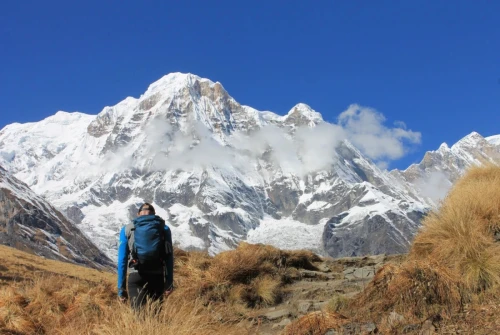
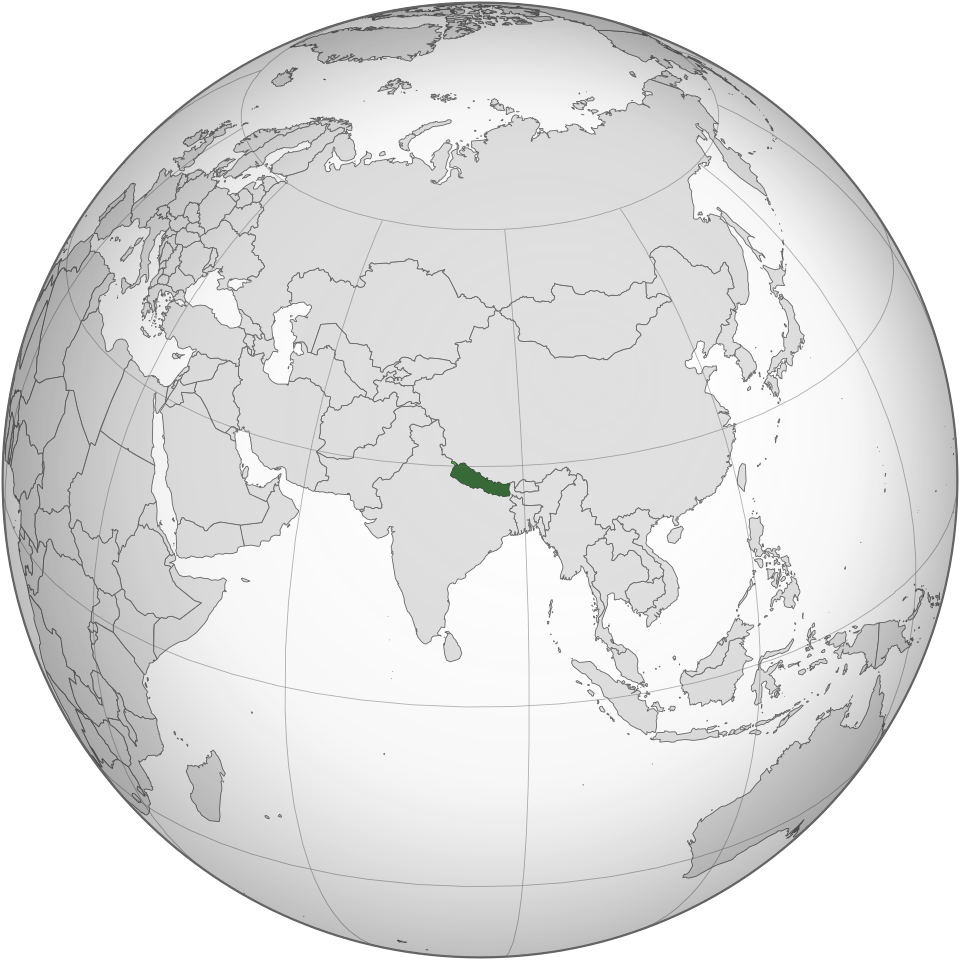
Nepal is a breathtaking Himalayan country located in South Asia in world Map , bordered by India to the south and China (Tibet) to the north. Despite its relatively small size, Nepal is one of the world’s most diverse and exciting travel destinations. This mountainous country is famous for housing Mount Everest, the tallest mountain in the world, and is also the birthplace of Lord Buddha. With ancient cities, sacred temples, and legendary trekking routes, Nepal offers something for every kind of traveler.
As a fully independent nation, Nepal provides a perfect blend of adventure tourism, spiritual experiences, and cultural authenticity. Whether you're looking to conquer the Everest Base Camp trek, explore the Annapurna Circuit, or enjoy a wildlife safari in Chitwan National Park or Bardiya National Park, Nepal has it all.
Known for its UNESCO World Heritage Sites, Nepal offers unparalleled experiences throughout the year. Travelers can also enjoy activities like cultural tours, village homestays, mountain climbing, and much more.
With visa-on-arrival access, welcoming locals, and world-class mountain scenery, Nepal is the perfect destination for trekking holidays, cultural exploration, and once-in-a-lifetime Himalayan journeys.
Interesting Facts About Nepal You Should Know
Nepal is a country rich in cultural heritage, natural beauty, and remarkable historical facts. Here are some fascinating Nepal facts that will make you want to plan a trip to this extraordinary Himalayan destination:
Birthplace of Lord Buddha
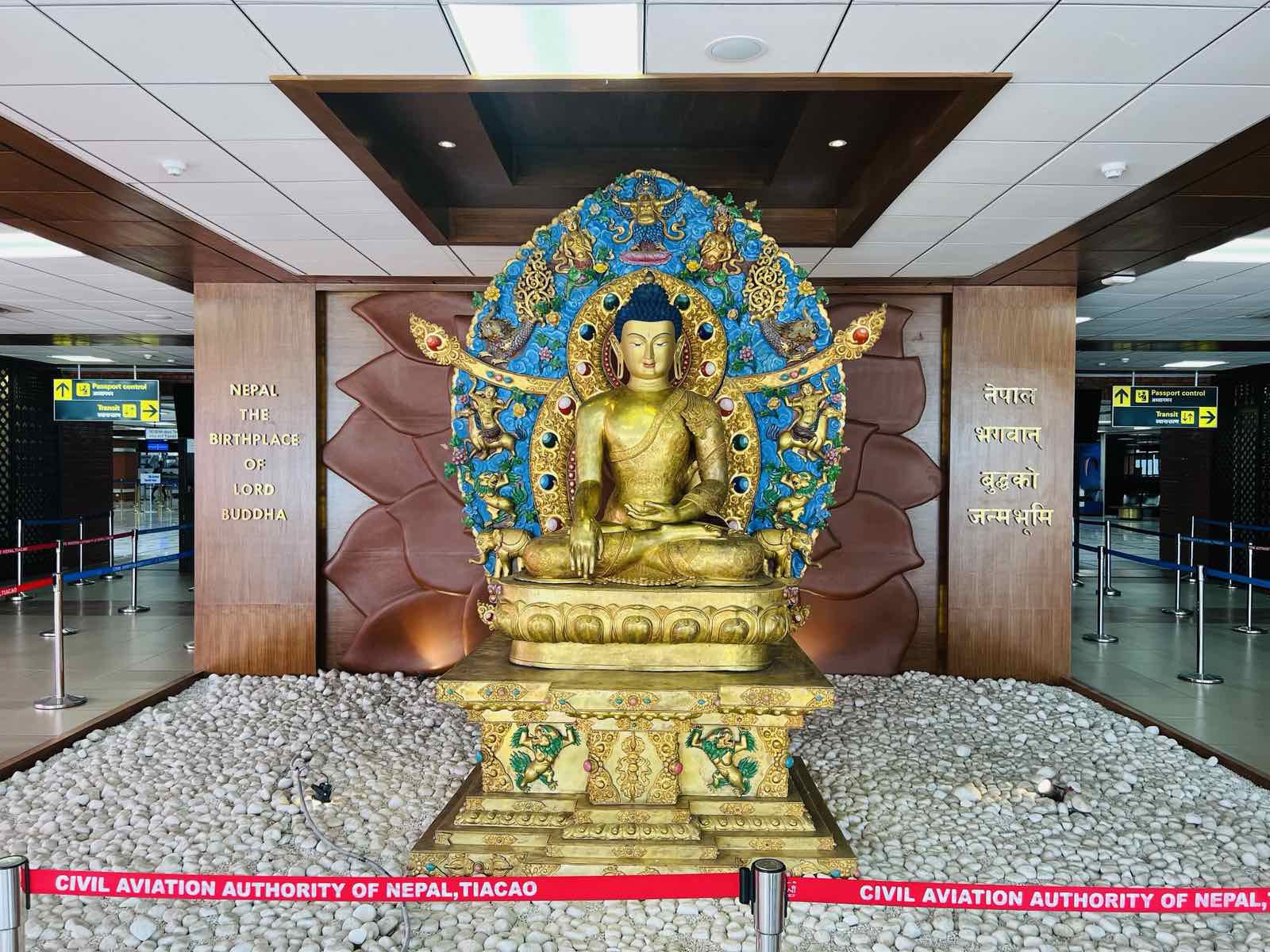
Nepal is the birthplace of Lord Buddha, located in Lumbini, one of the most significant pilgrimage sites for Buddhism worldwide. Lumbini is a UNESCO World Heritage Site and attracts countless Buddhism pilgrims and cultural tourists interested in the roots of the world’s most practiced religions. The peaceful ambiance of Lumbini offers an unforgettable spiritual journey.
World’s Largest Hindu Population (by percentage)
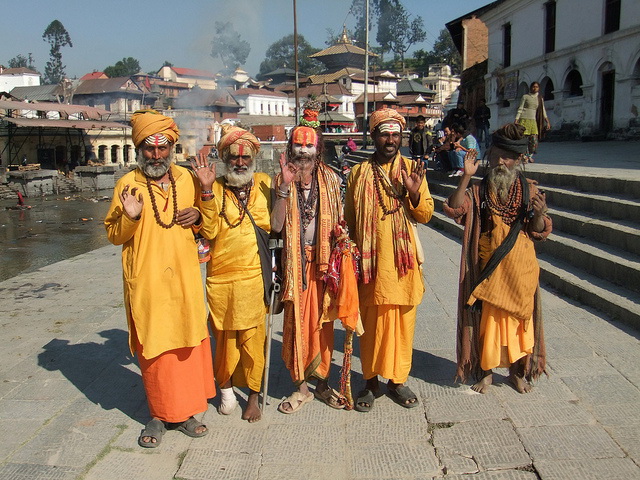
With over 81% of its population practicing Hinduism, Nepal holds the distinction of having the largest Hindu population by percentage in the world. Hindu temples such as the Pashupatinath Temple in Kathmandu and the ancient Muktinath Temple in the Mustang region are famous attractions for religious tourism and cultural exploration in Nepal. Visitors can experience the vibrancy of Nepali festivals like Dashain and Tihar, which celebrate Hindu deities and cultural traditions.
Home of the Highest Mountains on Earth
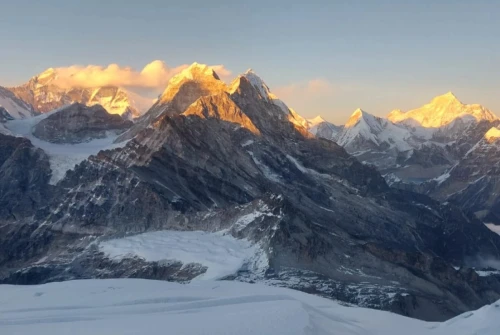
Nepal is widely recognized as the Land of the Himalayas, and it is home to eight of the world’s 14 highest mountains above 8,000 meters, including Mount Everest (8,848.86 meters). Nepal is the premier destination for mountain trekking and climbing. The iconic Everest Base Camp trek and the Annapurna Circuit trek are world-renowned and attract adventure tourists from all over the globe. For mountain lovers, there’s no better place to experience breathtaking views and challenging hikes.
The Only Non-Rectangular National Flag
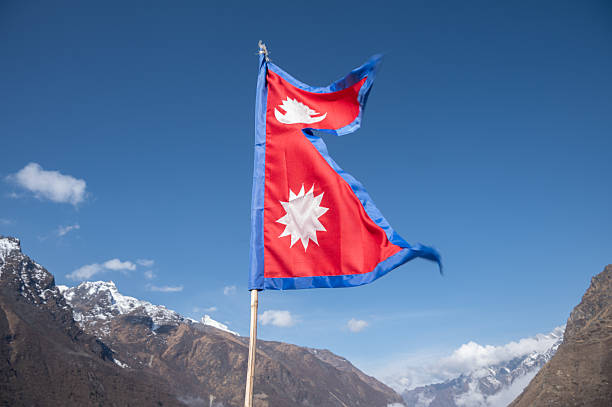
Nepal is the only country in the world with a non-rectangular national flag. The flag consists of two stacked triangles that symbolize the Himalayan mountains, the Nepalese monarchy, and the country's two main religions Hinduism and Buddhism. This iconic Nepal flag is a unique symbol of national identity and pride.
World’s Deepest Gorge
The Kali Gandaki Gorge is considered the deepest gorge in the world, plunging over 5,500 meters between the Dhaulagiri and Annapurna mountain ranges. This natural marvel, located in the Mustang region, is a must-see for nature lovers, geography enthusiasts, and trekkers looking for off-the-beaten-path adventures. It’s a true gem for those seeking solitude in Nepal’s wild landscapes.
Never Colonized
Nepal holds a unique place in Asian history as one of the few countries that were never colonized by foreign powers. This independent history has helped preserve Nepal’s cultural integrity and sovereignty, making it a fascinating destination for those interested in learning about Nepalese history and the country’s resilience over the centuries. It’s an important aspect of Nepal’s identity that attracts travelers seeking cultural tours and historical exploration.
Rich Cultural Heritage and UNESCO Sites
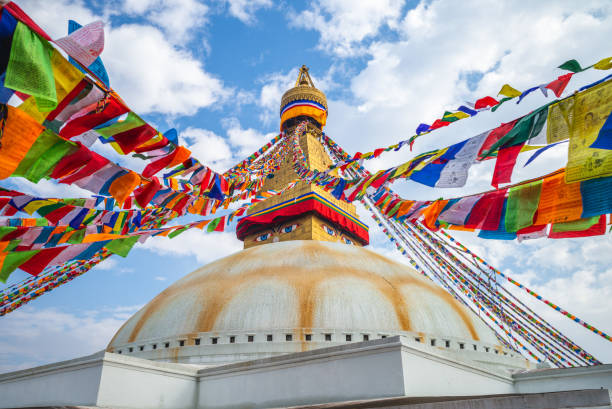
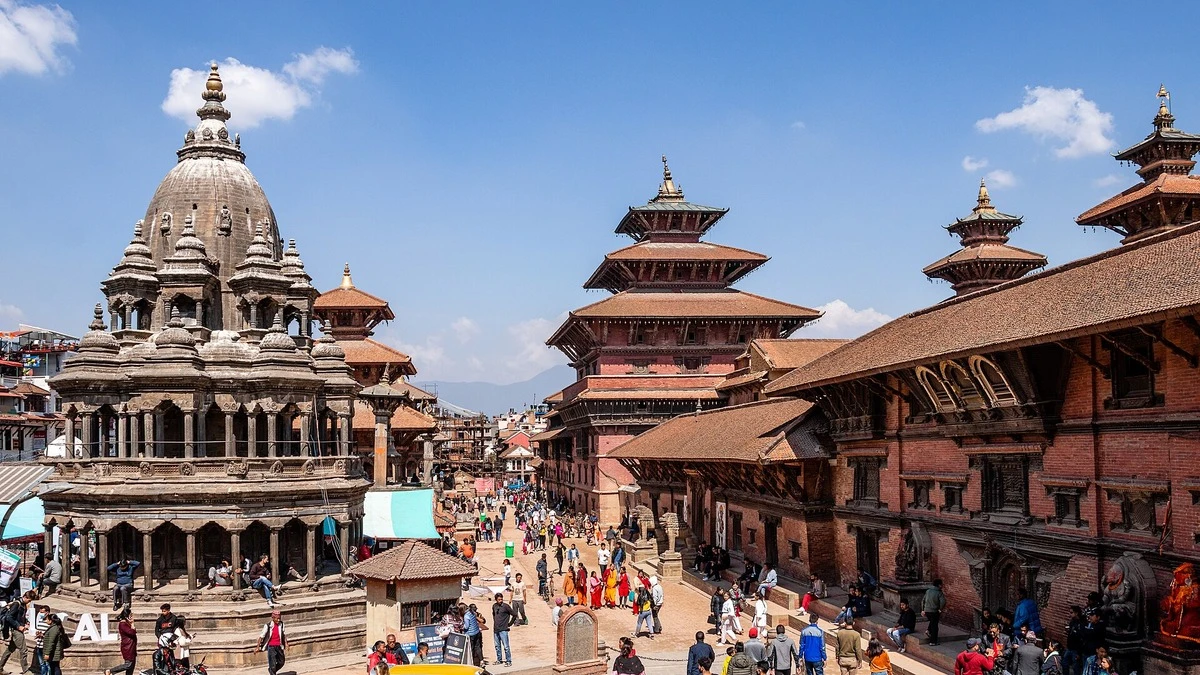
Nepal is home to 7 UNESCO World Heritage Sites, including the famous Kathmandu Valley, which is a treasure trove of ancient temples, palaces, and monuments. The Durbar Squares, Swayambhunath (Monkey Temple), and Boudhanath Stupa are all iconic landmarks that reflect the country’s rich cultural diversity and historical significance. Cultural tours in Nepal allow travelers to immerse themselves in its ancient traditions, architectural wonders, and sacred rituals.
Home to Rare Wildlife and National Parks
Nepal is also a fantastic destination for wildlife tourism and nature lovers. Chitwan National Park and Bardiya National Park are famous for safari tours and the chance to see rare species like the Bengal tiger, one-horned rhinoceros, and red panda. Whether you’re interested in birdwatching, jungle safaris, or exploring the pristine wilderness, Nepal offers a wealth of nature experiences.
A Unique Blend of Adventure and Spirituality
Nepal is one of the few places in the world where you can combine spiritual retreats with thrilling adventure sports. The country is known for activities such as white-water rafting, paragliding, mountain biking, and rock climbing. Yoga and meditation retreats in the peaceful Pokhara Valley and around the serene Patan area offer travelers a way to balance their adventures with mindfulness and relaxation.
Nepal Demographics & Facts (2026 Update)
Nepal is a beautiful and culturally rich country nestled in the heart of South Asia. As of 2026, here are some key demographics and facts that provide an overview of this incredible nation:
Capital City: Kathmandu is the capital city of Nepal and serves as the economic, cultural, and political center of the country.
Population: Nepal's population is approximately 30 million, making it the 45th most populous country in the world. The population is diverse, with a mix of ethnic groups, languages, and cultures.
Life Expectancy: The average life expectancy in Nepal is around 71 years, which reflects improvements in healthcare and living conditions in recent years.
Literacy Rate: Nepal boasts a literacy rate of over 70%, with education continually improving across both urban and rural areas. Efforts are underway to further boost educational access and quality, especially for women and disadvantaged communities.
Administrative Divisio: Nepal is divided into 7 provinces, each with its own administrative structure.
History of Nepal From Ancient Kingdoms to a Federal Republic
Nepal’s history is a rich tapestry of ancient dynasties, cultural evolution, and political transformation. From mythological rulers to modern democracy, Nepal has maintained a unique identity and sovereignty throughout the centuries.
Early Dynasties of Nepal
Gopala and Mahispala (Abhira) Dynasties
According to legend, the Gopala dynasty was the first ruling dynasty of Nepal. The last king of this dynasty was Yaksha Gupta. After his death, power passed to the Mahispalas (also known as Abhiras). The Abhira rule came to an end when Yalamber, the first king of the Kirat dynasty, defeated the Abhira ruler and established Kirat control over the region.
Kirat Dynasty (c. 800–300 BCE)
The Kirat dynasty is historically documented as the first ruling dynasty of Nepal. According to the Gopalavamsa chronicle, their kingdom extended from the Kathmandu Valley eastward to the Teesta River and westward to Tisida.
King Yalamber, the most renowned Kirat ruler, is mentioned in the Hindu epic Mahabharata. The Newar community still refers to Patan as "Yala" in his honor. It is believed that Lord Buddha visited the Kathmandu Valley during the reign of the 7th Kirat king, Jitedasti. The Kirat era ended with King Gashti, who was overthrown by the Somavanshi ruler Nimisha.
Lichhavi Dynasty: The Golden Age (c. 400–750 CE)
The Lichhavi dynasty is considered the golden age of Nepal’s history. This era saw remarkable advancements in:
The oldest written inscription in Nepal, found at Changu Narayan Temple, dates back to 464 CE and belongs to this period.
The Lichhavi kings maintained strong diplomatic and trade relations with India and Tibet, allowing cultural and religious exchange to flourish.
Notable Lichhavi rulers include:
Manadeva I & II
Amshuvarman
Bhaskarvarma
Haridutta
Jayadeva
Basantadeva
Shankerdeva
Gunakamadeva
Thakuri Dynasty
Following the decline of the Lichhavi kings, power shifted to the Thakuri dynasty, founded by Amshuvarman, originally a feudal lord. Though short-lived, this dynasty paved the way for the rise of the Malla kings.
Malla Dynasty (12th–18th Century)
The Malla era, beginning with Ari Malla in the 12th century, lasted nearly 600 years and profoundly shaped Nepal’s cultural and architectural identity.
Cultural Renaissance During this period:
Social and economic reforms were introduced
New artistic styles flourished
Temples, palaces, and courtyards were constructed
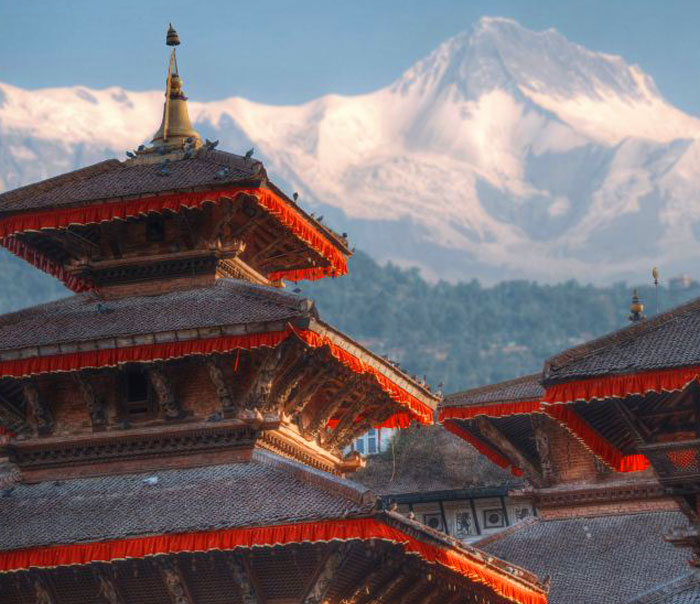
Many UNESCO World Heritage Sites in the Kathmandu Valley, including the Durbar Squares of Kathmandu, Bhaktapur, and Patan, date back to the Malla period.
Prominent Malla Rulers:
Jayasthiti Malla
Abhaya Malla
Yaksha Malla
Jaya Prakash Malla
The famous Newar architect Araniko, who later served at the court of Kublai Khan, was sent to China during the reign of Abhaya Malla.
The Malla dynasty ended with the rise of the Gorkha Kingdom under Prithvi Narayan Shah.
Unification of Nepal: Shah Dynasty
Prithvi Narayan Shah (1723–1775)
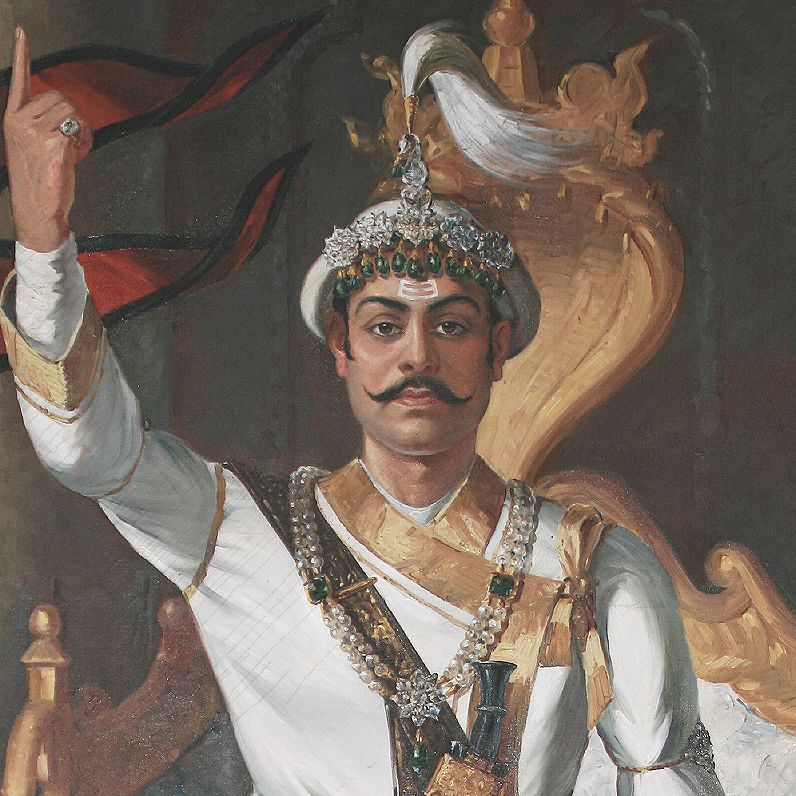
King Prithvi Narayan Shah of Gorkha is remembered as the founder of modern Nepal. Before his reign, Nepal was divided into many small kingdoms. He began the unification process from Gorkha and conquered the Kathmandu Valley in 1768, shifting the capital from Gorkha to Kathmandu.
Under the Shah dynasty, Nepal expanded from the Teesta River in the east to the Sutlej River and Kumaon Hills in the west. The Shah dynasty ruled Nepal until 2008, though their power weakened during the Rana period.
Rana Regime (1846–1953)
The Rana era began after the Kot Massacre, when Jung Bahadur Rana seized power and made the position of Prime Minister hereditary. The Shah kings became ceremonial figureheads, and the Ranas ruled as regents with absolute authority. Nepal remained isolated from the outside world during this period. The Rana regime lasted 104 years until it was overthrown by a popular movement in 1953, restoring power to King Tribhuvan.
Democracy, Panchayat System & Political Change
1959: First democratic elections were held.
1960: King Mahendra dissolved parliament and introduced the Panchayat system, a party-less governance model.
Parliamentary democracy was suspended for decades until the People's Movement (1990) restored democracy.
End of Monarchy & Modern Nepal
After a decade-long civil war (1996–2006), political change reshaped the nation:
2008: Nepal officially abolished its monarchy and declared itself a Federal Democratic Republic.
Power was transferred to an elected government, marking a historic shift from monarchy to democracy.
Provinces of Nepal How many states are in Nepal?
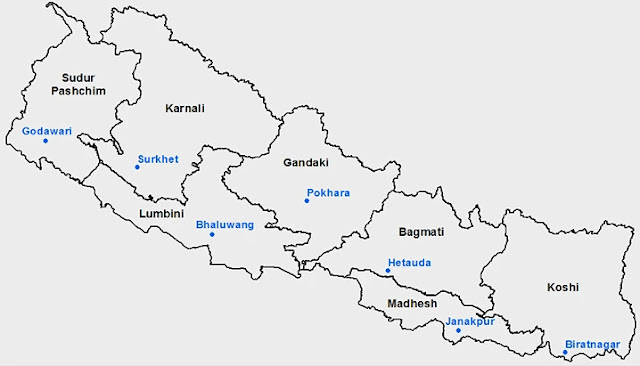
In 2015, Nepal adopted a new constitution and was divided into 7 provinces, making the country a federal democratic republic.
These provinces are:
Koshi Province
Madhesh Province
Bagmati Province
Gandaki Province
Lumbini Province
Karnali Province
Sudurpashchim Province
Each province has its own provincial government, with Kathmandu remaining the national capital.
What is the capital of Nepal?
Kathmandu is the capital of Nepal, located in the Kathmandu Valley at an altitude of 1,400 meters (4,600 feet) in central Nepal. The city has been the heart of Nepal’s political, cultural, and economic life for centuries.
Historically, the Kathmandu Valley was known as "Nepal Mandala" and has been home to the Newar people, who have a rich cultural heritage. Kathmandu served as the royal capital of the Kingdom of Nepal and later became the seat of government for the Nepalese republic after the monarchy was abolished. Today, it remains a vibrant hub, offering a mix of ancient history and modern development.
How to Get a Nepalese Visa (Visa on Arrival)
Traveling to Nepal is straightforward and convenient for most international travelers. Nepal offers a Visa on Arrival at major international airports and land border entry points, making the process quick and hassle-free, as long as you have the correct documentation. Here's a step-by-step guide to help you navigate the Nepal visa process:
Nepal Visa on Arrival Process
Upon arrival in Nepal, you will need to follow these simple steps:
Fill out the Visa Application Form:You can complete the visa application form either online before your arrival or at the airport kiosk. The online option can save you time once you land in Nepal.
Submit Your Personal Details:You’ll be asked to provide your personal details, including a local contact address in Nepal (hotel or host information).
Pay the Visa Fee:Head to the visa fee counter and pay the required fee (USD preferred). You can pay in other major currencies as well, though USD is the most commonly accepted.
Receive Your Visa Stamp:After submitting your application and fee, you will receive your visa stamp in your passport, typically within minutes.
Documents Required for Nepal Visa on Arrival
Make sure you have the following documents ready when applying for your Nepal tourist visa:
Valid Passport: Your passport should be valid for at least 6 months from your date of arrival in Nepal.
One Recent Passport-Sized Photograph: Make sure the photo has a light-colored background, as this is preferred.
Visa Fee Payment: Prepare the visa fee in cash (preferably in USD).
Tip: To save time at the airport, consider filling out the online visa application before arrival.
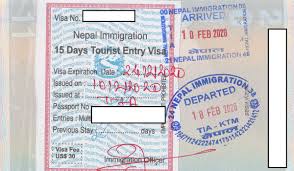
Nepal Visa Fees (Tourist Visa)
15 Days – USD 30
30 Days – USD 50
90 Days – USD 125
These visa fees apply to tourist visas for the purposes of trekking, cultural tourism, or general travel.
Who Is NOT Eligible for Visa on Arrival?
While most nationalities are eligible for the Visa on Arrival in Nepal, the following countries require travelers to apply for a Nepal visa in advance through a Nepalese embassy or consulate:
Nigeria
Afghanistan
Iraq
Somalia
Zimbabwe
Eswatini (Swaziland)
Ghana
Liberia
Ethiopia
Palestine
Cameroon
Syria
Additionally, travelers who are refugees and holding travel documents are not eligible for the Visa on Arrival.
Where to Apply for an Advance Nepal Visa?
For travelers not eligible for a Visa on Arrival, you must apply for a visa in advance through:
Nepal Embassy or Consulate: Visit the nearest Nepalese embassy or consulate in your country of residence to apply for a tourist visa.
For the most accurate and updated visa rules, always refer to the official website of Nepal’s Department of Immigration.
Where Is Nepal Located on the World Map?
Nepal is a landlocked country situated in South Asia, nestled between two giant neighbors:
India to the south, east, and west
China (specifically the Tibet Autonomous Region) to the north
This unique position places Nepal at the heart of the Himalayan mountain range, making it one of the most stunning and geographically diverse countries in the world.
Geographical Coordinates of Nepal
Latitude: 26°N to 31°N
Longitude: 80°E to 89°E
Nepal stretches just over 200 km from the tropical Terai plains in the south to the towering, icy peaks of the Greater Himalayas in the north, including Mount Everest, the tallest mountain in the world.
Is Nepal part of India or China?
No, Nepal is NOT part of India or China. It is a sovereign, independent nation, with its own:
Although Nepal shares deep cultural ties with India, and historical trade routes with Tibet (China), it has never been colonized and has managed to preserve its independence throughout history.
Nepal’s strategic location has allowed it to develop a distinctive identity, with a unique blend of Hindu and Buddhist traditions, ancient temples, and historical landmarks. Despite being geographically surrounded by India and China, Nepal has maintained its sovereignty and neutral stance in international affairs.
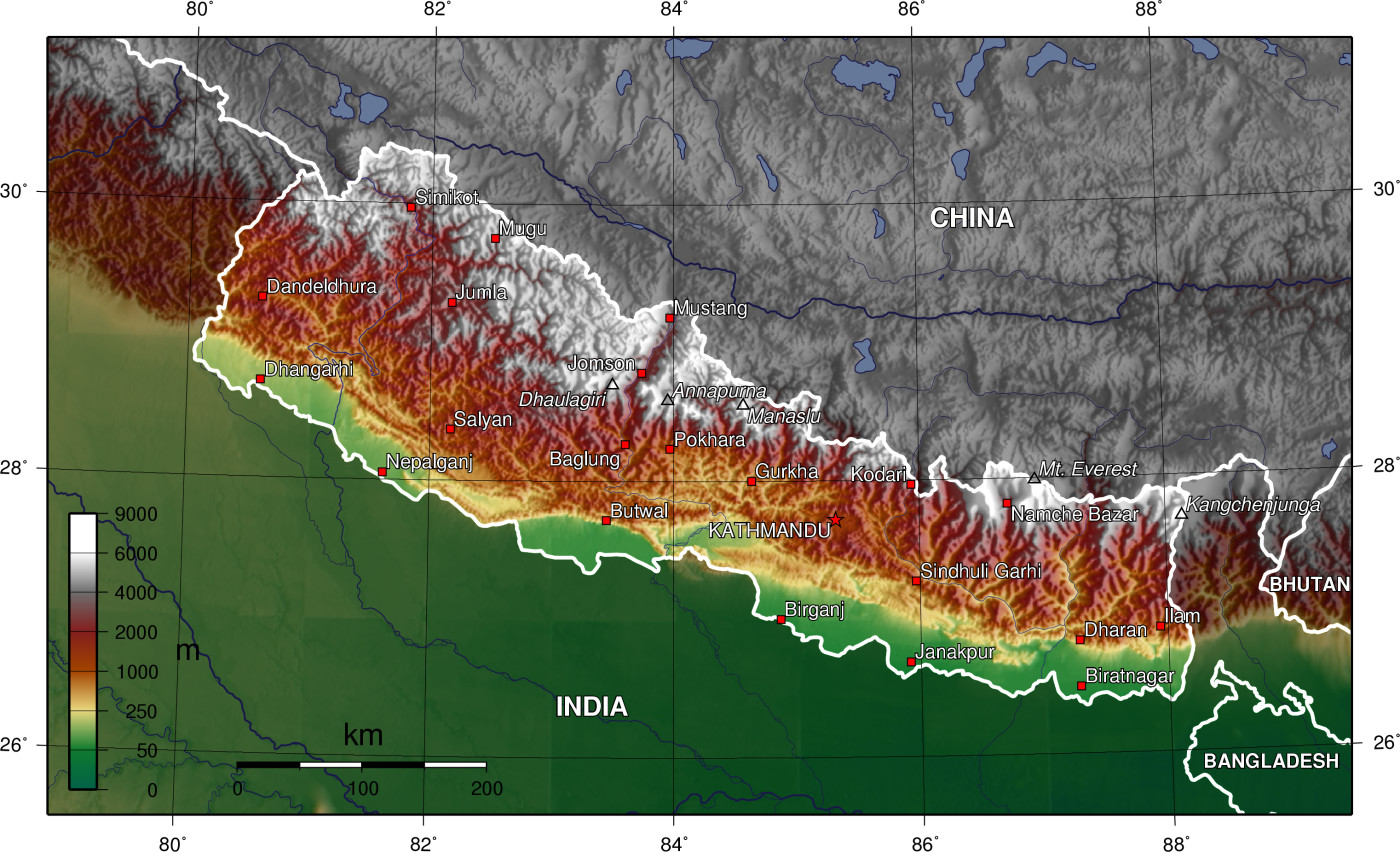
Neighboring Countries of Nepal
Nepal is a landlocked country in South Asia, and it shares borders with only two neighboring countries:
India – Nepal is surrounded by India on three sides: to the south, east, and west.
China (Tibet) – To the north, Nepal is bordered by China, specifically the Tibet Autonomous Region.
Despite its landlocked position, Nepal has historically served as an important trade bridge between India and Tibet, facilitating cultural exchange, commerce, and travel between the two regions for centuries. This strategic location has also made Nepal a key player in regional geopolitics in South Asia.
Why Nepal’s Location Matters
Nepal’s position between these two giant neighbors, India and China, gives it a unique blend of cultural influences, economic relations, and strategic importance. This geographical setup has shaped Nepal’s history, economy, and international relations, particularly in terms of trade routes, religious exchanges, and tourism.
Why Is Nepal Famous Worldwide?
Nepal is internationally recognized for its breathtaking mountains, deep spirituality, rich cultural heritage, and world-renowned adventure tourism. From the towering peaks of the Himalayas to its ancient temples, Nepal attracts millions of visitors each year for a variety of unforgettable experiences.
Home to the World’s Highest Mountains
Nepal is home to 8 of the 14 highest peaks on Earth, including the most famous of them all:
This makes Nepal the #1 trekking and mountaineering destination globally. For trekkers and mountain climbers, Nepal offers unparalleled adventure tourism, including world-class routes like the Everest Base Camp trek and the Annapurna Circuit, attracting outdoor enthusiasts from around the world.

Birthplace of Lord Buddha
Nepal is also the birthplace of Gautam Buddha, the founder of Buddhism. The town of Lumbini, located in southern Nepal, is where Buddha was born over 2,500 years ago.
Lumbini is a UNESCO World Heritage Site, revered by millions of Buddhism pilgrims and travelers. The site is home to significant archaeological landmarks, such as the Ashoka Pillar, marking the sacred spot where Buddha was born.
Rich Cultural Heritage & UNESCO World Heritage Sites
Nepal is a living museum of ancient culture, home to numerous UNESCO World Heritage Sites that showcase its vibrant traditions and history. Some of the most famous cultural landmarks include:
Kathmandu Durbar Square – the historical heart of Kathmandu Valley
Bhaktapur Durbar Square & Patan Durbar Square – ancient royal palaces and temples
Pashupatinath Temple – one of the holiest Hindu temples in the world
Swayambhunath Stupa (Monkey Temple) – a significant Buddhist stupa offering panoramic views of Kathmandu
Boudhanath Stupa – one of the largest Buddhist stupas in the world, attracting thousands of pilgrims annually
Lumbini Sacred Garden – the birthplace of Lord Buddha, a site of historical and spiritual significance
Why Nepal Stands Out
Trekking in Nepal – Whether it’s a trek to Everest Base Camp, the Annapurna Circuit, or the Langtang Valley, Nepal is known worldwide as the ultimate mountain trekking destination.
Spiritual Travel – Nepal’s profound connection to Buddhism and Hinduism makes it a spiritual hub. Visitors can experience meditation retreats, yoga centers, and sacred sites like Pashupatinath and Swayambhunath.
Adventure Tourism – Beyond trekking, Nepal is also famous for white-water rafting, paragliding, mountain biking, and wildlife safaris in parks like Chitwan National Park.
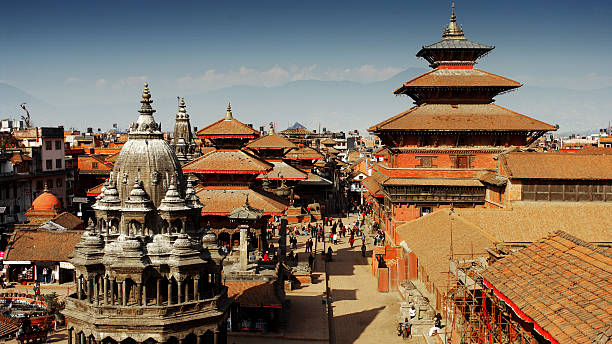
Religion in Nepal A Land of Harmony
Nepal is a secular state where religious coexistence and tolerance are integral to the country's identity. The diverse religious landscape of Nepal is marked by peaceful harmony, where multiple faiths live side by side, contributing to the nation’s unique cultural richness.
Religious Demographics in Nepal
Hinduism – The majority religion, with around 81% of the population practicing it. Nepal is known as the world’s only Hindu kingdom, and it is home to many significant Hindu temples such as the Pashupatinath Temple in Kathmandu.
Buddhism – Around 9% of Nepalese follow Buddhism, with Lumbini, the birthplace of Gautama Buddha, being one of the most sacred sites for Buddhism worldwide.
Islam – 5% of the population practices Islam, with mosques spread across the country, particularly in the southern regions.
Christianity – Around 1.7% of Nepal’s population identifies as Christian, and churches can be found, especially in urban areas.
Indigenous Faiths – Kirat and other indigenous faiths are practiced by several communities, particularly in the eastern regions of Nepal.
Religious Harmony in Nepal
One of the most remarkable aspects of religion in Nepal is its peaceful religious coexistence. Temples, monasteries, mosques, and churches often stand side by side in harmony, symbolizing the country’s deep-rooted religious tolerance. This blend of religious practices in daily life has made Nepal a model of religious pluralism in the world.
Why Nepal is a Model of Religious Tolerance
Nepal’s rich religious diversity is not only reflected in its places of worship but also in the festivals, traditions, and rituals that are celebrated by different communities. From the Hindu festivals like Dashain and Tihar to Buddhist celebrations such as Buddha Jayanti, and Islamic festivals like Eid, Nepal showcases a vibrant mix of religious observances throughout the year.
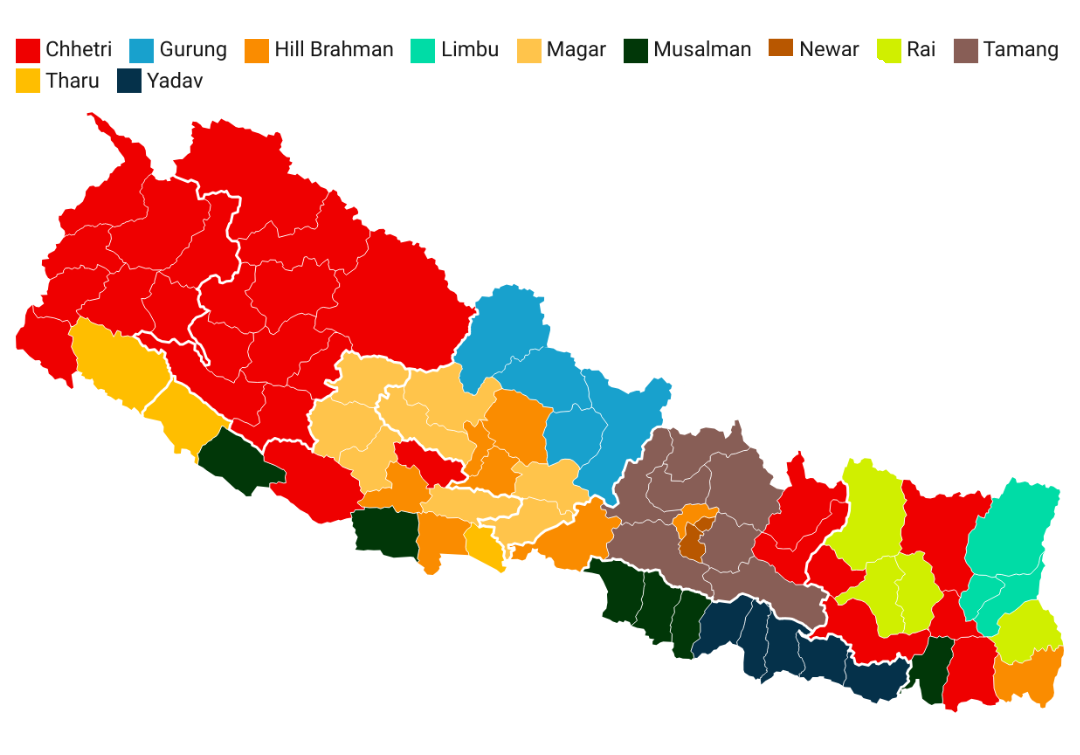
What is the Language of Nepal?
The primary and official language of Nepal is Nepali, also known as Nepali or Gorkhali. While Nepali is widely spoken across the country, Nepal also boasts a rich linguistic diversity, with many other languages being spoken as mother tongues, including Maithili, Bhojpuri, Tamang, Tharu, Newari, and more.
Nepali: The Official Language
Nepali is an Indo-Aryan language and serves as the official language for administrative purposes, education, and communication. It is spoken by a significant portion of the population, making it a lingua franca across the country. Nepali is the language most often used in schools and for official business. It is written using the Devanagari script.
Other Languages Spoken in Nepal
Maithili: The second most spoken language in Nepal, Maithili is a relatively ancient language with a strong cultural identity, particularly spoken in the eastern Terai region.
Bhojpuri: A significant language in the Terai region, Bhojpuri is also spoken in neighboring parts of India, especially in Bihar and Uttar Pradesh.
Tamang: Belonging to the Tibeto-Burman language family, Tamang is spoken by the Tamang ethnic group, particularly in the Annapurna region and other areas in central Nepal.
Tharu: Tharu is primarily spoken in the Terai region and has strong cultural and historical roots in the area. It is also spoken in nearby regions of India.
Newari: Historically the language of the Kathmandu Valley, Newari is still widely spoken by the Newar community. It has a rich cultural and literary tradition and is known for its distinct pronunciation and script.
In addition to these languages, Nepal's linguistic diversity reflects its vibrant ethnic and cultural makeup. Many people in Nepal are multilingual, speaking both Nepali and their native ethnic languages.
Where Was Lord Buddha Born? Nepal or India?
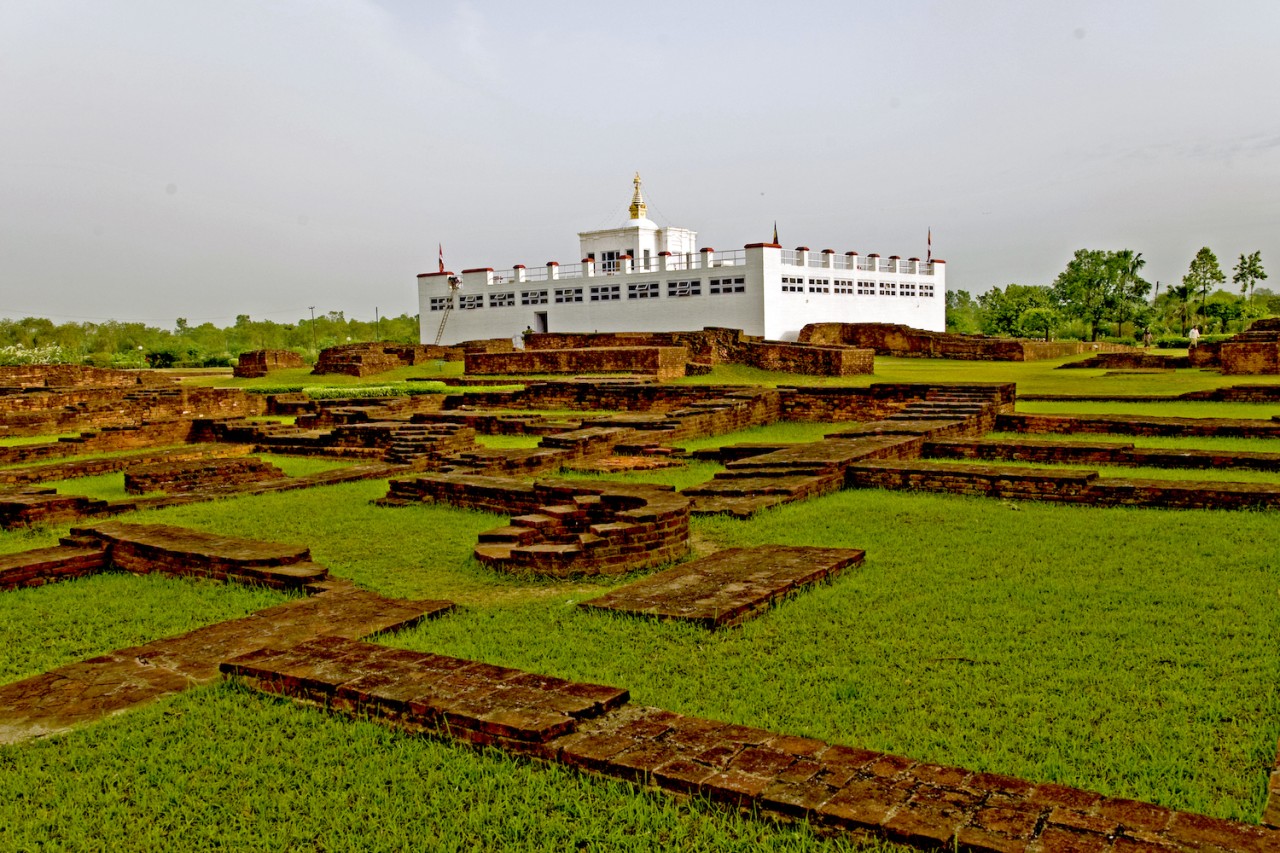
Lord Buddha, also known as Siddhartha Gautama, was born in Lumbini, which is located in Nepal, not India. Lumbini is a UNESCO World Heritage site and is widely regarded as one of the most significant pilgrimage destinations for Buddhists around the world.
According to historical records, Siddhartha Gautama was born in Lumbini around the 6th century BCE. At the time of his birth, the region was part of the ancient kingdom of Kapilavastu, which was situated in the present-day Lumbini Province of Nepal, close to the border with India.
Lumbini is revered as the birthplace of the Buddha and features important historical landmarks, including the Maya Devi Temple, which marks the spot where Queen Maya Devi gave birth to Siddhartha Gautama. The site attracts thousands of pilgrims, tourists, and scholars each year, making it a central point in the life and legacy of Lord Buddha.
Thus, while India has significant associations with the Buddha’s life, such as where he attained enlightenment in Bodh Gaya and where he passed away in Kushinagar, Lumbini in Nepal is universally recognized as his birthplace.
How to Get to Nepal ?
Traveling to Nepal is easy and accessible by both air and land. Whether you're arriving from neighboring India or China, or flying in from other parts of the world, here are the most common ways to get to this beautiful Himalayan country:
By Air
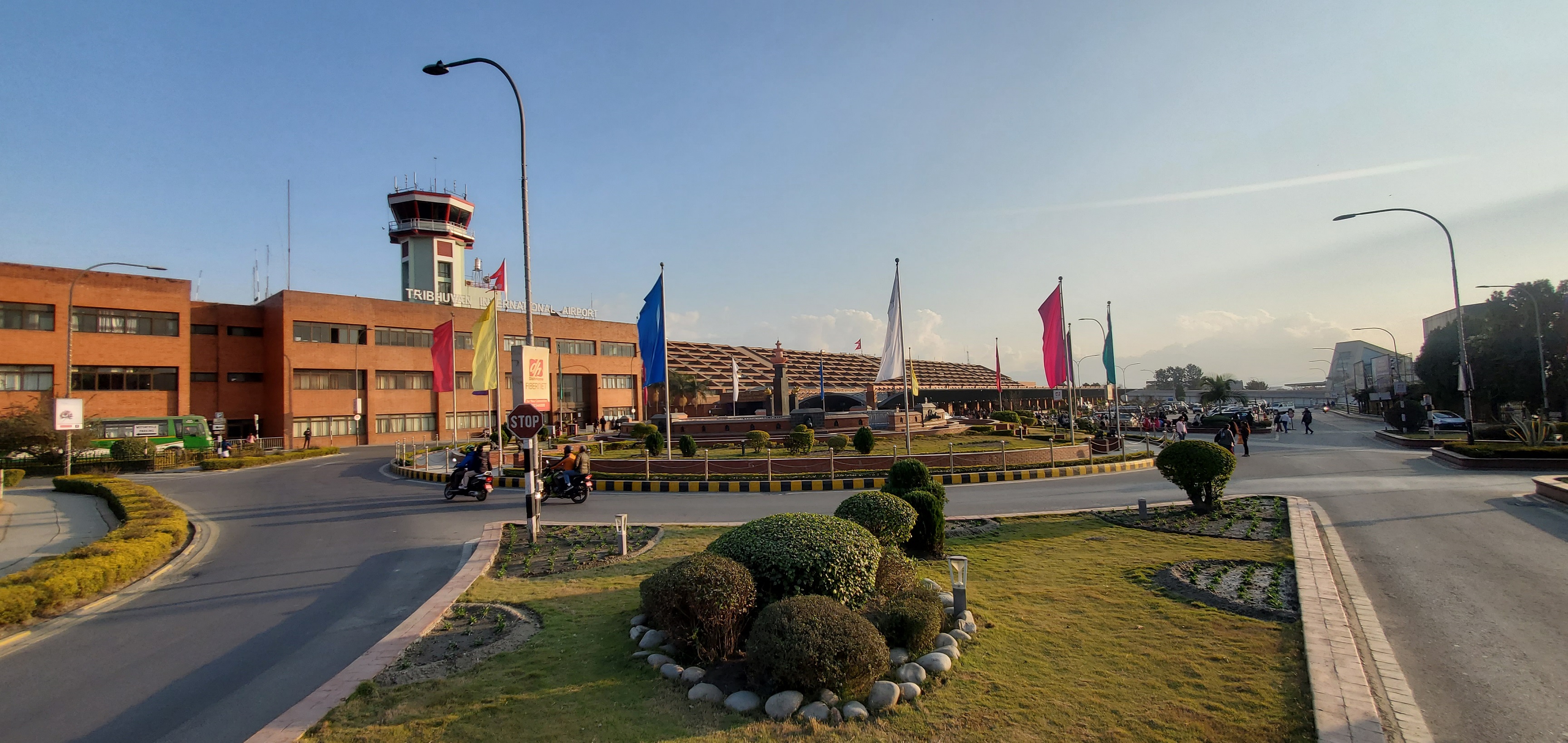
Most international travelers arrive in Nepal via Tribhuvan International Airport (TIA) in Kathmandu, the primary gateway to the country. This airport connects Nepal to various international destinations in Asia, Europe, and the Middle East.
In addition to TIA, Nepal is expanding its air connectivity with several new international airports, making it even easier for travelers to visit:
Pokhara International Airport – Serving Pokhara, a popular destination for trekking and adventure tourism, this airport provides direct flights from international cities.
Gautam Buddha International Airport – Located in Lumbini (the birthplace of Lord Buddha) in Bhairahawa, this airport is ideal for visitors looking to explore the religious and cultural sites in the Lumbini region.
By Land
Nepal shares open borders with India and China, and many travelers choose to enter Nepal by land. Here are the most popular land entry points:
Sunauli – Bhairahawa: The main entry point for travelers coming from India by road, located near Lumbini, perfect for those looking to visit the sacred birthplace of Buddha.
Raxaul – Birgunj: Another important land entry point from India, leading to the Kathmandu Valley and other central regions of Nepal.
Kakarbhitta – Eastern Nepal: Located in the eastern part of Nepal, this is a key border crossing for travelers from India.
Gyirong – Rasuwa Gadhi: The primary border crossing from Tibet (China) to Nepal, providing access for travelers heading to Kathmandu and beyond.
Why Visit Nepal?
Adventure tourism: From Everest Base Camp to Annapurna Circuit treks, Nepal is a haven for trekkers and mountain climbers.
Cultural exploration: With its rich Buddhist and Hindu heritage, Nepal offers an incredible array of religious landmarks, including Lumbini, Pashupatinath, and Boudhanath.
Peaceful ambiance: Nepal is known for its serenity, welcoming travelers with its peaceful environment and friendly locals.
Top Things to Do in Nepal
Nepal is a paradise for adventure lovers, nature enthusiasts, and culture seekers. From trekking in the Himalayas to exploring wildlife parks, here are some of the top activities you must experience while in Nepal:
Trekking & Hiking
Nepal is known worldwide for its stunning trekking routes that offer incredible views of the Himalayas and provide a variety of experiences for trekkers of all levels.
Everest Base Camp Trek: One of the most iconic treks in the world, the Everest Base Camp trek takes you through Sherpa villages and provides unparalleled views of Mount Everest and other towering peaks.
Annapurna Circuit Trek: A classic trekking route, the Annapurna Circuit takes you around the Annapurna Massif, offering a variety of landscapes, from subtropical forests to alpine meadows.
Annapurna Base Camp Trek: A slightly shorter and easier alternative to the Annapurna Circuit, this trek takes you to the base camp of Annapurna I, surrounded by stunning peaks.
Langtang Valley Trek: A relatively less crowded trek, Langtang Valley offers beautiful views of the Langtang Range and a chance to explore Tibetan-style villages.
Manaslu Circuit Trek: A challenging trek that circumnavigates Manaslu, the 8th highest mountain in the world, offering breathtaking views and cultural experiences.
Wildlife & Nature
Nepal is home to an incredible array of wildlife and national parks, making it a top destination for nature lovers.
Chitwan National Park: Famous for its one-horned rhinoceros, Bengal tigers, and a wide variety of bird species, Chitwan is one of the best places in Nepal for safaris and wildlife watching.
Bardia National Park: Located in the western Terai, Bardia offers excellent opportunities for wildlife spotting, including royal Bengal tigers, wild elephants, and the one-horned rhinoceros.
Adventure Sports
Nepal is an adrenaline junkie's dream, offering a variety of adventure sports against a backdrop of the majestic mountains and rivers.
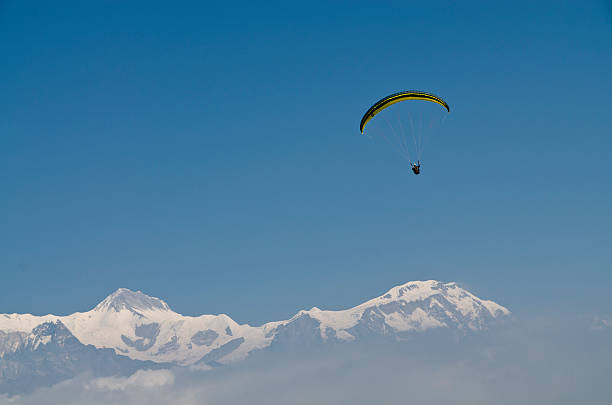
Paragliding in Pokhara: Pokhara is one of the top destinations in the world for paragliding, offering stunning aerial views of Phewa Lake and the Annapurna Range.
Bungee Jumping in Bhote Koshi: Experience the ultimate thrill with bungee jumping from a bridge over the Bhote Koshi River, one of the highest bungee jumps in the world.
White-Water Rafting: Nepal’s rivers, including the Trishuli River, are ideal for white-water rafting, offering thrilling rapids and beautiful scenery.
Ziplining & Mountain Biking: For more adventure, enjoy ziplining in Pokhara, or explore the Nepalese countryside on a mountain bike.
Why Visit Nepal for Adventure?
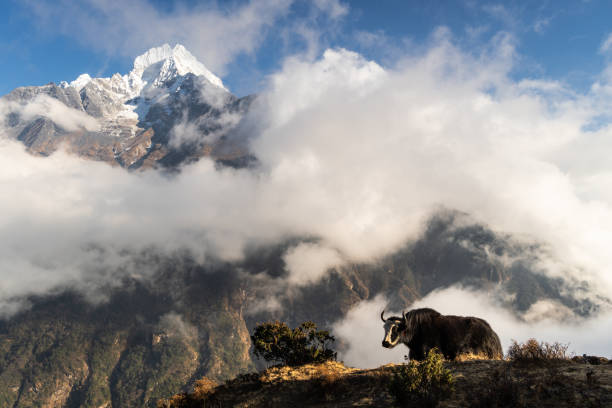
Nepal is a haven for those seeking outdoor adventure. Whether you’re trekking to Everest, riding rapids in the Trishuli River, or soaring through the sky by paragliding, Nepal offers endless opportunities for adrenaline-filled experiences. The country’s stunning natural landscapes, including the towering peaks of the Himalayas, diverse wildlife, and thrilling sports activities, make it a must-visit destination for any adventure lover.
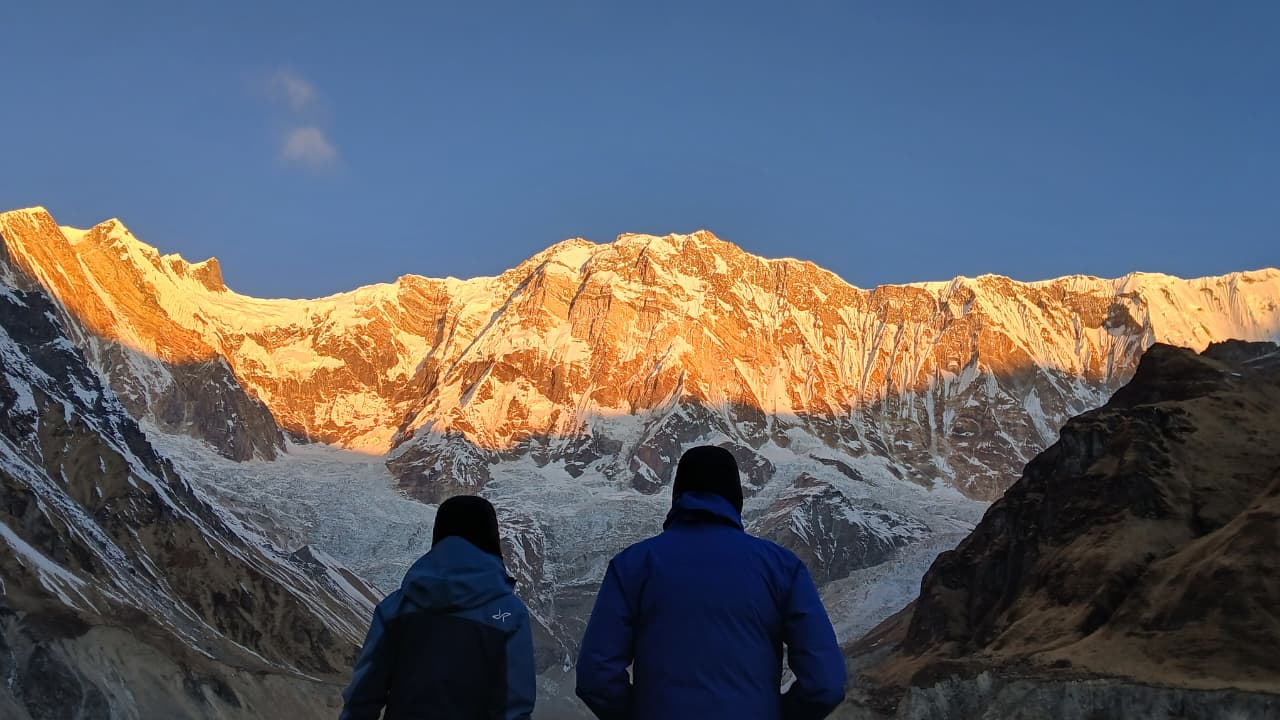
Where is Mount Everest Located in Nepal?
Mount Everest, the highest mountain in the world, is located in the Solukhumbu District of Province 1 in eastern Nepal. The mountain lies within the Sagarmatha National Park, which is a UNESCO World Heritage Site. Everest is part of the Himalayan mountain range, which stretches across Nepal, India, Bhutan, and Tibet.
Mount Everest, known as Sagarmatha in Nepali and Chomolungma in Tibetan, stands at an elevation of 8,848.86 meters (29,031.7 feet) above sea level. It marks the border between Nepal and the Tibet Autonomous Region of China.
Key Locations Around Mount Everest:
Base Camp: There are two main base camps for Mount Everest expeditions one on the south side in Nepal (the Everest South Base Camp) and one on the north side in Tibet. The South Base Camp is located at around 5,364 meters (17,598 feet) above sea level and is the more popular starting point for climbers.
Khumbu Region: The Khumbu Valley is a popular trekking route leading to Everest Base Camp and is renowned for its stunning views of Mount Everest and surrounding peaks. The region is home to the Sherpa people, known for their expertise in mountain climbing.
Mount Everest is not only a popular destination for mountaineers but also attracts trekkers and adventurers from around the world, offering breathtaking views of the highest peaks and rich cultural experiences in the surrounding Sherpa villages.
Travel Essentials for Nepal
Planning a trip to Nepal? Here’s everything you need to know to ensure a smooth and hassle-free experience in this beautiful Himalayan country:
Currency in Nepal :Nepalese Rupee (NPR) is the official currency. It is recommended to carry some local currency for purchases, especially when traveling outside of cities. ATMs are widely available in major cities like Kathmandu and Pokhara, but it's always a good idea to have cash on hand in more rural areas.
Language: The official language of Nepal is Nepali. However, English is widely understood in tourist areas. When greeting people, you can say “Namaste” (🙏), which is a common and respectful way of saying hello.
Credit Cards: Credit cards are accepted in most cities, especially in hotels, restaurants, and shops in places like Kathmandu and Pokhara. However, cash is essential for transactions in rural areas, so always carry enough Nepalese Rupees when traveling to more remote regions.
Train in Nepal: The train system in Nepal is quite limited. The Jaynagar–Kurtha route is currently the only operational international railway route connecting Nepal to India. While trains are available for short distances within Nepal, the bus system or flights are the preferred modes of travel for most tourists.
Visa for Nepal: Visa on Arrival is available for most nationalities at Tribhuvan International Airport (TIA) in Kathmandu and other border entry points. Make sure you have a valid passport and the necessary documentation. The most common visa types are for tourists, and visa fees vary based on the duration of stay.
Passport Validity: Your passport must be valid for a minimum of 6 months from your date of arrival in Nepal. It’s always a good idea to check the expiry date before booking your flight to ensure your travel plans go smoothly.
Best Time to Visit Nepal
Nepal offers unique experiences in every season. The best time to visit Nepal depends on your travel interests, whether you're looking for the perfect weather, trekking opportunities, or scenic beauty. Here’s a breakdown of what each season has to offer:
Autumn in Nepal (October – November)
Autumn is widely considered the best time to visit Nepal for trekking and outdoor activities. The weather is clear, and mountain views are at their most spectacular. With mild temperatures and dry conditions, it’s the ideal time for popular treks like the Everest Base Camp trek and the Annapurna Circuit. Autumn is also the tourist peak season, making it a great time to experience Nepal's vibrant culture.
Spring in Nepal (March – May)
Spring is another excellent time to visit Nepal, particularly for those who want to see the stunning rhododendron flowers in full bloom. The temperatures are moderate, and it’s the start of the mountain climbing season, with many mountaineers heading to Mount Everest and other peaks. If you're planning on trekking, you can enjoy beautiful views while witnessing nature's colors come to life.
Monsoon Nepal (June – August)
Monsoon season brings heavy rains to Nepal, particularly in the terai and hilly regions. While this may not be the best time for trekking in the higher altitudes due to the risk of landslides and slippery trails, it offers a chance to experience Nepal’s lush landscapes at their finest. With fewer tourists, you can explore the cultural and natural beauty of Nepal with less crowd. It’s also a great time for visiting the Chitwan National Park and seeing the vibrant greenery.
Winter in Nepal (December – February)
Winter in Nepal can be cold, especially in the higher altitudes, where temperatures drop drastically. However, it’s still a great time to visit the lower regions such as Kathmandu, Pokhara, and the Chitwan area, where the weather remains relatively mild and the skies are clear. If you love clear views of the mountains without the crowds, winter is a good time for a peaceful cultural tour or a lower altitude trek.
Why Nepal Should Be Your Next Travel Destination
Nepal is not just a place you visit,it’s a journey that transforms you. From stunning Himalayan sunrises to the tranquil chants of monasteries, and from heart-pumping adventure sports to moments of profound spiritual calm, Nepal offers an experience unlike anywhere else in the world. It’s a country that invites you to connect with nature, culture, and yourself in the most authentic way possible.
What Makes Nepal Special?
Nepal offers a unique blend of adventure, culture, and spirituality:
Himalayan adventures: Nepal is home to some of the world’s best trekking routes, including the Everest Base Camp trek,Mardi Himal and the Manaslu circuit, where you'll witness unparalleled views of the Himalayan mountains.
Spiritual connection: Experience Nepal’s rich spiritual heritage, with iconic sites like the Pashupatinath Temple and Lumbini (the birthplace of Lord Buddha), perfect for meditation, yoga retreats, and connecting with inner peace.
Wildlife & nature: Explore Chitwan National Park for wildlife safaris and view the famous one-horned rhinoceros and Bengal tigers, or discover the peaceful beauty of Pokhara with its tranquil lakes.
The Benefits of Hiking in Nepal
Hiking in Nepal doesn’t just offer breathtaking views and amazing outdoor experiences it also comes with a host of physical, mental, and emotional benefits:
Physical Fitness: The mountain treks of Nepal, such as the Annapurna loop trek and Langtang Valley Trek, require stamina and endurance. Hiking in these high-altitude environments will improve cardiovascular health, muscle strength, and flexibility, all while providing an amazing workout in one of the world’s most beautiful settings.
Mental Clarity: The peace and tranquility of Nepal’s remote trekking routes offer a perfect escape from the noise of daily life. The mountain solitude and time spent in nature allow for deep reflection, improving your mental well-being and providing the opportunity to disconnect and recharge.
Spiritual Growth: Nepal’s treks aren’t just physical challenges they are spiritual journeys. The presence of monasteries, temples, and spiritual landmarks like Lumbini, the birthplace of Buddha, encourages inner peace and mindfulness, allowing you to connect with your spiritual side.
Stress Relief: The simple act of walking in nature, away from the stress of modern life, can lower cortisol levels, reduce anxiety, and enhance overall emotional health. The scenic beauty and serenity of places like Everest three passes Base Camp and Annapurna Base Camp help create lasting memories of peace and joy.
Personal Tip: Don’t Limit Yourself to Kathmandu
While Kathmandu is the heart of Nepal, don’t miss out on exploring the country beyond the capital. Some of Nepal’s most beautiful and culturally rich destinations include:
Pokhara: Known for its stunning lakes like Phewa Lake and breathtaking mountain views, Pokhara is the perfect place for those seeking a mix of nature and adventure.
Bandipur: A hill-town with timeless cultural heritage, Bandipur offers a glimpse into traditional Nepali life, surrounded by panoramic views of the Annapurna and Langtang Himal ranges.
Trekking: Even if you don’t have time for a long trek, Nepal offers short treks that will introduce you to the country’s awe-inspiring landscapes, traditional villages, and rich culture. Trek once, and Nepal will stay with you forever.
Why Nepal Will Stay With You
Once you visit Nepal, it’s not just the memories that last, it's the lasting connection to the people, culture, and natural beauty. Whether you’re seeking adventure, spirituality, or a deep cultural experience, Nepal offers it all. It's a place that changes you, leaving an impression that will stay with you long after you return home.
Conclusion: Explore Nepal with All Nepal Hiking
Nepal is a remarkable country that captivates visitors with its stunning mountain landscapes, rich history, and diverse culture. Nestled between India and China, Nepal offers a unique blend of adventure, spirituality, and natural beauty. Whether you’re exploring the Himalayas, visiting Kathmandu, trekking to Mount Everest, or immersing yourself in the country’s rich traditions and festivals, Nepal is a destination that offers much more than meets the eye. Its strategic location, incredible natural beauty, and deep cultural roots make it a fascinating and enduring destination.
At All Nepal Hiking, we are committed to helping travelers discover the wonders of Nepal, ensuring an unforgettable journey. From personalized trekking experiences to guided tours of historical sites, we manage and assist in every aspect of your Nepal travel.
Whether you're an adventure seeker aiming to summit Everest or someone wanting to immerse yourself in Nepal's serene beauty, All Nepal Hiking is here to guide and support you in making your trip as memorable and seamless as possible.
Top FAQs About Nepal
Does Nepal celebrate Christmas?
Does Nepal get snow?
Was Nepal communist?
Does Nepal celebrate Diwali?
Yes, Diwali (Tihar in Nepal) is widely celebrated in Nepal, especially among the Hindu community, with festivals of lights, worship, and family gatherings.
Was Nepal part of the British Raj?
Are Nepalese people Indian?
No, Nepalese people are not Indian. Nepal is a sovereign nation with its distinct culture, language, and identity, although they share many cultural ties with India.
Does Nepal border China?
When did Nepal get independence from India?
Is Nepal a third world country?
Nepal is often referred to as a developing country due to its economic challenges, but it is not strictly a "third-world" country. The term is outdated, and Nepal is making significant progress in areas like education and infrastructure.
Does Nepal have a caste system?
Yes, although officially outlawed, Nepal still has a traditional caste system, which influences social status and roles, especially in rural areas.
Do Nepal and India get along?
Nepal shares deep cultural, economic, and historical ties with India, but there are also political tensions, especially regarding territorial disputes.
How do Nepalese people look?
Is Nepal safe to travel?
Yes, Nepal is generally safe for tourists. However, like any destination, it’s recommended to stay cautious and follow local guidelines for personal safety.
Does Nepal have a military?
Where is Nepal in which country?
Is Nepal Chinese or Indian?
Nepal is neither Chinese nor Indian. It is a separate, independent country with its own government, culture, and identity.
Is Nepal part of India or China?
Is Nepal a 100% Hindu country?
How far is Nepal from India?
Nepal shares a direct border with India, so the distance is zero kilometers at the border. For example, New Delhi to Kathmandu is approximately 1,100 km by road.
Is Nepal closer to India or China?
Culturally, economically, and historically, Nepal is closer to India, though it also maintains important diplomatic and trade relations with China.
Who is Nepal’s best friend country?
Nepal maintains friendly relations with many countries, but India is traditionally Nepal’s closest ally, followed by China. Nepal also has strong ties with the USA, UK, Japan, and EU nations.
Was Nepal a British colony?
What are Nepal’s precise latitude and longitude?
Who controls Nepal?
Is Nepal older than India? Was Nepal before India?
What is Nepal known as?
Who is Gen Z in Nepal?
Gen Z in Nepal is the generation born between 1997 and 2012, growing up in a digital world. They are highly connected to technology, using social media for communication and activism. While influenced by global culture, they maintain strong ties to Nepali traditions. Gen Z in Nepal is socially conscious, advocating for issues like climate change, gender equality, and economic justice. They are focused on education and career, but also face challenges like economic instability and limited job opportunities. Despite these hurdles, they are navigating a balance between modernity and tradition.
What Was the Nepal Revolution?
The Nepal Revolution refers to key political movements that shaped the country's history:
- 1951 Revolution: Ended the Rana autocracy and restored the monarchy under King Tribhuvan, starting democratic reforms.
- 1990 People’s Movement: Overthrew the Panchayat system and restored multi-party democracy, reducing the king's powers.
- 2006 People’s Movement: Led to the abolition of the monarchy and the declaration of Nepal as a federal democratic republic.
These revolutions marked Nepal's shift from autocracy to democracy, with greater political freedoms for its citizens.
 based on 270 reviews

.webp)