based on 270 reviews


Is the Annapurna Base Camp Trek Safe?
Yes, the Annapurna Base Camp Trek is considered to be one of the safe and well-established Himalayan treks when completed with proper preparation, a suitable itinerary, appropriate equipment, and attention to weather and altitude conditions.
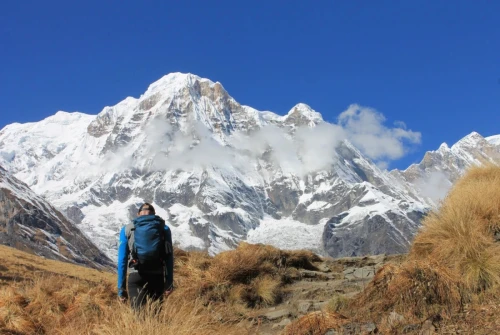
The trek reaches approximately 4,130 meters (13,550 feet) and follows a well-used trail with established teahouses, local communities, and regular trekking services. It is also non-technical, meaning you do not need mountaineering skills, ropes, or climbing equipment.
However, the ABC Trek is not risk-free. The main Annapurna Base Camp Trek risks include:
- Altitude-related illness
- Rapid weather changes
- Snow and cold temperatures
- Seasonal avalanche risk in some sections
- Landslides during or after heavy rainfall
- Slippery stone steps
- Fatigue, dehydration, and minor trekking injuries
Most risks can be reduced through gradual ascent, good fitness, proper gear, a reliable guide, and flexible travel planning.
Safety Summary: The ABC Trek is suitable for many first-time Himalayan trekkers, but it should be treated as a serious high-altitude journey rather than an ordinary hike.
Annapurna Base Camp Trek Safety at a Glance
Safety Factor | Assessment |
Overall Trekking Difficulty | Moderate |
Maximum Elevation | Approximately 4,130 meters (13,550 feet) |
Technical Climbing Skills | Not required |
Main Health Concern | Altitude-related illness |
Main Environmental Risks | Weather, snow, avalanches, landslides, and slippery trails |
Trail Infrastructure | Good, with regular teahouses |
Suitable for Beginners | Yes, with good fitness and proper preparation |
Best Trekking Seasons | Spring (March–May) and Autumn (September–November) |
Recommended Safety Support | Licensed local guide and appropriate insurance |
Annapurna Base Camp Trek Risks: What You Should Know
Understanding the main risks is one of the best ways to prepare for a safe trek.
1. Altitude Sickness at Annapurna Base Camp
Altitude sickness at Annapurna Base Camp is one of the most important health considerations because the trek reaches over 4,000 meters.
As altitude increases, the air contains less available oxygen. Some trekkers may develop symptoms even if they are physically fit or have previous hiking experience.
Possible early symptoms include:
- Headache
- Unusual fatigue
- Dizziness
- Nausea
- Reduced appetite
- Difficulty sleeping
These symptoms should be taken seriously, especially if they worsen.
How to Reduce Altitude Risk
- Follow a gradual itinerary.
- Walk at a comfortable and sustainable pace.
- Avoid rushing to reach the next destination.
- Drink enough fluids throughout the day.
- Eat regular meals.
- Avoid alcohol during the trek.
- Inform your guide if you feel unwell.
- Do not continue ascending if symptoms are worsening.
Medication such as acetazolamide may be appropriate for some trekkers, but it should only be used after advice from a qualified medical professional.
Important Altitude Rule: If symptoms become severe or continue to worsen, the safest response is usually to stop ascending and seek professional guidance. Descent may be necessary.
2. Avalanche and Snow Risks
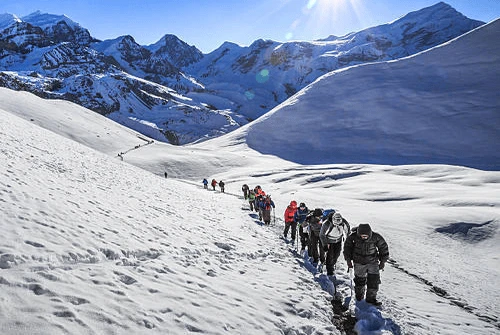
Some sections of the Annapurna Sanctuary route may be affected by snow and avalanche conditions, particularly during winter, early spring, or after heavy snowfall.
The area between Deurali and Machhapuchhre Base Camp can require additional caution because the trail passes beneath steep mountain terrain.
How to Stay Safer
- Check current trail and weather conditions before starting.
- Follow guidance from experienced local trekking professionals.
- Do not enter closed or restricted trail sections.
- Avoid trekking during severe snowfall or dangerous weather.
- Keep your itinerary flexible in case conditions change.
Avalanche risk varies significantly depending on recent snowfall, temperature, route conditions, and local assessments. It should never be described as predictable or completely avoidable.
3. Slippery Stone Steps and Trail Injuries
The Annapurna Base Camp Trek includes long sections of stone staircases, steep ascents, and uneven paths. Areas around Ulleri, Chhomrong, and other village sections can be physically demanding.
Wet weather may make stone steps slippery, while long descents can place stress on the knees and ankles.
Safety Tips
- Wear comfortable hiking boots with reliable grip.
- Use trekking poles if they improve your balance.
- Take short breaks when needed.
- Avoid rushing downhill.
- Keep your backpack weight manageable.
- Pay attention to wet, icy, or uneven surfaces.
- For many trekkers, fatigue, slips, and overuse injuries are more common practical concerns than technical mountain hazards.
Is the Annapurna Base Camp Trek Safe for Beginners?
Yes, ABC Trek safety for beginners is generally good when beginners are physically prepared and follow a sensible itinerary.
The route does not require technical climbing skills, but it still involves:
- Multiple days of trekking
- Long uphill and downhill sections
- Thousands of stone steps
- Changing weather
- Cold temperatures
- High altitude
Beginners should prepare with regular walking, hill training, stair climbing, and cardiovascular exercise. Previous trekking experience is helpful but not essential.
A beginner should not choose an extremely rushed itinerary simply to reduce the number of trekking days. A gradual schedule is generally safer and more enjoyable.
Safest Time to Trek to Annapurna Base Camp
Spring: March to May
Overall conditions: Generally favorable
Spring offers warmer temperatures, blooming rhododendrons, and comfortable trekking conditions. March may still have snow at higher elevations, while April is often one of the most popular months.
Advantages
- Mild daytime temperatures
- Colorful forests
- Good trekking conditions
- Longer daylight hours
Considerations
- Busy trails during April
- Afternoon clouds may develop
- Early spring may still bring snow at higher elevations
Autumn: September to November
Overall conditions: Often the most stable and popular
Autumn is widely considered one of the best seasons for the Annapurna Base Camp Trek. After the monsoon, mountain visibility is often good, and many trail sections are relatively dry.
Advantages
- Clear mountain views
- Comfortable daytime temperatures
- Generally stable weather
- Good trail conditions
Considerations
- October can be crowded.
- Teahouses may be busy during peak periods.
- Nights become colder in November.
Essential Annapurna Base Camp Trek Safety Checklist
Before starting the trek, make sure you:
- Have travel insurance that covers high-altitude trekking.
- Confirm that emergency evacuation coverage is included.
- Check the maximum trekking altitude covered by your policy.
- Prepare your fitness for several days of uphill and downhill walking.
- Use a gradual and realistic itinerary.
- Pack warm layers, rain protection, and suitable footwear.
- Carry a headlamp and basic personal first-aid supplies.
- Use safe drinking water or appropriate water treatment.
- Check current weather and trail conditions.
- Share your itinerary with a trusted person.
- Follow your guide’s safety advice.
- Keep extra time in your schedule for weather-related delays.
Frequently Asked Questions
Can complete beginners trek to Annapurna Base Camp safely?
Yes. The trek is non-technical and suitable for many beginners who have good fitness, prepare in advance, and follow a gradual itinerary. Beginners should not underestimate the effects of altitude, long trekking days, and repeated uphill and downhill walking.
What happens if I become sick or injured on the trail?
For minor problems, teahouses, local health services, guides, and nearby communities may provide basic support. More serious illness or injury may require evacuation or transport to medical facilities in Pokhara or Kathmandu, depending on the location, weather, and available services.
Is helicopter evacuation guaranteed?
No. Helicopter evacuation depends on weather, visibility, location, aircraft availability, operational conditions, and insurance arrangements. Poor weather may delay flights.
Is water safe to drink on the ABC Trek?
Natural stream water and untreated tap water should not be assumed safe. Trekkers should use properly treated water, boiled water, or a reliable purification method.
Is Annapurna Base Camp safer than Everest Base Camp?
ABC has a lower maximum elevation than Everest Base Camp, but safety cannot be reduced to altitude alone. Weather, itinerary, fitness, preparation, trail conditions, and decision-making all affect risk.
Do I need a guide for the Annapurna Base Camp Trek?
Current requirements should be confirmed before travel. A licensed guide is strongly recommended because guides can provide route knowledge, weather information, altitude monitoring, local support, and emergency assistance.
Final Verdict: Is the Annapurna Base Camp Trek Safe?
The answer is yes, Annapurna Base Camp is generally a safe and achievable trek for well-prepared travelers, including many beginners.
Its established trail, regular teahouses, non-technical terrain, and strong local trekking network make it one of Nepal’s most accessible high-altitude adventures. However, altitude illness, changing weather, snow, avalanches, landslides, slippery trails, and physical fatigue remain real considerations.
The safest approach is to:
- Trek during a favorable season.
- Follow a gradual itinerary.
- Prepare your fitness before traveling.
- Use suitable equipment.
- Monitor altitude symptoms carefully.
- Follow current local safety advice.
- Travel with a qualified local guide.
- Carry appropriate high-altitude travel insurance.
With sensible planning and responsible decisions with All Nepal Hiking, the Annapurna Base Camp Trek can be a safe, memorable, and rewarding Himalayan experience.



.webp)