based on 270 reviews

Updated: August 26, 2026
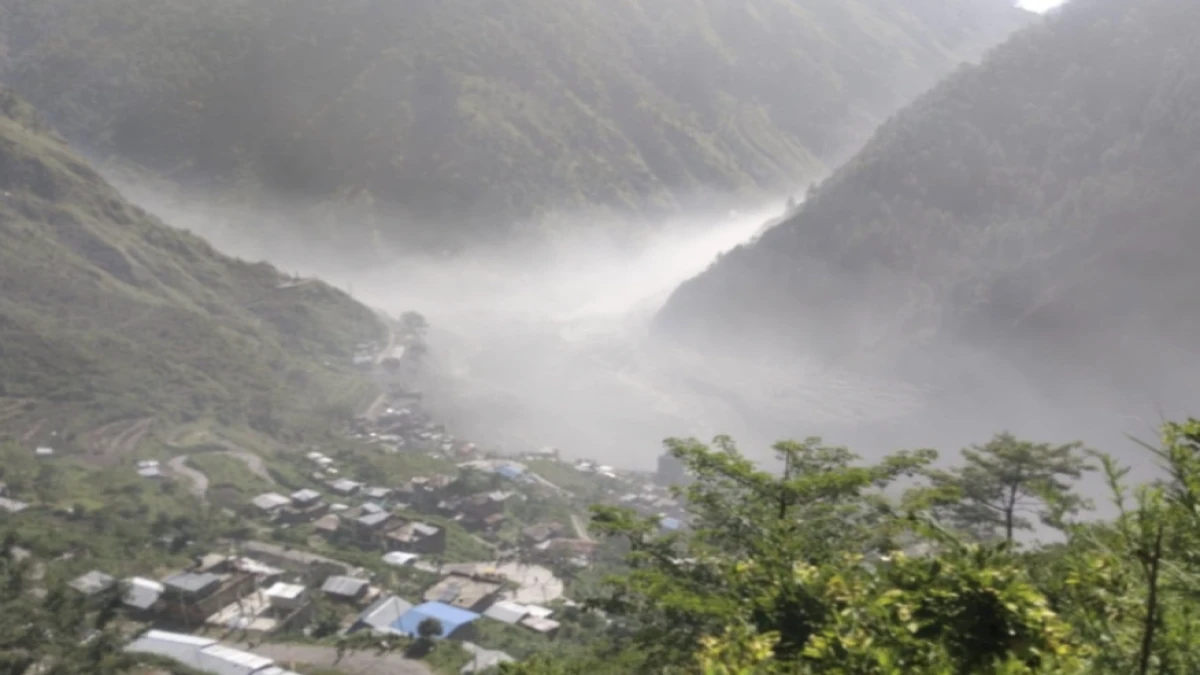
A sudden and devastating flash flood struck Rasuwa District in northern Nepal on August 26, severely affecting areas around Timure and Syabrubesi near the Nepal–Tibet border. The disaster has caused major damage to roads, bridges, settlements and hydropower infrastructure, while rescue teams continue searching for people reported missing.
The situation is particularly important for trekkers, tourists, Kailash Mansarovar pilgrims and travellers heading toward Langtang and the Nepal–China border.
Is It Safe to Travel to Rasuwa Right Now?
Travellers should avoid non-essential travel to Rasuwa and the affected Bhote Koshi/Trishuli river corridors until authorities confirm that routes are safe.
The Nepal Tourism Board has specifically advised tourists to postpone travel to flood-affected areas and remain in safe locations. Travellers have also been warned not to approach rivers, riverbanks, bridges or flooded roads. (Nepal News)
The affected routes include:
Kathmandu–Nuwakot–Rasuwa–Syabrubesi road
Syabrubesi–Timure–Rasuwagadhi route
Sections of the Prithvi Highway
Muglin–Narayangadh road
Other roads along the Bhote Koshi and Trishuli rivers (Nepal News)
What Does This Mean for Langtang Trekkers?
This is particularly significant for travellers planning the Langtang Valley Trek, as Syabrubesi is one of the principal gateways to the Langtang trekking region.
At present, travellers should not assume that the normal Kathmandu–Syabrubesi route is operating normally. Roads and infrastructure in the region have been severely affected, and conditions can change rapidly following flooding and landslides.
If you are already in the Langtang region or travelling toward Syabrubesi:
Do not continue toward affected areas without confirmation from your trekking agency, guide, local authorities or accommodation provider.
Travellers Already in Rasuwa
If you are currently in Syabrubesi, Timure, Rasuwagadhi or nearby areas:
- Move away from rivers and riverbanks.
- Avoid damaged bridges and roads.
- Do not attempt to cross flooded streams or roads.
- Follow instructions from local authorities and security personnel.
- Stay in contact with your hotel, guide or trekking agency.
- Avoid travelling independently through affected areas.
- Keep your phone charged and carry essential documents and medicines.
The Nepal Tourism Board has asked visitors to maintain contact with hotels, trekking agencies, guides and local tourism operators for the latest information. (Nepal News)
Are Roads From Kathmandu to Rasuwa Open?
Travellers should not rely on normal road schedules at the moment.
The flood has damaged infrastructure in the Rasuwa area, while authorities have restricted or halted some traffic toward affected districts as a safety precaution.
Because road conditions can change quickly after floods and landslides, travellers should confirm the road status on the day of departure rather than relying on older travel blogs, Google Maps or previously published trekking itineraries.
What About Travellers Going to Tibet?
The affected area includes Timure and Rasuwagadhi, an important border corridor between Nepal and Tibet. Travellers heading toward the Kerung/Gyirong border should postpone their journey until authorities and their travel operator confirm that the border route and surrounding roads are operational and safe.
The disaster has also affected infrastructure on the Tibet side of the border, making cross-border travel conditions particularly uncertain. (Financial Times)
Emergency Assistance for Tourists
The Nepal Tourism Board has provided the following contacts for travellers requiring assistance:
Tourist Information: 1144
Nepal Tourism Board: 1234
Tourist Police: 9851289445 (Nepal News)
Travellers should use official government and tourism channels rather than relying on unverified social-media posts, particularly while rescue and assessment operations are still underway.
Important Advice for Travellers
If you have a Langtang, Gosainkunda, Rasuwa, Tibet-border or Kailash Mansarovar trip planned in the coming days, don't automatically cancel your entire Nepal trip. Instead, check the specific route and destination with your trekking agency or hotel before travelling.
Other parts of Nepal may have completely different conditions. However, Rasuwa and the directly affected river corridors should currently be treated as high-risk areas.
Travel update: The situation is still developing, and casualty, road and missing-person figures are changing as rescue teams reach affected locations. Travellers should check for the latest official update immediately before travelling.